
Description
Product Brief
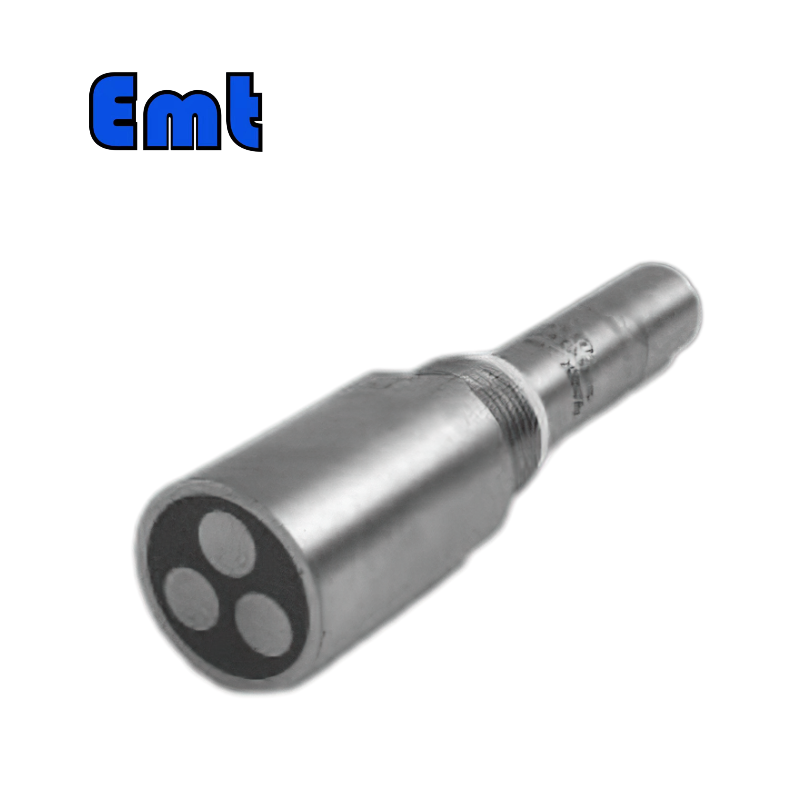
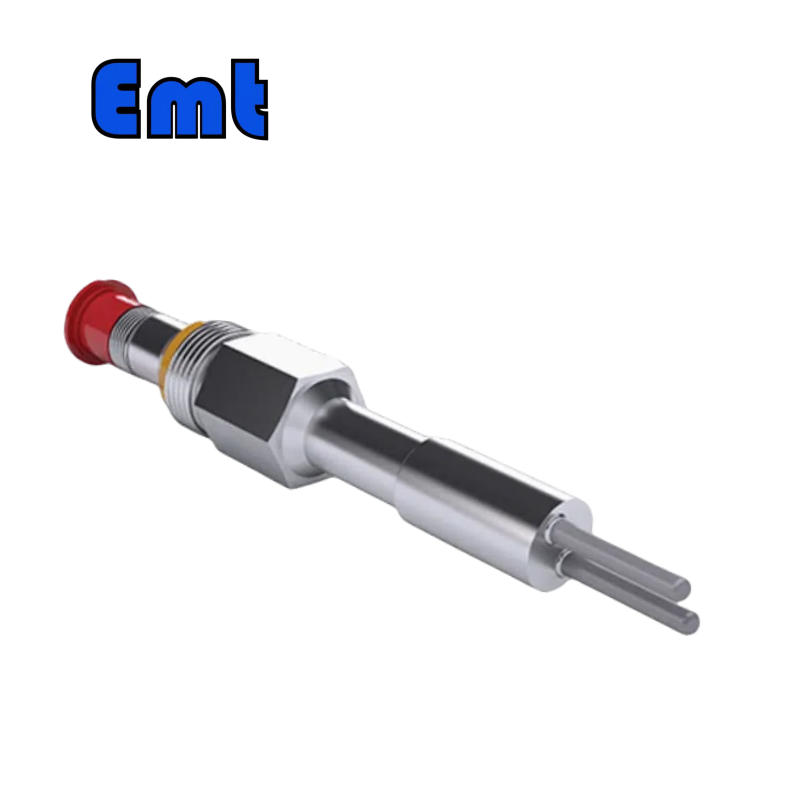
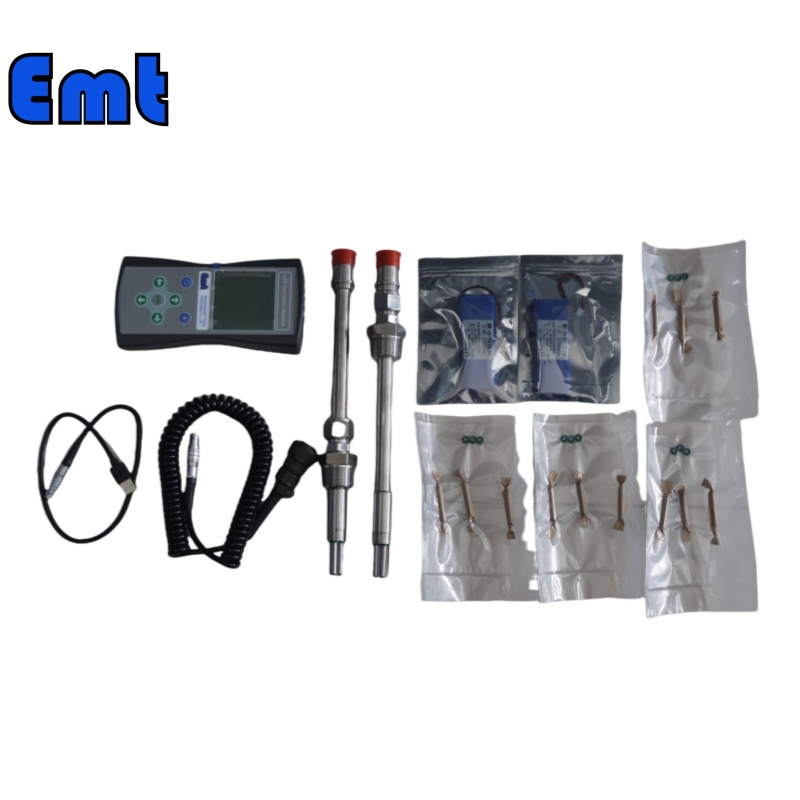
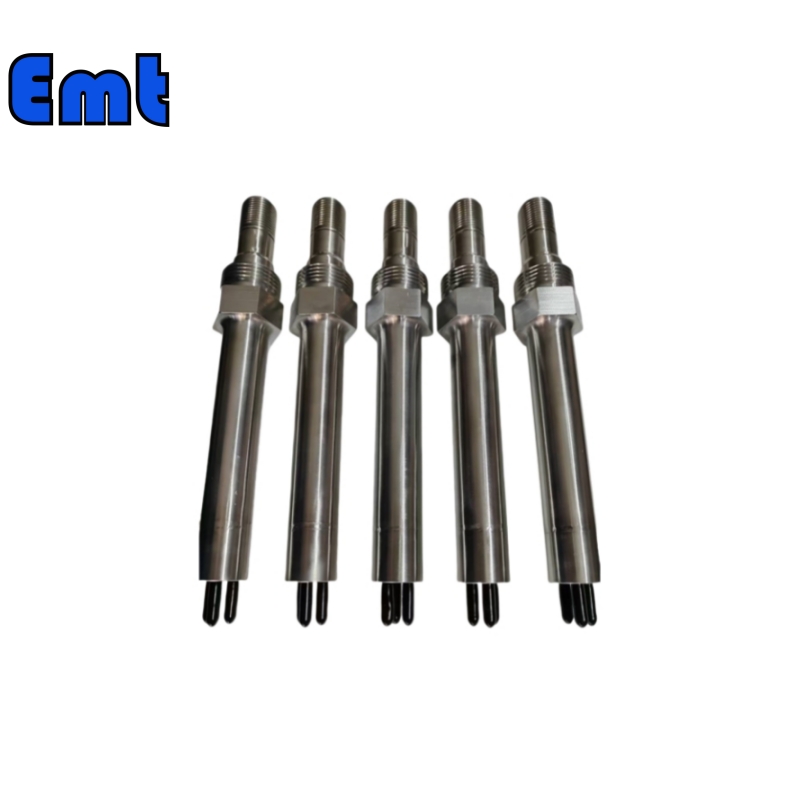
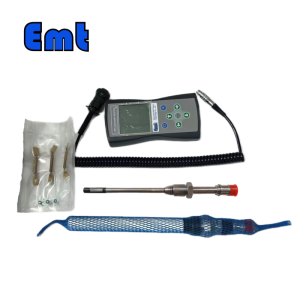
The EMT LPR probe measures real-time corrosion rate in oil, gas, and water lines online, without shutdown. It fits standard access fittings and meets NACE SP0196. Continuous data protects your assets before a thin wall becomes a leak.
What Problem Does an LPR Probe Solve?
Internal corrosion silently thins pipe walls until CO2 or H2S finds a leak. Most operators learn the hard way at the next scheduled shutdown.
Q: How can I measure corrosion rate without stopping the pipeline?
A: An LPR probe reads instant corrosion rate by linear polarization resistance while the line stays online. EMT’s rugged sensor fits a standard access fitting, so you track metal loss in real time and act before failure.
Technical Parameters
EMT builds every LPR probe to NACE SP0196 with full material traceability. Custom sizes and alloys are available on request.
| Parameter | Value |
|---|---|
| Measurement Method | Linear Polarization Resistance (LPR) |
| Electrode Material | 316L SS, Hastelloy C276, or Inconel (project-based) |
| Electrode Count | 2-electrode or 3-electrode (working / reference / counter) |
| Process Connection | Standard access fitting 1 inch to 2 inch, retractable |
| Output Signal | 4-20 mA, HART, or Modbus RTU |
| Temperature Range | -40 C to 200 C (probe dependent) |
| Pressure Rating | Up to ANSI 2500 LB (fitting dependent) |
| Cable and Housing | PTFE jacket, IP66 / NEMA 4X transmitter |
| Certification | ISO 9001, NACE SP0196 aligned, MTC on request |
Product Advantages
- Real-Time Rate — Get corrosion rate in minutes; catch change before failure.
- Standard Fitting — Fits common retrievable access fittings; no hot work, no shutdown.
- Rugged Electrodes — 316L or Hastelloy C276 resist high-chloride, sour service.
- Smart Output — 4-20 mA or HART links straight to your DCS for live data.
- Retrievable — Pull and replace under pressure with a retriever and isolation valve.
Where Is an LPR Probe Used?
- Gas transmission — Track internal corrosion from CO2 and H2S in trunk lines.
- Wellhead monitoring — Read corrosion rate at sour-gas wellheads across the Middle East.
- Water injection — Watch microbiologically influenced corrosion in injection lines.
- Refineries — Mount probes on vessels and heat exchangers for early warning.
- Chemical plants — Trend corrosion rate per batch of inhibited fluid.
- Offshore platforms — Continuous monitoring on North Sea and Gulf facilities.
About EMT
Our rigorous and unwavering commitment to quality control over the years has made our pig indicators listed as the sole Chinese brand products in the optional products in multiple CNOOC projects. As early as 2010, we began providing products for oil projects in the Asia, Africa and Latin America region, with long-term and ongoing projects such as PDOC, DPOC, Hafaya, Misan, and Graf oil fields, and without receiving any negative quality feedback. At present, our products have also been recognized by companies such as CCED, Oxy, Saudi Aramco, and Shell, and have become members of the “Pigging Products and Services Association (PPSA)”, presenting yet another way for pipe project contractors to access affordable, top-tier products.
Certifications: ASME U-Stamp, NACE MR0175,ISO 14001,ISO 9001,Member of the Pipeline Products Services Association(PPSA).
Service: English, Arabic, Spanish, and Chinese support; standard probes ship in 3-6 weeks, custom in 8-12 weeks.
Customer Cases
Anonymized at buyer request. Industries, regions, and applications are public; project details are not.
- Middle East gas pipeline operator — LPR probes with Hastelloy electrodes for sour-gas transmission, delivered 2025.
- North Sea offshore platform — Retrievable LPR probes on water-injection lines monitoring MIC, delivered 2025.
- Southeast Asia refinery — LPR probes on heat exchangers with HART output, delivered 2024.
Frequently Asked Questions
Q: What does an LPR probe measure?
A: An LPR probe measures the instantaneous corrosion rate of metal in a process stream using a small applied voltage and the Stern-Geary equation. It reports microns per year in minutes.
Q: Can one access fitting hold multiple probe types?
A: Yes. Many EMT fittings accept an LPR probe, an ER probe, and a coupon at once, giving you rate, metal loss, and surface data from a single point.
Q: How do I choose an LPR probe manufacturer?
A: Check electrode material, access fitting type, and signal output. EMT offers NACE SP0196-aligned builds, multiple alloys, and DCS-ready transmitters sized to your exact service.
Q: Do you build probes for sour gas service?
A: Yes. We select Hastelloy or Inconel electrodes and NACE MR0175 materials for H2S and CO2. Each probe passes calibration and pressure testing before shipment.
Q: What is the typical lead time from an LPR probe supplier?
A: Standard probes ship in 3-6 weeks; custom alloys or fittings need 8-12 weeks. We confirm the schedule after reviewing your process data and output requirement.
Related Products
Reviews
There are no reviews yet.