
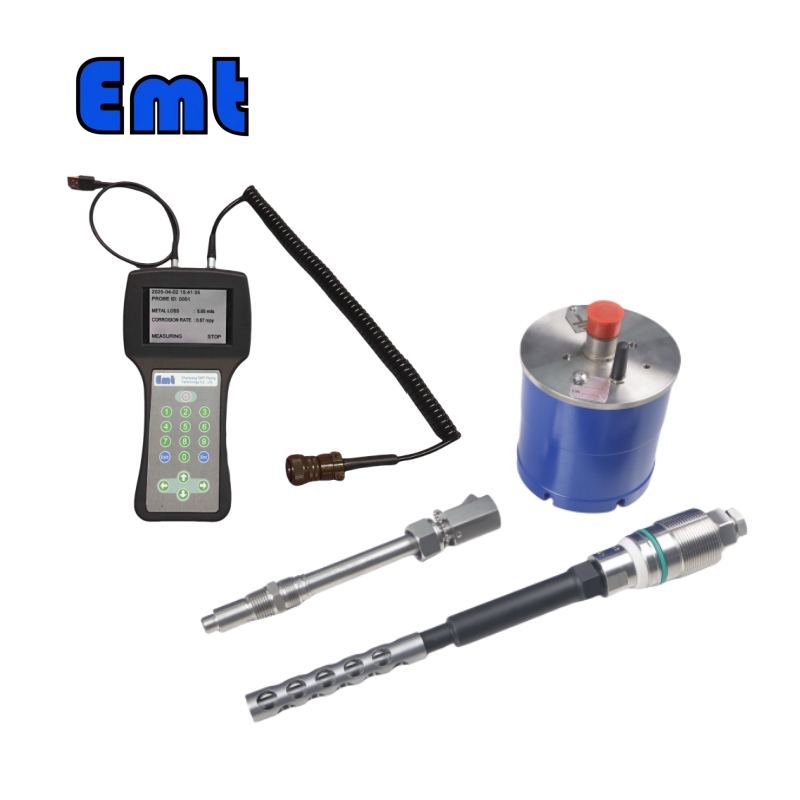
Description
ER Corrosion Probe offers an accurate, real-time method for measuring corrosion rates in diverse industrial environments. This instrument utilizes the Electrical Resistance (ER) principle to detect metal loss. It provides crucial data for asset integrity management programs. Operators use ER probes to monitor material degradation across various process streams. We design these probes for robust performance and long-term reliability.
Technical Specifications
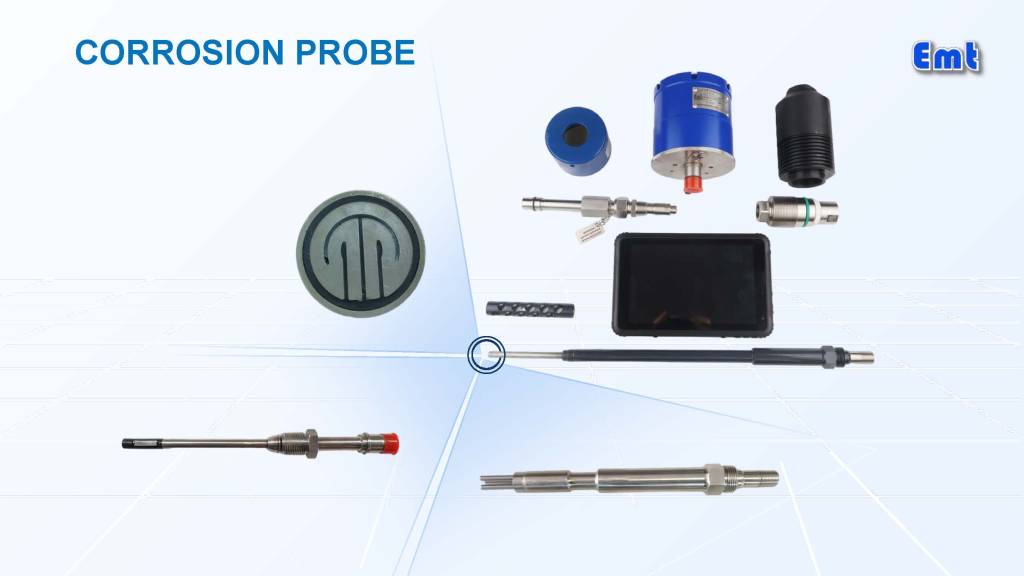
We engineer our ER Corrosion Probes to meet the demanding requirements of the oil and gas industry. These specifications ensure consistent and accurate data collection.
| Parameter | Specification |
|---|---|
| Measurement Principle | Electrical Resistance (ER) |
| Measurement Range | 0 to 65,535 units (related to metal loss) |
| Resolution | 1 part in 65,535 (or better) |
| Response Time | Continuous data output, updates typically every few minutes |
| Operating Temperature | -50°C to +300°C (-58°F to +572°F) |
| Maximum Pressure | Up to 6000 psi (413 bar) |
| Wetted Materials | Carbon Steel, 316L SS, Hastelloy C-276, Duplex SS, Copper |
| Probe Element Types | Flush, Cylindrical, Wire Loop, Tube |
| Body Material | 316L Stainless Steel, Alloy 625 |
| Mounting Options | Retractable (hot tap), Fixed (welded or threaded) |
| Process Connections | 1″ NPT, Flanged (ANSI 150# to 2500#) |
| Hazardous Area Certifications | ATEX, IECEx, CSA, UL (depending on model) |
Distinctive Features
Our ER Corrosion Probe incorporates several design features that enhance its utility and performance. These features contribute to its widespread adoption in the industry.
Firstly, the ER method measures cumulative metal loss directly. This provides a clear, unambiguous indication of material degradation. It offers a total metal loss value, independent of fluid conductivity. This makes the ER Corrosion Probe suitable for both conductive and non-conductive media. It performs reliably in gas, oil, and aqueous phases.
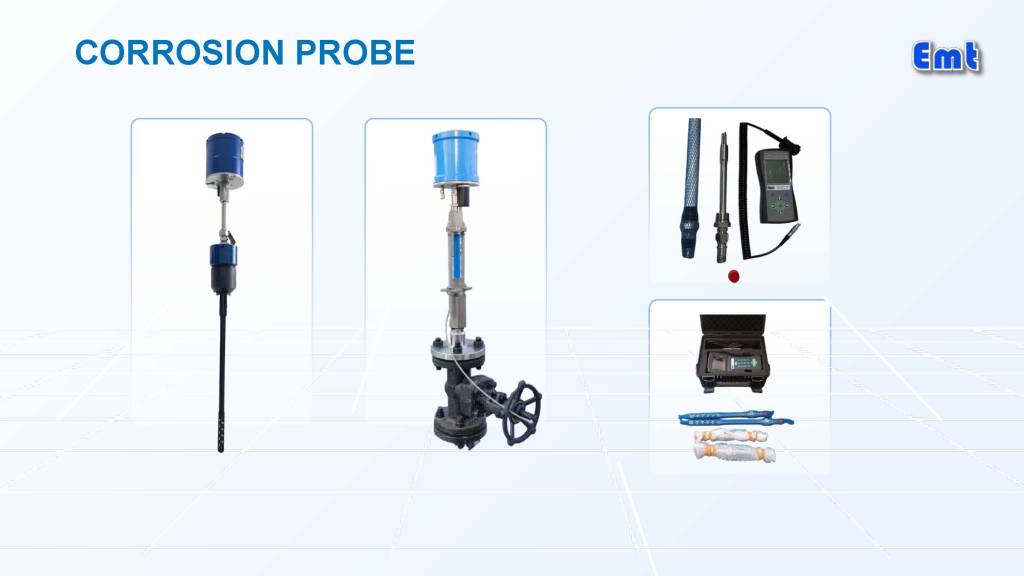
Secondly, a wide range of probe element configurations are available. Flush-mounted probes monitor surface corrosion in pipelines. Cylindrical elements provide general corrosion rates over a larger area. Wire loop probes offer high sensitivity for rapid changes. Each type targets specific monitoring needs effectively. Operators select the best probe for their application.
Thirdly, the robust construction ensures durability in harsh environments. We utilize high-grade alloys for wetted parts. These materials withstand aggressive chemicals and high temperatures. This design minimizes the need for frequent probe replacement. It ensures consistent data acquisition over extended periods. Our probes provide long-term service life.
Fourthly, ER probes offer versatility in installation. Retrievable probe designs allow for insertion and extraction under full operating pressure. This eliminates the need for system shutdowns. Fixed probes provide continuous monitoring at critical points. Both options simplify maintenance and reduce operational disruption. Operators maintain production efficiency.
Finally, these probes integrate easily with existing monitoring systems. They provide stable electrical resistance signals. These signals connect to data loggers, transmitters, or control systems. This allows for automated data collection and trend analysis. Operators can track corrosion trends over time. This supports proactive maintenance planning effectively.
Applications and Benefits
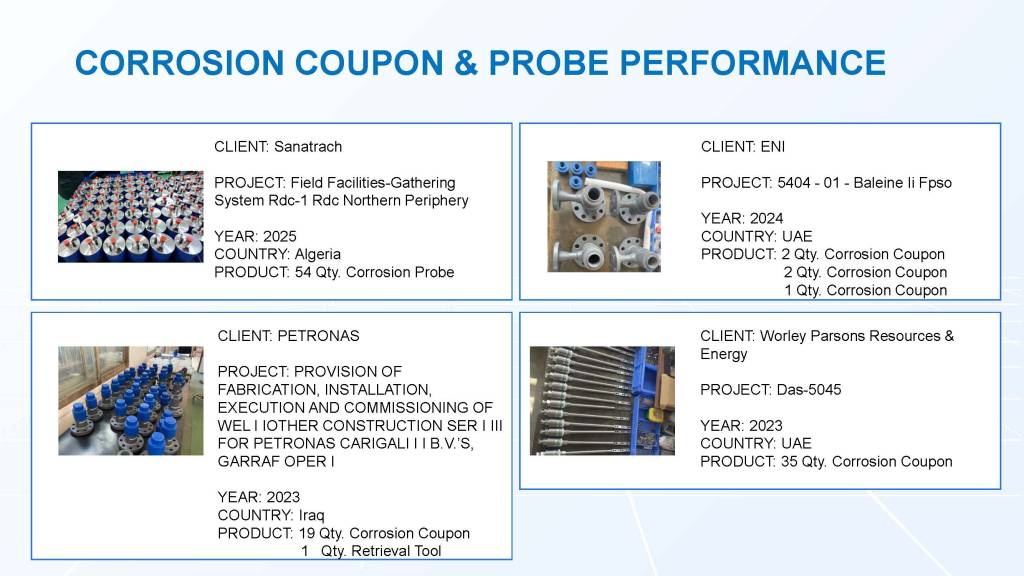
ER Corrosion Probe is essential tools across diverse oil and gas operations. They deliver significant benefits by protecting infrastructure and optimizing processes.
Operators widely deploy ER probes in oil and gas pipelines. They monitor internal corrosion caused by water, H2S, and CO2. For instance, a major crude oil pipeline used ER probes at several critical locations. The probes detected a rise in corrosion rates after a change in crude supply. This early detection allowed engineers to adjust inhibitor dosing, preventing pipeline integrity loss.
Furthermore, ER probes find critical application in natural gas processing plants. They monitor corrosion in amine units, which absorb acidic gases. Amine solutions can be highly corrosive. Continuous ER monitoring helps maintain optimal process conditions. A plant successfully identified localized corrosion in an absorber column. This allowed for targeted repairs and avoided costly unscheduled downtime.
Moreover, these probes are invaluable in refinery units, such as hydrotreating and catalytic reforming. High temperatures and corrosive chemicals are common here. ER probes provide real-time insight into equipment condition. One refinery employed ER probes in a crude distillation unit overhead. The probes helped optimize neutralization chemical injection, minimizing acid corrosion.
The primary benefit of using an ER Corrosion Probe is its reliability in various media. It provides continuous data, irrespective of changes in fluid conductivity. This makes it a versatile tool for comprehensive corrosion management. Real-time data enables prompt responses to corrosion issues. This proactive approach reduces the risk of leaks and failures. It also minimizes maintenance costs and extends equipment lifespan.
Enhancing Asset Integrity
The ER Corrosion Probe stands as a fundamental instrument for effective corrosion management. It provides direct, reliable data on metal loss in real-time. By implementing these probes, operators gain critical insights into asset health. This allows for informed decisions and proactive interventions. Our ER probes contribute significantly to the safety, reliability, and extended service life of vital oil and gas infrastructure. We are committed to delivering high-quality corrosion monitoring solutions. Contact us to explore how our ER probes can optimize your operations.
Reviews
There are no reviews yet.