
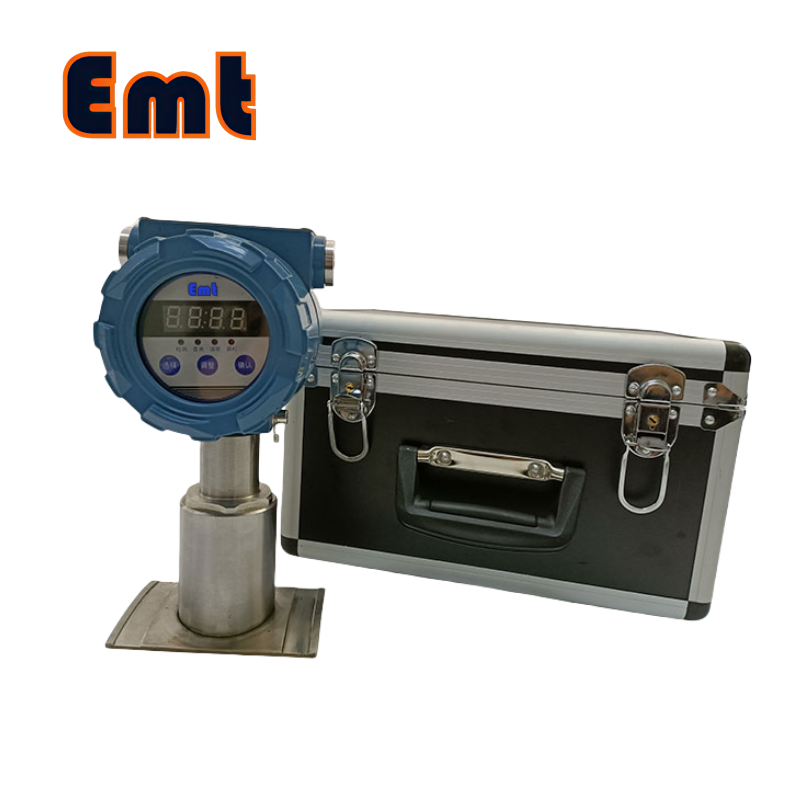
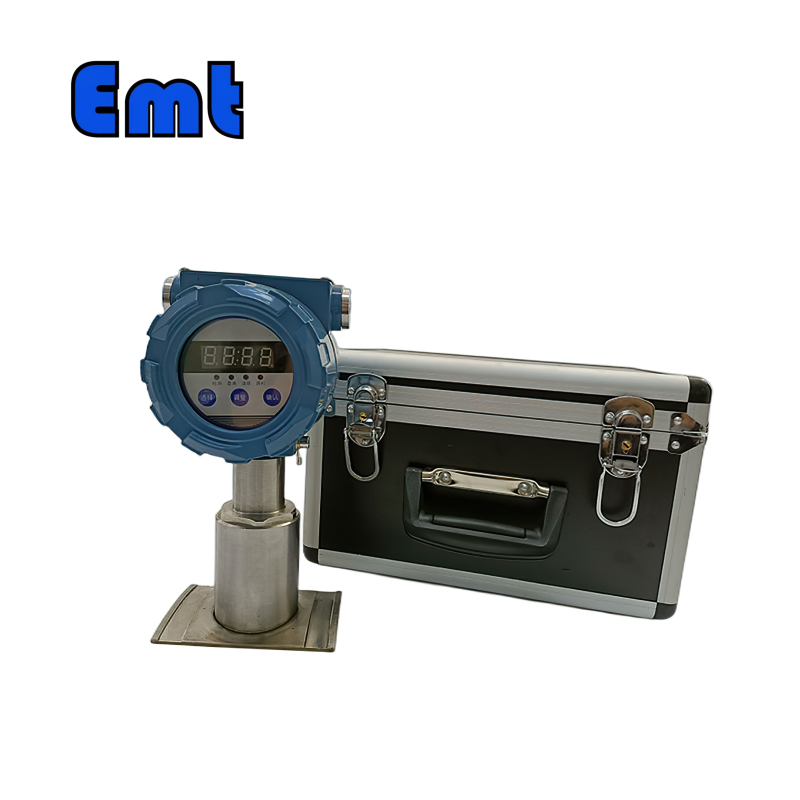
Description
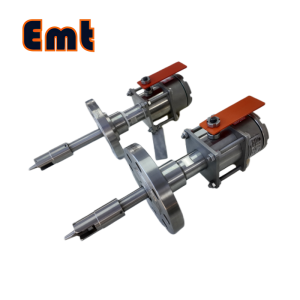
What Is an Ultrasonic Non-Intrusive Pig Signaller?
A pig signaller confirms when a pig passes a point in your pipeline. Intrusive models reach inside the pipe. In contrast, an ultrasonic non intrusive pig signaller stays completely outside. It clamps to the pipe wall and listens for the acoustic signal a pig makes as it travels.
Therefore, it needs no penetration, no flange, and no isolation valve. You install it on a live, pressurized line in minutes. This makes it the safest choice for high-pressure gas, hazardous areas, and lines where any shutdown is costly.
Operators use it at launchers, receivers, and intermediate stations. For example, it works with foam pigs, steel pigs, batching pigs, and ILI smart pigs.
Key Parameters
| Parameter | Specification |
|---|---|
| Detection Method | Clamp-on ultrasonic (acoustic) transducer |
| Pipe Size Range | 2″–56″ (DN50–DN1400) |
| Pipe Material | Carbon steel, stainless steel, alloy steel |
| Output Signal | 4–20 mA + dry-contact relay + RS485/Modbus |
| Power Supply | 24 VDC / 100–240 VAC |
| Response Time | < 1 second |
| Local Display | Backlit LCD with signal strength |
| Ingress Protection | IP66 / IP67 |
| Hazardous Area | ATEX / IECEx options available |
| Ambient Temperature | −20°C to +60°C (electronics) |
| Sensor Temperature | −40°C to +85°C |
| Mounting | Magnetic base or stainless strap, tool-free |
How the Ultrasonic Pig Detector Works
The transducer couples to the pipe wall with acoustic gel or a permanent mount. As the pig moves past, it creates a distinct acoustic signature in the fluid and pipe wall. The sensor captures this ultrasonic signal and filters out normal flow noise.
Next, the processor compares the signal to a learned baseline. When a pig passes, it triggers the output within one second. A dry-contact relay alerts your SCADA, and the local LCD shows signal strength for field confirmation.
Because there is no mechanical trigger, nothing wears out or sticks. Additionally, the device ignores pressure surges and turbulence that fool intrusive flags.
Where Should You Install It?
Install the signaller wherever you need pig confirmation without pipeline intervention:
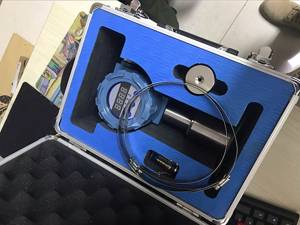
- Launcher and receiver stations— confirm pig entry and arrival.
- Intermediate checkpoints— monitor long segments and river crossings.
- Hazardous areas— choose the ATEX/IECEx enclosure for classified zones.
- Live, pressurized lines— retrofit in minutes with zero production loss.
- Subsea tiebacks and platforms— the IP67 housing resists temporary immersion.
Why Choose EMT’s Ultrasonic Non-Intrusive Pig Signaller?
- Zero Pipeline Penetration— The clamp-on sensor never touches the product. Therefore, you avoid leaks, contamination, and weld inspections.
- Live-Line Installation— Mount it on a running pipeline with no hot tap. Consequently, you save the cost of a shutdown.
- Fast, Accurate Detection— Sub-second response and acoustic filtering cut false alarms from flow noise.
- Universal Fit— One sensor covers 2″ to 56″ pipe. Adjustable straps handle any wall thickness.
- Hazardous-Area Ready— Explosion-proof enclosures meet ATEX/IECEx needs for gas and dust zones.
- Low Maintenance— With no moving parts, the unit needs only periodic cleaning and a yearly function check.
Applications
The ultrasonic non intrusive pig signaller suits any pipeline where cutting the line is undesirable. Use it on crude oil trunk lines, gas transmission systems, water networks, and refined product lines. It is especially valuable for aged assets, subsea lines, and cross-country segments where excavation or hot work is restricted.
For new pigging programs, pair it with a launcher and receiver closure. For integrity management, combine it with corrosion monitoring to build a full pig-run history.
Frequently Asked Questions
Q: What is the difference between intrusive and non-intrusive pig signallers?
An intrusive signaller reaches into the pipe and touches the pig. A non-intrusive unit clamps outside and senses the pig through sound or magnetism. Intrusive types give direct contact confirmation. Non-intrusive types avoid any pipeline penetration, which is safer for live, high-pressure, or hazardous lines.
Q: Can I install a non-intrusive pig signaller on a live pipeline?
Yes. The clamp-on sensor mounts to the external pipe wall with no cutting or welding. You can retrofit it on a pressurized line in minutes. This eliminates the need for a shutdown, hot tap, or isolation valve.
Q: Does the ultrasonic signaller work on all pig types?
Yes. It detects the acoustic signature of foam pigs, steel-mandrel pigs, batching pigs, and ILI smart pigs. Sensitivity is adjustable, so soft foam pigs and rigid steel pigs are both captured reliably.
Q: How accurate is non-intrusive pig detection?
Clamp-on ultrasonic detection is highly reliable on steel pipelines with good acoustic coupling. Proper installation and a clean baseline reduce false signals. For critical lines, we recommend a site test before full deployment.
Q: What pipe sizes and materials are supported?
The standard sensor fits 2″ to 56″ pipe (DN50–DN1400). It works on carbon steel, stainless steel, and alloy steel. Very thick insulation or heavy concrete coating may need a longer strap or a custom mount.
Reviews
There are no reviews yet.