
Description
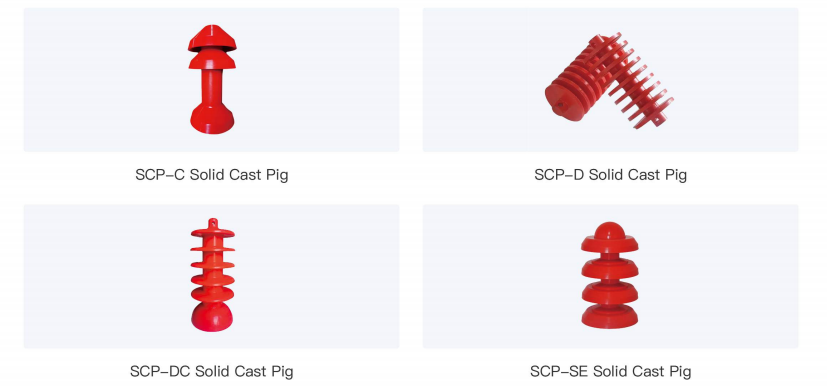
What is a Solid Cast Pig?
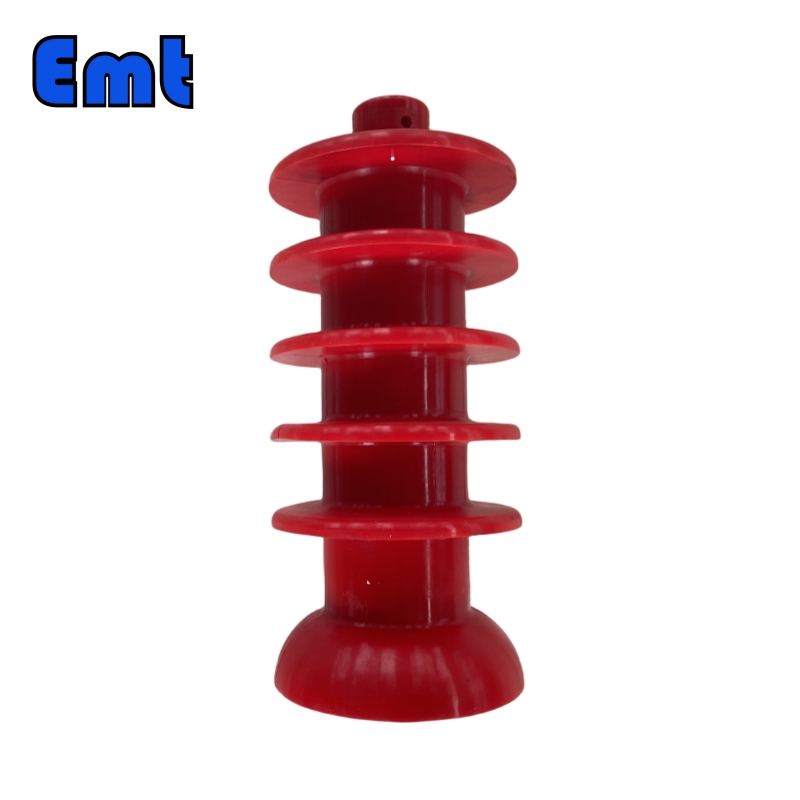
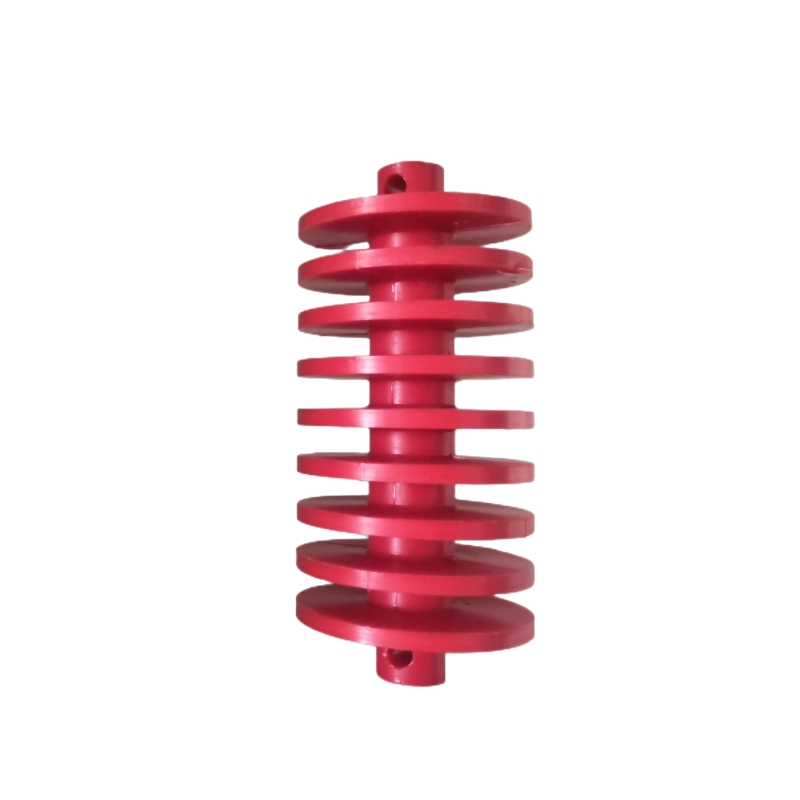
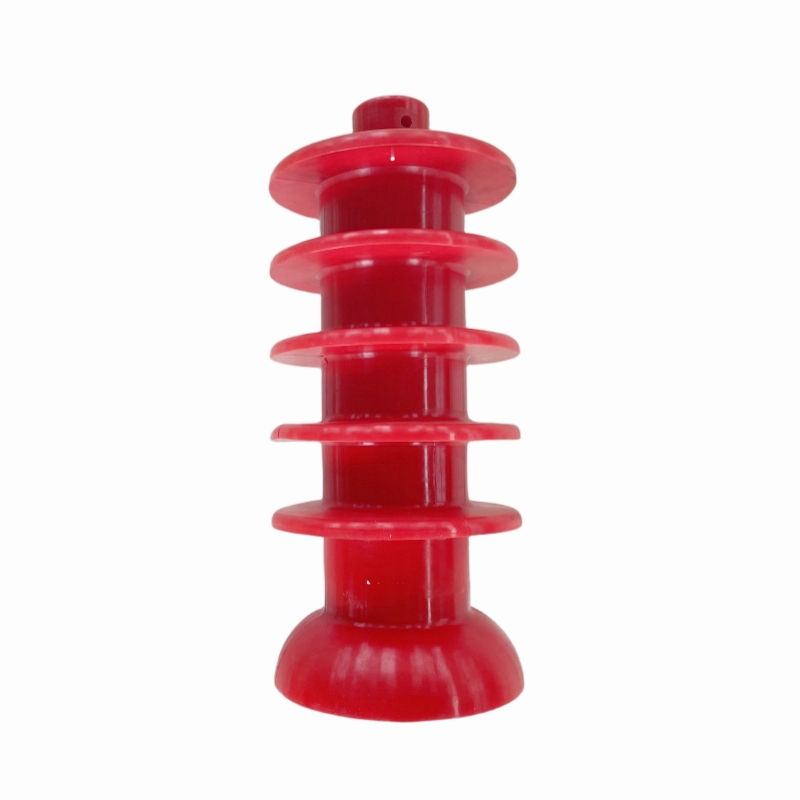
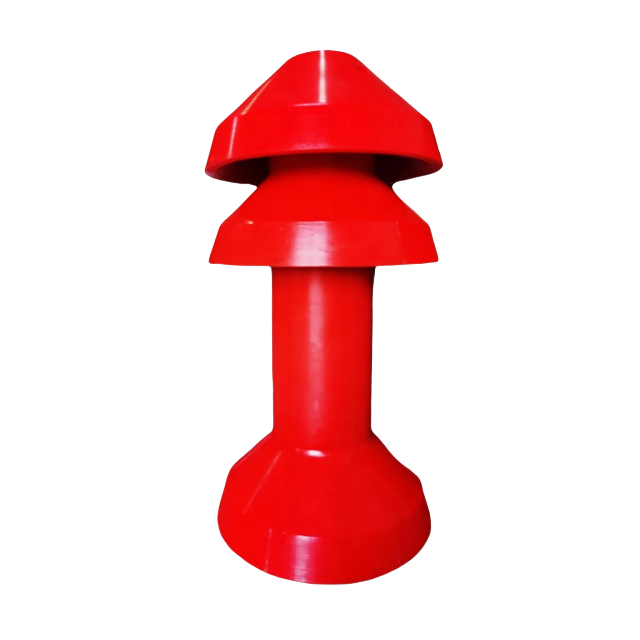
A Solid Cast Pig is a type of pipeline cleaning and maintenance tool that is molded from a single, dense, and solid piece of polyurethane (or sometimes other elastomers). Unlike foam pigs, it has no hollow core or sponge-like structure. Its solid construction makes it extremely durable and rigid, designed for specific, often demanding, tasks in pipeline operations.
Key Features & Design
Construction: Made from solid, high-density polyurethane via a casting or molding process. It is not hollow.
Body: The entire pig body is a single, solid elastomer unit.
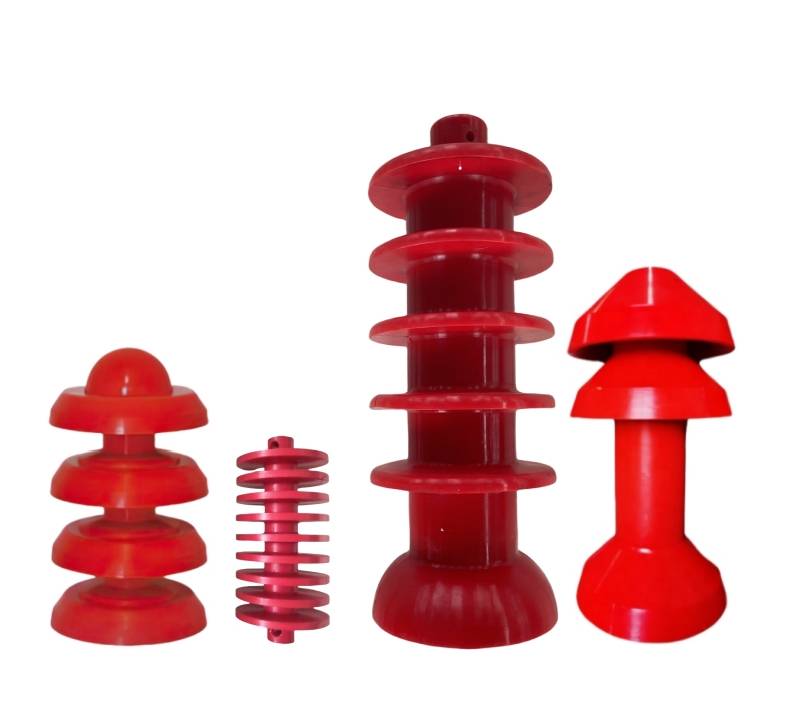
Versatility: Can be manufactured in various designs, including:
Cup Pigs: With solid polyurethane sealing cups.
Disc Pigs: With solid polyurethane discs.
Combination Pigs: Featuring both cups and brushes or magnets cast into or attached to the solid body.
Density & Weight: Significantly heavier and more rigid than foam pigs, giving it better tracking and momentum.
Primary Functions & Uses
Heavy-Duty Cleaning: Used in lines with significant, hard deposits (like wax, scale, or asphaltenes).
Dewatering & Drying: Their excellent sealing capability (from solid cups/discs) makes them highly effective at pushing large volumes of liquid (e.g., hydrotest water) with minimal bypass.
Product Separation (Batching): The superior seal provided by solid cups minimizes product mixing between different batches in a multi-product pipeline.
Ga/Inspection Support: Often used as the launch pig for an inline inspection (ILI) tool or as a gauging pig to prove the pipeline’s internal diameter before an inspection run. Their rigidity allows them to carry gauge plates.
Long-Distance Runs: Their durability makes them suitable for long pipelines where a foam pig would wear out before the end of the run.
Advantages of Soild Cast Pig
Durability: Can travel long distances and be used multiple times (re-pigged).
Effective Sealing: Solid cups/discs provide excellent sealing for dewatering and batching.
Strength & Rigidity: Can navigate large-diameter pipelines, heavy wall thickness changes, and carry instrumentation.
Predictable Tracking: Less prone to spinning or erratic movement compared to some foam pigs.
Key Features & Design of Solid Cast Pig
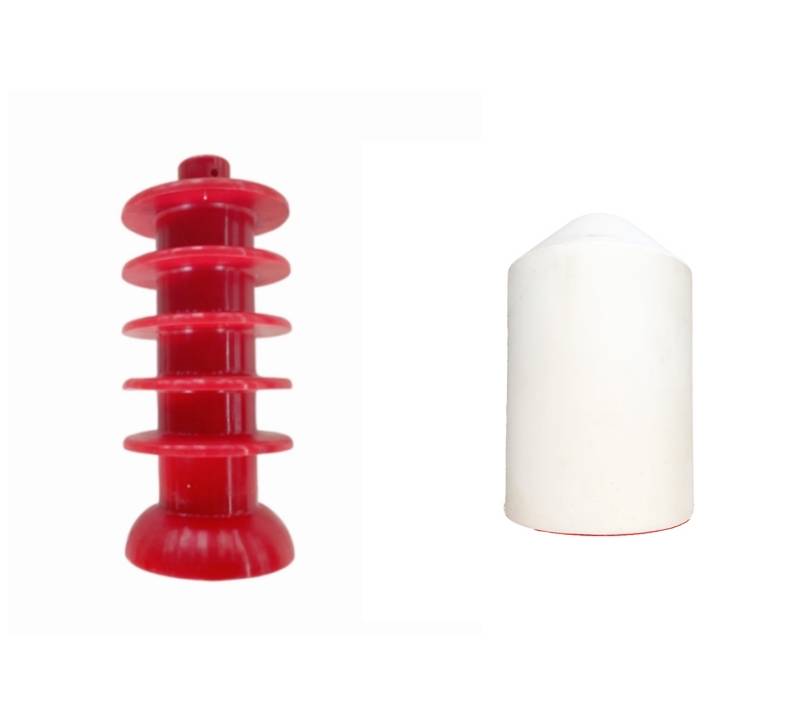
Construction: Made from solid, high-density polyurethane as a single unit. We also provide a detachable type, where worn cups can be replaced without changing the pig body, offering significant cost savings.
Comparison to Foam Pigs
| Feature | Solid Cast Pig | Bare Foam Pig |
|---|---|---|
| Construction | Solid, dense polyurethane | Open-cell, porous foam |
| Primary Use | Heavy-duty cleaning, sealing, ILI support | Light cleaning, swabbing, batching |
| Lifespan | Multi-use (reusable) | Single-use (disposable) |
| Cost | Higher initial cost | Very low cost |
| Flexibility | Rigid, good for large lines | Highly flexible, good for tight bends |
| Sealing Ability | Excellent (solid cups/discs) | Fair to poor (dependent on foam compression) |
Typical Application Sequence
Project teams often use solid cast pigs in critical phases of a major pipeline project.
Post-Construction: A solid cast gauging pig verifies the line is clear of dents or obstructions.
Pre-Inspection Cleaning: A series of solid cast cleaning pigs (with brushes/scrapers) prepare the line wall for the inspection tool.
Inspection Run: A solid cast ILI launcher pig propels the sensitive inspection tool (smart pig) through the line.
Commissioning/Dewatering: Operators use solid cast cup pigs to dewater the line with high efficiency before it goes into service.
Reviews
There are no reviews yet.