
Description
What Is a Scraper Pig?
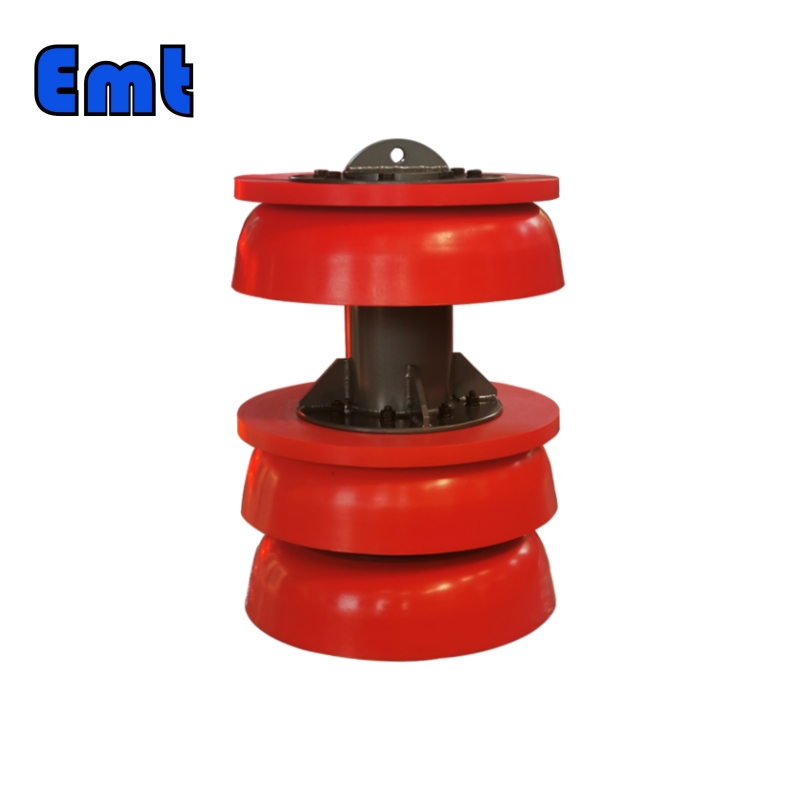
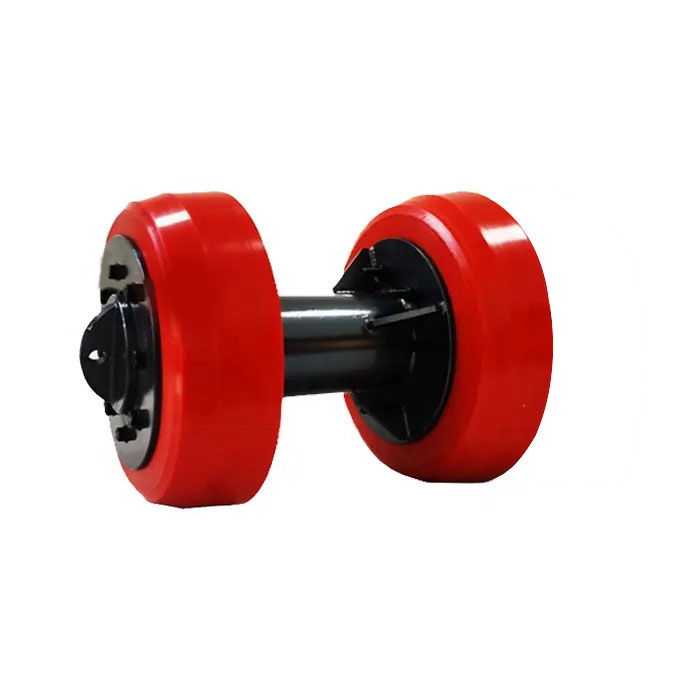
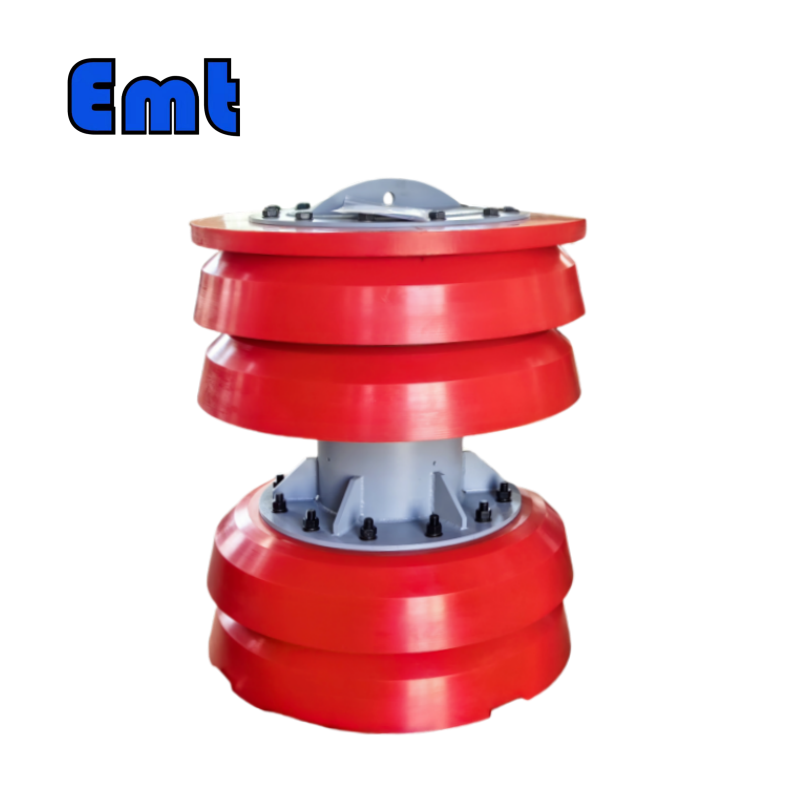
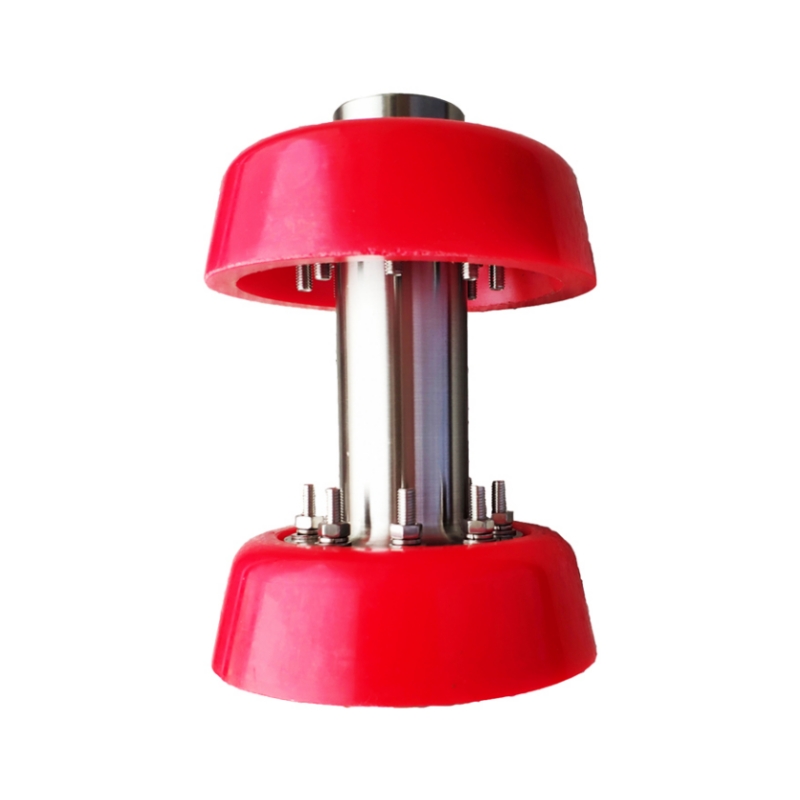
A scraper pig is a pipeline cleaning tool that removes scale, wax, and rust from internal pipe walls. Operators launch it from a pig launcher and recover it at the receiver. EMT builds scraper pigs for oil and gas lines, water systems, and chemical plants. The tool seals the wall with cups or brushes and scrapes deposits loose. EMT offers foam, steel-frame, and solid-cast polyurethane styles. Foam pigs carry a transmitter for tracking and suit first inspection. Steel-frame pigs use leather bowls for strong sealing and soft-dirt removal. Solid-cast pigs clear heavy deposits in long-distance lines. Maintenance teams run them before commissioning and during routine pigging. They keep flow high and prevent costly blockages. EMT customizes size, density, and accessories per project. We also supply spare discs and brushes to extend service life. Our pigs pass bends, elbows, and reducers without jamming.
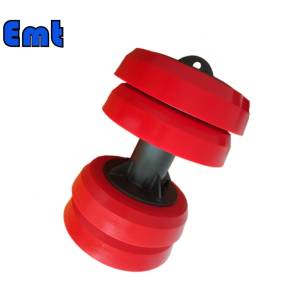
What Are the Key Parameters?
EMT sizes every scraper pig to the host pipeline, medium, and cleaning goal. The table below lists our standard parameters. Size spans 2 to 40 inch (DN50-DN1000). Body material includes polyurethane, medium-density foam, or a carbon steel frame. Polyurethane hardness reaches Shore 83 A. Foam density spans light, medium, and heavy grades. Cups or discs number two to four, in polyurethane or leather. Operating temperature reaches 80 C. We add wire brushes, spring brushes, gauging discs, transmitters, or magnets on request. Pressure rating follows the pipeline MAOP. Every unit meets ISO 9001 and ISO 14001, with ASME U Stamp on vessel parts. Choose foam pigs for light, one-pass inspection. Choose solid-cast polyurethane for heavy wax and scale. Steel-frame pigs suit soft-dirt removal in large lines. We match cup count and hardness to your medium. Our engineers review your pipeline data before finalizing specs.
| Parameter | Value |
|---|---|
| Size Range | 2″-40″ (DN50-DN1000) |
| Body Material | Polyurethane / Medium-density foam / Carbon steel frame |
| Surface Hardness | Shore 83 A (polyurethane) |
| Foam Density | Light 0.02-0.3 g/cm3 – Medium 0.08-0.12 – Heavy 0.13-0.16 |
| Cups / Discs | 2-4 pcs, polyurethane or leather |
| Operating Temp. | <= 80 C |
| Unit Weight | approx 5 kg (standard PU build) |
| Pressure Rating | Per pipeline MAOP |
| Optional Add-ons | Wire brush, spring brush, gauging disc, transmitter, magnets |
| Certifications | ISO 9001 – ISO 14001 – ASME U Stamp (vessel parts) |
How Does the Scraper Pig Work?
The scraper pig seals the pipeline with cups or brushes. Product fluid pushes it forward by pressure differential. The cups separate liquids or gases at both ends. This creates the driving force. Brushes and blades scrape scale, wax, and rust from the wall. Loose debris gathers ahead of the pig and exits at the receiver. A transmitter inside the pig sends signals to track its position. Operators locate blockages by reading that signal during the run. Gauging discs measure pipe deformation and reveal dents or ovality. The pig repeats passes until the line is clean and verified. EMT sets cup angle and brush hardness for each medium and temperature. This keeps every run safe, smooth, and effective. We match polyurethane hardness to the deposit type. Soft wax needs flexible cups; hard scale needs stiff brushes. Our engineers confirm the cleaning plan before each launch.
Why Choose the Scraper Pig?
EMT builds the scraper pig to deliver reliable cleaning at a low lifecycle cost. Project teams choose it for five clear reasons.
- It removes tough deposits such as scale, wax, and rust in a single pass.
- The polyurethane body resists wear and survives many repeated cleaning runs.
- Custom sizes from 2 to 40 inch fit most pipeline diameters worldwide.
- An optional transmitter enables accurate in-line tracking and blockage detection.
- ASME-certified construction ensures safe, reliable performance under line pressure.
Tell us your pipe size, medium, and deposit type. We recommend the right style, density, and add-ons for you. Our team confirms the cleaning plan before production starts. We stock common sizes for fast dispatch and short lead times. Each pig ships with a test report and a spare parts list.
Frequently Asked Questions
Q:Why is a pipe cleaner called a pig?
The name pig comes from the early days of pipeline cleaning. The first pigs were crude bundles of straw, wire, and leather pushed through the line. As they scraped along the pipe wall, they made a high-pitched squealing noise — like a pig. Crews started calling the device a “pig,” and the name stuck.Later, engineers created a backronym to make it sound technical: Pipeline Inspection Gauge. But the term existed long before inspection tools. The sound came first; the acronym came after.
Q:What does pig stand for in pipe cleaning?
Strictly speaking, “pig” does not stand for anything — it began as a nickname from the squealing sound. The backronym Pipeline Inspection Gauge was added later.
In pipe cleaning, a pig is any device sent through a pipeline to scrape wax, scale, rust, and debris off the internal wall, then sweep liquids ahead of it. It restores flow and protects against internal corrosion.
Q:What is the 3-3-3 rule for pigs?
There is no “3-3-3 rule” in pipeline pigging. The 3-3-3 rule belongs to livestock farming: a sow’s gestation is about 3 months, 3 weeks, and 3 days (roughly 114 days). It has nothing to do with pipeline pigs.
In pipeline work, the closest “rule of three” is the progressive pigging sequence:
*Foam pig — prove the line is clear and dry it.
*Mandrel / brush pig — scrape wax, scale, and rust from the wall.
*Smart pig (ILI) — inspect the wall for corrosion and cracks.
Operators also follow a velocity window of about 0.5–5 m/s (roughly 3–7 ft/s): too slow risks a stuck pig; too fast can damage the tool.
Reviews
There are no reviews yet.