
Description
The Essential Guide to Quick Actuating Closures: Speed, Safety, and Industrial Efficiency
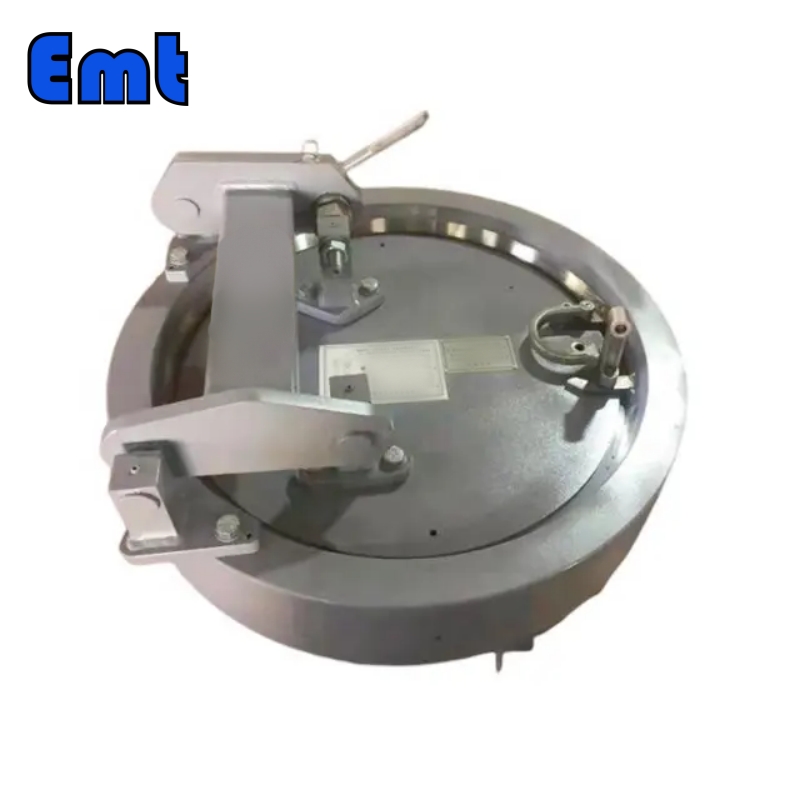
In the high-stakes environments of industrial processing, pharmaceutical manufacturing, and petrochemical engineering, time is quite literally a critical resource. This is where the quick actuating closure establishes itself as an indispensable piece of engineering. Far more than just a lid or a door, a quick actuating closure is a precision-engineered mechanical system designed to provide instantaneous, secure, and repeatable access to pressure vessels, pipelines, and sterilizers. By allowing operators to open or seal an opening with a fraction of the effort and time required for traditional bolted covers, these devices solve a fundamental industrial challenge: balancing the need for a robust, leak-proof seal against the operational requirement for speed and efficiency.
The Mechanism of Modern Efficiency
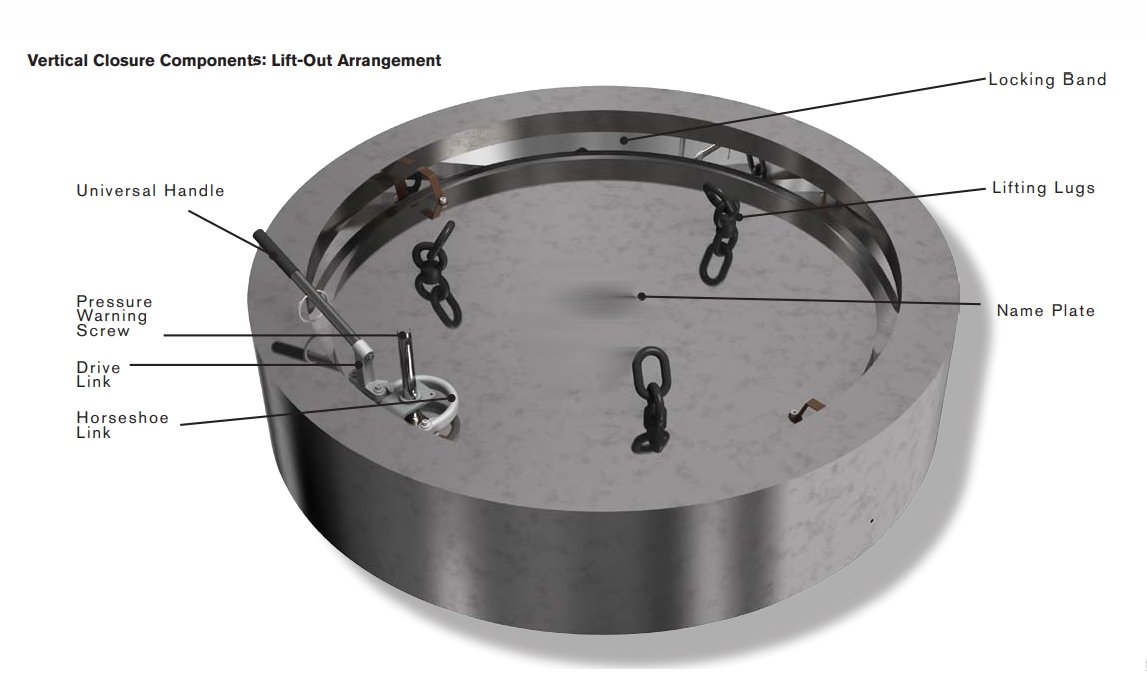
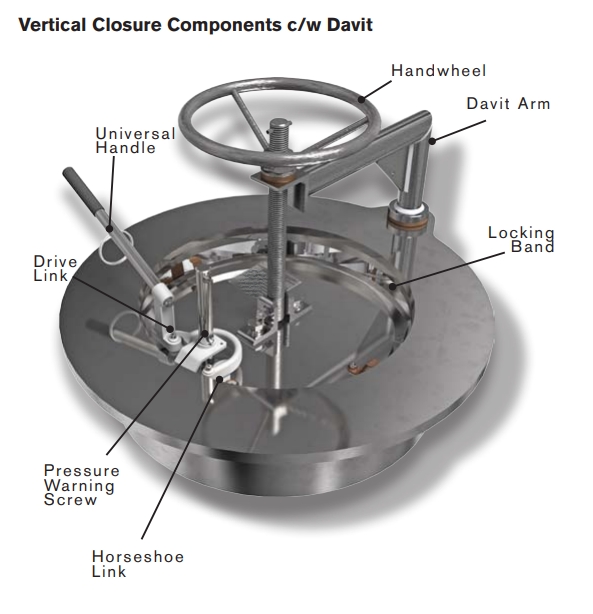
The core value lies in its sophisticated design. It bypasses tedious bolt tightening. These closures utilize segmented interlocking rings. They also use cam-and-groove levers. Some employ breech-lock lugs. These mechanisms engage with a single-action movement. This philosophy drastically reduces opening time. It drops from hours to just seconds. Operators frequently access pipeline pig launchers for maintenance. This time savings reduces downtime and boosts throughput. Modern designs incorporate safety interlocks. These actively prevent vessel pressurization. The closure must be fully engaged first. Speed never comes at the expense of safety.
Diverse Applications Across Heavy Industries
The versatility of the quick actuating closure allows it to serve a wide array of critical functions across the industrial landscape. In the oil and gas sector, they are vital for accessing scraper traps and filters without halting production flow for extended periods. The pharmaceutical and biotech industries rely on them for sterilizers and autoclaves, where rapid cycling is necessary for processing batches efficiently while maintaining absolute sterility. Even in water treatment facilities and chemical plants, these closures provide the quick access needed for routine cleaning and media replacement in filtration systems. In every instance, the closure acts as a gateway—providing a pressure-tight barrier when closed and unrestricted access when open.
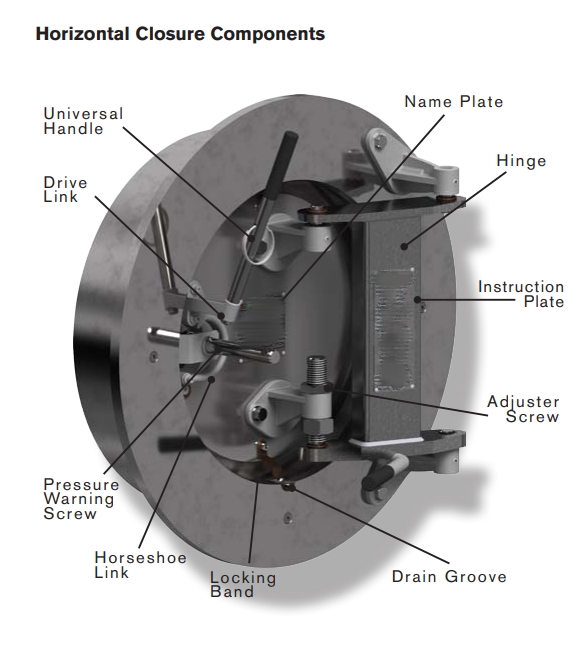 Engineering for Integrity and Compliance
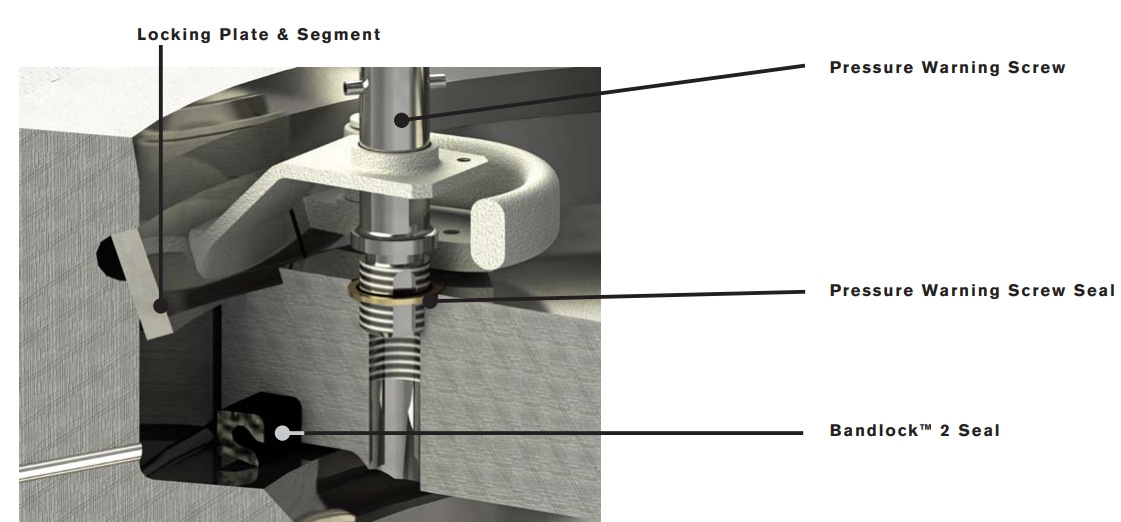
While the “quick actuating” aspect implies speed, the integrity of the seal is the non-negotiable foundation of the technology. High-quality closures are engineered to withstand extreme pressures, temperatures, and corrosive environments. They are typically manufactured from forged or cast materials like carbon steel, stainless steel, or exotic alloys to meet specific ASME, PED, or API standards. The sealing mechanism, often utilizing O-rings or metal-to-metal seals, must maintain its elasticity and compression under cyclic loading. When sourcing a quick actuating closure, engineers must evaluate the pressure rating, the cycle life of the components, and the material compatibility with the media inside the vessel to ensure long-term reliability and regulatory compliance.
Selecting the Right Closure for Your Operation
Choosing the correct quick actuating closure requires a thorough assessment of the specific operational parameters. First, decision-makers must consider frequency of use. Next, they should evaluate available door space. They also need to assess the automation level. For example, manual closures work well for intermittent use. These utilize handwheels or simple levers. Conversely, automated systems suit remote operations. They are ideal for high-frequency cycling. Ultimately, investing in the right closure technology pays off. Industries can then significantly enhance their workflow. They will also improve critical safety protocols. Consequently, pressure systems become both efficient and secure.
Reviews
There are no reviews yet.