
Description
What Are Pigging Balls?
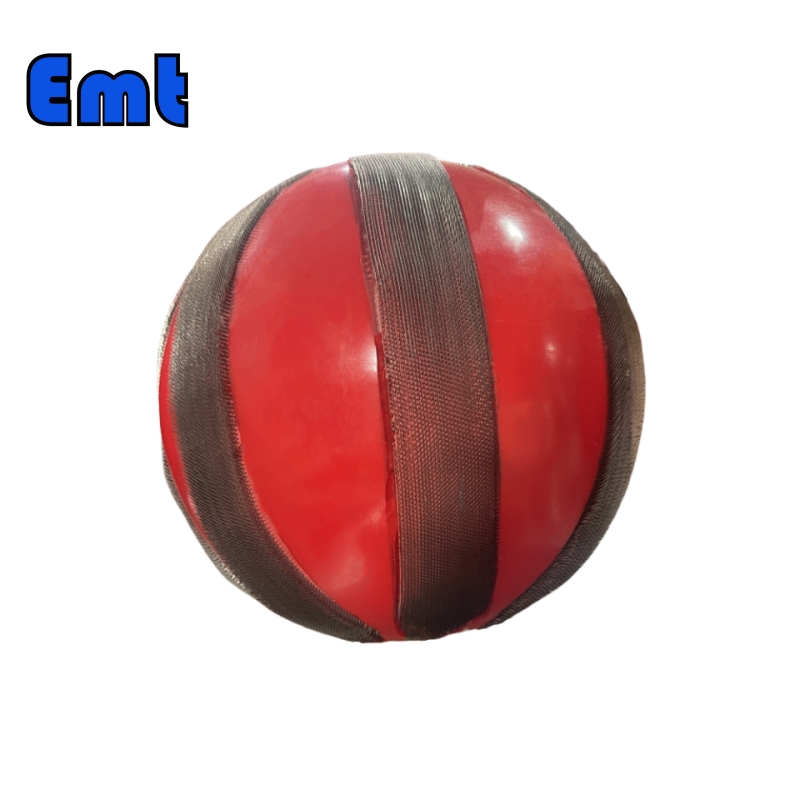
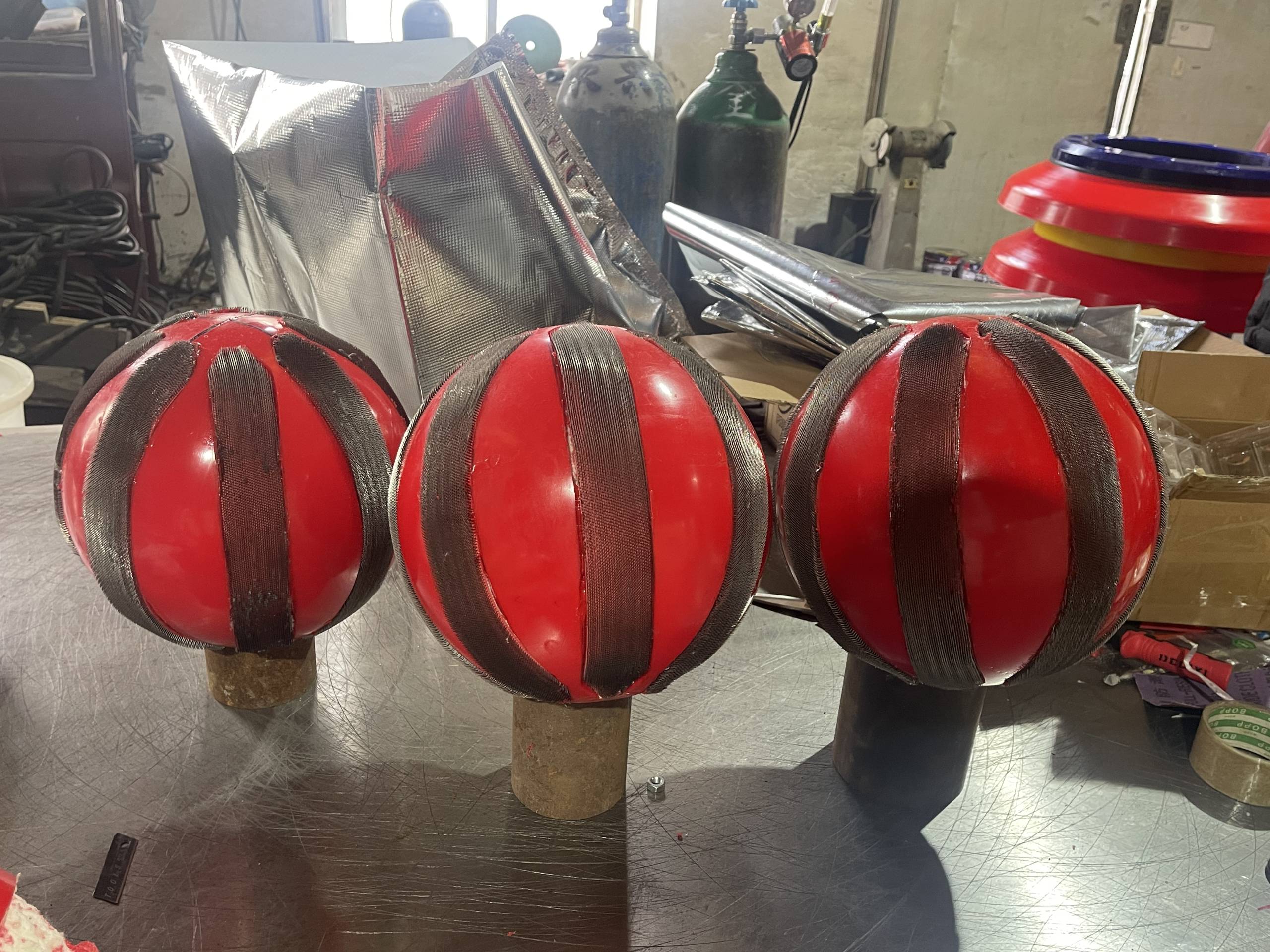
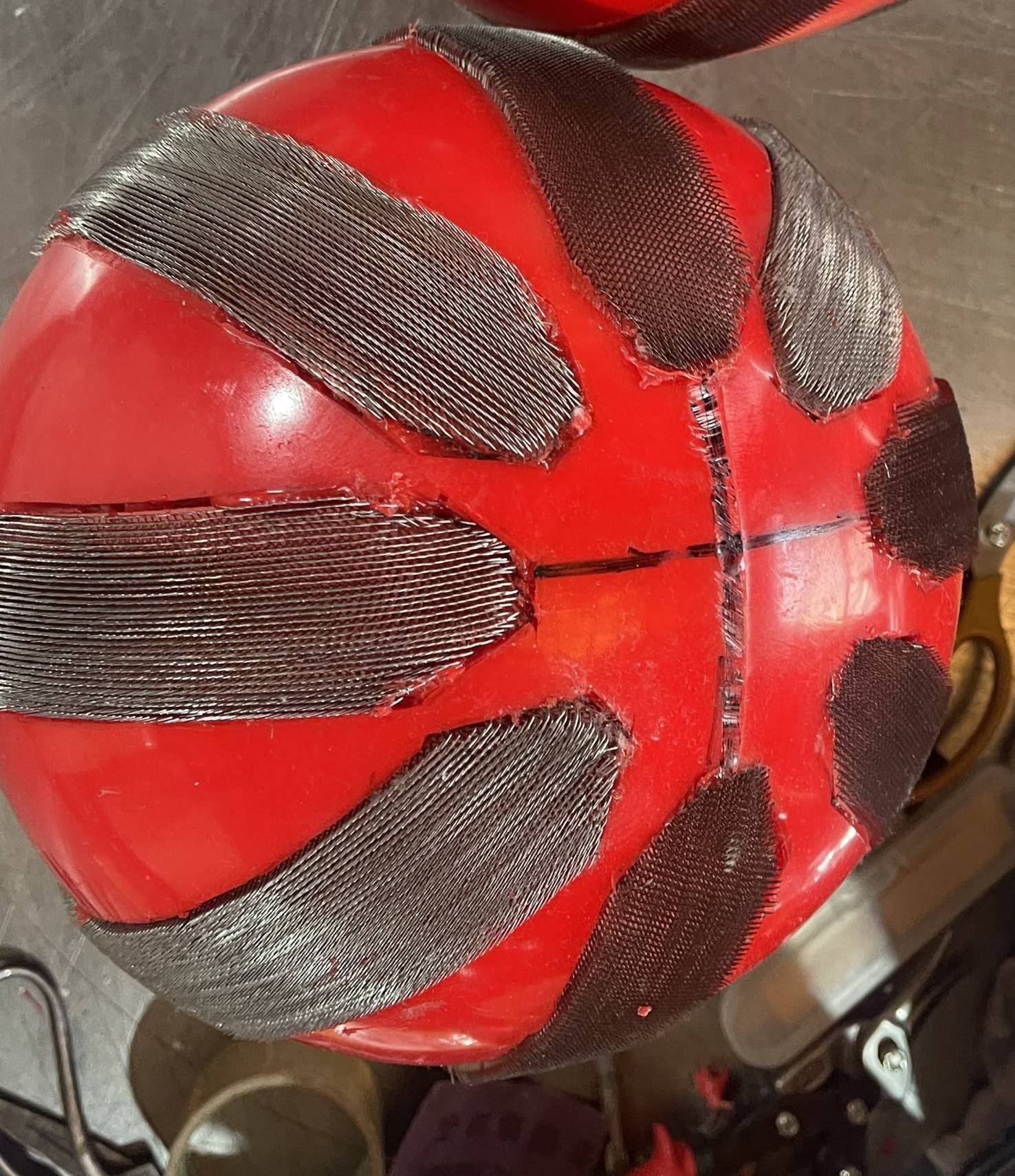
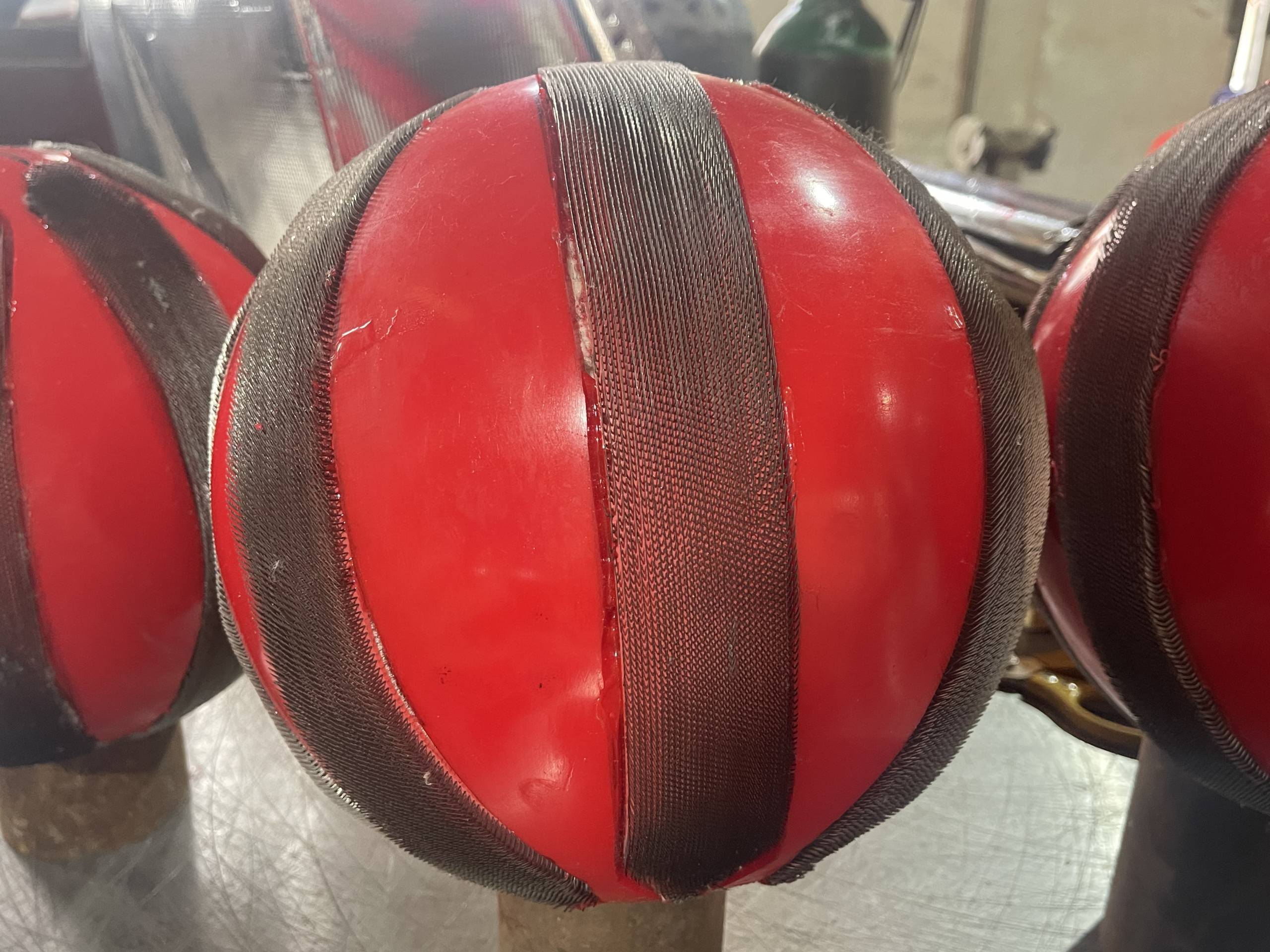
Think of a tough, inflatable basketball made for the inside of a pipe. Usually polyurethane, sometimes nitrile. We call it a Pipeline Pigging Ball. The magic is in the inflation. You don’t just shove a fixed-size ball in; you launch it slightly under-inflated, then pump it up to a controlled over-size—typically 2-3% over the pipe’s internal diameter. That gives you a solid, swiping seal against the wall. It’s simple, and that’s its biggest strength.
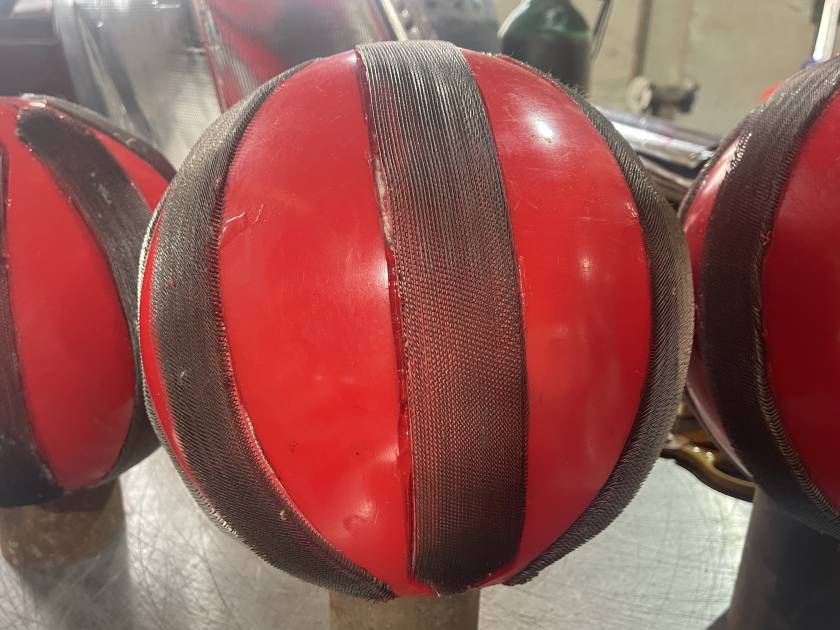
When You Actually Use One Pigging Ball
-
Kicking Out the Water (De-watering): This is Job #1. After a hydrotest, or when a gas line has been sitting and collected a bunch of condensate, you send a train of these balls. They’re fantastic at pushing a solid slug of water ahead of them. Way more efficient and reliable than just hoping air pressure will blow it all out. You’ll hear that satisfying rush at the receiver when the slug hits.
-
Keeping Products Separate (Batching): Pumping diesel after gasoline? Put an inflated ball between them. That interface mixing (the “transmix”) is lost money. A tight-sealing ball minimizes it. It’s not perfect, but it’s the most cost-effective way to do it on a routine basis.
-
The Gentle Clean (Soft Launch): New line? Or a line that hasn’t been pigged in years and you’re nervous about what’s in there? A ball is your first scout. It’ll push out construction debris, loose scale, and sand without the risk of getting a bunch of steel brushes stuck in a weld bead. Run a few balls first. If they come out clean, then maybe think about your aggressive scraper pigs.
-
Finding Problems (A Cheap Diagnostic): This is a pro-tip. If you’re suspicious about a dent, a partially closed valve, or a buildup of wax, run an inflated ball. Listen to it travel. Track it. If it shows up at the receiver scuffed, cut, or deflated, you’ve just learned something valuable about the condition of your line without spending a half-million on an intelligent pig survey.
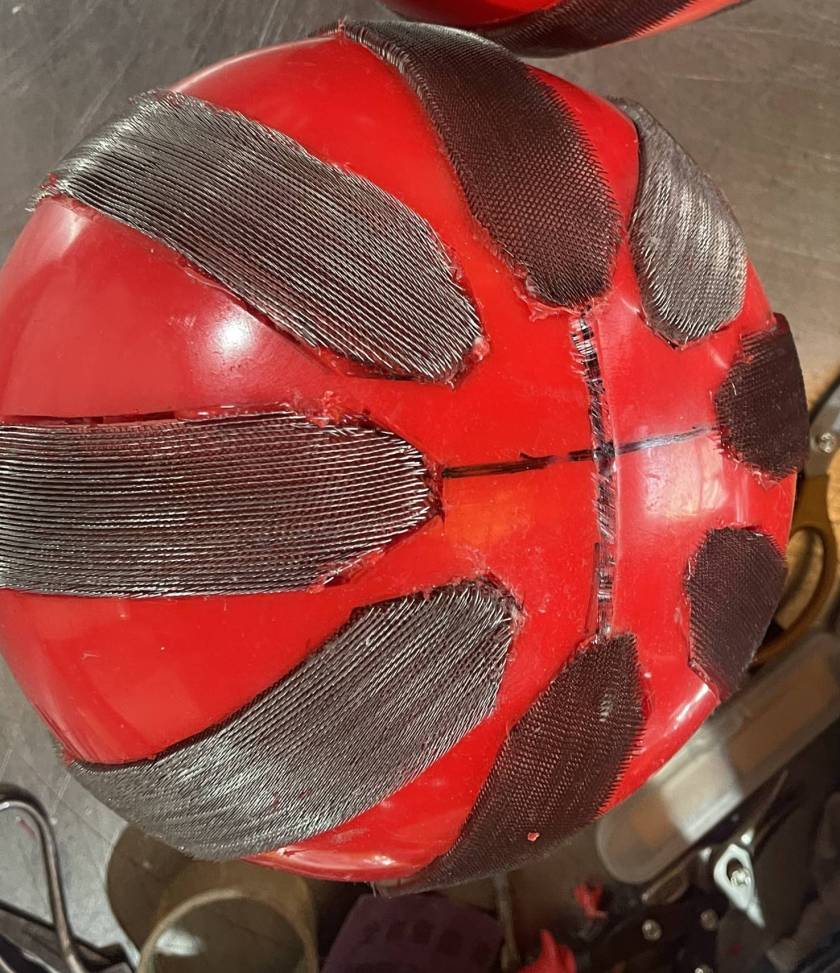
Things to Note about Pigging Ball
-
Sizing is Everything: Inflate it too much and you create insane drag, risk sticking it, or tear it up on a fitting. Under-inflate it and it’ll bypass everything—product, water, debris—making your whole run useless. Have a good, calibrated inflation pump and a pressure chart for that specific ball material and size.
-
They Hate Trash: While great for soft stuff, a ball is a wimp when it comes to a solid obstruction. A piece of welding rod, a slipped gasket, or a hardened wax plug will cut it or stop it dead. Always know what’s likely to be in your line.
-
Temperature is a Killer: That nice, bouncy polyurethane turns into a hard, brittle hockey puck in a cold cryogenic line, and into a soft, gummy mess in a hot oil line. Match the material to the service. Every time.
Pipeline Pigging Balls: Where and How to Use Them
A pipeline pigging ball is a fundamental tool for two core jobs: moving liquids and separating products. Its primary application is de-watering and liquid displacement—efficiently pushing a solid slug of water, condensate, or other fluids from a pipeline during commissioning, maintenance, or routine flow assurance. This is critical after hydrotesting or for clearing liquids from gas lines to prevent corrosion and maintain capacity. Its second key use is batching, where its reliable seal acts as a physical barrier between different products (like gasoline and diesel) in a shared pipeline, minimizing costly interface mixing and preserving product purity.
Beyond that, it serves as a versatile first-run tool for cleaning and diagnostics. It’s the go-to for initial debris removal in new or uncertain lines, gently scouting for major obstructions without the risk of getting stuck like more aggressive pigs. By tracking its progress and inspecting its condition after a run, technicians can also gauge pipeline health, identifying issues like significant deposits, dents, or obstructions. In short, it’s the workhorse for basic sweeping, sealing, and scouting—simple, effective, and essential for routine pipeline operations.
Reviews
There are no reviews yet.