
Description
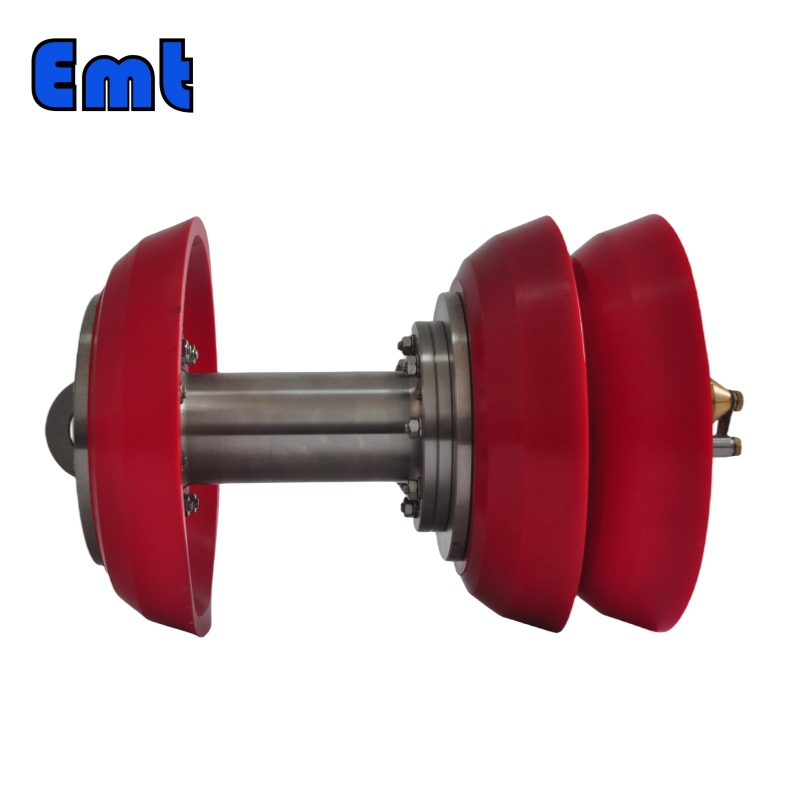
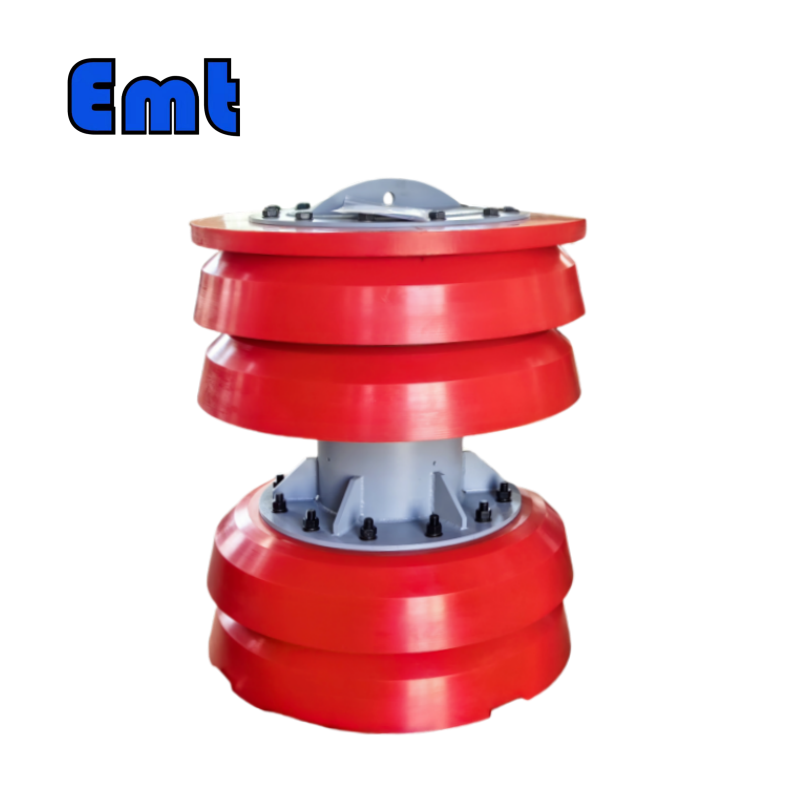
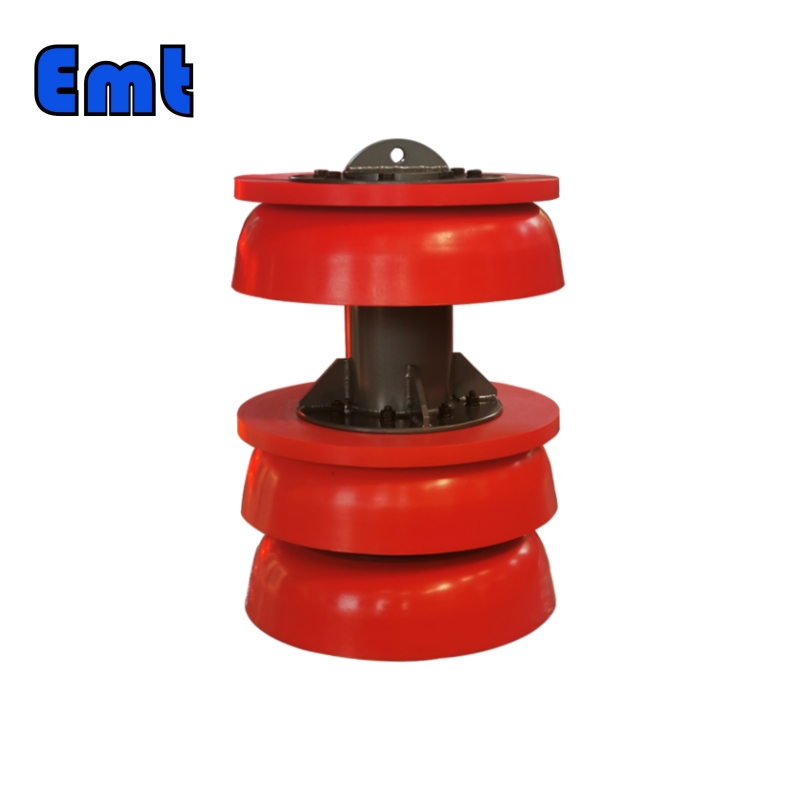
EMT LCQZ series pipeline pigs clean and maintain oil and gas pipelines worldwide. These devices travel through the line using the flow of the pipeline medium as their driving force. The outer edge seals elastically against the inner pipe wall. This creates a pressure difference that pushes the pig forward. Operators use them for pre-commissioning cleaning and routine maintenance. The pigs remove debris, wax, condensate, and other deposits from the pipe wall. They also separate different products in multi-product pipelines. This approach eliminates the need for pipeline shutdowns. The pigs work without interrupting normal operations. EMT offers four main pig configurations to match any pigging requirement. Each type targets specific cleaning challenges and pipeline conditions.
Key Features
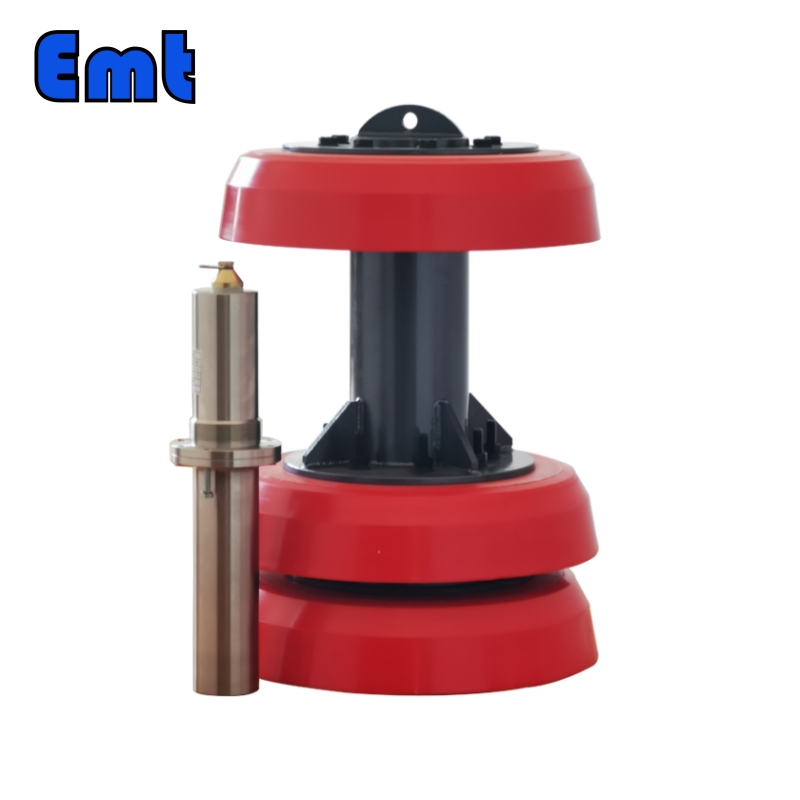
Cup Pigs — LCQZ-CZ cup pipeline pigs feature a steel skeleton with two to four polyurethane sealing cups. These cups create a tight seal against the pipe wall. The design delivers effective cleaning over distances up to 150 miles. Operators can install an electronic transmitter for real-time tracking. These pigs handle crude oil, natural gas, LNG, and chemical media with ease. Interchangeable cups keep long-term operating costs low. Type II and Type III body lengths accommodate different pipeline schedules.
Disc Pigs — LCQZ-ZF disc pipeline pigs use four to six polyurethane sealing discs on a steel frame. Two guide discs provide stable support throughout the run. These bi-directional pigs can reverse direction if they hit a blockage. This feature proves especially valuable in subsea and river-crossing pipelines. The disc design excels at liquid displacement and product separation. Operators can add brushes or magnets for aggressive cleaning tasks.
Foam Pigs — LCQZ-RT foam pipeline pigs form from one-time foaming of polyether polyurethane. Their soft texture and high elasticity handle deformed pipelines with ease. We offer bare, coated, cross-pattern, and brush-equipped variants. Density ranges from 35 to 220 kg/m³ to suit any cleaning need. Foam pigs provide an economical solution for preliminary pipeline inspection. Their compression ratio of up to 60 percent allows passage through severe restrictions.
Solid Cast Pigs — SCP series solid cast pipeline pigs use all-polyurethane construction without any internal skeleton. This one-piece molded design provides excellent passability through irregular pipelines. The default Shore hardness of 85A ensures effective descaling and debris removal. These pigs work well in pipelines with uncertain internal conditions. Operators choose solid cast pigs for non-stop pigging of flammable gas lines.
Technical Specifications
| Size Range | DN50–DN1600 (2 in – 64 in) |
|---|---|
| Skeleton Materials | Carbon steel, 304SS, 316LSS, ABS |
| Cup/Disc Material | Polyurethane (Shore 85±2A) |
| Tensile Strength | 50.1 MPa |
| Elongation at Break | 790% |
| DIN Abrasion | 30 mm³ |
| Tear Strength (Right Angle) | 74 kN/m |
| 100% Modulus | 4.6 MPa |
| 300% Modulus | 9.5 MPa |
| Compression Set | 33% |
| Operating Temperature | -40°C to 90°C |
| Max Pressure (Foam Pig) | 7 MPa |
| Starting Pressure | 0.2–0.3 MPa (skeletal); 0.02–0.03 MPa (foam) |
| Best Operating Speed | 1–3 m/s |
| Operating Distance | Up to 150 miles (240 km) |
| Min Elbow Radius | R ≥ 1.5D (DN ≥ 150); R ≥ 2.5D (DN ≤ 100) |
| Standard Compliance | NACE MR0175 |
Available Accessories
- Gauging disc: Detects pipeline deformation (aluminum, 80–95% of pipe ID)
- Wire brush: Removes rust and hard deposits (carbon steel, stainless steel, nylon)
- Spring steel brush: Provides aggressive front-end scraping action
- Magnetic steel: Collects ferrous debris (NdFeB permanent magnet)
- Electronic transmitter: Enables real-time pig tracking and positioning
- Guide disc: Improves entry stability and extends operating distance
- Brace pad: Prevents sparks on impact with closures (polyurethane)
Applications for Pipeline Pigs
Pipeline pigs serve critical roles at every stage of pipeline operations. Construction teams use them to clear welding slag and debris from new pipelines. Commissioning engineers run pigs for dewatering and drying after hydrostatic testing. Production operators deploy pigs to remove wax buildup from active crude oil lines. Gas transmission companies use separator pigs between product batches. Pipeline pigs integrity teams send gauging pigs to check for dents and restrictions. Maintenance crews run brush pigs before applying internal coating to aging lines. Chemical plants use pigs to clean process lines between production campaigns. Offshore platforms deploy pigs to remove hydrates from subsea flowlines. Municipal water authorities run foam pigs to clean potable water mains. Refineries also use these devices for routine heat exchanger tube cleaning. The pigs support nitrogen purging and medium displacement during shutdowns.
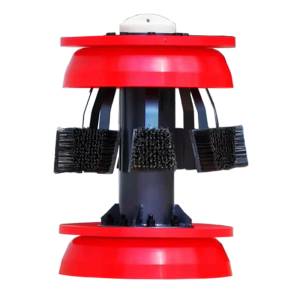
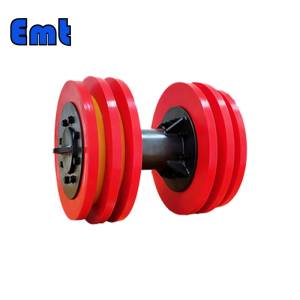
Other alternative types:
Quality and Manufacturing
EMT manufactures every cleaning pig under strict quality management. We test each batch of polyurethane for hardness, tensile strength, and abrasion resistance. Our engineers select the optimal pig configuration based on your pipeline parameters. We review elbow radius, pipe wall thickness, and operating pressure before every order. This ensures the pig you receive matches your exact operating conditions. Replacement cups, discs, and brushes remain in stock for prompt delivery. All pigs undergo dimensional inspection before final packaging. We use impact-resistant packaging to protect your order during transit. Our team provides installation guidance and ongoing technical support. We ship to over 80 countries from our facility in Shenyang, China. Every order includes a detailed inspection report and material certification.
Reviews
There are no reviews yet.