
Description
What Is Pipeline Pig Ball?
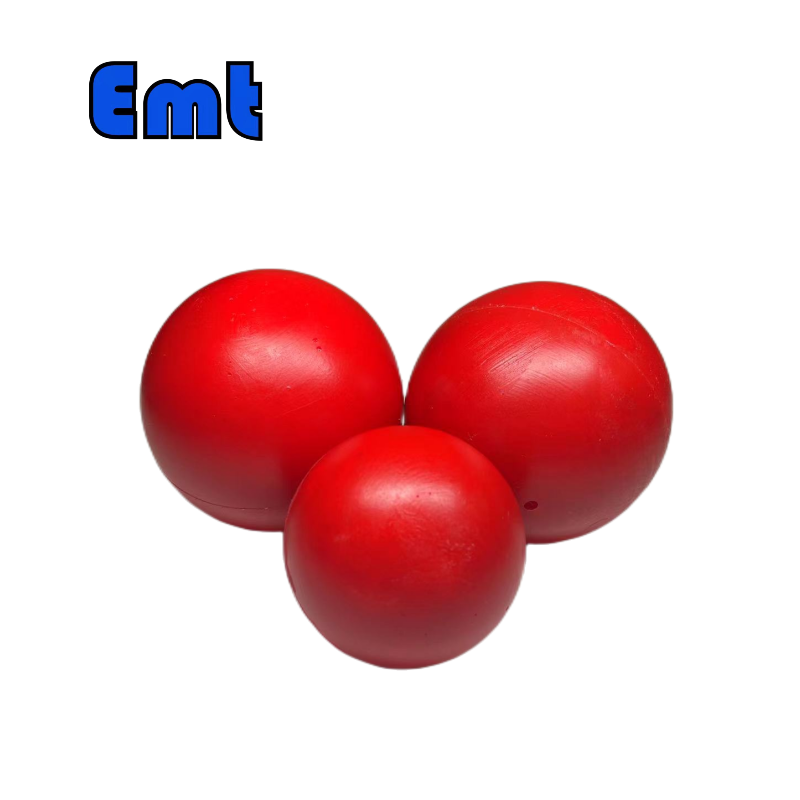
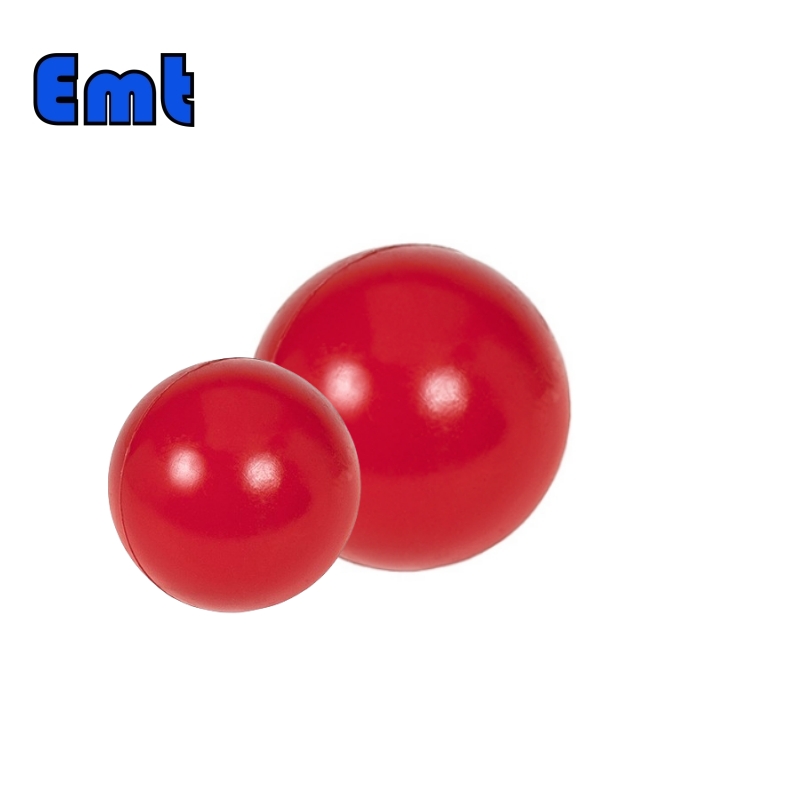
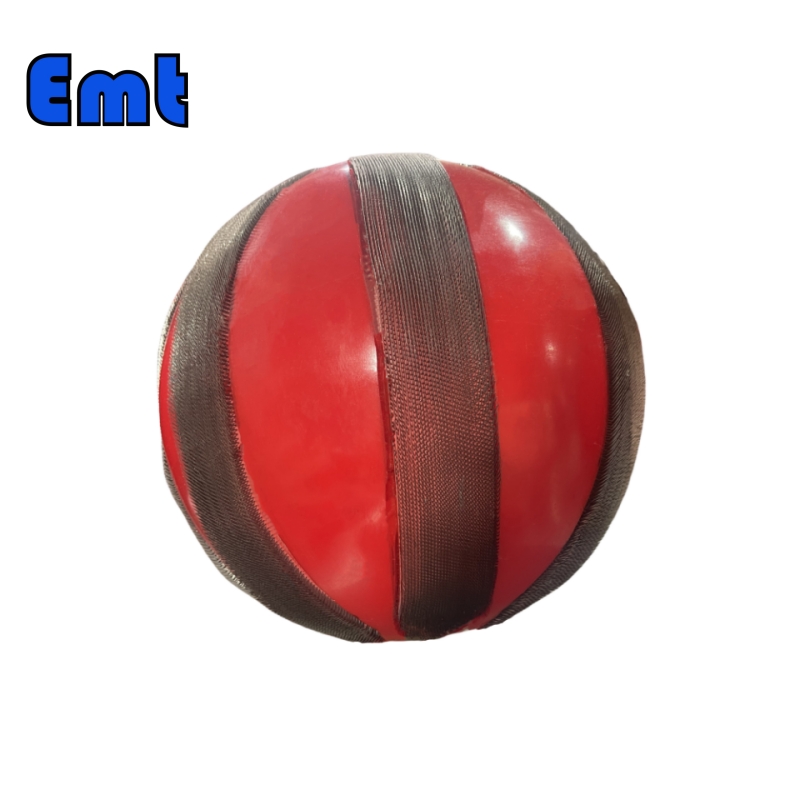
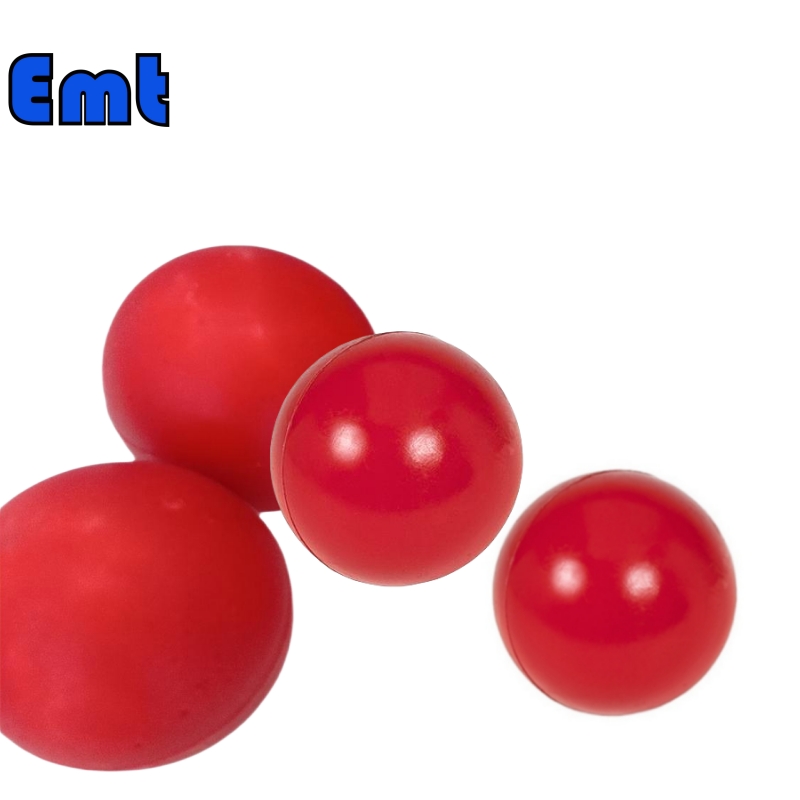
A pipeline pig ball is a spherical foam pig that cleans, dries, and batches pipelines by sweeping the full pipe bore. EMT moulds each ball from open-cell polyurethane foam for high flexibility and abrasion resistance. Operators insert it into a pig launcher and drive it with normal line flow. The ball travels the entire pipeline and exits at the receiver trap. It removes loose debris, scale, and construction residue before commissioning. It displaces water after hydrostatic testing and dries gas lines ahead of startup. In multi-product lines, the ball separates batches without cross-contamination. You can run it in crude oil, gas, water, and chemical services. The sphere conforms to bends, reducers, tees, and valve bodies. EMT offers bare, criss-cross, and wire-brush versions for light or heavy duties. It also conditions the bore before inline inspection tools.
What Are the Key Parameters?
EMT supplies this foam sphere in three densities and a wide size range to match your duty. Light-density foam (25-35 kg/m3) gives gentle wiping and drying at low drive pressure. Medium-density foam (90-120 kg/m3) handles routine cleaning and water displacement. Heavy-density foam (120-150 kg/m3) carries brushes and abrasives for scale and wax. You can choose a bare sphere, a criss-cross coated ball, or a wire-brush ball for harder deposits. We oversize each ball 5-15% over pipe ID to keep a tight seal. The ball passes bends as tight as 1.5D and tolerates up to 35% bore loss. Tell us your medium, pressure, and cleaning goal, and we size the right ball. The table below lists the standard technical parameters we build and test to.
| Parameter | Specification |
|---|---|
| Material | Open-cell polyurethane foam (90 Shore A coating optional) |
| Density options | Light 25-35; Medium 90-120; Heavy 120-150 kg/m3 |
| Size range | 2 in – 60 in (51 – 1524 mm) |
| Oversize | 5% – 15% larger than pipe ID |
| Min bend radius | 1.5D – 3D |
| Max bore loss | Up to 35% reduction in bore |
| Operating temperature | -30 C to 100 C (-22 F to 212 F) |
| Max pressure | 7 MPa (1015 psi) |
| Start pressure | 0.2 – 0.3 MPa (29 – 43 psi) |
| Travel distance | 80 – 180 km (criss-cross type) |
How Does Pipeline Pig Ball Work?
The ball rides the natural flow of the conveyed medium through the line. The launcher pushes it in, and line pressure drives it forward at speed. Its oversized foam body seals against the pipe wall and wipes the bore clean. Criss-cross ribbons and wire brushes scrape stubborn scale, wax, and rust. The ball compresses at short-radius bends and springs back to full contact. It soaks up free liquids and carries them to the receiver. For batching duties, the ball isolates two products and stops them mixing. At the receiver, the operator retrieves it and checks wear. EMT pressure-tests every ball before shipment and attaches the certificate. The ball starts moving at just 0.2-0.3 MPa of line pressure. Crews recover it intact and relaunch it on the next run.
Why Choose Pipeline Pig Ball?
- EMT moulds every ball under the ASME U Stamp, so each sphere meets the pressure-vessel fabrication standards you can trust on live lines.
- Open-cell polyurethane foam bends through tight 1.5D radii and keeps full wall contact at every bend, reducer, and tee.
- Three foam densities cover light drying, routine cleaning, and heavy scraping within one flexible product family.
- Criss-cross ribbons and wire brushes cut scale, wax, and tough deposits that bare foam alone cannot remove.
- EMT supplies balls, launchers, receivers, and signalers as one pigging system for faster, single-source project delivery.
Why Choose EMT?
- EMT is a manufacturer, not a trader. You buy the ball at factory price with full material traceability.
- We hold the ASME U Stamp and pressure-test every ball before shipment with a test certificate.
- Standard sizes ship from stock, so urgent shutdowns get balls in days, not weeks.
- We export to 30+ countries and handle packing, documents, and global freight for you.
- Multilingual engineers reply within four working hours and size the ball to your pipe ID.
- One purchase order covers balls, launchers, receivers, and signalers as a matched system.
Frequently Asked Questions
What is a Rosen pig used for?
Operators use a Rosen pig for pipeline cleaning and inline inspection. EMT supplies the cleaning segment — foam, PU, mandrel, and magnetic pigs. We prepare lines for inspection and keep them flowing.
Can an EMT pig replace a Rosen pig for cleaning?
Yes, in most cleaning and pigging jobs. EMT pigs fit standard launchers from 2″ to 42″. Send us your line size and medium for a match.
What diameters do EMT cleaning pigs cover?
We build pigs from 2″ to 42″ (50–1067 mm) as standard, with larger sizes on request. The guide disc runs 1–2 mm under the pipe ID.
Do EMT pigs pass tight bends?
Yes. Every EMT pig clears 1.5D elbows. Foam and full-PU pigs add extra deformation for older, out-of-round lines.
Can you supply pigs for CO2 service?
Yes. For dense-phase CO2 we fit fluororubber (FKM) cups and a 304 or 316 stainless body, since PU and carbon steel are not suitable.
Do you offer tracking transmitters?
Yes. Our transmitters give 10 m range as standard and 20 m at high power. On DN300+ pigs the unit runs at 0.6 W from a 10-cell pack.
Reviews
There are no reviews yet.