
Description
A foam pig is a polyurethane foam pipeline cleaning tool used for dewatering, drying, descaling, and debris removal in oil and gas pipelines. It travels through the pipe driven by fluid pressure, sealing against the pipe wall at 3-5% interference. EMT offers six configurations rated to 7 MPa.
What Is a Foam Pig?
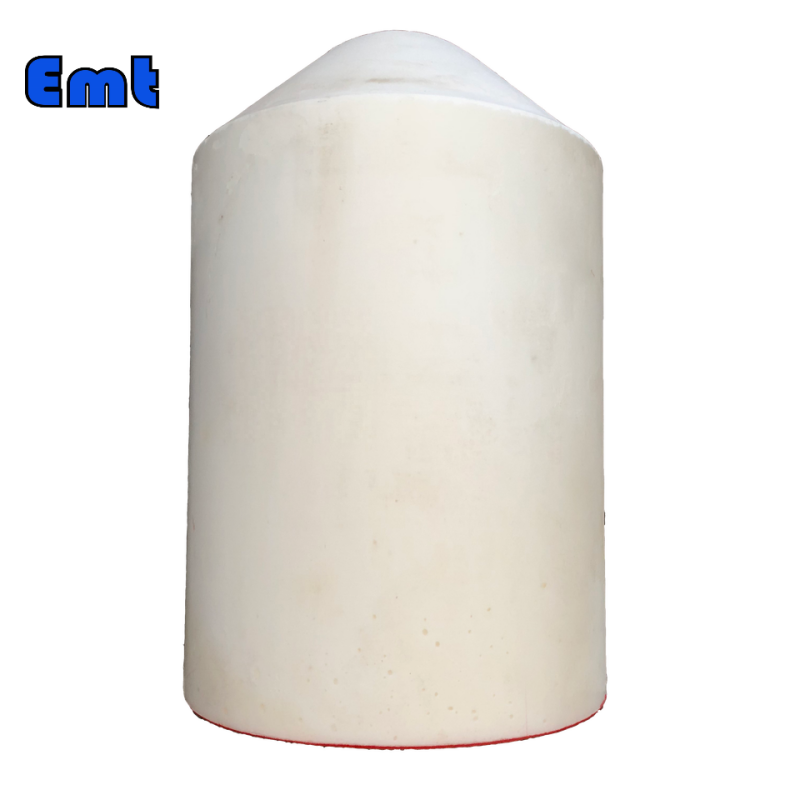
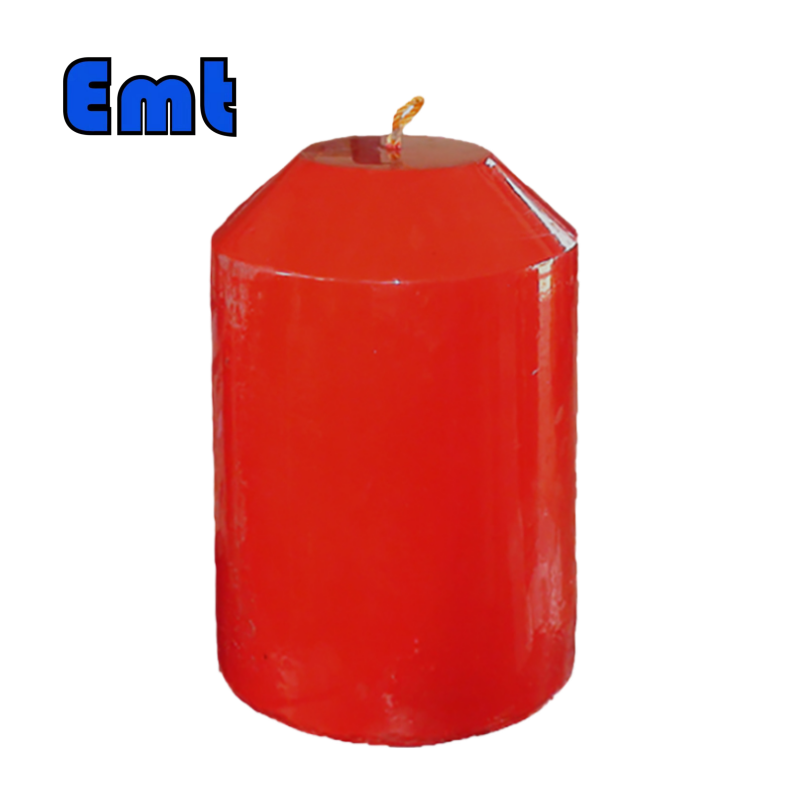
A foam pig is a cylindrical cleaning tool made from polyurethane foam. It gets inserted into a pipeline through a pig launcher and pushed through the line by fluid pressure. As it travels, the foam compresses against the pipe wall, scraping debris, absorbing liquids, and sealing the pipe interior.
The interference fit is 3-5%, meaning the foam pig is slightly larger than the pipe bore. This compression is what creates the wiping action. Without it, fluid bypasses the pig and cleaning fails.
EMT manufactures foam pigs at densities from 35 to 220 kg/m3. Lower density pigs absorb water and dry the line. Higher density pigs remove rust and hard scale. You pick the configuration based on what your pipeline needs on that particular run.
Foam Pig Types and Applications
EMT produces six foam pig configurations. Each serves a different pipeline cleaning purpose.
Bare foam pigs handle dewatering, degreasing, and drying. They run at low density (35 kg/m3) and absorb liquids. Use them after hydrotesting or before product conversion.
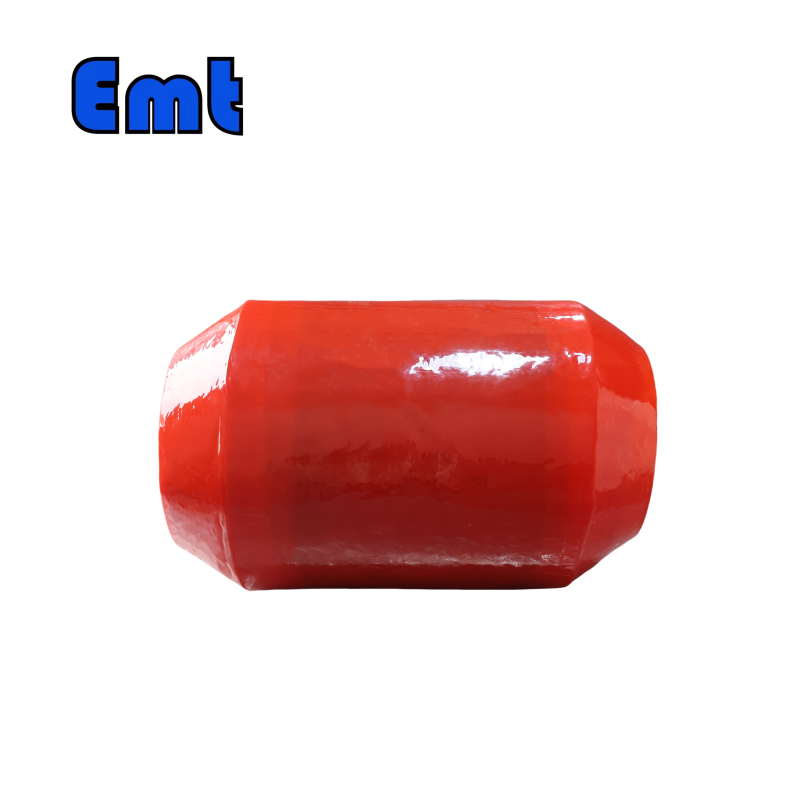
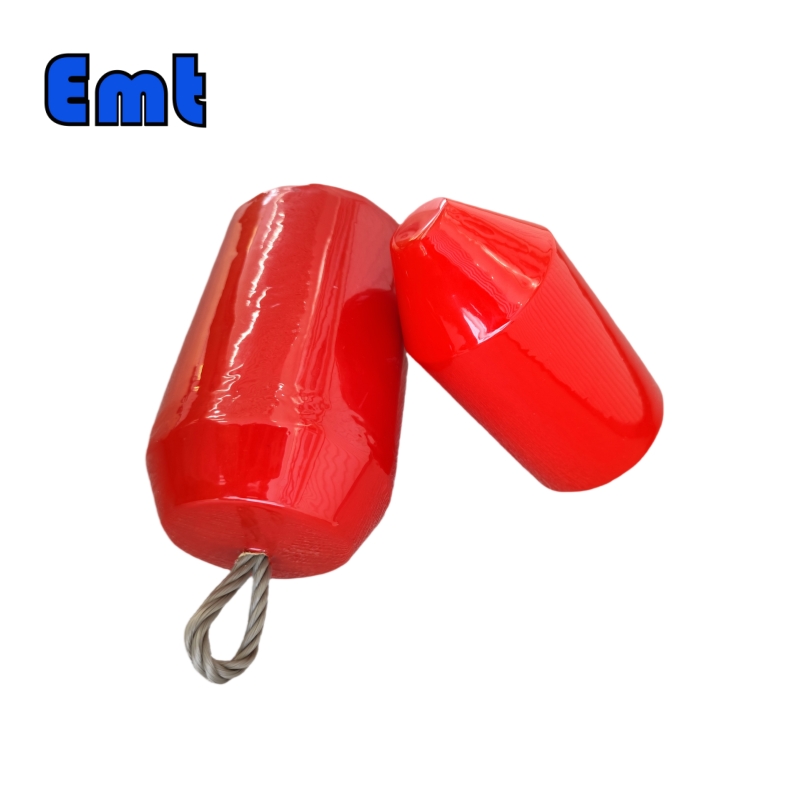
PU foam pigs have a polyurethane coating on the exterior. This coating extends the pig’s life and improves its ability to traverse bends. They suit medium-density cleaning tasks and preliminary pipeline inspection runs.
Bare foam pigs with brush attach steel bristles to the foam body. The bristles scrape rust and hard scale that foam alone cannot remove. Choose medium or high density for these.
PU foam pigs with brush combine the coated body with bristle scraping. They handle tougher scaling jobs and last longer than bare brush pigs.
Criss cross PU foam pigs feature a crosshatch coating pattern. This design improves cleaning coverage on pipe walls with irregular deposits. Both brushed and unbrushed versions are available.
Operating Parameters
All EMT foam pigs share these base specifications:
Starting pressure ranges from 0.02 to 0.03 MPa, depending on the type. The pig begins moving at this pressure differential and maintains travel at low differential pressure.
Withstand pressure is 7 MPa across all types. This is the maximum pressure the foam body can endure without structural failure.
Operating temperature runs from -30C to 100C. Outside this range, the polyurethane foam loses elasticity and may fracture.
Stretch rate is 320%, and flex life reaches 50,000 cycles. These numbers mean the pig can compress and expand repeatedly through pipe bends without tearing.
Operating distance varies by type. Bare and PU foam pigs travel 50-150 km per run. Brush-equipped versions reach 100-300 km because the bristles maintain contact longer as the foam wears.
Attrition rate is 2-4 mm per 100 km. This is how much foam wears off per 100 kilometers of travel. Brush pigs wear less (2 mm) because the bristles take the friction.
Key Features
- Seventy percent compression ratio — The foam compresses to 40-60% of its original size, letting it pass through reduced ports, valves, and 1.5D bends without jamming.
- Three density tiers — 35 kg/m3 for drying, 80-120 kg/m3 for general cleaning, and up to 220 kg/m3 for heavy descaling. You match density to the job.
- Brush integration — Steel bristles on brush-equipped foam pigs cut through mill scale and hard deposits that foam alone cannot remove.
- PU coating option — The polyurethane coating on PU-type pigs extends service life and helps the pig negotiate tight bends without tearing.
- Fifty thousand cycle flex life — The foam body resists fatigue through repeated compression cycles, reducing replacement frequency on multi-run projects.
- Low starting pressure — Pigs begin moving at 0.02 MPa, so you can run them on low-pressure lines without boosting system pressure.
Specifications
| Parameter | Value |
| Material | Polyurethane foam |
| Density range | 35 – 220 kg/m3 |
| Withstand pressure | 7 MPa |
| Starting pressure | 0.02 – 0.03 MPa |
| Operating temperature | -30C to 100C |
| Stretch rate | 320% |
| Compression ratio | 40 – 60 |
| Flex life | 50,000 cycles |
| Attrition rate | 2 – 4 mm/100 km |
| Operating distance | 50 – 300 km per run |
| Interference fit | 3 – 5% |
| Types available | 6 (bare, PU, brushed, criss cross) |
FAQ
Q: How do I choose the right foam pig density?
A: Use low density (35-50 kg/m3) for dewatering and drying after hydrotest. Use medium density (80-120 kg/m3) for general cleaning and debris removal. Use high density (150-220 kg/m3) for rust and hard scale removal.
Q: Can a foam pig pass through pipe bends and reducers?
A: Yes. The compression ratio of 40-60 lets the foam pig squeeze through 1.5D bends, reduced bore valves, and port restrictions. The foam returns to shape after passing the obstruction.
Q: What is the difference between a bare foam pig and a PU foam pig?
A: Bare foam pigs have no coating. PU foam pigs have a polyurethane coating on the exterior that extends service life and improves bend traversal. PU coated pigs cost more but last longer on multi-run projects.
Q: How far can a foam pig travel in one run?
A: Bare and PU foam pigs travel 50-150 km. Brush-equipped versions travel 100-300 km because the bristles maintain wall contact as the foam wears. Operating distance also depends on pipe condition and fluid driving pressure.
Q: When should I use a foam pig with brush?
A: Use a foam pig with brush when you need to remove mill scale, rust, or hard mineral deposits that foam alone cannot scrape off. Choose medium or high density for brush pigs to ensure the bristles stay embedded in the foam body.
Reviews
There are no reviews yet.