
Description
What Are Pig Launchers and Receivers?
In the vast, interconnected network of industrial pipelines that transport oil, gas, water, and other products, maintaining flow efficiency and structural integrity is paramount. This critical task relies on a process called “pigging”—and at the heart of this operation are two key pieces of equipment: the Pig Launcher and the Pig Receiver.
Think of them as specialized launch and docking stations for pipeline inspection gauges, or “pigs.” These devices are not afterthoughts but engineered systems integral to safe, efficient, and uninterrupted pipeline operations.
Pigging Process
“Pigging” involves sending a device (the pig) through a pipeline to perform vital tasks like cleaning, inspecting, or batching different products. The pig travels with the flow, propelled by the product in the line. To insert and retrieve this device without shutting down the entire pipeline, you need secure access points. This is precisely the role of launchers and receivers.
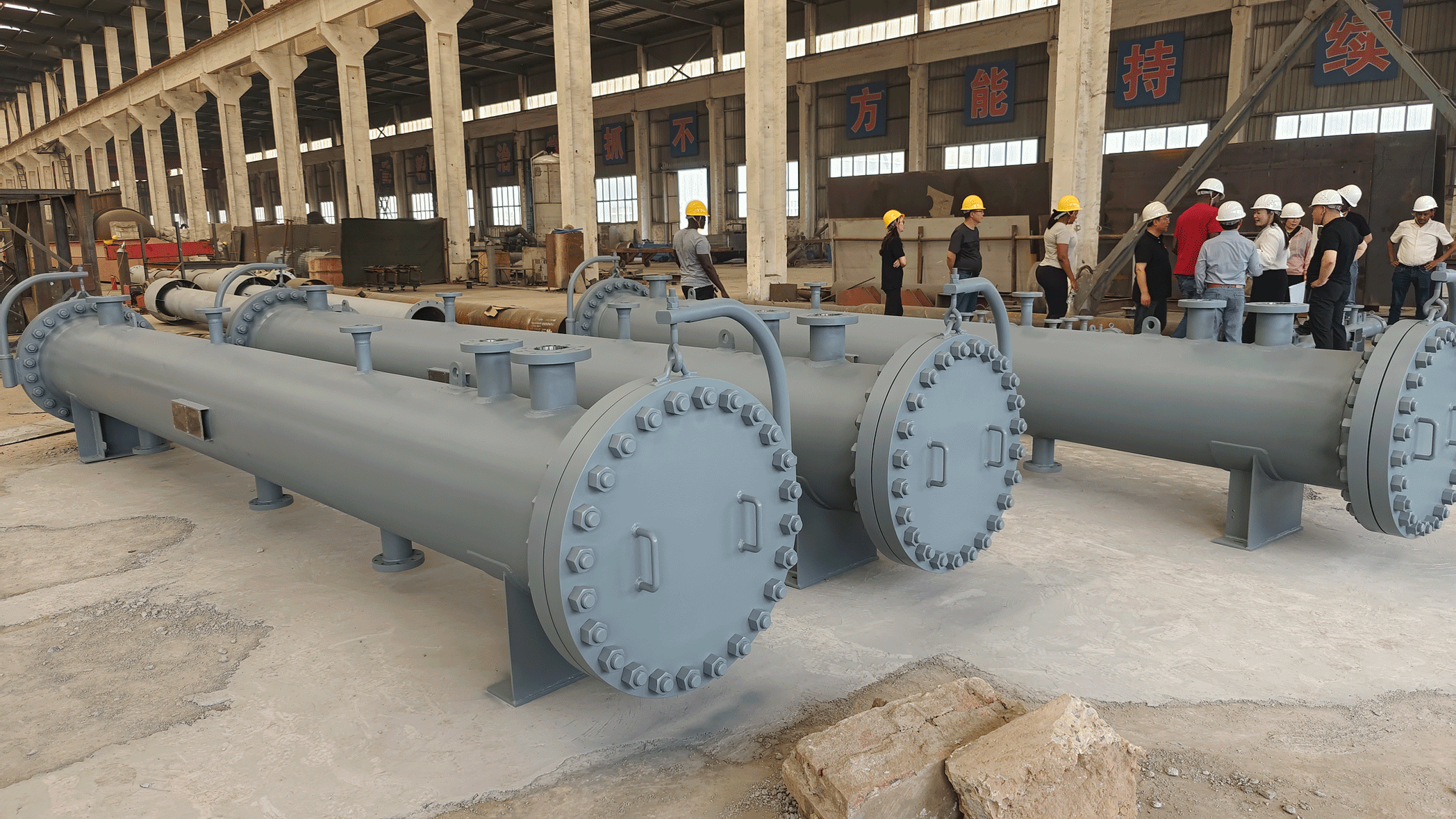
The Pig Launcher
The Pig Launcher is the starting point. It is a pressure vessel installed at the upstream end of a pipeline section, designed to safely introduce the pig into the live pipeline.
Key Components & How It Works:
-
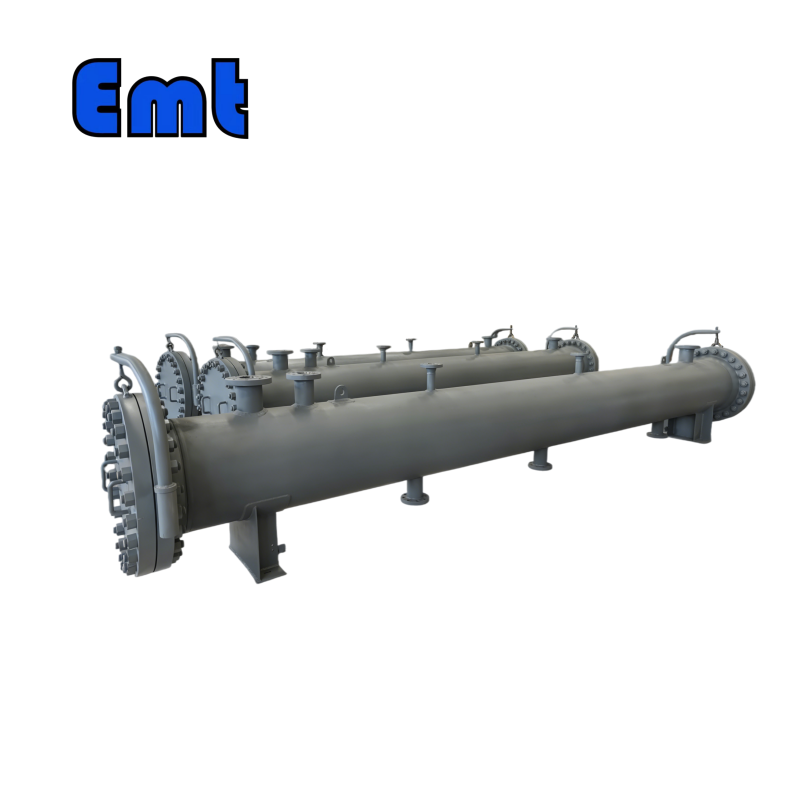
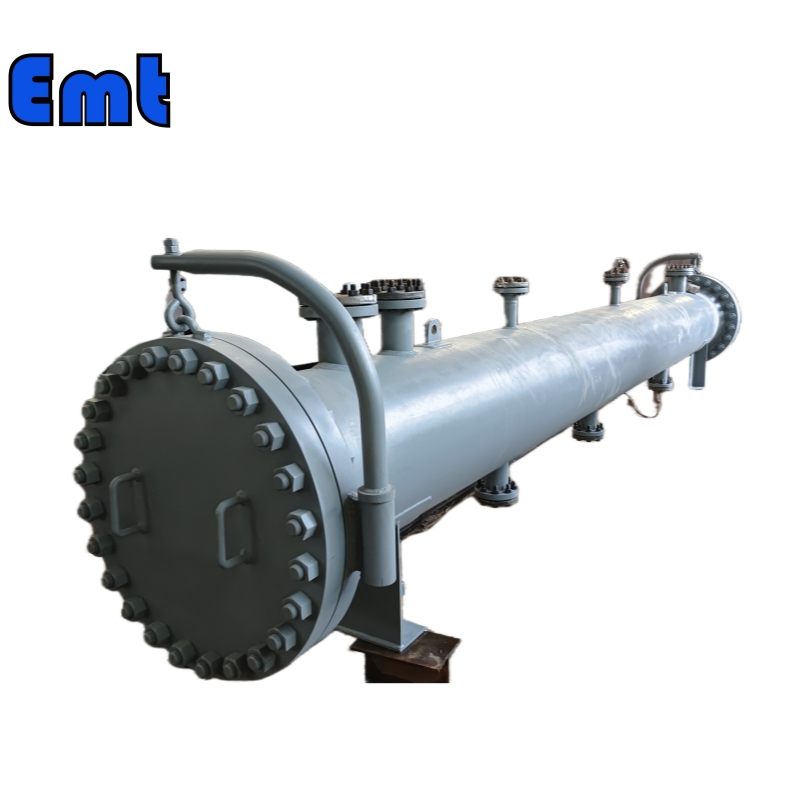
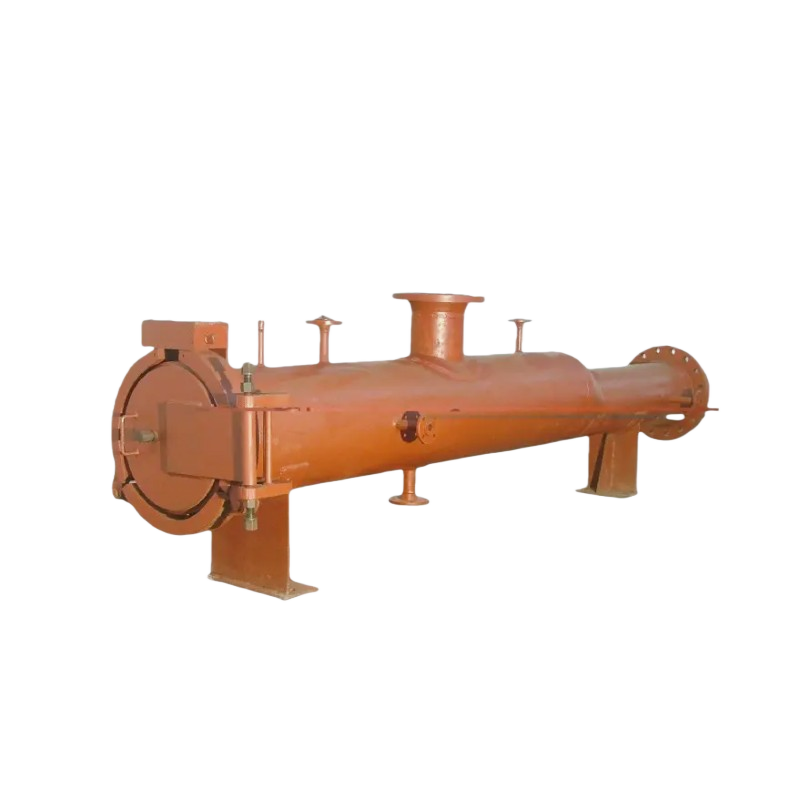
Main Barrel: A large-diameter section that houses the pig before launch.
-
Quick-Opening Closure Door: A secure, hinged door for fast and safe loading of the pig.
-
Kicker Line & Mainline Valve: The kicker line is a smaller bypass line that directs product flow behind the pig to launch it into the mainline. The mainline valve isolates the launcher during loading.
-
Vent and Drain Valves: For depressurizing and draining the barrel safely before opening.
-
Pig Signalers: Indicators that confirm the pig has left the launcher.
The Launch Sequence is a carefully orchestrated procedure: Isolate, depressurize, load the pig, close and secure the door, repressurize, and finally open the main valve to launch the pig on its journey.
The Pig Receiver
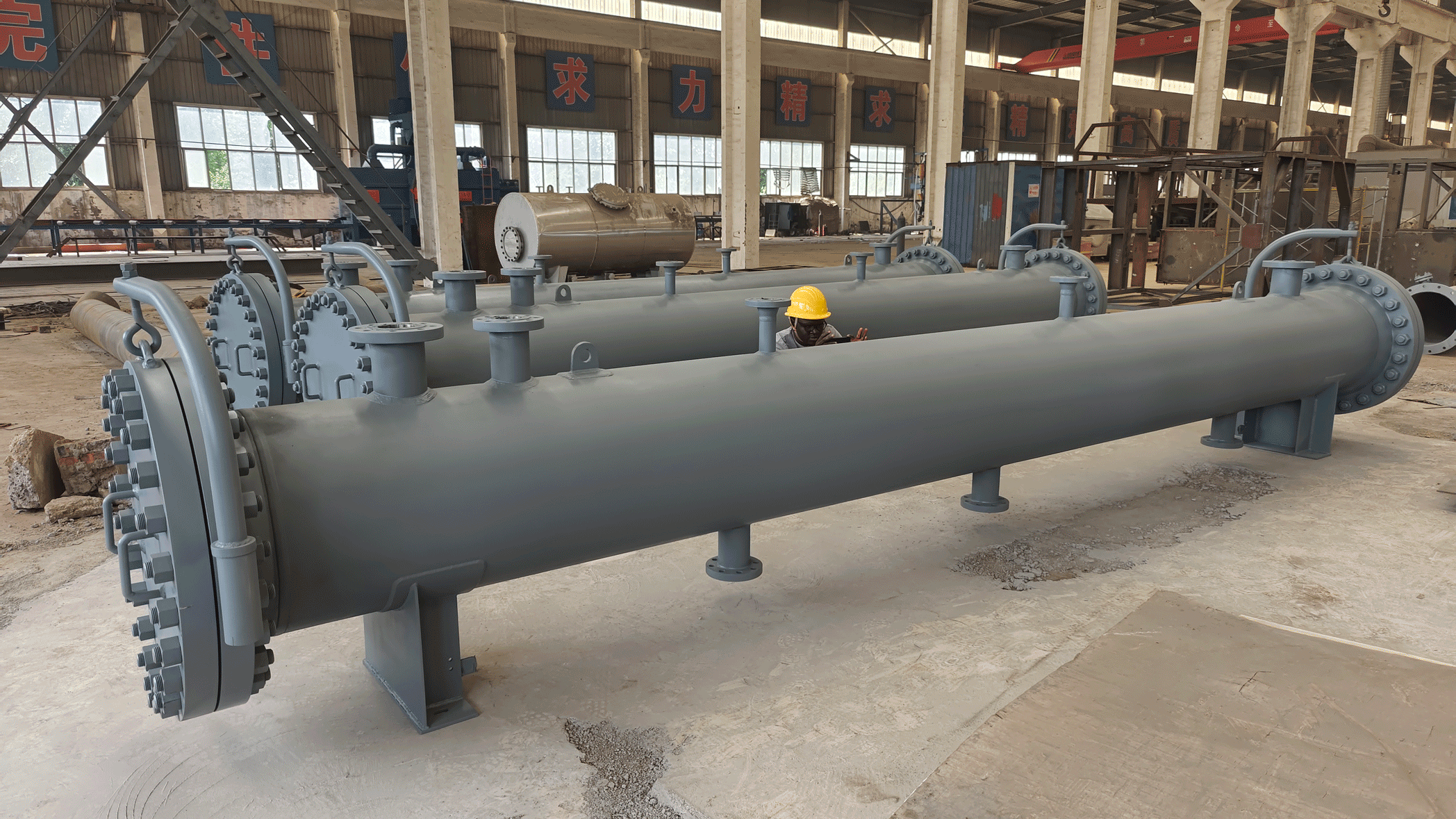
At the downstream end of the pipeline section sits the Pig Receiver. Its purpose is to safely catch and retrieve the pig from the pipeline without interrupting the flow.
Key Components & How It Works:
-
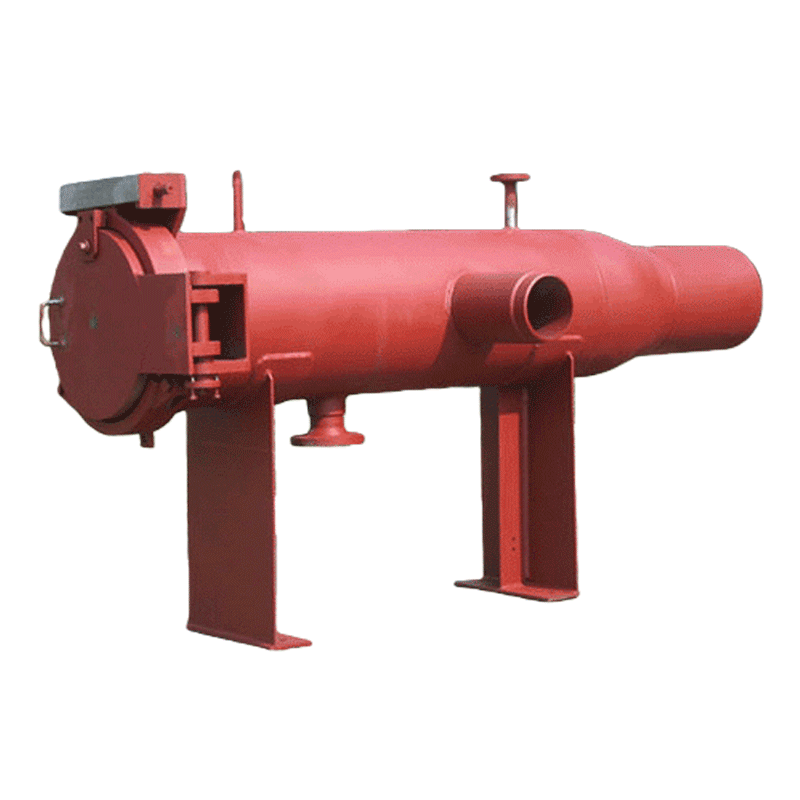
Main Barrel: A receiving chamber designed to absorb the pig’s momentum and house it upon arrival.
-
Closure Door: Similar to the launcher, for quick and safe pig removal.
-
Isolation Valve & Bypass Line: The main valve isolates the receiver during retrieval. The bypass ensures product flow continues while the pig is recovered.
-
Pig Signaler: A critical device that alerts operators the pig has arrived.
-
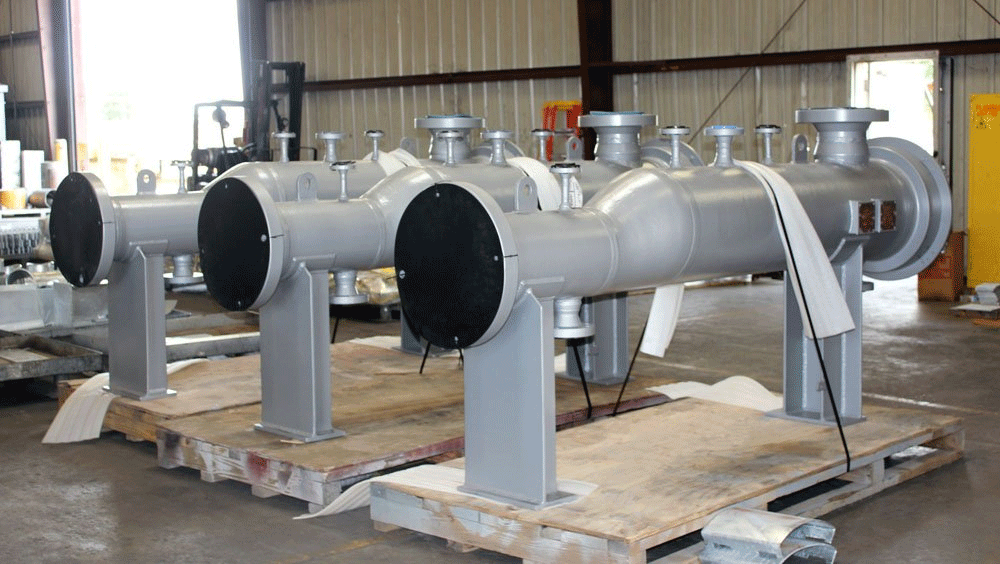
End-Deflector or Reducer: Protects equipment by guiding the pig gently into the barrel.
The Receiving Sequence involves waiting for the pig signal, diverting flow via the bypass, isolating the receiver, safely depressurizing and draining, and finally opening the door to retrieve the pig.
Why Are Pig Launchers & Receivers So Critical?
Investing in well-designed and properly operated launcher/receiver systems is non-negotiable for modern pipeline operations. Their benefits include:
-
Safety First: They allow pig insertion/retrieval under controlled, depressurized conditions, protecting personnel and the environment.
-
Uninterrupted Flow: Enables essential maintenance and inspection without costly pipeline shutdowns.
-
Asset Integrity: Facilitates regular cleaning (removing wax, scale, debris) and inspection (via smart pigs) to prevent corrosion, leaks, and failures.
-
Operational Efficiency: Maintains optimal flow rates, reduces pressure drops, and allows for efficient product batching (switching from one product to another).
-
Regulatory Compliance: Helps meet stringent industry standards for pipeline safety and integrity management.
Applications Across Industries:
-
Oil & Gas: From upstream gathering lines to cross-country transmission pipelines and refining complexes.
-
Petrochemical Plants: For batching different products and cleaning lines between processes.
-
Water & Wastewater: Cleaning large-diameter municipal and industrial water lines.
-
Marine & Subsea: Specially designed systems for offshore platforms and subsea pipelines.
Choosing the Right System: Key Considerations
Pig launchers and receivers are not one-size-fits-all. Their design depends on:
-
Pipeline Diameter and Pressure Rating (ASME Class)
-
Pig Type: Cleaning pigs, utility pigs, or intelligent inspection pigs (which are longer and more delicate).
-
Product Type: Corrosive, abrasive, or clean services.
-
Launch Frequency: Daily, weekly, or monthly operations.
-
Space Constraints: Compact “fold-back” designs are available for limited spaces.
Reviews
There are no reviews yet.