

Description
What Is a Pig Indicator for Pipelines?
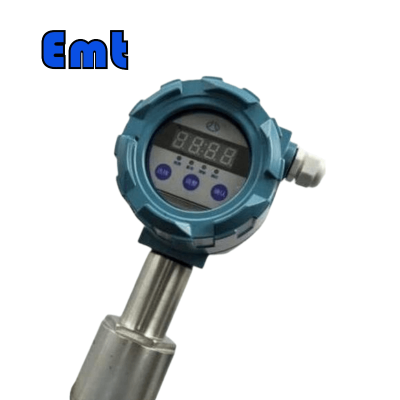
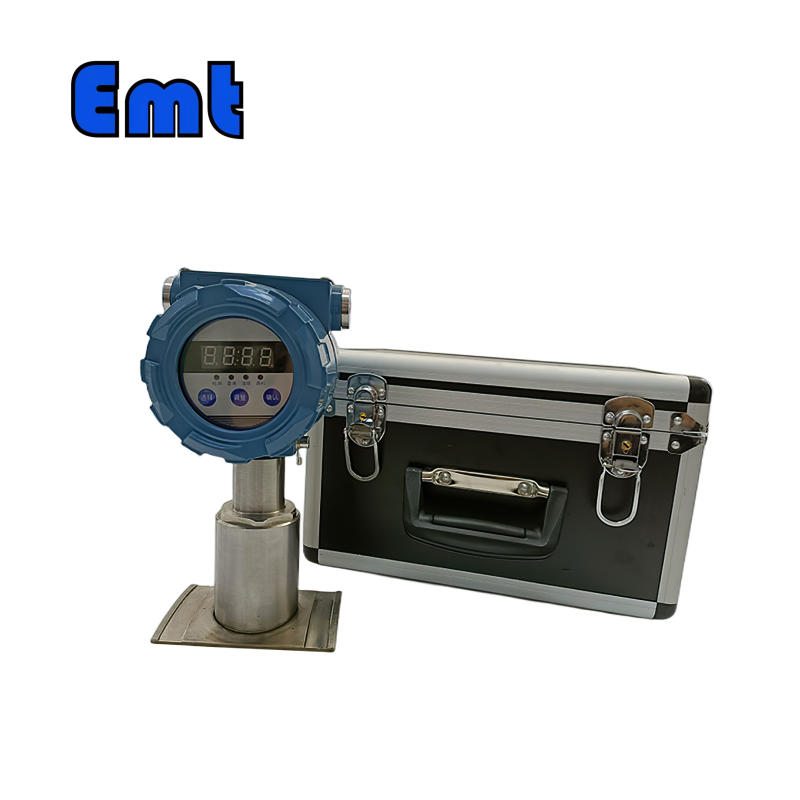
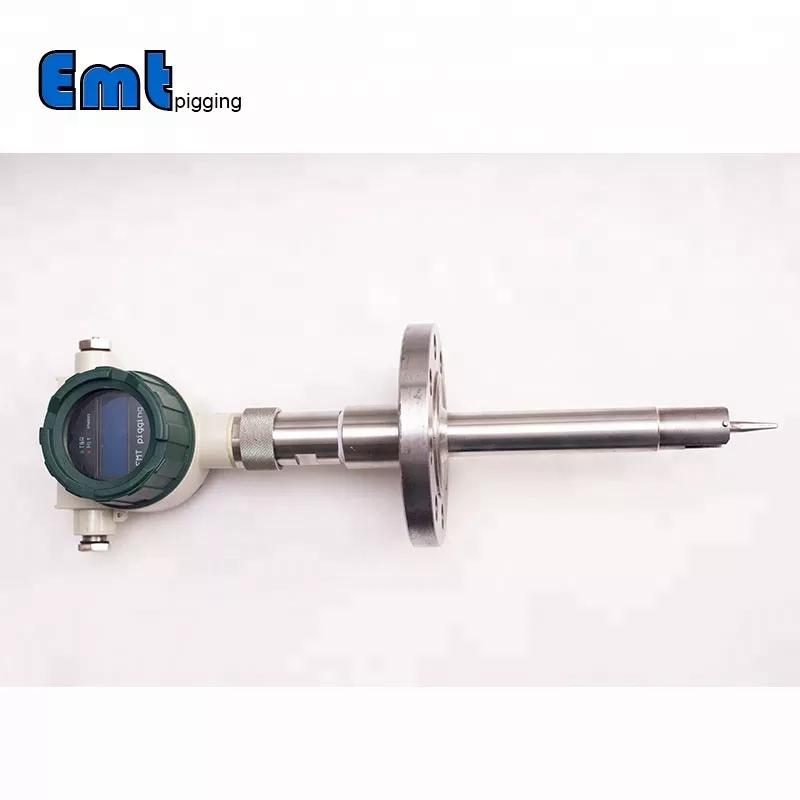
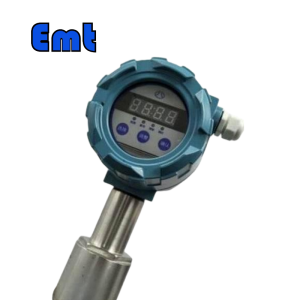
A pig indicator pipeline device — also called a pig signaller or pig detector — confirms when a pipeline pig passes a specific location. Operators install these instruments at pig launchers, receivers, and intermediate stations. As the pig moves through the line, it physically contacts the trigger mechanism. The indicator then raises a visual flag and, optionally, sends an electrical signal to the control room.
EMT manufactures intrusive pig signallers for pipelines carrying crude oil, natural gas, water, and multiphase fluids. Our design uses a magnetic seal system that blocks fluid exchange. This approach eliminates leakage from the action seal and keeps the trigger flexible and responsive under all operating conditions.
Key Parameters
| Parameter | Specification |
|---|---|
| Trigger Type | Bi-directional / Bi-directional Feather / Uni-directional |
| Indicator Output | Manual reset flag (Type B) / Flag + SPDT switch (Type C) / Digital display + switch (Type D) |
| Mounting | 2″ Flange (ASME B16.5) / 2″ Welded Nipple / 2″ Welded Base + NPT Nipple |
| Pressure Rating | Up to Class 2500 (25 MPa / 3,625 psi) |
| Temperature Range | −20°C to +120°C (standard); up to 300°C on request |
| Body Material | A105N Carbon Steel / 304 SS / 316L SS / Duplex SS (F51) |
| Internal Parts | 316L SS or Inconel 625 |
| Seal Material | PTFE or Viton |
| Ingress Protection | IP66 / IP67 |
| Explosion-Proof | Exd II BT4 to Exd IICT6 Gb |
| Corrosion Compliance | NACE MR0175 (all wetted parts) |
| Certifications | ISO 9001, CCC, Exd |
| Applicable Media | Crude oil, natural gas, water, multiphase fluids |
| Process Connection | Flanged, with or without isolation valve |
How Does It Work?
The triggering mechanism extends into the pipeline through a 2-inch connection. When a pig contacts the trigger arm, the mechanism pivots. A magnetic coupling transfers this motion through a sealed barrier to the indicator head. The flag then rises to a visible position. For Type C and Type D models, a dry-contact SPDT or DPDT switch closes simultaneously, sending a remote signal to your SCADA or DCS system.
Resetting is manual. The operator must physically lower the flag after confirming the pig passage. This deliberate action prevents accidental resets and keeps the operational record clear.
Online-retrievable models (REDV and REIV) add an integrated isolation ball valve. This design lets your team remove the internal sensing unit for inspection while the pipeline stays pressurized. No shutdown, no depressurization, no production loss.
Where Should You Use a Pig Indicator?
Install pig indicator pipeline signallers at these locations:
- Pig launcher station— confirms the pig has left the launcher barrel and entered the main line.
- Pig receiver station— confirms the pig has arrived, so the receiver can be isolated and opened.
- Intermediate checkpoints— at valve stations, river crossings, or long pipeline segments where crew access is limited.
- Offshore platforms— where visual confirmation is difficult and remote electrical output is critical.
- Subsea tiebacks— the IP67-rated housing handles temporary immersion and harsh marine environments.
The signaller works with all common pig types: foam pigs, steel-mandrel cleaning pigs, batching pigs, and electronic smart pigs. For heavy-wax crude oil lines, the bi-directional feather trigger provides extra sensitivity and prevents sticking.
Why Choose EMT Pig Signallers?
- Magnetic Anti-Leak Seal— A unique magnetic coupling isolates the indicator head from pipeline fluid. No dynamic seal to wear or leak over time.
- False-Signal Immunity— The mechanical trigger is calibrated to ignore liquid flow, pressure surges, and turbulence. It responds only to solid pig contact.
- Online Retrievability— REDV models let you pull the sensing unit for inspection while the line operates at full pressure. Production continues without interruption.
- NACE MR0175 Compliance— All wetted components, including internal triggers and seals, meet the NACE MR0175 standard for sour gas service. Inconel 625 trim is standard for H₂S-rich environments.
- Explosion-Proof Remote Output— The heavy-duty Exd enclosure delivers dry-contact signals directly to your SCADA panel. Certified from Exd II BT4 through Exd IICT6 Gb.
- Every Unit Hydro-Tested— Each signaller undergoes a 1.5× design pressure hydrostatic test before shipment. Full material traceability and test certificates accompany every order.
Reviews
There are no reviews yet.