
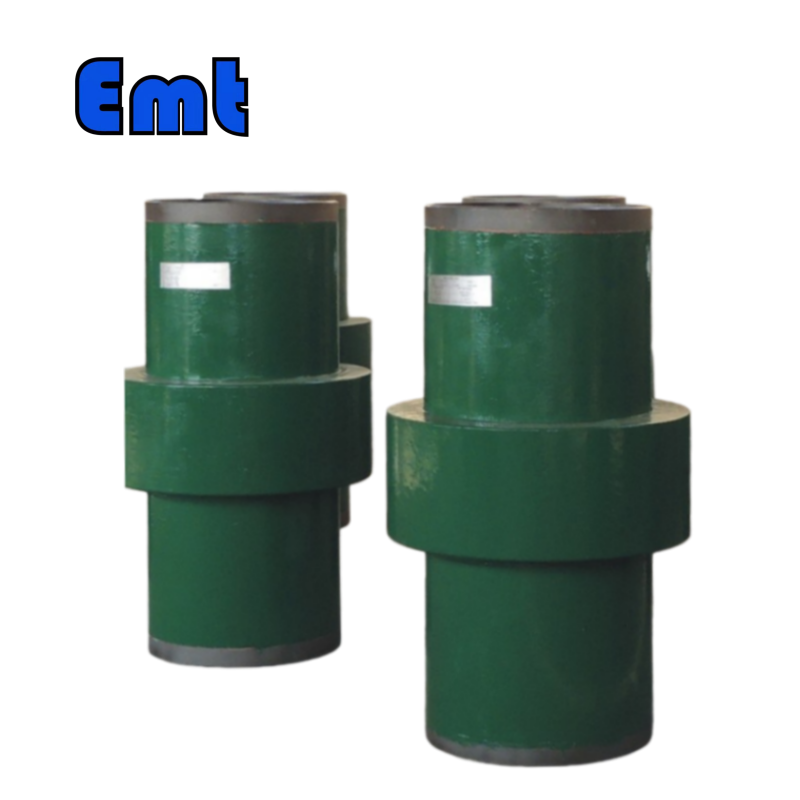
Description
The Monolithic Insulation Joints provide a permanent and maintenance-free solution for electrical isolation in pipelines. These joints effectively prevent cathodic protection current interference and mitigate stray current corrosion. They serve as critical components in enhancing pipeline integrity and extending asset lifespan. We engineer these joints for demanding conditions, ensuring reliable long-term performance without the need for periodic inspection or maintenance.
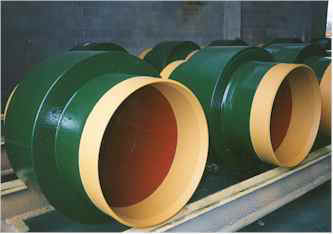
Technical Specifications
We design our Monolithic Insulation Joints to meet rigorous industry standards and operational requirements. Our manufacturing process ensures high quality and consistent performance across all units.
| Parameter | Specification |
|---|---|
| Nominal Pipe Size | 2″ to 72″ (DN50 to DN1800) |
| Pressure Class | ANSI 150# to 2500# (PN16 to PN420) |
| Temperature Range | -40°C to +120°C (-40°F to +248°F) |
| Dielectric Strength | > 25 kV AC for 1 minute (dry) |
| Insulation Resistance | > 50 MΩ @ 1000V DC |
| Body Material | API 5L Gr. B to X80, ASTM A694 Gr. F52 to F70 |
| Insulating Material | Glass Reinforced Epoxy (GRE) or equivalent |
| Sealing Material | High-performance elastomeric seals, Viton, HNBR |
| Internal Coating | Liquid epoxy, coal tar epoxy, or custom |
| External Coating | FBE, liquid epoxy, 3LPE, or custom |
| Testing | Hydrostatic, Dielectric, Electrical Resistance, NDT (UT, RT, MPI) |
| Design Life | Minimum 30 years |
Core Product Features
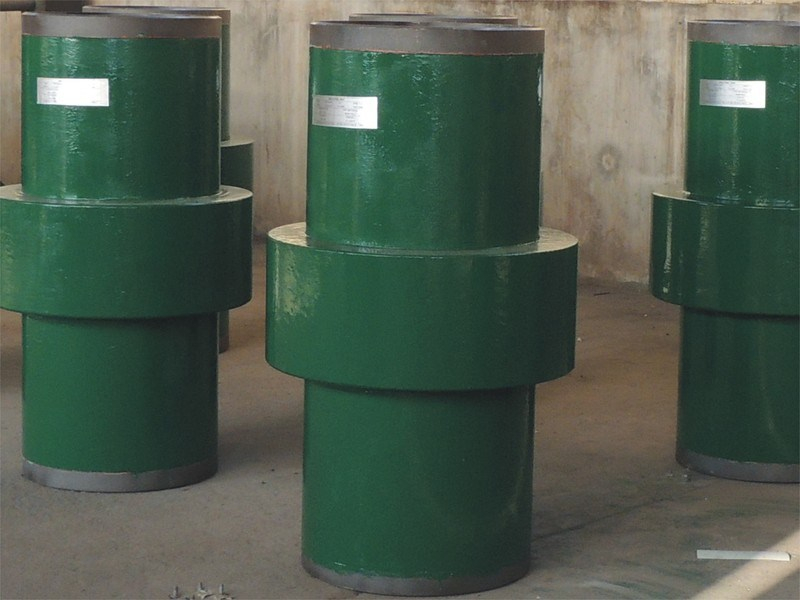
Our Monolithic Insulation Joints incorporate several features that ensure their superior performance and reliability in the field. These characteristics directly contribute to pipeline safety and longevity.
Firstly, the robust, factory-assembled design offers superior integrity. Unlike field-assembled kits, these joints arrive as a single, fully tested unit. This eliminates potential leak paths and assembly errors common with individual components. We weld all parts together, then encapsulate them. This construction guarantees a hermetically sealed unit.
Secondly, exceptional electrical isolation properties protect against corrosion. The high dielectric strength of the insulating material effectively blocks current flow. This prevents galvanic corrosion between dissimilar metals. It also isolates specific pipeline sections for effective cathodic protection. Operators achieve precise control over their CP systems.
Thirdly, the durable construction ensures a long service life with minimal maintenance. We use high-grade steel for the body and robust insulating materials. These materials withstand pipeline stresses, ground movement, and environmental factors. The fully encapsulated design protects internal components from external damage and moisture ingress. This significantly reduces long-term operational costs.
Fourthly, these joints offer a compact and lightweight solution. Their single-piece construction simplifies installation compared to flange kits. This reduces installation time and labor costs. The compact design allows for use in tight spaces. This is particularly beneficial in congested pipeline corridors or within plant boundaries.
Finally, each Monolithic Insulation Joint undergoes stringent quality control and testing. We perform hydrostatic tests to verify pressure integrity. Electrical tests confirm insulation effectiveness. Non-destructive testing (NDT) methods like ultrasonic and radiographic inspections ensure weld quality. This comprehensive testing ensures every joint meets exact specifications and performs reliably.
Applications and Benefits
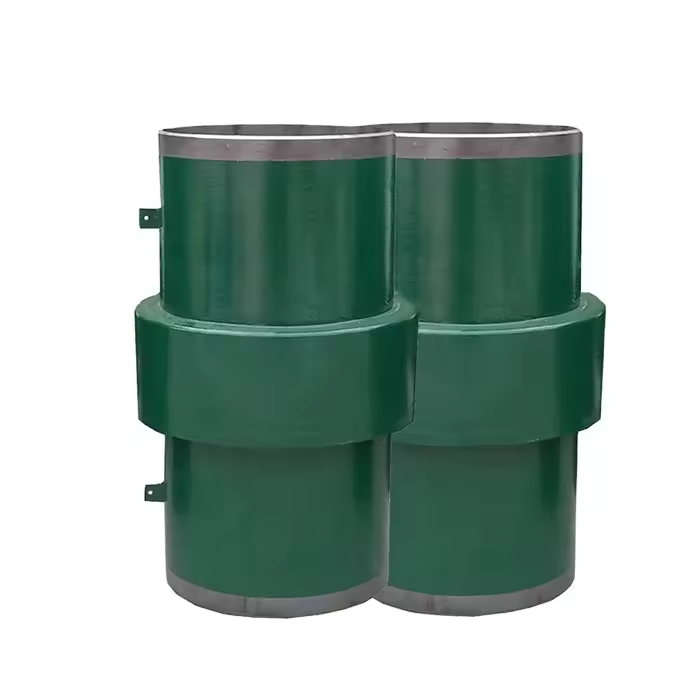
Monolithic Insulation Joints play a critical role across various segments of the oil and gas industry, providing significant operational advantages. They are indispensable for effective corrosion control.
Operators widely use these joints in crude oil and natural gas transmission pipelines. They isolate pipeline sections from stray currents originating from power lines or other metallic structures. For example, a major gas transmission company installed Monolithic Insulation Joints every 10-15 kilometers. This strategy prevented stray current interference from adjacent railway lines, maintaining optimal cathodic protection levels.
Furthermore, these joints are essential at compressor stations, pumping stations, and metering stations. Here, they electrically isolate the pipeline network from facility piping and grounding systems. This prevents ground loops and ensures the cathodic protection system functions independently. In one instance, installing a Monolithic Insulation Joint at a pump station successfully isolated the pipeline from the station’s electrical ground, resolving persistent CP interference issues.
Moreover, distribution networks for natural gas benefit greatly from these joints. They isolate service lines from the main gas grid or building piping. This prevents household electrical systems from interfering with the main pipeline’s cathodic protection. It also protects against potential electrical hazards from grounding faults.
The primary benefit lies in their ability to provide superior, consistent electrical isolation. This directly enhances the effectiveness of cathodic protection systems. Improved CP reduces external corrosion, extending the operational life of pipelines. A longer lifespan translates to reduced replacement costs and increased return on investment. The maintenance-free nature of the Monolithic Insulation Joint further minimizes operational expenses and eliminates the need for periodic field inspections. This reduces safety risks associated with maintenance activities.
Ensuring Pipeline Longevity
The Monolithic Insulation Joint stands as a cornerstone in modern pipeline integrity management. Its reliable electrical isolation capabilities are crucial for effective cathodic protection and the prevention of stray current corrosion. By offering a robust, maintenance-free, and highly tested solution, these joints significantly contribute to the safety, reliability, and longevity of critical oil and gas infrastructure. We commit to providing high-quality solutions that meet the demanding needs of the energy sector. Contact us to learn more about how our insulation joints can enhance your pipeline projects.
Reviews
There are no reviews yet.