
Description
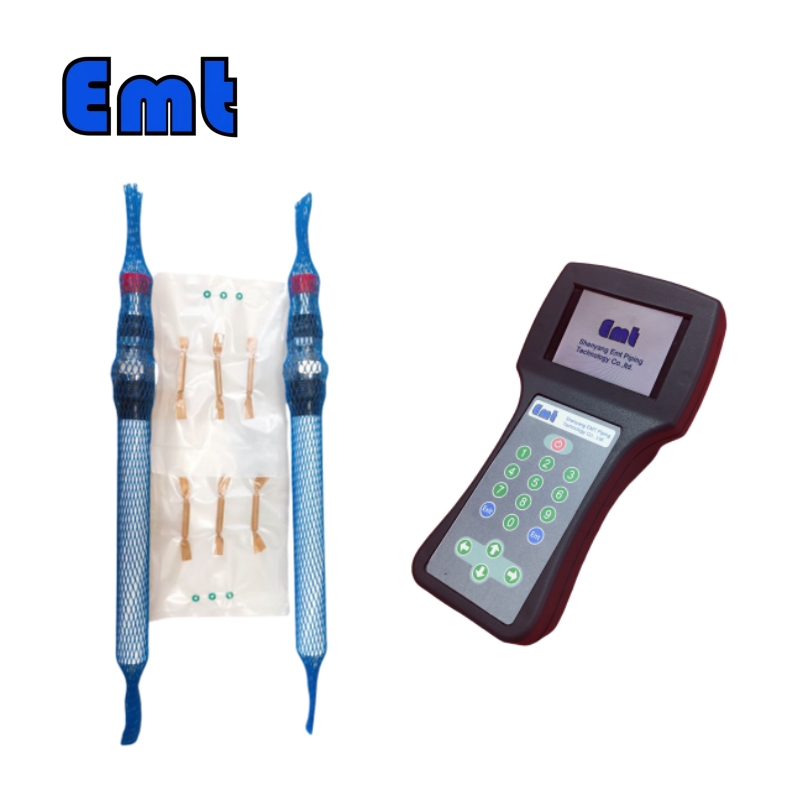
The LPR probe provides a direct and immediate method for measuring corrosion rates in electrically conductive liquids. This instrument delivers essential real-time data, allowing operators to understand and manage material degradation effectively. It serves as a vital component in comprehensive asset integrity management programs. We design the LPR probe for reliability and accuracy across various demanding industrial applications. This technology helps prevent costly failures and maintains operational efficiency.
Essential Specifications
Our LPR probes come engineered for rigorous performance in aggressive environments. We ensure they meet strict industry requirements.
- Measurement Technique: Linear Polarization Resistance (LPR)
- Measurement Range: 0.001 to 200 mpy (mils per year)
- Resolution: 0.001 mpy
- Response Time: Typically under 1 minute for stable readings
- Operating Temperature: -30°C to +200°C (-22°F to +392°F)
- Maximum Pressure: Up to 5000 psi (345 bar)
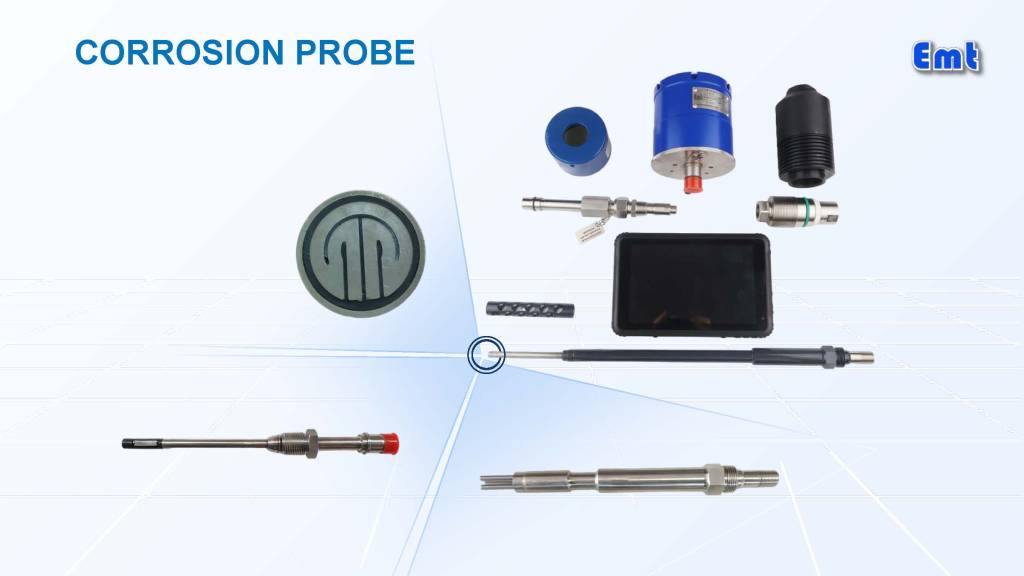
- Electrode Materials: Carbon Steel, 304/316 Stainless Steel, Copper, Brass, Specialty Alloys (e.g., Duplex, Hastelloy)
- Body Materials: 316L Stainless Steel, Alloy 625, Alloy C-276
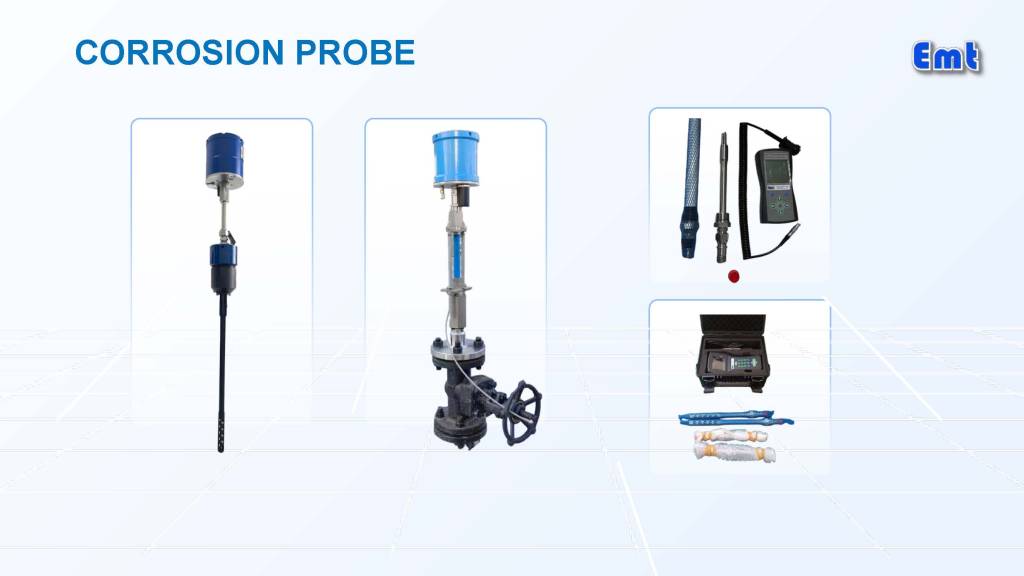
- Mounting Options: Fixed (welded), Retractable (hot tap)
- Process Connections: NPT threaded (1″, 1.5″), ANSI flanged (150# to 2500#)
- Cable Connection: Weatherproof conduit hub, gland seal
- Certifications: Suitable for hazardous locations (consult datasheet for specifics)
Operational Advantages
Our LPR probes offer distinct advantages that significantly enhance corrosion management strategies. They provide actionable insights for process optimization.
Firstly, these probes offer real-time data acquisition. Unlike traditional weight loss coupons, which provide only an average corrosion rate over an extended period, the LPR probe gives instant feedback. This immediate information allows operators to quickly identify process upsets or changes that impact corrosivity. Swift detection supports proactive adjustments, preventing significant equipment damage.
Secondly, the LPR probe features robust construction using high-grade materials. We select wetted materials to withstand specific corrosive agents and high temperatures. This design ensures long-term durability and minimizes the need for frequent replacement. For instance, Hastelloy electrodes offer superior resistance in highly acidic conditions. This material choice extends the service life of the probe itself.
Thirdly, we provide various probe configurations to suit diverse installation needs. Retractable versions allow for insertion and removal without system depressurization or shutdown. This functionality minimizes operational downtime and reduces associated costs. Fixed probes offer continuous, permanent monitoring solutions in stable process streams. Each design prioritizes ease of installation and reliable data output.
Fourthly, our LPR probes integrate seamlessly with existing control and data acquisition systems. They typically offer standard output signals compatible with PLCs, DCS, and SCADA systems. This facilitates centralized monitoring and analysis of corrosion data. Operators can easily trend data, correlate it with process parameters, and automate responses where necessary.
Real-World Applications
LPR probes prove invaluable across numerous applications within the oil and gas sector. They protect critical assets and optimize chemical treatments.
For example, crude oil gathering lines frequently use LPR probes. These lines transport unprocessed oil and gas, which often contain water, CO2, and H2S. An LPR probe can detect increased internal corrosion rates due to fluctuating water cuts or inhibitor levels. One operator used this data to optimize corrosion inhibitor injection, reducing pipeline thinning rates by 30%. This saved significant costs on remedial repairs.
Moreover, LPR probes are critical in produced water treatment facilities. Operators treat and dispose of water separated from oil and gas. This water often contains various corrosive salts and organic acids. Continuous LPR monitoring helps maintain effective biocide and scale inhibitor dosages. In one case, a probe identified a sudden drop in biocide effectiveness, preventing severe microbiological induced corrosion in clarifiers.
Furthermore, these probes find application in various refinery units, such as overhead systems in crude distillation units. Acidic components like HCl can cause severe corrosion in these areas. An LPR probe provides constant feedback on the effectiveness of neutralizing amines. A refinery successfully adjusted amine injection rates based on LPR readings, maintaining optimal pH and minimizing overhead corrosion.
These real-world examples demonstrate the LPR probe’s tangible benefits. It facilitates early detection, enabling timely interventions that safeguard infrastructure.
Reviews
There are no reviews yet.