
Description
1. What Is LCQZ-RTCC Foam Pigs?
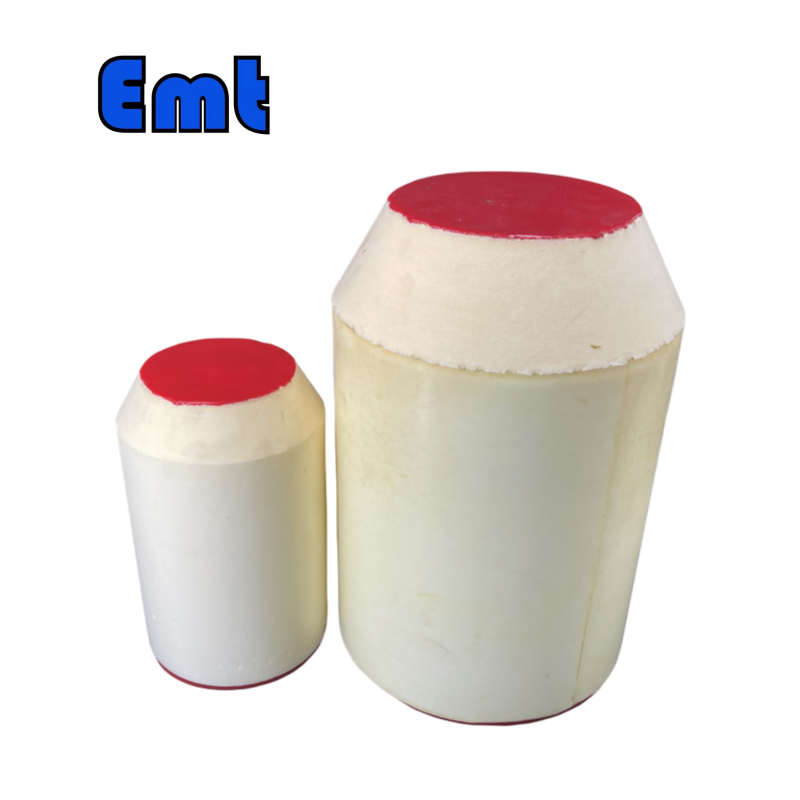
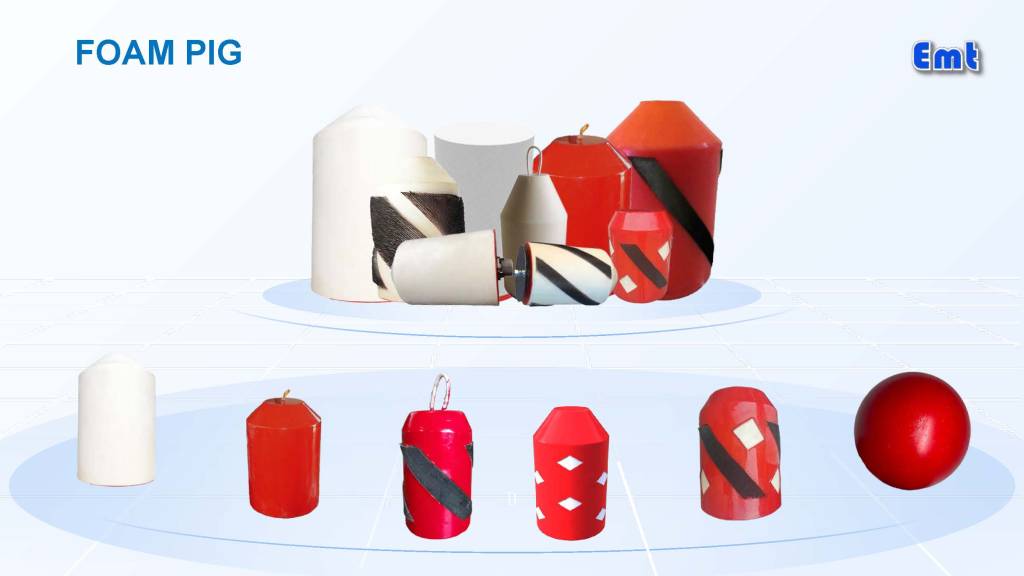
As a Foam Pigs manufacturer, EMT produces the LCQZ-RTCC Foam Pigs: a pipeline cleaning tool made from polyurethane foam whose surface carries a criss-cross texture. That cross-hatched pattern delivers a physical scraping effect, so the pig removes dirt, deposits and impurities from the pipe wall without needing an added brush. Within the LCQZ-RT foam pig family, this model fills the gap left by unbrushed pigs, and it is aimed at medium to heavy pipeline cleaning work. Each pig is supplied by EMT, an ASME U Stamp certified pipeline equipment maker.
2. What Are the Key Parameters?
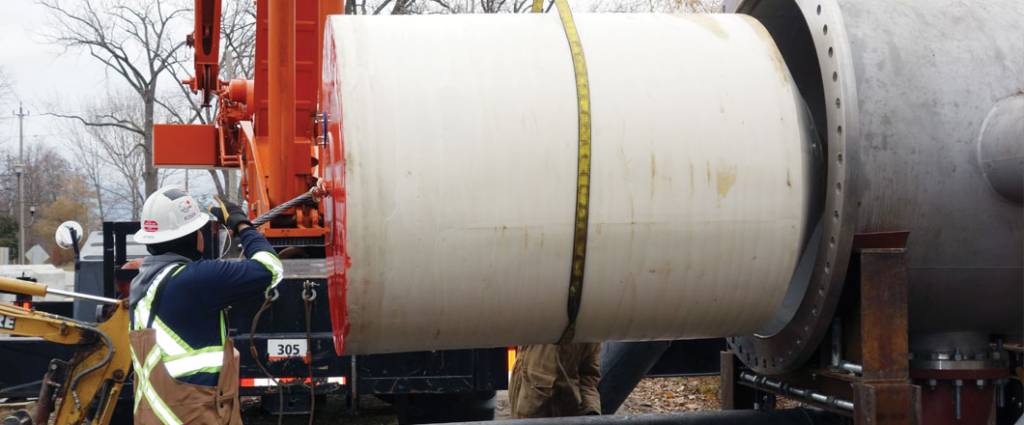
The LCQZ-RTCC Foam Pigs are specified by density, starting pressure, compression ratio and wear behaviour, because these values decide how the pig travels and how much wall contact it makes. Density is selectable across a broad polyurethane range, and medium or high density is normally chosen for cleaning duty. Starting pressure is very low, so the pig begins moving with minimal driving force. A high compression ratio lets the pig pass bends and diameter changes, while the operating temperature window covers hot and cold service. Wear rate and flex life together set the practical operating distance, and selecting a medium or high density material helps hold the wear rate down over long runs.
| Parameter | Value | Note |
|---|---|---|
| Material | Polyurethane foam | Criss-cross textured surface |
| Density | 35–220 kg/m³ | Medium or high density for cleaning |
| Starting pressure | 0.02 MPa | Low force to set the pig in motion |
| Withstand pressure | 7 MPa | ASME / API service conditions |
| Stretch rate | 320% | Elastic deformation in service |
| Compression ratio | 50 | Passes bends and diameter changes |
| Flex life | 50,000 times | Cyclic deformation endurance |
| Attrition rate | 2 mm/100 km | Reduced by medium/high density |
| Operating distance | 100–300 km | Long-distance pig runs |
| Operating temperature | -30℃ to 100℃ | Wide service window |
3. How Does It Work? + Where Should You Use It?
The pig is launched into the pipeline and driven by the flowing medium. Its low starting pressure means it begins to travel almost as soon as differential pressure builds behind it. Once moving, the polyurethane body compresses and expands to follow the bore, so the pig keeps wall contact through bends and changes in diameter. The criss-cross texture on the surface then acts as a scraping face, lifting and carrying dirt, deposits and impurities away from the pipe wall as the pig advances. Because the texture does the work of a brush, the pig keeps a simple, brush-free construction while still delivering mechanical cleaning.
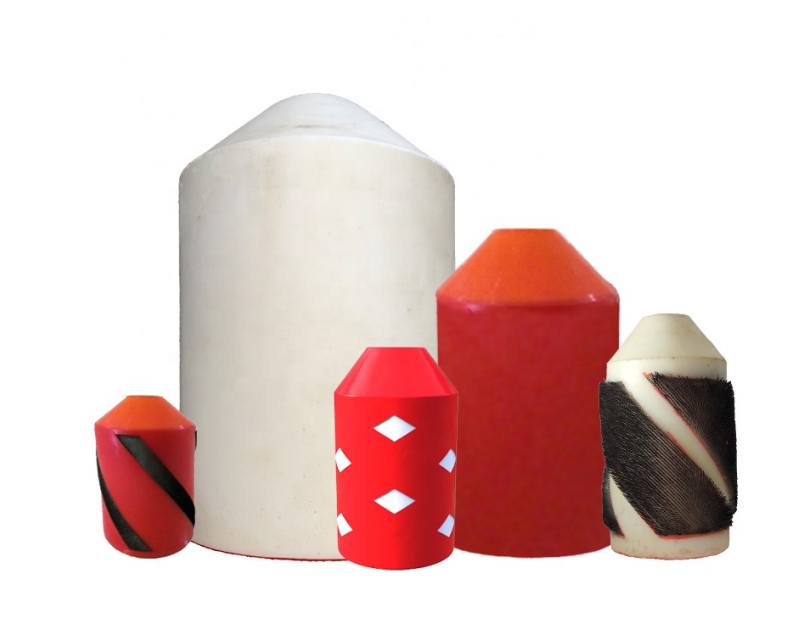
Typical use scenarios follow that behaviour. Operators deploy LCQZ-RTCC Foam Pigs for pipe cleaning, decontamination and impurity removal, and for medium to heavy cleaning duty where an unbrushed pig would not be enough. The long operating distance of 100–300 km suits long-distance pipeline runs, where a low wear rate keeps the pig effective across the whole route. The wide density range lets the same design be matched to different deposit levels, and the -30℃ to 100℃ window covers a broad spread of field conditions. Medium or high density is generally selected for these cleaning jobs, and the same pig can support pipeline maintenance programmes alongside other foam pig types.
4. Why Choose This Design?
- The criss-cross texture scrapes the wall without any brush.
- Very low starting pressure keeps launch force to a minimum.
- Compression ratio 50 lets the pig pass bends and diameter changes.
- Medium or high density holds wear to 2 mm/100 km.
- Operating distance of 100–300 km supports long-distance runs.
5. Who Is EMT and Why Trust Us?
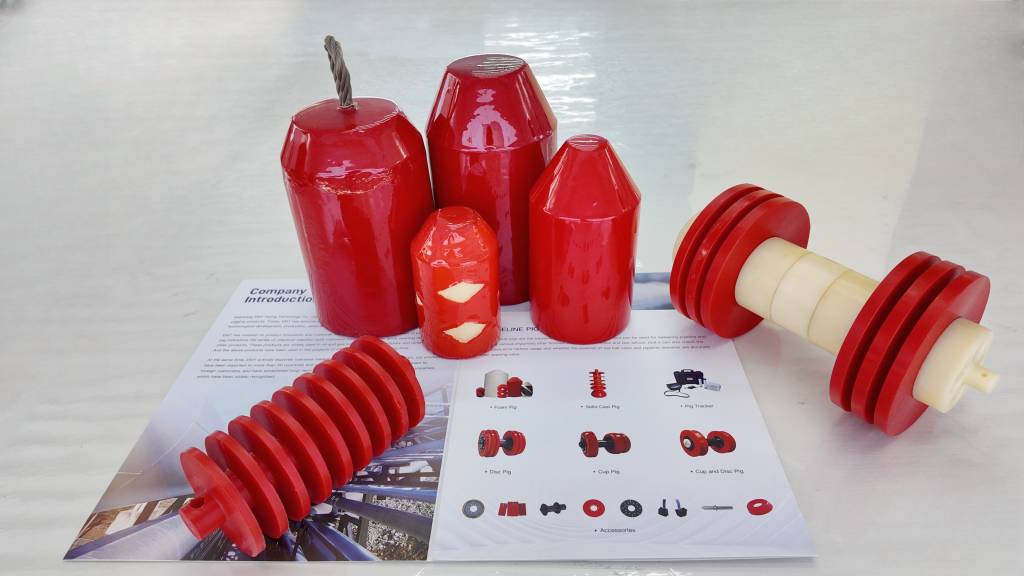
EMT is a pipeline equipment manufacturer serving the oil and gas industry, and the company supplies foam pigs and related pipeline tools from its base in Shenyang. The LCQZ-RTCC Foam Pigs are part of the LCQZ-RT foam pig family, which also covers bare foam pigs, PU foam pigs and brush versions, so buyers can source a complete pig range from one supplier. EMT holds the ASME U Stamp, an independent mark of pressure equipment quality, and the company builds its products to ASME, NACE and API conventions. That certification gives pipeline operators a documented quality baseline when specifying cleaning tools.
The company also meets buyers in person. EMT attends industry exhibitions, where the team presents its foam pig range and discusses pipeline cleaning requirements directly with operators and contractors. Those events let customers inspect the products and talk through density selection, operating distance and cleaning duty before placing an order. For a Foam Pigs manufacturer, that combination of certified manufacturing and direct technical contact matters when a pipeline maintenance programme depends on the right pig. To discuss the LCQZ-RTCC Foam Pigs or request a quotation, contact EMT through emt-pipe.com and the team will respond with product details and lead times.
FAQ
What are LCQZ-RTCC Foam Pigs used for?
They are used for pipe cleaning, decontamination and impurity removal. The criss-cross texture provides a physical scraping effect, so the pig handles medium to heavy cleaning duty without a brush.
How far can an LCQZ-RTCC Foam Pig travel?
Typical operating distance is 100–300 km. Choosing a medium or high density material keeps the attrition rate at 2 mm/100 km and helps control wear over long-distance runs.
Does EMT hold quality certifications?
Yes. EMT is an ASME U Stamp certified pipeline equipment manufacturer and builds products to ASME, NACE and API conventions. Contact the team via emt-pipe.com for details.
Related Products
- Bare Foam Pigs With Brush — foam body plus brush for scrubbing and descaling.
- PU Foam Pigs With Brush — medium to high density foam for rust and hard scale.
- Criss Cross PU Foam Pigs With Brush — textured foam combined with brush scraping.
Reviews
There are no reviews yet.