
Description
What Is an Electrical Resistance Probe?
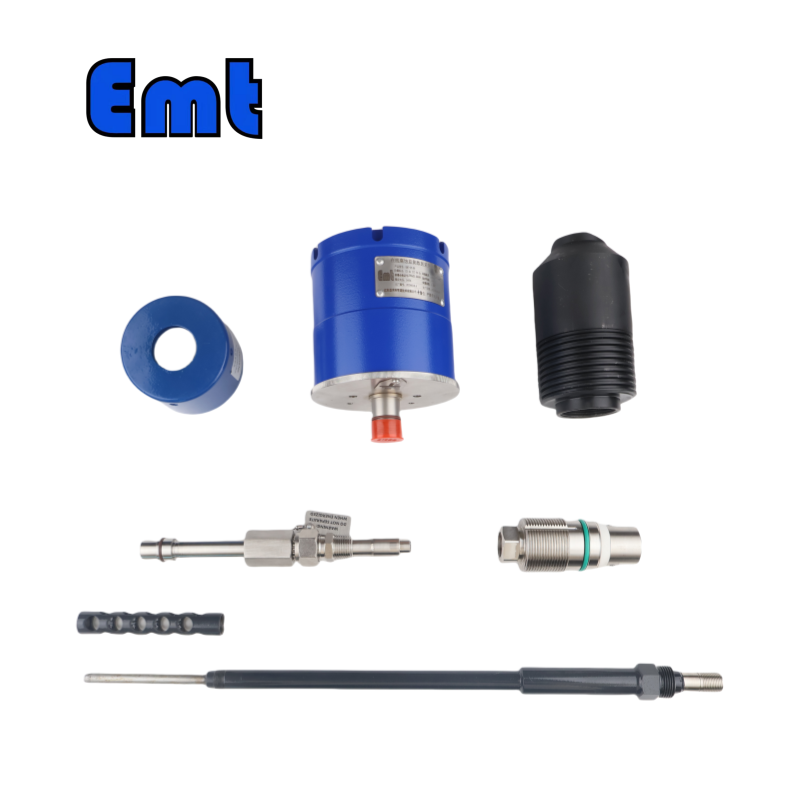
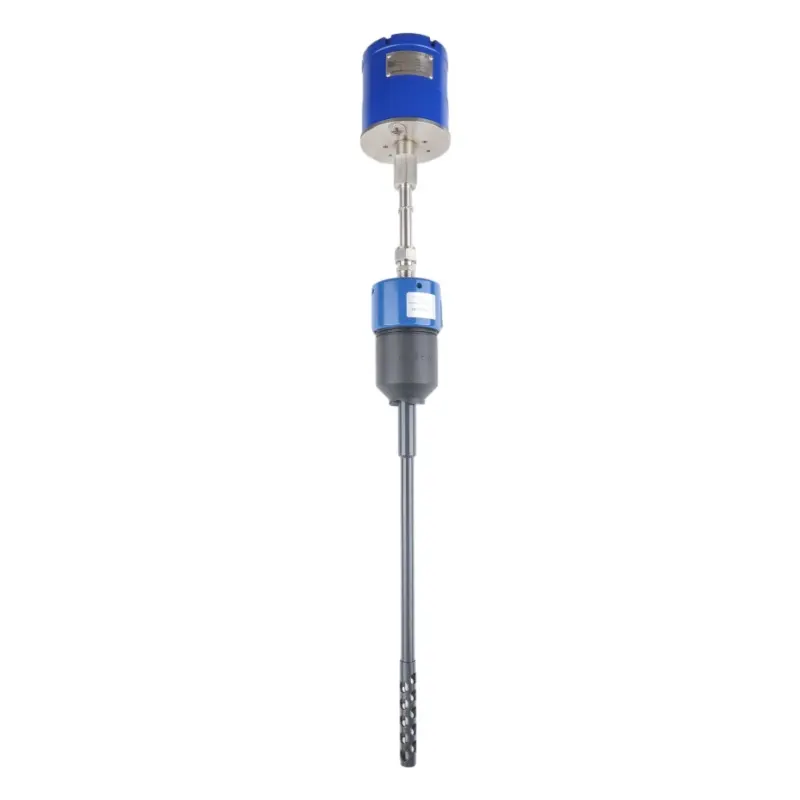
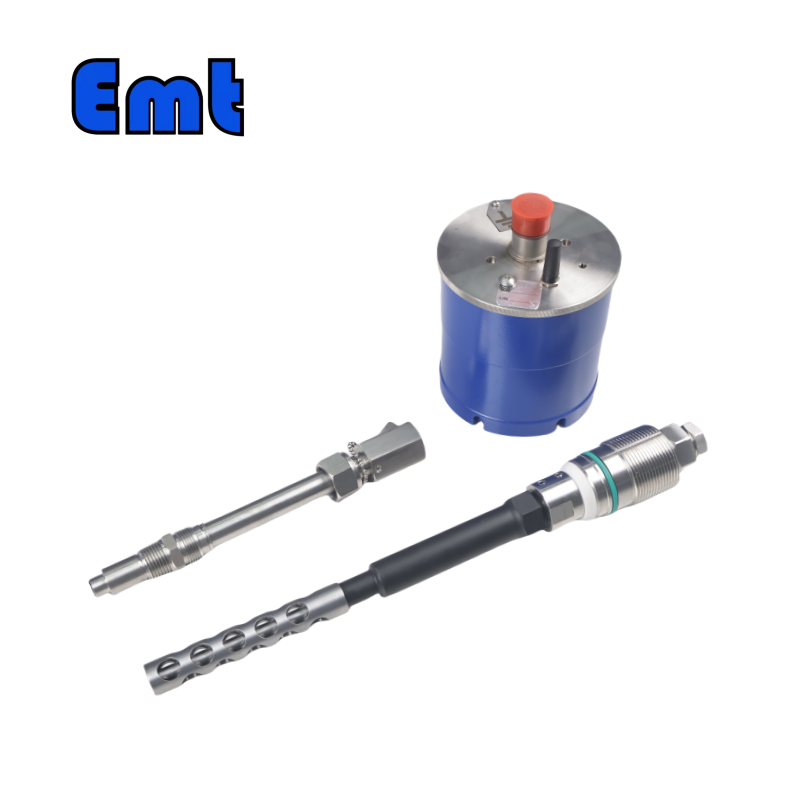
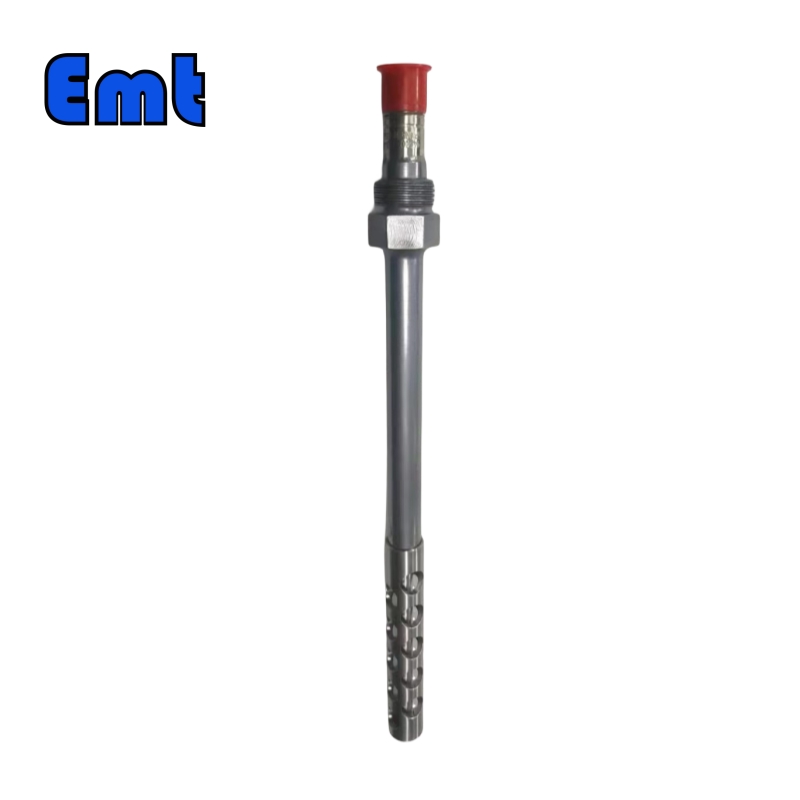
Electrical resistance probe corrosion monitoring measures real-time metal loss inside pipelines and process vessels. EMT builds the EMT-EP100 ER probe as a cylindrical, retrievable sensor that threads into a hollow plug or access fitting on the line. The probe exposes a thin metal element made from the same alloy as your pipe. Operators use it across crude oil, natural gas, water injection, and chemical lines, both onshore and offshore. It suits high-pressure trunklines, wellhead flowlines, separators, and pump stations where wall thinning drives integrity risk. EPC contractors and pipeline operators install it at critical nodes to watch internal corrosion trend over time. The probe works in wet, dry, and multiphase streams where coupons alone cannot give fast feedback. A reference element outside the flow compensates for temperature, so the reading reflects true corrosion, not thermal noise. Crews retrieve and replace the element under pressure, keeping the line online.
What Are the Key Parameters?
Engineers select each EMT-EP100 ER probe by line pressure, medium, and alloy. Our standard build covers 316 SS, 316L, duplex, and Inconel elements and reaches 45 MPa with a fully welded, glass-sintered seal. The table lists the core specifications we ship from stock. We also offer flush, tubular, and loop element styles for different flow and corrosion profiles. Every probe matches your pipe material for a true corrosion reading. We machine bodies in our own shop, so lead times stay short. Each order ships with a calibration certificate and a factory test report. Share your line pressure, temperature, and medium, and we confirm the exact configuration. Drawings follow your access-fitting standard so the probe drops in without field modification. Common element alloys and lengths stay in stock for fast turnaround. Custom seals and high-temperature builds keep severe-service jobs on one plan. Engineers help size the element before you order.
| Parameter | Specification |
|---|---|
| Type | Cylindrical, retrievable ER probe |
| Principle | Electrical resistance (direct metal loss) |
| Max pressure | 45 MPa (6,500 psi) |
| Temperature | -200 to 450 C |
| Element materials | 316 SS, 316L, Duplex SS, Inconel |
| Element styles | Flush, tubular, loop |
| Sealing | Fully welded, glass-sintered, pressure filler |
| Installation | Hollow plug / access fitting, retrievable |
| Readout | ER corrosion monitor, RS485 / Modbus |
| Standards | NACE SP0104, ASME U Stamp |
How Does the Electrical Resistance Probe Work?
The electrical resistance probe works by measuring a metal element as it corrodes. The element shares your pipe alloy and sits in the flow through the access fitting. As corrosion thins the element, its cross-sectional area drops and its electrical resistance rises. The probe compares this to a sealed reference element that feels temperature but not the fluid. The difference gives true metal loss over time. A corrosion monitor or data logger reads the resistance at set intervals and turns it into corrosion rate and remaining allowance. Higher resistance means more wall lost. Crews insert the probe under pressure through the hollow plug and set the depth into the flow. The logger stores thousands of timestamped points and exports them to SCADA or a PC. Trend lines reveal accelerating corrosion before the line fails. Operators compare trend lines across nodes to rank the worst sections first.
Why Choose the Electrical Resistance Probe?
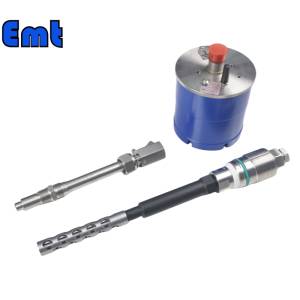
- EMT’s electrical resistance probe corrosion monitoring gives operators clear advantages:
- It reads real-time metal loss in hours, far faster than weight-loss coupons.
- The element matches your pipe alloy for a true, representative corrosion rate.
- It retrieves under pressure through a hollow plug, so the line stays online.
- Flush, tubular, and loop styles cover multiphase, high-velocity, and local attack.
- Rated to 45 MPa and 450 C, it fits sour, hot, and high-pressure lines.
- Every probe ships pressure-tested with a calibration certificate for traceability. EMT tunes element alloy, style, and length to your exact duty. Our logger exports to Modbus or PC, feeding inhibitor and inspection plans. Spare elements and access fittings keep multi-node jobs on one delivery plan. Field data from each site feeds our next design update, so the probe keeps improving.
Who Is EMT and Why Trust Us?
EMT develops and manufactures corrosion monitoring and pigging equipment from its Shenyang facility, certified under the ASME U Stamp for pressure vessels. Our workshops run CNC machining centers, automatic welding stations, and a hydrostatic test bay that hold quality at each stage. We pressure-test every probe and ship a certificate with the order for traceability. Pipeline operators, EPC contractors, and maintenance teams in over 30 countries deploy our equipment. We plan around tight commissioning windows and offer expedited delivery when schedules bite. Our engineers reply in English, Spanish, Russian, or Chinese within four working hours. Alongside ER probes, we make QOC quick-opening closures, corrosion monitoring systems, chemical injection quills, and pipeline cleaning pigs. We deliver turnkey pigging and monitoring solutions from design through commissioning. As a single-source supplier, we cover the full scope under one quality standard.
FAQ
Q:How Does an Electrical Resistance Probe Work?
The probe carries two same-alloy elements: an exposed sensing element touching the fluid and a sealed reference element for temperature compensation. As corrosion thins the exposed element, its cross-section shrinks and resistance rises. The instrument compares the two elements, cancels the temperature error, and converts the ratio into accumulated metal loss. The slope over time is the corrosion rate (mm/y).
Q:What Is the Difference Between an ER Probe and an LPR Probe?
An ER probe tracks accumulated metal loss through resistance change. It works in almost any fluid, including gas, oil, and soil. An LPR (Linear Polarization Resistance) probe applies a small voltage to read an instantaneous corrosion rate. But it needs a continuously conductive water phase, so it suits water-continuous systems, not dry gas or oil-continuous flow.
Q:ER Probe vs Weight-Loss Coupon: Which Is Better?
A coupon is the offline physical benchmark: expose it for weeks, pull it, clean it, and reweigh it. An ER probe reads electronically and can be polled continuously, feeding SCADA live. Most plants run both: ER for the online trend, coupons as periodic ground truth.
Q:Where Is an Electrical Resistance Probe Installed?
Probes mount directly on pipelines, vessels, and tanks via standard process interfaces. Examples include 7/8-20UNEF insert probes, with retractable, full-bore, or high-pressure insertion systems for live insertion under flow.
Q:How Often Must the ER Element Be Replaced?
The element is consumed as it measures, so each probe has a finite life. Replace it once the element is spent or the check (reference) reading drifts significantly. The interval depends on corrosion severity and element thickness.
Reviews
There are no reviews yet.