

Description
What Is a Cup Pig for Pipeline Pigging?
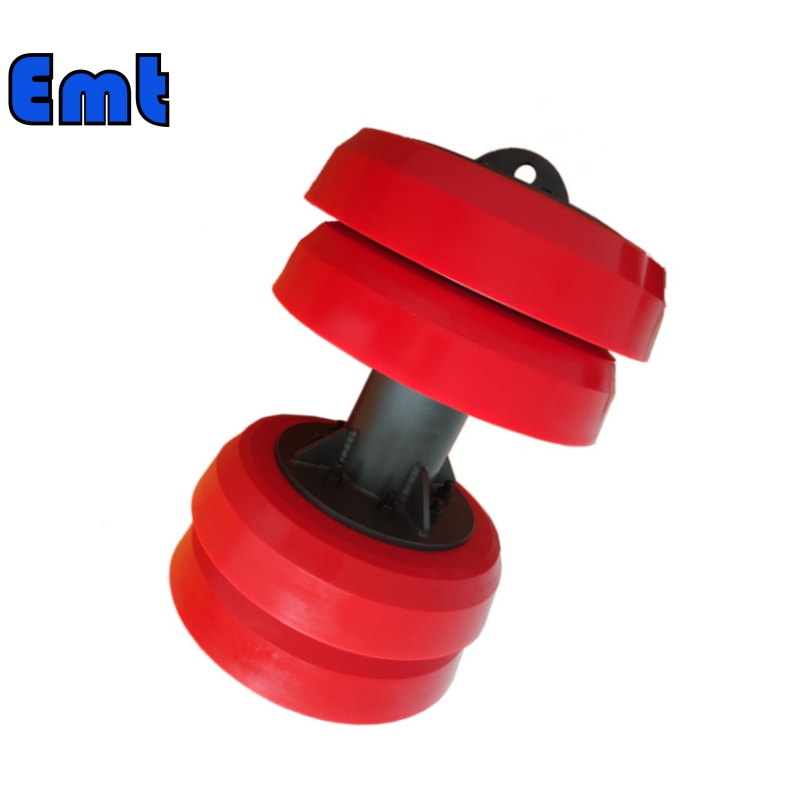
A cup pig for pipeline is a mechanical device inserted into a pipeline and driven forward by the product flow or an external pumping medium. Its polyurethane cups expand against the pipe wall to create a dynamic seal. This seal generates the differential pressure that moves the pig and maximizes scraping force.
Unlike straight-plate pigs that work bidirectionally, the cup pig is a unidirectional device. Its cups face rearward, so it travels in one direction only. This design provides stronger sealing performance than plate-type alternatives. Therefore, operators prefer cup pigs when maximum liquid removal, debris clearance, or product separation is required.
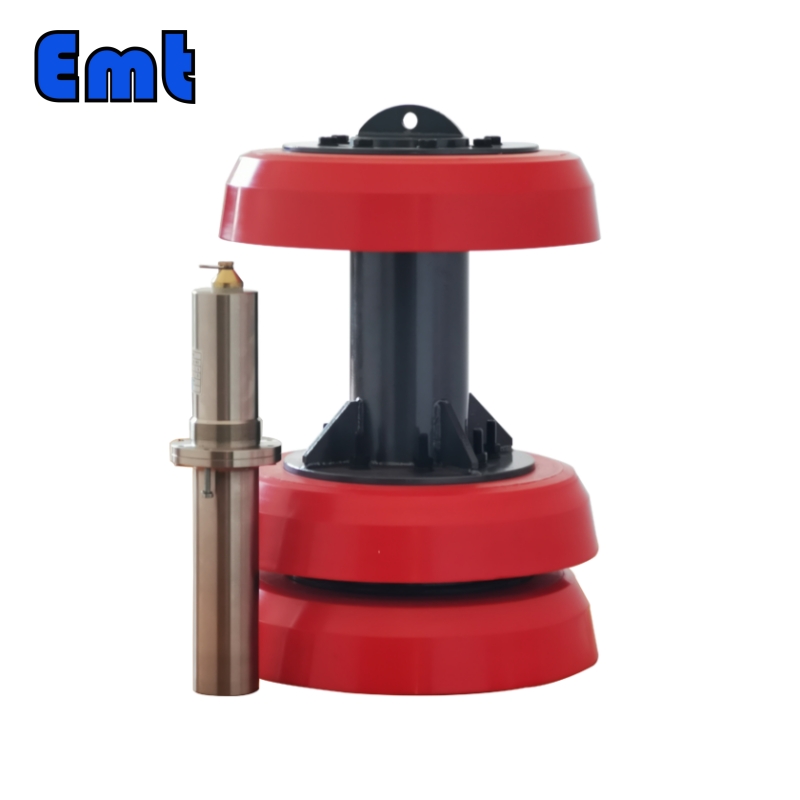
EMT offers cup pigs in three core configurations. Furthermore, each pig body accepts optional accessories to match your pipeline conditions. The result is a versatile, reusable pig that adapts to cleaning, gauging, magnetic debris collection, and pre-inspection preparation — all from one base platform.
Technical Specifications
| Specification | Value |
|---|---|
| Cup Material | Polyurethane (standard); Fluoroprene / specialty elastomers (optional) |
| Skeleton Material | Carbon Steel |
| Cup Configurations | 2-cup / 3-cup / 4-cup |
| Size Range | 2″ – 48″ |
| Shore Hardness | 83 Shore A |
| Tensile Strength | 51.2 MPa |
| Elongation at Break | 1263% |
| Tear Strength | 77 kN/m |
| Wear Resistance (DIN) | 32 mm³ |
| Minimum Bend Radius (2/3 cup) | 1.5D |
| Minimum Bend Radius (4 cup) | 4D |
| Applicable Media | Crude Oil, Natural Gas, Water, Refined Products |
| Accessory Options | Wire Brush (CS/SS/Nylon), Magnetic Block, Gauge Plate, Transmitter |
| Operating Pressure | Atmospheric to High Pressure (project-specific) |
| Certification | ISO 9001 |
| Direction | Unidirectional |
Key Features
- Rigid Steel Skeleton— The carbon steel core body withstands high pressure differentials without deformation, enabling long-distance pigging runs and consistent seal contact.
- 2-/3-/4-Cup Configurations— Select the cup count based on pipeline distance. Fewer cups improve maneuverability through bends. More cups provide better sealing and longer service intervals.
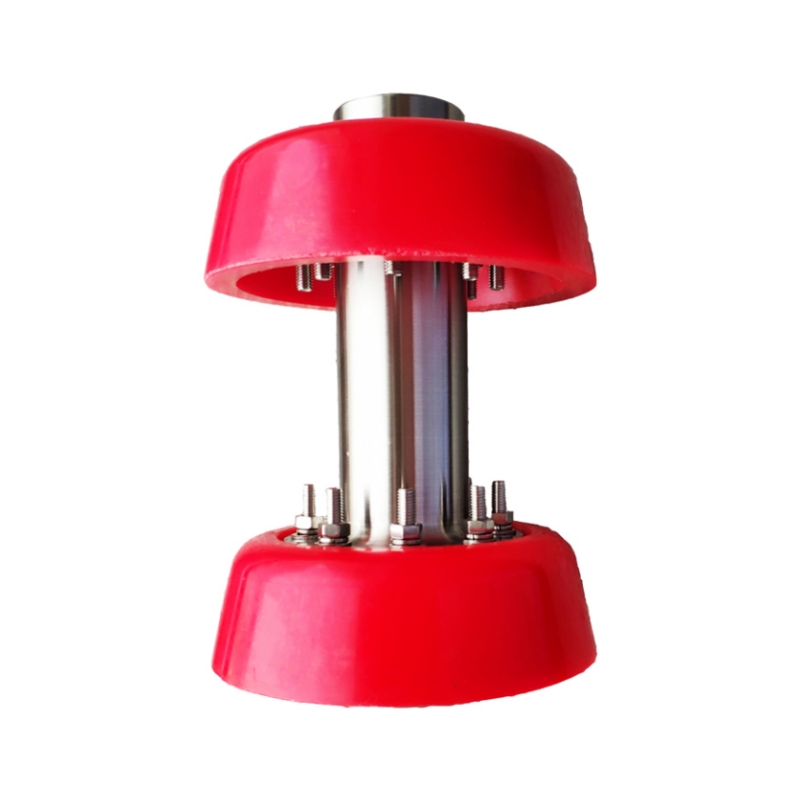
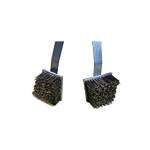
- Optional Wire Brush Modules— Add carbon steel, stainless steel, or nylon brushes for pipelines with wax, scale, or hard deposit buildup. Brushes bolt onto the body between cup seals.
- Magnetic Debris Collection— Integrate magnetic blocks into the pig body to capture ferrous particles, welding slag, and rust that standard scraping may miss.
- Gauge Plate Compatibility— Install an aluminum gauge plate on the pig to detect dents, ovality, and bore restrictions. Post-run inspection of the plate reveals pipeline deformation without running a full intelligent pig.
- Replaceable Cup Seals— Worn polyurethane cups detach and swap out individually. The skeleton lasts through multiple maintenance cycles, reducing total cost of ownership.
- Accurate Location Tracking— EMT cup pigs accept ultra-low frequency transmitters for real-time tracking during underground or subsea pipeline runs.
How Does the Cup Pig for Pipeline Work?
The cup pig enters the pipeline through a pig launcher. Product flow or a pumping medium pushes against the rear-facing cup seals. Because the cups form a tight seal, the pressure builds behind the pig. This pressure differential drives the pig forward along the pipeline.
As the pig travels, its cup edges scrape the pipe wall. Debris, wax, liquid, and scale accumulate in front of the pig and get pushed toward the receiver. If wire brushes are installed, they provide mechanical scrubbing ahead of each cup. If a gauge plate is attached, it bends or deforms when it encounters dents or ovality, giving operators a clear visual record of pipeline condition.
Finally, the pig arrives at the receiver trap. Operators remove it, inspect the cups and accessories for wear, and record any findings from gauge plates or collected debris. Worn cups get replaced. The pig is then ready for its next run.
Where Should You Use a Cup Pig for Pipeline?
A cup pig for pipeline serves multiple roles across the pipeline lifecycle.
Commissioning. New pipelines contain construction debris, dirt, and welding slag. A cup pig with magnetic modules removes these contaminants before the line enters service.
Routine Maintenance. Scheduled pigging runs remove wax, scale, and sediment that accumulate during normal operation. This maintains flow efficiency and reduces internal corrosion risk.
Pre-Inspection Cleaning. Intelligent pigs require a clean pipe wall for accurate data collection. Running a cup pig with brushes before a smart pig ensures the inspection tool captures reliable readings.
Dewatering and Hydrostatic Testing. After a pressure test, a cup pig displaces test water from the pipeline. Its strong seal minimizes water left behind, which is critical for gas pipelines where residual water can cause hydrate formation.
Product Batching. In multi-product pipelines, cup pigs separate different product batches. The tight cup seal prevents cross-contamination between diesel, gasoline, and other refined products.
FAQ
Q: How do I choose between a 2-cup, 3-cup, and 4-cup pig for pipeline applications?
Your choice depends on pipeline length and geometry. A 2-cup pig handles short runs and tight bends (minimum 1.5D radius). A 3-cup pig balances sealing and maneuverability for medium-distance pigging. A 4-cup pig delivers maximum sealing and service life for long runs but requires gentler bends (minimum 4D radius).
Q: Can a cup pig for pipeline operate in both directions?
No. The cup pig is a unidirectional device. Its cups open rearward, so it travels in the forward direction only. If the pig gets stuck, you cannot reverse flow to retrieve it. For bidirectional capability, consider EMT’s straight-plate pig designs.
Q: What accessories should I add to the cup pig for pipeline?
Select accessories based on your pipeline condition. Fit wire brushes to strip wax and scale.Use magnetic blocks for ferrous construction waste.Install gauge plates to test dents and ovality.Fit transmitters for underground or subsea tracking.
Q: How long does a cup pig for pipeline last before needing cup replacement?
Service life depends on pipeline length, internal surface condition, and product composition. As a general guide, polyurethane cups show measurable wear after 50 to 150 kilometers of pigging. However, operators should inspect cups after each run and replace them when the outer diameter decreases below the effective sealing range. EMT stocks replacement cups in progressive diameter increments for each pipeline size.
Q: Does EMT provide custom cup pig designs for non-standard pipeline diameters?
Yes. EMT designs and manufactures cup pigs for any pipeline diameter upon request. Provide your pipeline ID, length, medium type, and pigging objective, and our engineering team will specify the appropriate cup configuration and accessories.
Product-related accessories usage:

Reviews
There are no reviews yet.