
Description
What Are Chemical Injection Quills?
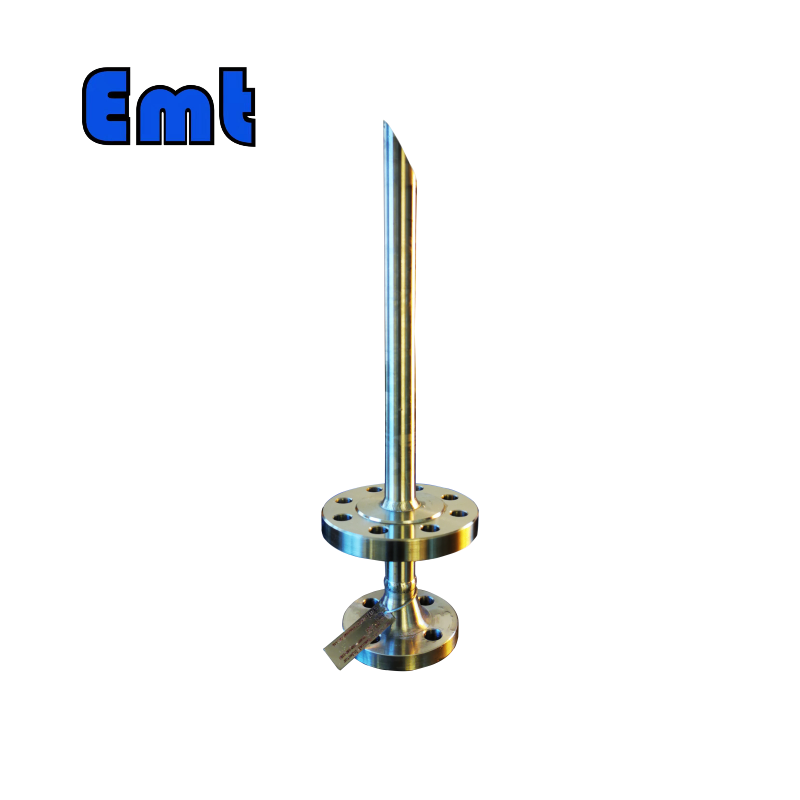
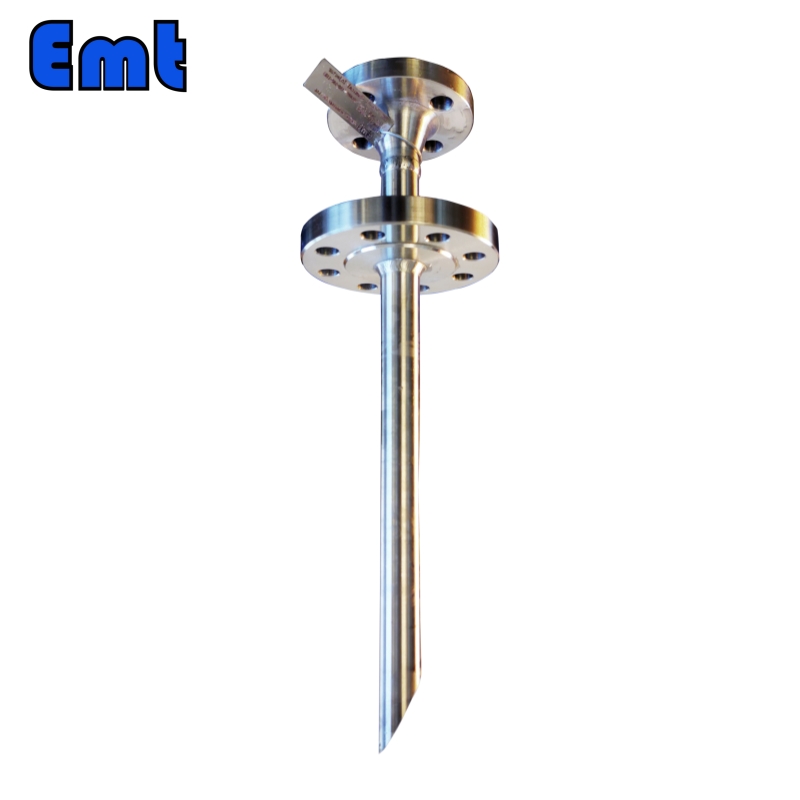
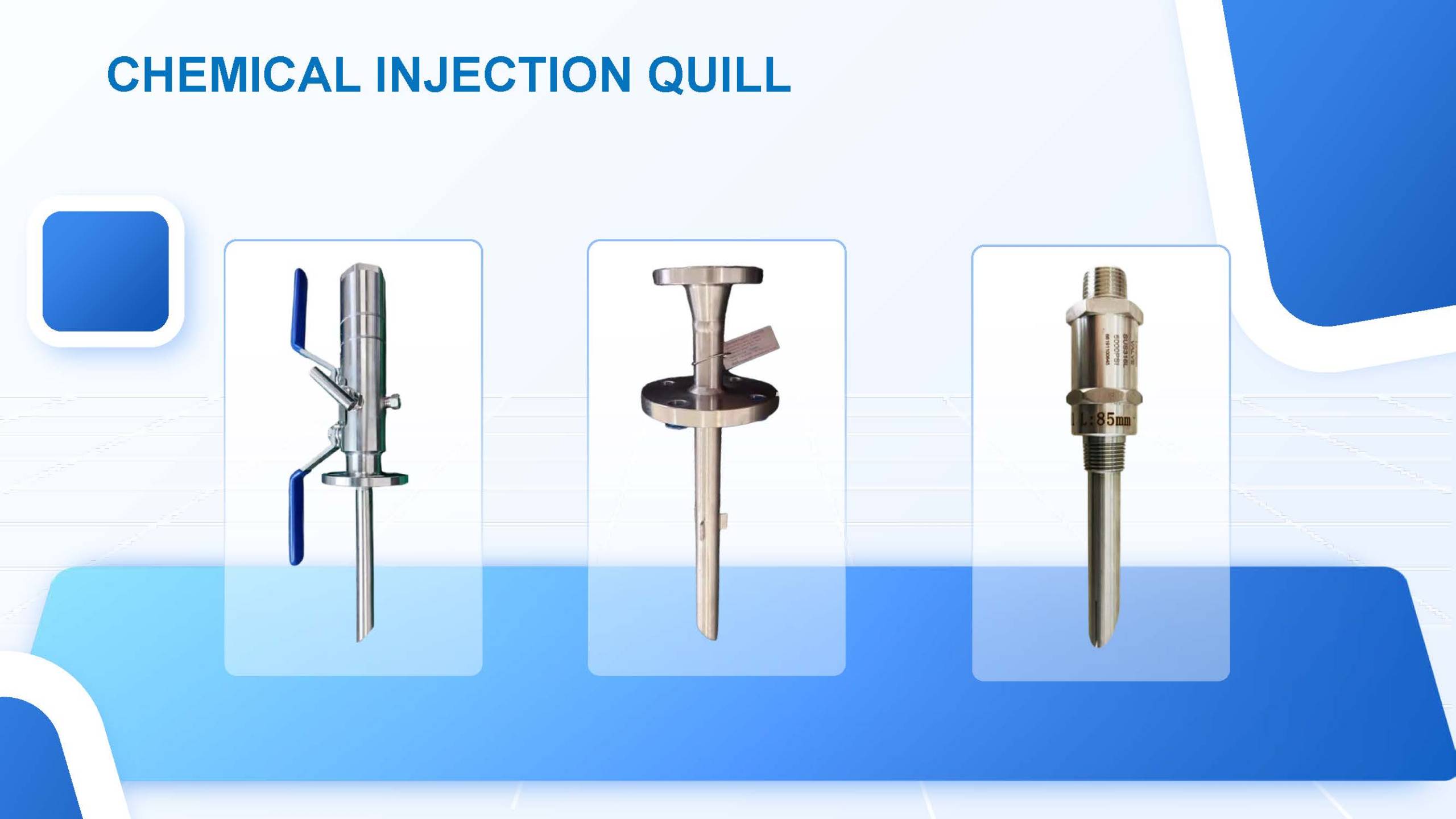
Chemical injection quills are precision fittings that introduce treatment chemicals into a pressurized pipeline without shutting it down. Each quill uses a slender tube that passes through a connection and extends to the flow center. Therefore, the injected chemical meets the moving product immediately and disperses evenly.
Operators use these quills for continuous or batch dosing of corrosion inhibitor, biocide, oxygen scavenger, and scale inhibitor. They work on crude lines, water injection lines, and gas gathering systems. A properly sized quill prevents chemical waste and protects downstream equipment.
Specifications
| Parameter | Typical Range |
|---|---|
| Body Material | 316 / 316L SS, Duplex on request |
| Connection | Flange (ASME B16.5), NPT, or welded tee |
| Tube OD | 6 mm – 25 mm (1/4″ – 1″) |
| Insertion Depth | To pipe centerline, custom cut |
| Pressure Rating | Up to 1500 psi (103 bar) |
| Tip Style | Plain, perforated, or mixer |
| Valves | Isolation + check, optional stuffing box |
| Temperature | -29 °C to 200 °C |
How Do Chemical Injection Quills Work?
A chemical injection quill connects to a metering pump on one end and the pipeline on the other. The pump pushes the chemical through the small tube and out the tip inside the pipe. Because the tip sits near the centerline, turbulence carries the dose into the bulk flow.
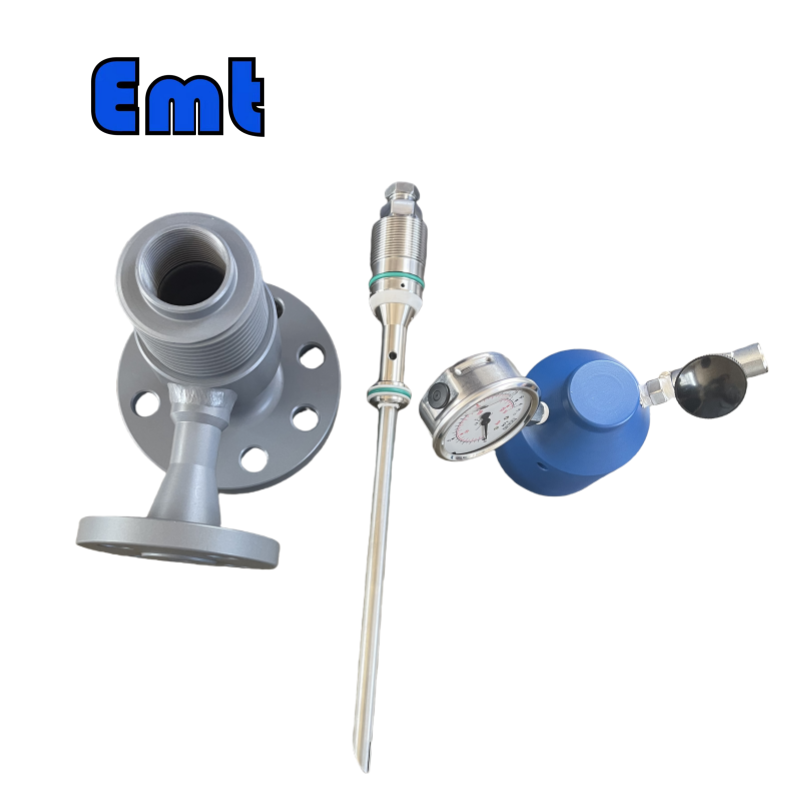
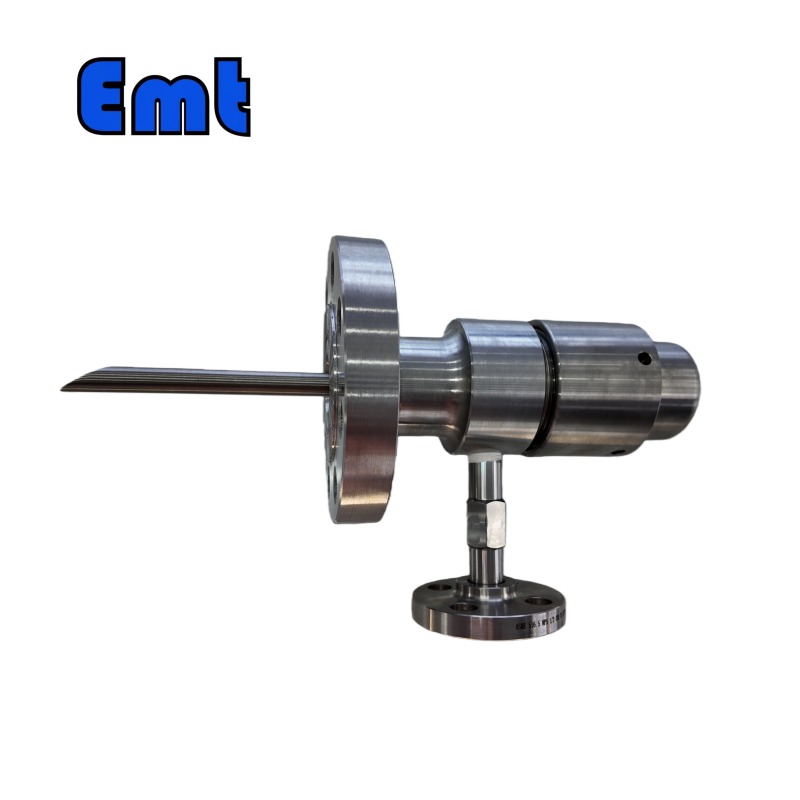
Most quills include an isolation valve and a check valve. These stop backflow and let crews remove the quill under pressure. Retractable designs add a stuffing box so the tube slides in and out during operation. This feature speeds maintenance and avoids a line shutdown.
Chemical Injection Quills
Chemical injection quills and corrosion monitoring share the same goal: protecting the pipeline from internal damage. Plants often install a quill near the corrosion monitoring access fitting so the inhibitor reaches the probe area first. In this way, the quill and the monitoring point work as one defense line.
Good corrosion monitoring tells you how much chemical the line actually needs. The data then guides the injection rate at the quill. Together, they cut chemical cost and extend asset life. EMT can supply both the quill and the monitoring hardware for a matched package.
Where Do Sample Probes Fit In?
A sample probe pulls a small stream of fluid out of the line for lab analysis. Like a quill, it mounts on a tee and reaches the flow center. However, the sample probe extracts, while the chemical injection quills add. Many pipelines run both on the same header.
Installing a sample probe next to the quills lets you verify treatment effect on-site. You inject, then sample, then confirm the result. This loop keeps water quality and inhibitor film within target. For complete control, EMT offers quills, probes, and corrosion monitoring as one coordinated set.
Key Features
- Centerline injection tip— Places chemical in the fast flow for even, rapid mixing.
- ASME flange & tee builds— Rated for pipeline pressure with documented material certs.
- Isolation and check valves— Stop backflow and allow safe, pressurized removal.
- Retractable tube option— Slides out for service without halting the line.
- 316 / 316L stainless steel— Resists sour, salty, and acidic service environments.
- Dual-port design— Supports chemical injection quills plus a sample or monitoring port.
FAQ
What are chemical injection quills used for?
They dose corrosion inhibitor, biocide, and scale control into live pipelines. The quill places the chemical at the flow center for fast, even mixing.
Can chemical injection quills be installed without shutting down the line?
Yes. Retractable quills use an isolation valve and stuffing box. Crews insert or pull the tube while the pipeline stays pressurized and running.
How do quills relate to corrosion monitoring?
A quill near the corrosion monitoring fitting delivers inhibitor straight to the protected zone. The monitoring data then sets the correct injection rate.
Should I add a sample probe with the quills?
If you need to verify treatment, yes. A sample probe on the same header lets you test the fluid after dosing. It closes the control loop.
Are EMT quills certified?
EMT builds chemical injection quills to ASME standards and provides material and pressure test certificates with each order.
Reviews
There are no reviews yet.