
Description
What Is EMT Quill?
EMT Quill delivers precise chemical injection for oil and gas pipelines. It injects corrosion inhibitors, scale inhibitors, oxygen scavengers, methanol, and dehydration chemicals into pipelines under operating pressure. The device maximizes chemical dispersion efficiency. It controls corrosion rates. It extends pipeline service life.
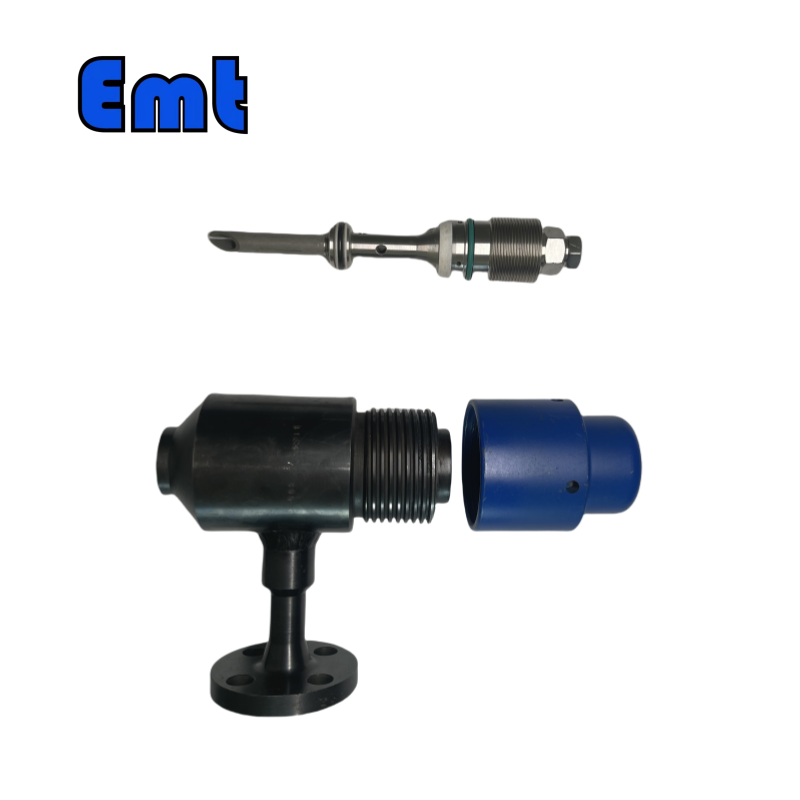
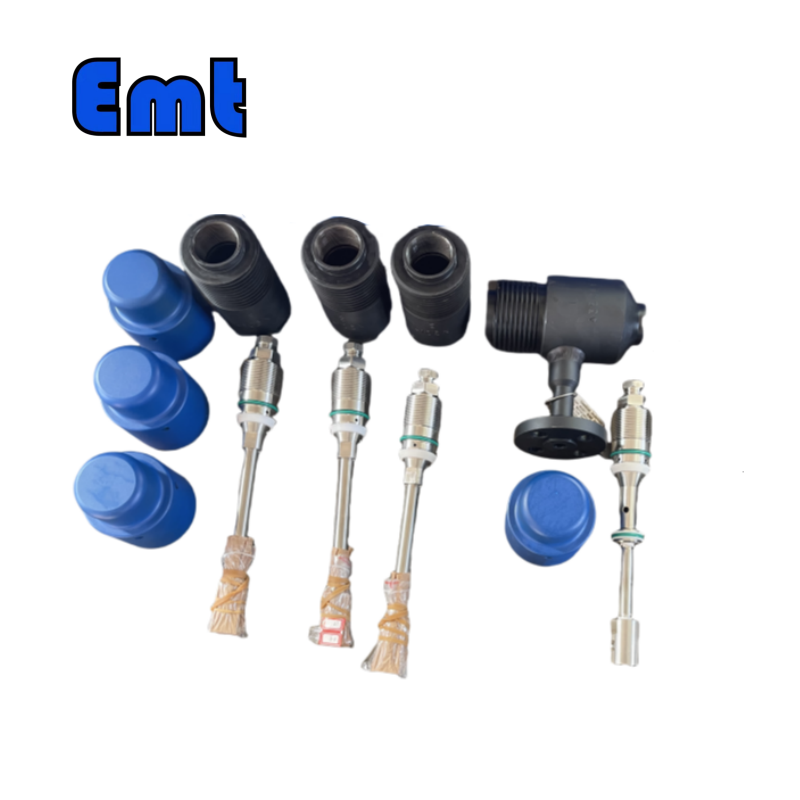
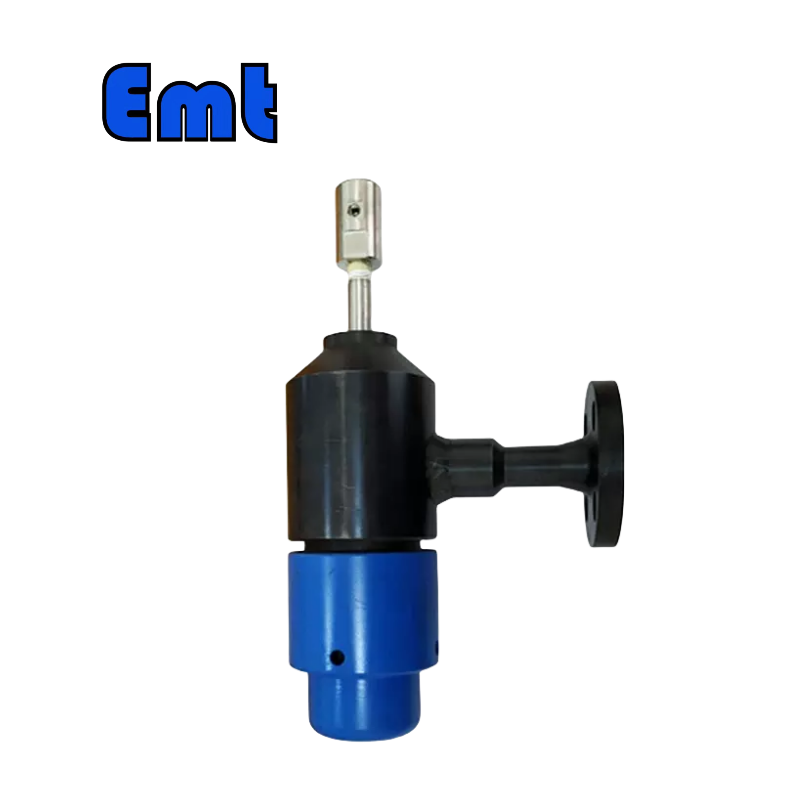
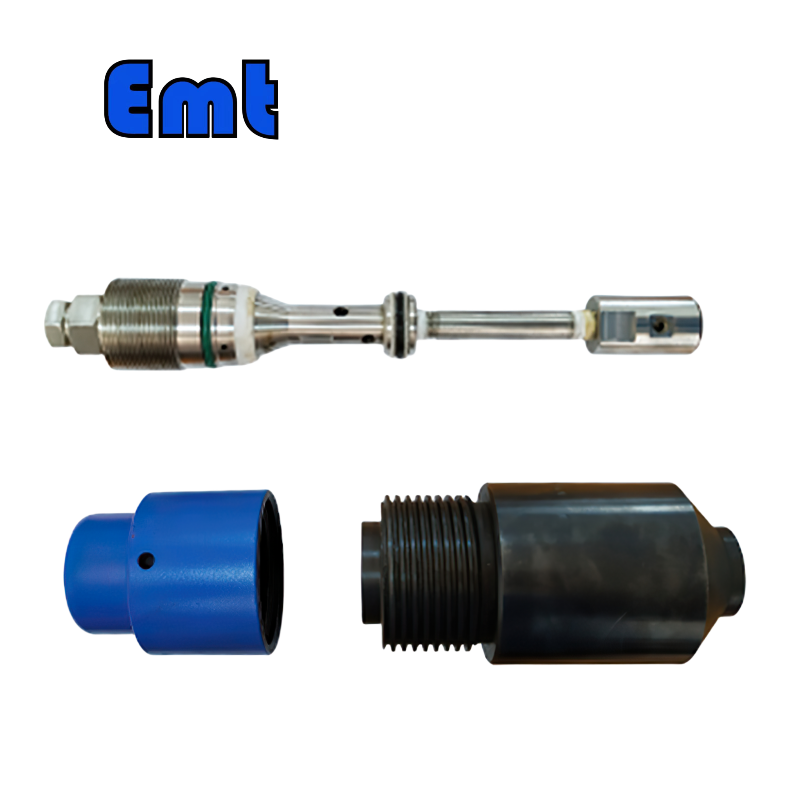
The chemical injection quill mounts on the pipeline via an access fitting. The plug assembly carries the injection tube into the flow. Chemicals enter through the side connection. They exit through the nozzle. The nozzle type determines injection performance.
EMT Quill serves both injection and sampling functions. Operators inject chemicals through the tube. They also extract pipeline media for analysis. This dual function adds operational flexibility at low extra cost.
The manufacturer designs each quill for specific site conditions. Pressure ratings range from 150LB to 1500LB. Temperature range spans -70°C to 120°C. Material options include carbon steel, 316SS, 316LSS, duplex stainless steel, and Inconel.
What Are the Key Parameters?
EMT Quill offers a wide range of technical specifications. Select parameters based on pressure, temperature, and fluid composition. The tables below summarize the main parameters for each connection type.
General Technical Parameters
| Parameter | Specification |
|---|---|
| Operating Temperature | -70°C to 120°C |
| Pressure Rating | 150LB, 300LB, 600LB, 900LB, 1500LB |
| Flange Standard | ANSI B16.5 / API 6A |
| NPT Tee Size | 1/4″, 1/2″, 3/4″, 1″ |
| Injection Tube Size | 1/4″, 1/2″, 3/4″, 1″ |
| Standard Internal Material | 316L |
| Standard Seal Material | Viton O-Ring + PTFE |
Body Material Options
| Code | Material | Application |
|---|---|---|
| 0 / CS | Carbon Steel | Standard service, economical choice |
| 1 / 316SS | 316 Stainless Steel | H₂S or weakly corrosive media |
| 2 / 316LSS | 316L Stainless Steel | Better corrosion resistance than 316 |
| 3 / DSS | Duplex Stainless Steel | High Cl⁻ content, marine environments |
| 4 / INCONEL | Inconel | Extreme corrosion, high T & P |
Nozzle Type Options
| Type | Feature | Application |
|---|---|---|
| Quill (Slotted) | Slotted open end, faces flow | Most corrosion inhibitor injection |
| Spray Nozzle | Sprays chemical, faces opposite flow | Gas lines, multiphase flow |
| Open End | Square-cut end, no direction | Low pressure, high viscosity |
| Cap & Core | Cap with side holes | Precision metering injection |
Flanged vs. Welded vs. Retractable?
EMT classifies chemical injection quills into three connection types. Each type suits different installation conditions, maintenance needs, and budget plans. Select the type that matches your pipeline layout and operation mode.


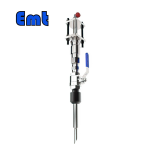
Flange Connection Type
The flange connection type uses a 2-inch ANSI RF or RJ flange. It mounts to the pipeline flange with bolted connection. This type allows easy removal for maintenance or replacement. It suits most onshore pipeline applications.Pressure rating covers 150LB to 1500LB. The flange face can be raised face (RF) or ring joint (RJ). Select RF for standard service. Select RJ for high-pressure or sour service.
- Easy installation and removal
- Bolted connection, no welding required
- Suitable for maintenance shutdown access
- Most common type for new pipeline projects
The welding connection type uses a 2-inch welded pipe saddle. The saddle welds directly to the pipeline wall. This type saves space in congested pipe racks. It suits retrofit projects and space-limited installations.Welding requires qualified welding procedure and NDT inspection. After welding, the saddle becomes a permanent part of the pipeline. Removal requires cutting and re-welding. Plan the location carefully before welding.
- Compact design, minimal space requirement
- Permanent installation, very stable
- Lower cost than flanged type (no flange cost)
- Requires welding procedure qualification
- Online retrieval and insertion under pressure
- No production shutdown required
- Locking pin with seal ring for safety
- Higher initial cost, lower downtime cost
How to Select the Right Type?
Selection depends on three factors: pipeline pressure, maintenance access, and shutdown tolerance. Use the guide below to narrow down the options.
Flange connection:
Choose flange connection when easy removal matters. This type suits new pipeline projects. It also suits sites with regular maintenance shutdown. The bolted connection allows quick removal for inspection or replacement.
Welding connection:
Choose welding connection when space is limited. This type suits retrofit projects. It also suits permanent installations with no removal plan. The welded saddle becomes part of the pipeline structure.
Retractable type:
Choose retractable type when shutdown is not acceptable. This type suits high-pressure mainlines. It also suits remote sites where shutdown is expensive. The higher initial cost pays back through reduced downtime.
Typical application scenarios:
- Onshore pipeline corrosion inhibitor injection
- Offshore platform chemical injection (space-limited)
- High-pressure gas pipeline methanol injection
- Refinery process unit corrosion control
- Water injection system scale inhibitor injection
- Pipeline fluid sampling for corrosion monitoring
Why Choose EMT as Manufacturer?
EMT Pigging Technology Co., Ltd. manufactures pipeline accessories for the oil and gas industry. The company holds ASME U Stamp certification.EMT supplies quick opening closures, corrosion monitoring systems, and chemical injection quills to EPC contractors and end users worldwide. For each project, the engineering team matches quill specifications, material selection, and corrosion risk assessment to site-specific operating conditions.This engineering support ensures long-term reliable performance.

EMT Quill complies with international standards including ASME, API, and NACE. The manufacturer tests each unit before delivery. It provides 3.1 or 3.2 inspection certificates upon request. It supports NDT, hydrostatic testing, and customer witness testing.
The company maintains stock of standard configurations.EMT Quill delivers reliable chemical injection for pipeline integrity management. The manufacturer combines proven design with strict quality control. It supports the oil and gas industry with dependable products and responsive service.
Reviews
There are no reviews yet.