
Description
What Is the LCQZ-ZF Disc Pig?
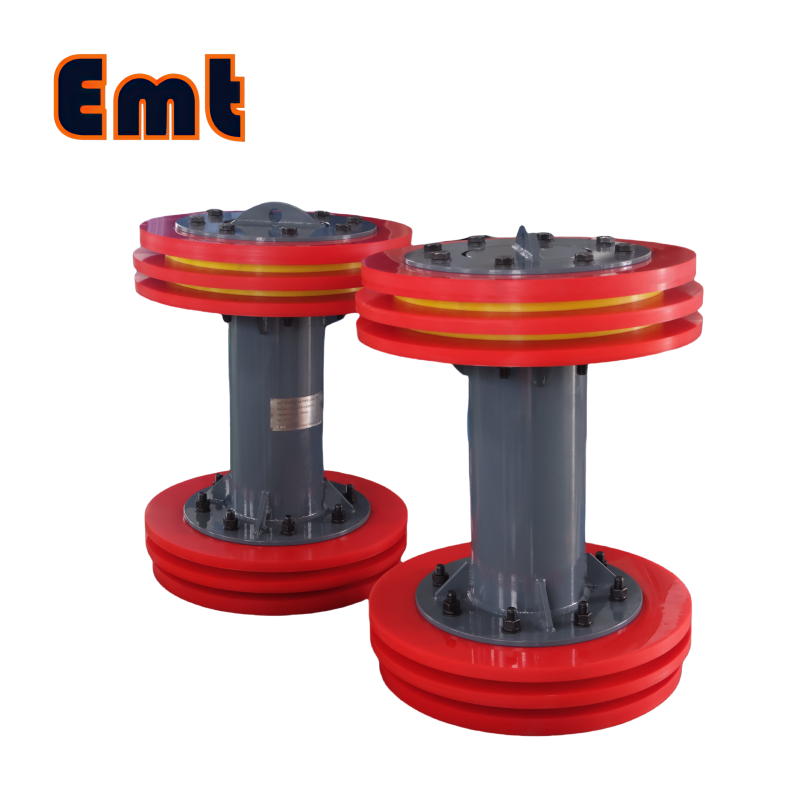
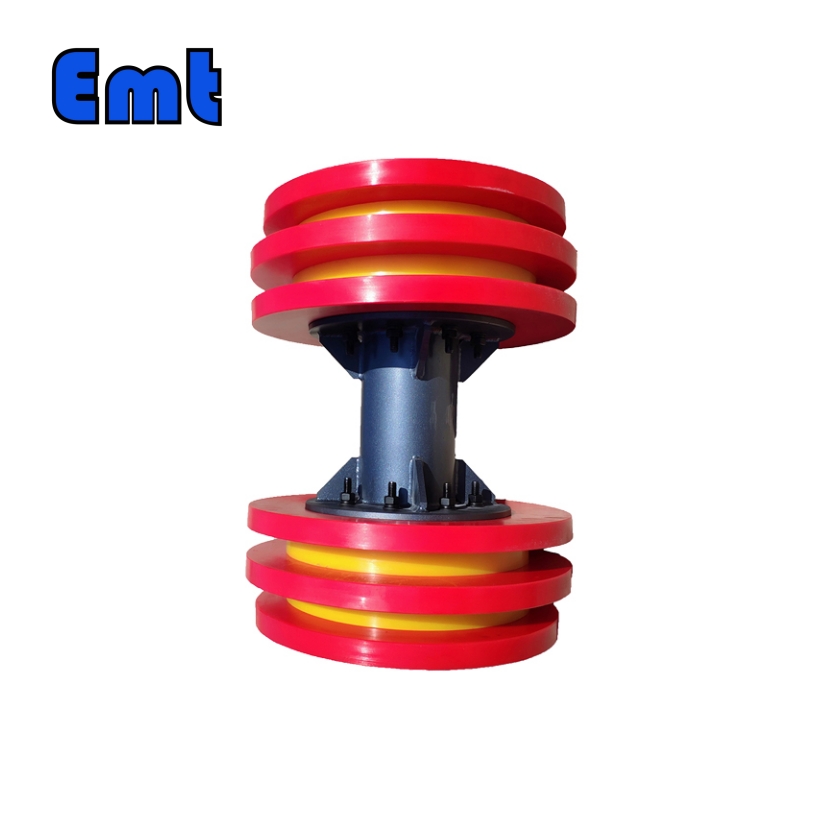
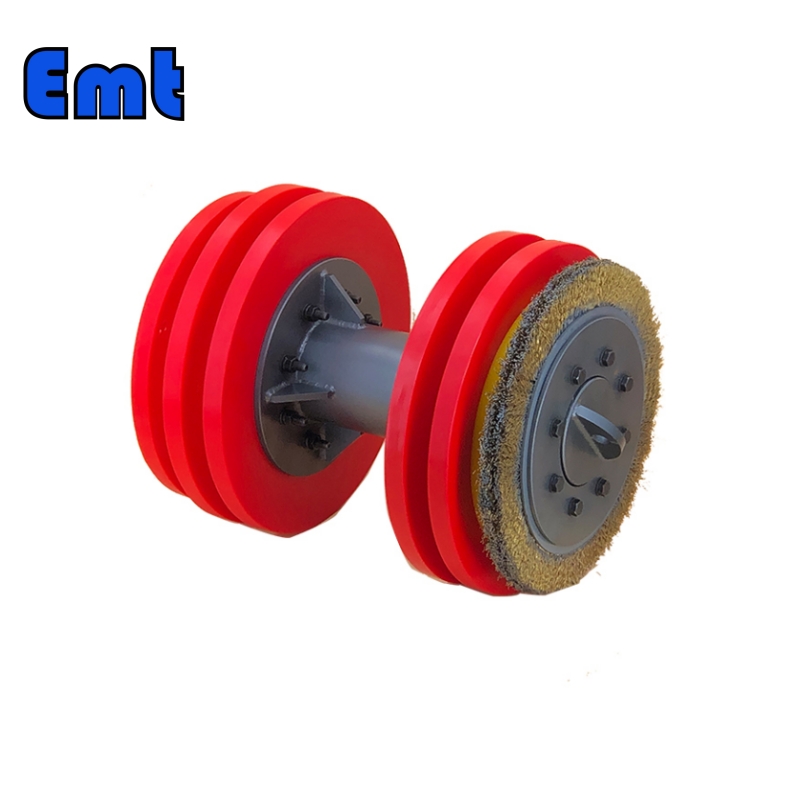
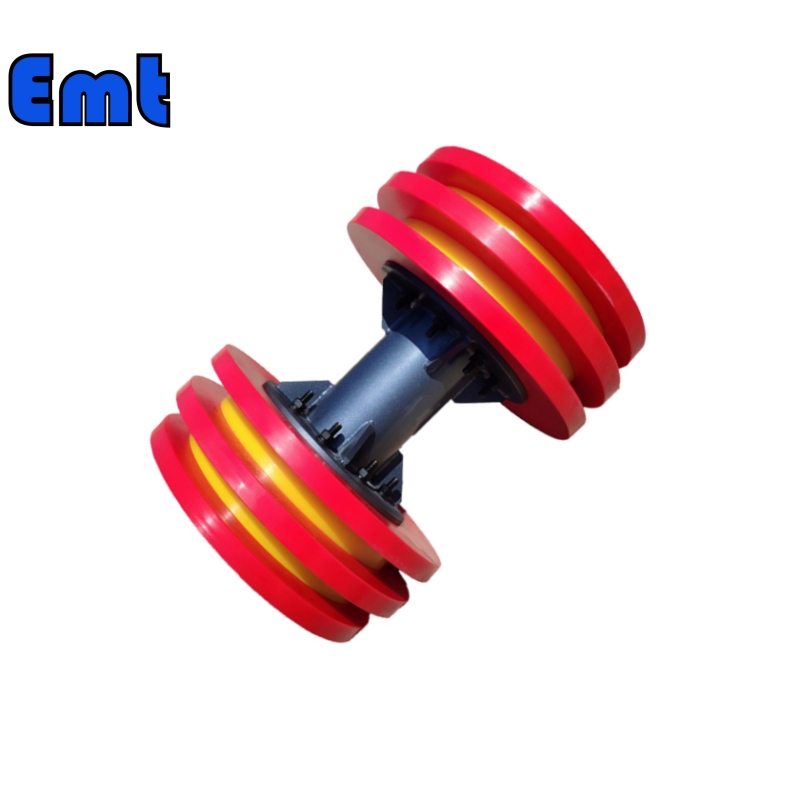
The LCQZ-ZF is a bi-directional disc pig used for pipeline cleaning, dewatering, and gauging. It travels in both flow directions, so you do not need to launch and receive at opposite ends. The pig uses disc plates to seal against the pipe wall and push debris forward. You can add wire brushes, gauging plates, or magnetic cages for tougher jobs.
EMT builds the LCQZ-ZF with a steel mandrel frame. The frame carries multiple disc plates made from polyurethane, Viton, neoprene, or nitrile rubber. You choose the disc material based on temperature, medium, and abrasion level. The result is a rugged pig that passes bends, tees, and diameter changes without getting stuck.
Technical Specifications
| Model | LCQZ-ZF |
|---|---|
| Pig type | Bi-directional disc pig |
| Nominal diameter (DN) | DN50 – DN1200 (2″ – 48″) |
| Overall length | 1.3 × DN |
| Overall diameter | 1.05 × DN (5% interference) |
| Minimum bend radius | ≥ 1.5 DN (DN ≤ 150 mm: ≥ 2.5 DN) |
| Operating temperature | –40 °C to +90 °C |
| Operating pressure | ≤ 10 MPa |
| Starting pressure | 0.02 MPa |
| Recommended speed | 1 – 2 m/s |
| Mandrel material | Carbon steel / 304 stainless steel |
| Disc material | Polyurethane (PU), Viton, Neoprene, NBR |
| PU hardness | Shore A 85 ± 2 (other grades on request) |
| PU tensile strength | 51.7 MPa |
| PU tear strength | 73 kN/m |
| PU abrasion loss (DIN) | 35 mm³ |
| Accessories (optional) | Wire brush, nylon brush, gauging plate, magnetic cage, electronic transmitter |
| Standards | ASME B31.3, ISO 9001 |
| Packing | Inner plastic film + plywood case |
How Does a Bi-Directional Disc Pig Work?
A disc pig seals against the pipe wall with flexible disc plates. The pressure difference across the pig pushes it forward. As the pig moves, the discs scrape deposits from the wall and push debris ahead.
The bi-directional design means the pig runs forward and backward. You launch it, run it to the receiver, then reverse flow and run it back. This doubles the cleaning passes in one operation. For dewatering after hydrostatic testing, the bi-directional feature is especially useful. You sweep water out in one direction, then reverse and sweep again without retrieving the pig.
The LCQZ-ZF carries accessories that bolt to the mandrel:
- Wire brushes scrub hard scale from the pipe wall.
- Gauging plates check for dents, ovality, or construction debris.
- Magnetic cages catch and hold ferrous debris.
- Electronic transmitters send signals through the pipe wall for surface tracking.
Key Features
- Steel Mandrel Frame— The central skeleton carries all discs and accessories. It is made from carbon steel or stainless steel. The frame keeps the pig straight in the pipe and resists bending under high push pressure.
- Interchangeable Disc Plates— You change disc material, hardness, and quantity to match the job. Soft polyurethane discs give a tight seal in worn or oval pipes. Hard discs last longer in abrasive slurry. EMT supplies discs in Shore A 75–90.
- Low Push Pressure— The disc design needs only 0.02 MPa starting pressure. Low push pressure means less driving fluid and lower risk of pig stuck incidents. For long pipelines, this matters.
- Bi-Directional Operation— One pig gives two cleaning passes. You save launcher/receiver cycle time and reduce pig count per job.
- Accessory Ready— The mandrel has threaded holes for brushes, gauging plates, magnetic cages, and electronic transmitters. You reconfigure the pig for cleaning, gauging, or debris capture without changing the frame.
- Electronic Tracking Compatible— Add an EMT electronic transmitter. The signal passes through steel pipe wall and soil. A surface receiver picks up the signal so you know where the pig is at all times.
Where Should You Use It?
- Hydrostatic Test Dewatering— After pressure testing, you need to remove water from the pipeline. The LCQZ-ZF sweeps water ahead of it. Run bi-directional to dry the line in fewer passes.
- Pre-Commissioning Cleaning— New pipelines contain welding slag, rust, and construction debris. The disc pig with wire brushes removes these before commissioning. Gauging plates check that the pipe is clear.
- Product Separation— When you change the product in a multi-product pipeline, the disc pig separates the batches. The tight disc seal prevents mixing.
- Routine Maintenance Cleaning— Paraffin, scale, and black powder build up over time. Regular pigging with the LCQZ-ZF keeps flow rates up and pressure drop down.
- Debris Capture— Add a magnetic cage to collect ferrous scale and welding slag. This protects compressors, pumps, and valves downstream.
Why Choose EMT LCQZ-ZF?
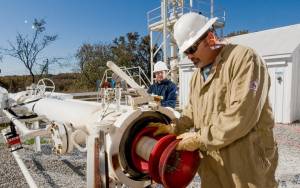
EMT has built pipeline pigs since 1993. The LCQZ-ZF design has been refined through thousands of field runs in China, the Middle East, and Southeast Asia. You get:
- Proven design — used in oil, gas, and water pipelines worldwide.
- Material options — PU, Viton, neoprene, NBR to match your medium.
- Custom configuration — disc count, brush type, transmitter, gauging plate.
- Fast delivery — standard sizes from stock, custom in 2–3 weeks.
- Technical support — EMT engineers help you select disc count, material, and accessories.
Reviews
There are no reviews yet.