
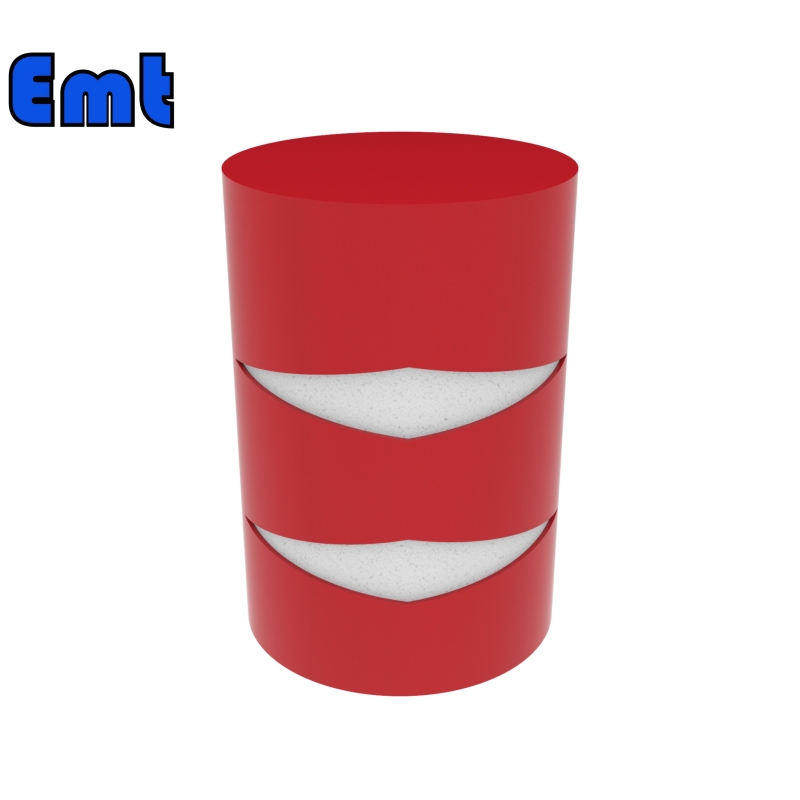
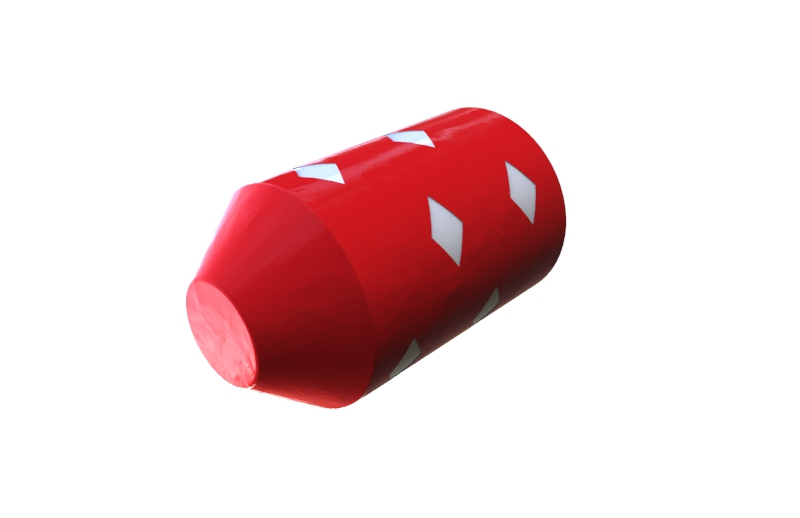

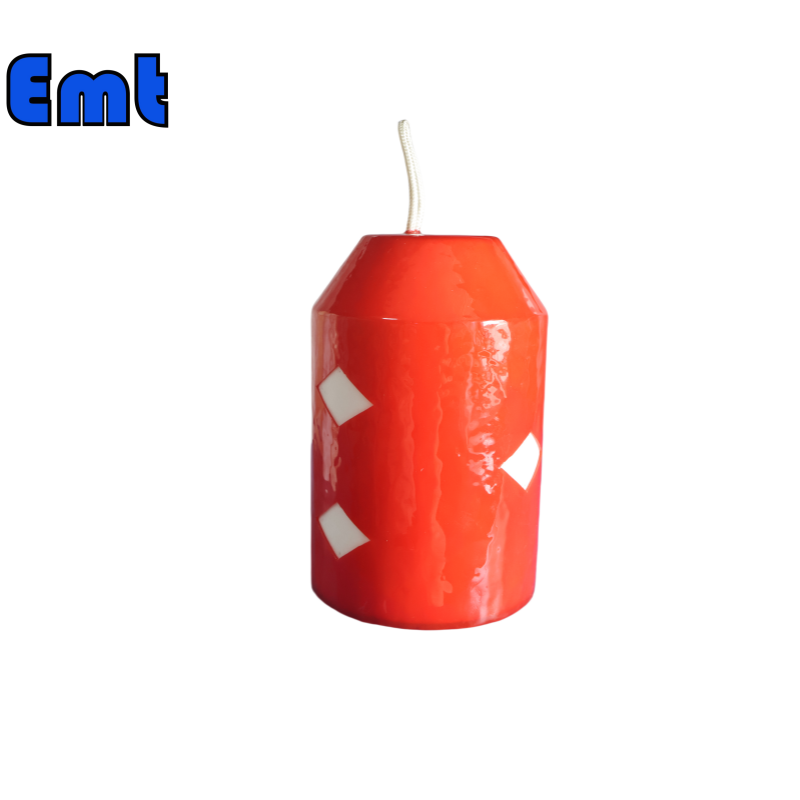
Description
TL;DR
The EMT bare criss-cross foam pig is a flexible pipeline cleaning tool with a polyurethane body and diagonal abrasive strips. It removes loose debris, dries lines, and separates batches. It handles 2 to 48 inch lines and tight bends. NACE-compliant materials available.
Product Introduction
The bare criss-cross foam pig is a flexible pipeline cleaning tool built by EMT for oil, gas, and water lines that need light scraping without metal contact. It drives loose scale, rust, and debris ahead of the batch, dries lines after hydrotest, and separates product grades during batching.
Key points:
– Flexible polyurethane body — Compresses through 1.5D bends and reduced-bore valves without sticking
– Diagonal abrasive strips — Criss-cross poly strips add scrubbing action far beyond a bare foam pig
– Multi-phase service — Runs in gas, liquid, or dual-phase flow with low driving pressure
Unlike a bare foam pig, the criss-cross version carries embedded abrasive strips that lift soft deposits while staying wall-safe.
What Problem Does a Bare Criss-Cross Foam Pig Solve?
When an operator runs a bare foam pig through a line with light fouling, it pushes debris but leaves soft deposits behind, forcing a second run or a harsher tool. That wastes downtime and risks wall damage.
Q: Why choose a criss-cross foam pig over a bare foam pig?
A: The bare criss-cross foam pig adds diagonal abrasive strips that scrub soft scale and rust during the same pass. It cleans more thoroughly than a bare foam pig while staying flexible enough for tight bends. One run replaces two, cutting pigging downtime.
Technical Parameters
EMT builds every foam pig from high-resilience polyurethane with full material traceability. Standard and custom sizes are available on request.
| Parameter | Specification |
|---|---|
| Available Sizes | 2″-48″ (DN50-DN1200) |
| Body Material | Open-cell / closed-cell polyurethane foam |
| Abrasive Strips | Diagonal (criss-cross) polyurethane, optional ceramic-embedded |
| Foam Density | 30-150 kg/m³ (2-9 lb/ft³) |
| Temperature Range | -40°C to 100°C |
| Max Operating Pressure | ≤ 10 MPa differential (typical) |
| Bypass | None (solid body) / optional bypass port |
| Compatibility | Gas, liquid, dual-phase service |
| Min. Bend Radius | 1.5D |
| Design Standard | NACE SP0102 Pipeline Pigging Practice |
| Certifications | ISO 9001, EN 10204 3.1 material certificates |
Product Advantages
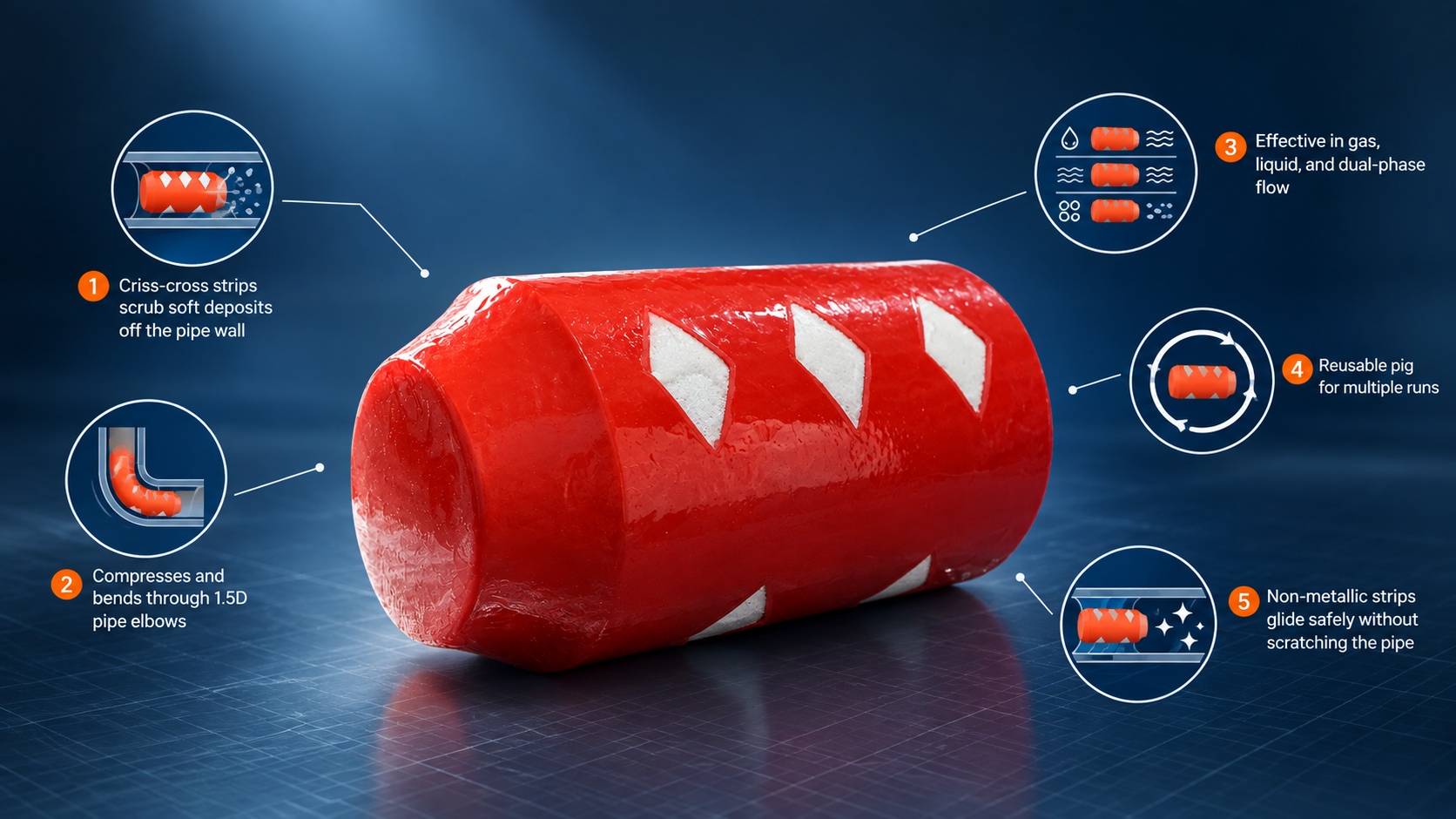
- Light scrubbing action — Criss-cross strips remove soft deposits that a bare foam pig leaves behind
- Bend-friendly body — Polyurethane foam compresses through 1.5D bends without jamming
- Multi-phase use — Performs in gas, liquid, or dual-phase lines with only 1-3 bar driving pressure
- Reusable design — Withstands multiple runs in light-service conditions for lower cost per mile
- Wall-safe cleaning — Non-metallic strips clean without scoring the pipe interior
Where Is a Bare Criss-Cross Foam Pig Used?
- Onshore gas transmission — Drying lines after hydrotest and commissioning
- Crude oil trunk lines — Light batching between product grades
- Water injection systems — Removing biofouling and loose debris
- Refinery turnarounds — Short, frequent cleaning runs in plant piping
- Subsea tiebacks — Low-pressure dewatering before start-up
- Petrochemical plants — Separating batch interfaces during product changeover
About EMT
EMT is a Shenyang-based manufacturer of oil and gas pipeline accessories with 25+ years of engineering experience in the energy sector.
Our rigorous and unwavering commitment to quality control over the years has made our pig indicators listed as the sole Chinese brand products in the optional products in multiple CNOOC projects. As early as 2010, we began providing products for oil projects in the Asia, Africa and Latin America region, with long-term and ongoing projects such as PDOC, DPOC, Hafaya, Misan, and Graf oil fields, and without receiving any negative quality feedback. At present, our products have also been recognized by companies such as CCED, Oxy, Saudi Aramco, and Shell, and have become members of the “Pigging Products and Services Association (PPSA)”, presenting yet another way for pipe project contractors to access affordable, top-tier products.
Exhibitions
EMT regularly exhibits at major oil and gas events worldwide:
- ADIPEC 2025, Abu Dhabi, UAE (November 2025)
- NACE Corrosion 2025, Houston, TX, USA (March 2025)
- OTC Asia 2025, Kuala Lumpur, Malaysia (March 2025)
- Hannover Messe 2025, Hannover, Germany (April 2025)
Pre-show meeting requests can be sent via the contact page to schedule dedicated engineering time.
Frequently Asked Questions
Q: What is a bare criss-cross foam pig used for?
A: This foam pig cleans light fouling, dries pipelines after hydrotest, and separates product batches. Its diagonal abrasive strips scrub soft deposits while the flexible body navigates bends. It suits gas, liquid, and dual-phase service.
Q: How does a criss-cross foam pig differ from a bare foam pig?
A: A bare foam pig only pushes debris. The criss-cross version adds diagonal abrasive strips that remove soft scale and rust in the same pass. It cleans more thoroughly while staying flexible enough for tight-radius bends.
Q: What sizes are available for the foam pig?
A: EMT supplies the bare criss-cross foam pig from 2 to 48 inch (DN50-DN1200). Custom diameters, densities, and strip configurations are available on request to match your line profile.
Q: Can the foam pig handle tight pipeline bends?
A: Yes. The polyurethane body compresses through bends down to 1.5D radius and passes reduced-bore valves. Its flexibility prevents the jamming common with rigid steel pigs.
Q: What certifications back the manufacturing quality?
A: EMT holds ASME U-Stamp and ISO 9001 certification and issues EN 10204 3.1 material certificates. Foam pigs follow NACE SP0102 pigging practice for material and process control.
Related Products
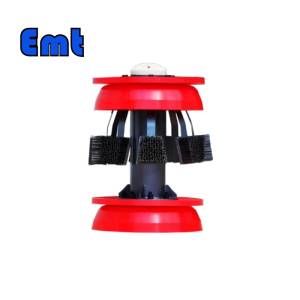
Spring Steel Brush Pig vs. Criss-Cross Foam Pig
Choosing the right pig starts with the job. A spring steel brush pig drives rigid steel bristles against the pipe wall. It removes heavy scale, rust, and old coating during pre-commissioning. The trade-off is force: steel can score thin or coated lines, and sparks risk ignition in gas service. It is also heavier and harder to launch by hand.
The criss-cross foam pig takes a lighter path. Its polyurethane body carries non-metallic strips in an X pattern. These strips scrub the soft deposits a bare foam pig leaves behind, without scratching the wall. The foam body compresses through 1.5D bends and never jams. It runs in gas, liquid, or dual-phase lines at just 1–3 bar driving pressure.
Reusability sets it apart. In light service, one foam pig completes multiple runs, cutting cost per mile. It is also light and easy to handle on site. The steel brush pig wears its bristles and suits fewer passes.
Reviews
There are no reviews yet.