Every year, wax and scale quietly steal capacity from oil and gas lines. Pressure rises. Pumps work harder. Operators face unplanned stops and rising energy bills. Pipeline pigging is the proven fix — but the wrong pig can jam, bypass, or waste a whole run.
Why Lines Lose Flow
Crude and product lines build internal deposits. Paraffin wax coats the wall. Scale and rust follow. Debris from construction settles in low spots. Each layer narrows the bore and raises friction.
Left alone, these deposits cut throughput and push pressure past safe limits. In pigging oil operations, a wax-heavy line can lose 10–20% of its rated capacity before anyone notices.
That is where pipeline pigging earns its keep. A pig travels the line and scrapes, sweeps, or batches the contents. The result: restored diameter, lower pressure, and fewer shutdowns.
Meet the Pipeline Pig
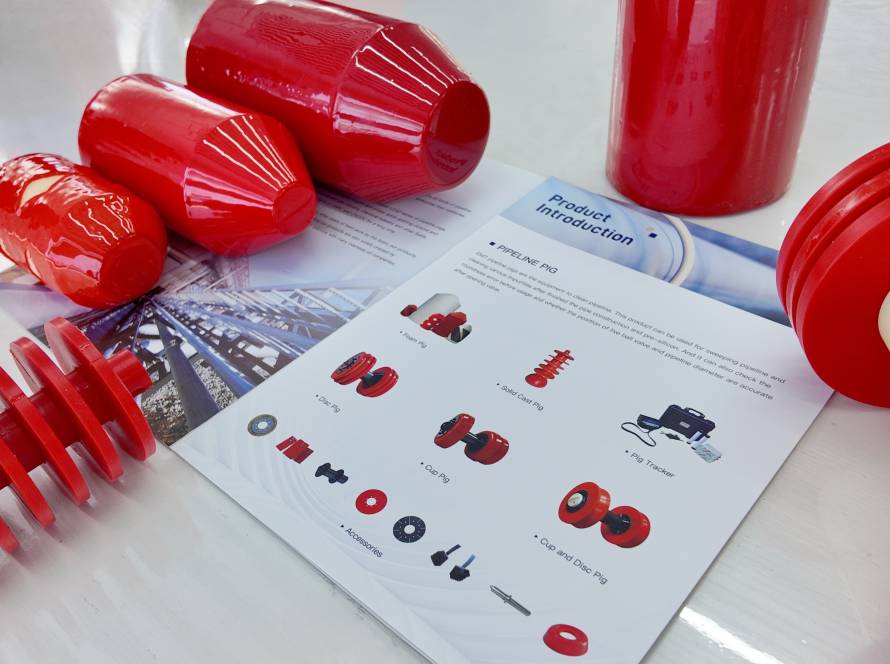
A pipeline pig is a tool sent through the pipe on the product flow. It seals against the wall and performs a job as it moves. Three families cover most field needs: the foam pig, the disc Bi-Di pipeline pig, and the solid cast pig.
[Explore EMT pipeline pigging solutions](URL-1)
Foam Pig — Flexible First Pass
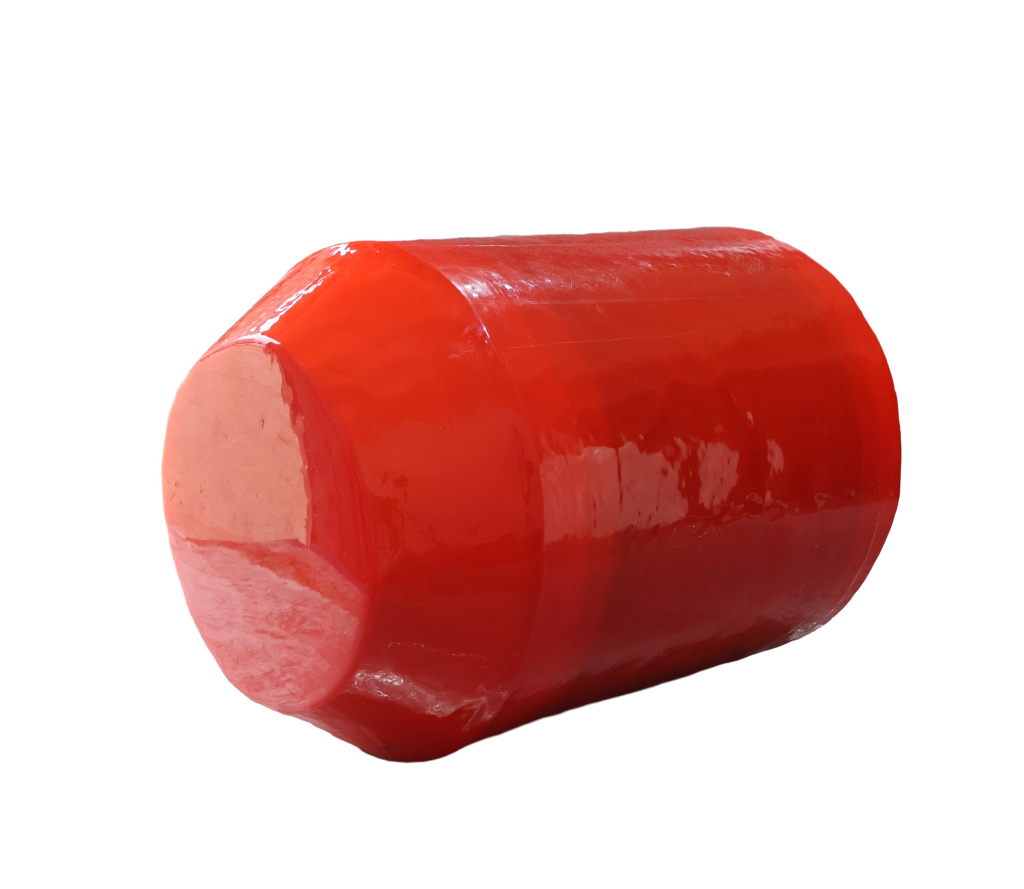
The foam pig is a solid polyurethane-foam body, often coated for wear. It bends through elbows and diameter changes that rigid pigs cannot pass.
Use it for batching, drying, and light sweeping. It is cheap and disposable — perfect for the first run after commissioning or for pigging oil lines with soft wax.
The catch: it pushes more than it scrapes. Cleaning force is low, and one pass does little on hard scale. Treat it as a gentle starter, not a finisher.
Disc Bi-Di Pipeline Pig — The Workhorse
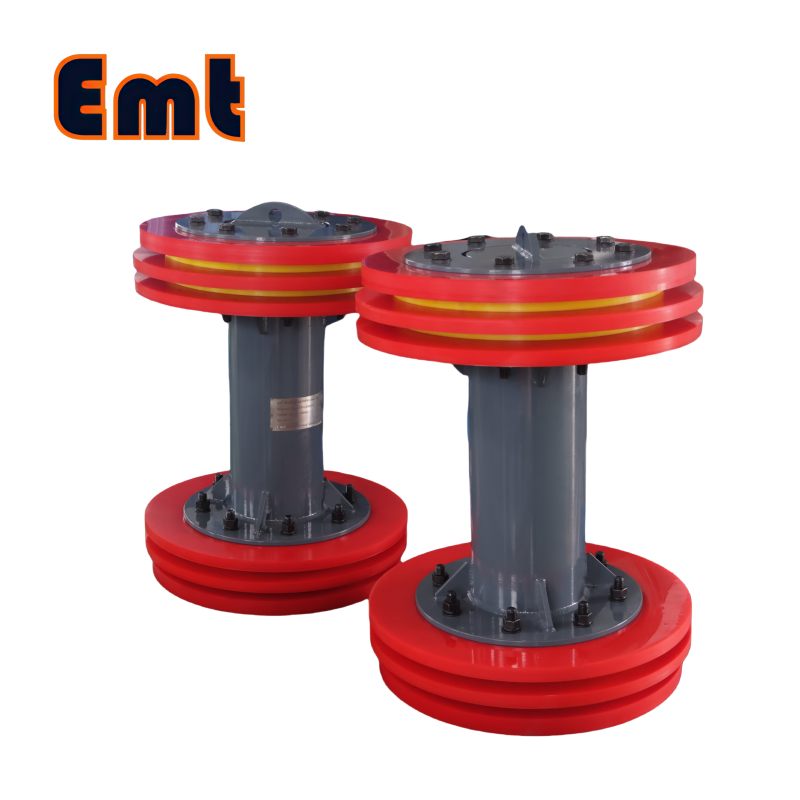
The disc Bi-Di pipeline pig stacks polyurethane discs on a mandrel. “Bi-Di” means bidirectional: it cleans in both travel directions. The discs seal the bore and drive wax, scale, and loose debris ahead of the tool.
This pig suits pigging oil pipelines with moderate deposits. It passes short-radius bends and holds a tight seal with low bypass. Many operators run it weekly to keep walls clean.
Watch the discs. They wear and crack over time. Inspect and replace them before each run to avoid a seized or bypassing tool.
Solid Cast Pig — Heavy-Duty Cleaning
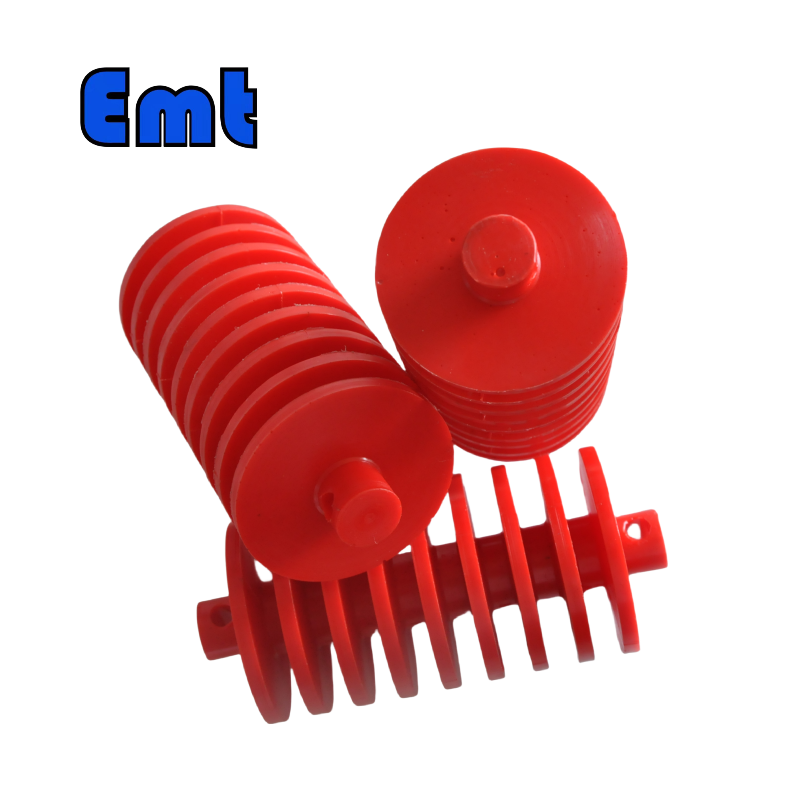
The solid cast pig uses a cast body with brushes and cups. It is the most aggressive option. It removes hard scale, old coatings, and packed debris, and it can gauge the line.
Reserve it for large diameters and demanding pipeline pigging jobs. It shines during pre-commissioning and major decontamination. The trade-off: it needs a fairly clean line and steady flow, or it can wedge in a restriction.
Choose by Diameter, Medium, and Goal
| Pig type | Best diameter | Best medium | Primary goal |
| Foam pig | 2″–48″ (any) | Gas, light oil, water | Batching, drying, light sweep |
| Disc Bi-Di pipeline pig | 4″–42″ | Crude, product, gas | Wax/scale removal, regular runs |
| Solid cast pig | 8″–56″ | Heavy crude, sludge | Hard scale, gauging, commissioning |
Match the medium too. Foam pigs dry gas lines. Disc Bi-Di pigs handle pigging oil with wax. Solid cast pigs attack heavy sludge and verify bore size.
Step up by goal. Start with batching and drying, move to wax removal, then finish with gauging only when the line is ready.
Pros and Cons at a Glance
- Foam pig — Cheap, flexible, passes any bend. Low cleaning force, single-use, poor on hard scale.
- Disc Bi-Di pipeline pig — Strong seal, bidirectional, reusable. Discs wear; needs inspection.
- Solid cast pig — Deep cleaning, gauges line. Costly, can jam, needs clean path.