
Description
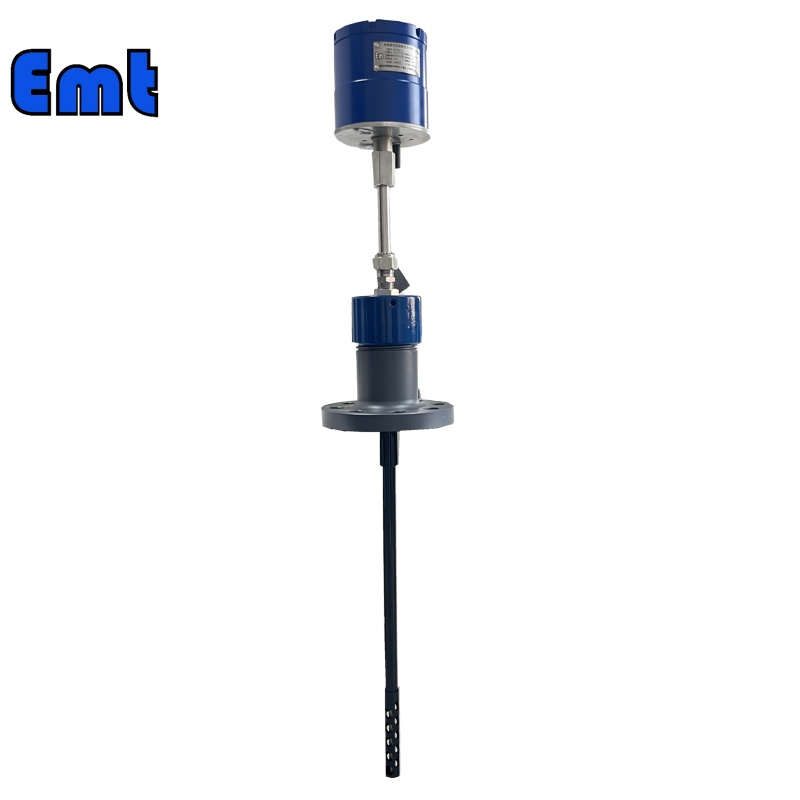
Corrosion Probe for Oil & Gas Pipelines From EMT
Resistance probe measurement (ER) is a detection method based on the measurement of metal loss. The metal loss is determined by the continuous change of the resistance value of the probe, so as to get its corrosion rate.This method can be used in almost all environments. It is not limited by the nature of the process. ER resistance corrosion probe’s sensitive element forms include ring type, tube type, ring tube type, flat head type and strip type. The main material is 316 stainless steel, and the material of the sensitive element can be customized to suit different monitoring environments.
Customer projects for EMT corrosion probes
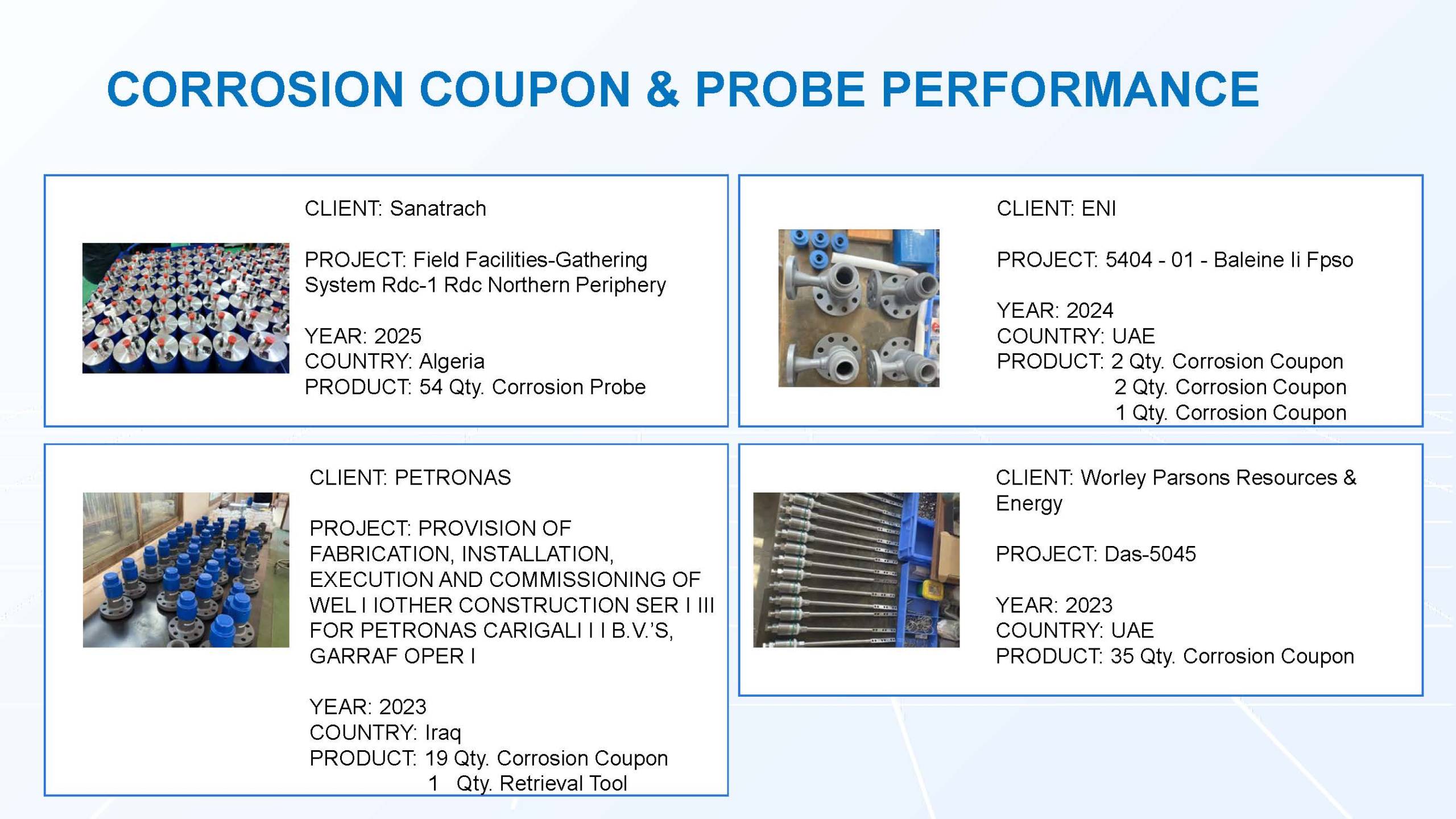
This measurement provides continuous online monitoring without any process shutdown. You can install and retrieve probes under full operating pressure using dedicated retrieval tools and service valves. This eliminates costly production interruptions.The probe features a fully welded sensor structure with 18-bit measurement resolution. It detects AC signal changes caused by test piece thinning from corrosion. When the measuring element material matches your pipeline grade, the measured rate accurately represents actual equipment conditions.
Technical Specifications
The data collector requires no on-site calibration. You configure it directly using the device ID.
| Parameter | Low-Pressure Model | High-Pressure Model (EP100) |
| Pressure Rating | Up to 10 MPa | Up to 45 MPa |
| Temperature Range | -20 °C to 260 °C (450 °C optional) | -200 °C to 260 °C (450 °C optional) |
| Measurement Resolution | 30 nm / 18-bit (1/262,144) | 30 nm / 18-bit (1/262,144) |
| Response Accuracy | 10 nm | 10 nm |
| Probe Service Life | 1–3 years at 0.25 mm/a | 1–3 years at 0.25 mm/a |
| Element Impedance Range | 1–50 milliohms | 1–50 milliohms |
| Probe Body Material | 316SS, 316LSS, DSS, INCONEL | 316SS, 316LSS, DSS, INCONEL |
| Seal Material | PTFE / FKM / HNBR | Glass-sealed aviation connector |
| Explosion-Proof Rating | Ex d IICT6 Gb | Ex d IICT6 Gb |
| Enclosure Protection | IP65 | IP65 |
| Max Collection Rate | 1 reading per minute | 1 reading per minute |
| Power Supply | 24 VDC / lithium battery | 24 VDC / lithium battery |
Engineered for Pipeline Safety
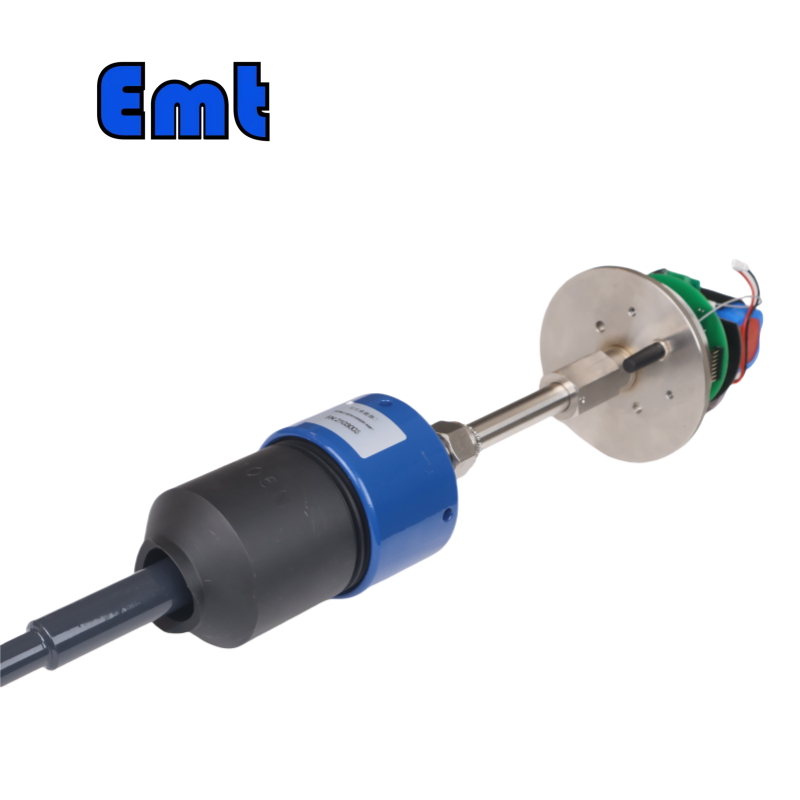
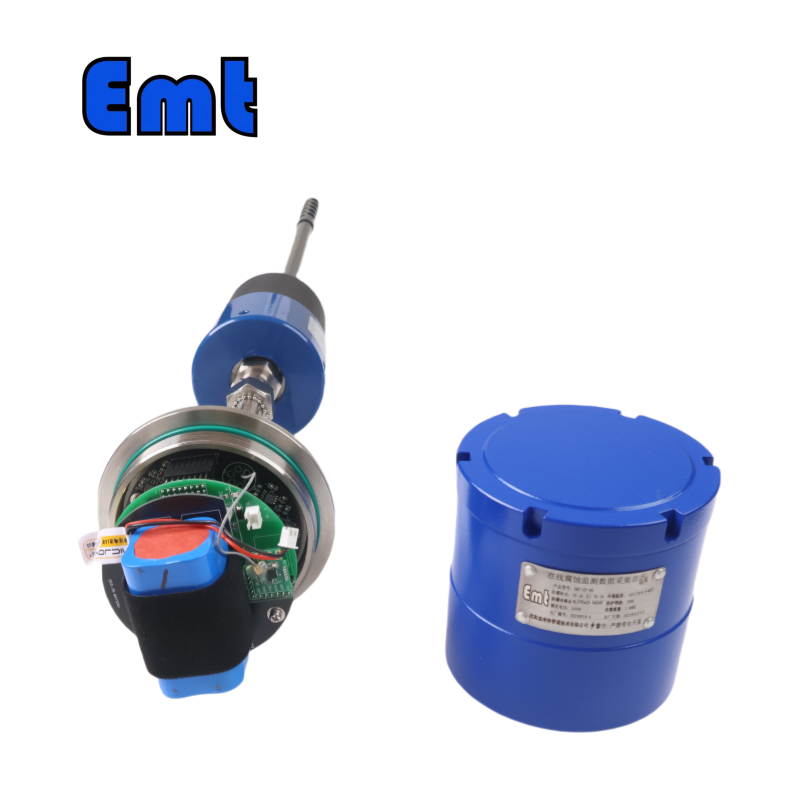
ER Probe features a fully welded sensor structure. This construction ensures reliable performance in harsh upstream and midstream environments. Three-level leak protection prevents media escape from ER Probe body.
First,level one integrates the measuring element with ER Probe body through fusion welding. Second,level two fills ER Probe rod with heat- and pressure-resistant compound. Third,level three seals the electrical connector with high-temperature glass sintering.In addition,for low-temperature service, the stuffing box uses polymer PTFE seals. For high-temperature service, it uses high-temperature graphite packing.
You perform hot-tap installation and retrieval without pipeline shutdown. The retrievable design supports both low-pressure retractable and high-pressure fixed mounting methods. Each corrosion probe connects to a hollow plug assembly.This allows pressurized removal using dedicated retrieval tools and service valves. Optional flow velocity protection caps shield the sensing element in high-flow conditions.
High Sensitivity and Fast Response Of ER Probe
The EMT ER probe system delivers real-time corrosion data for oil and gas pipeline operations. Specifically, it measures metal loss by detecting resistance changes in sensing elements exposed to corrosive process media. As a result, the system provides continuous online monitoring without any process shutdown. Additionally, you can install and retrieve the ER probe under full operating pressure using dedicated retrieval tools and service valves, which eliminates costly production interruptions.
Furthermore, the ER probe features a fully welded sensor structure with 18-bit measurement resolution. It detects AC signal changes caused by test piece thinning from corrosion. Consequently, when the measuring element material matches your pipeline grade, the measured rate accurately represents actual equipment conditions. Beyond pipeline monitoring, the ER probe applies to refineries, petrochemical plants, and offshore platforms. Moreover, it monitors multiphase media—including crude oil, natural gas, and produced water—in process piping and pressure vessels alike.
Contact us to Solve Problems
EMT corrosion probes serve refineries, petrochemical plants, power generation facilities, and water treatment systems. They monitor full-phase media including crude oil, natural gas, produced water, and concrete. You deploy them in process piping, pressure vessels, and below-grade soil monitoring stations.Probe lengths adjust to match your pipeline diameter specifications precisely.
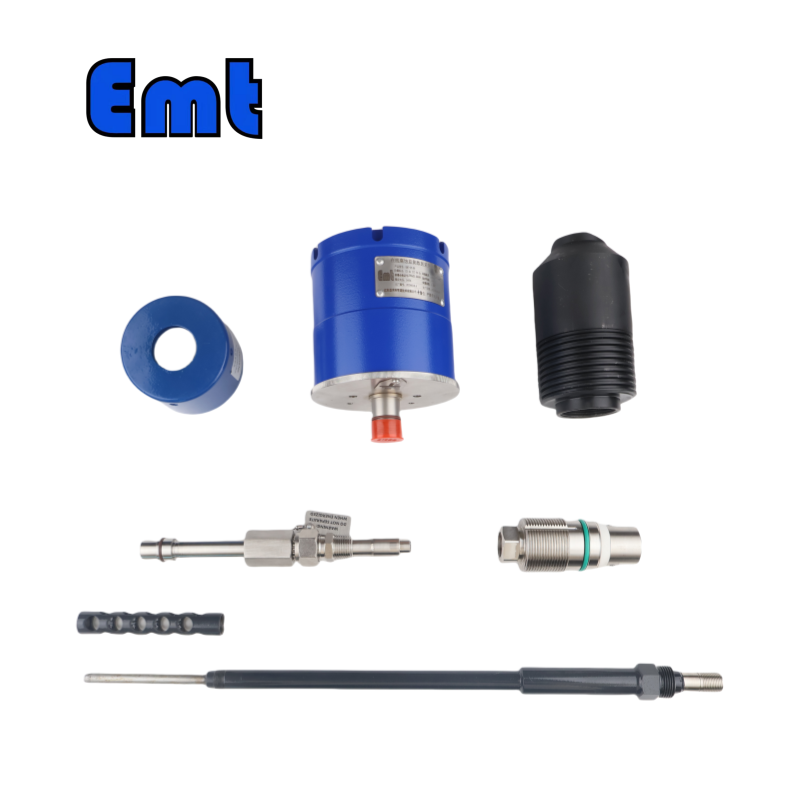
Components of the corrosion probe
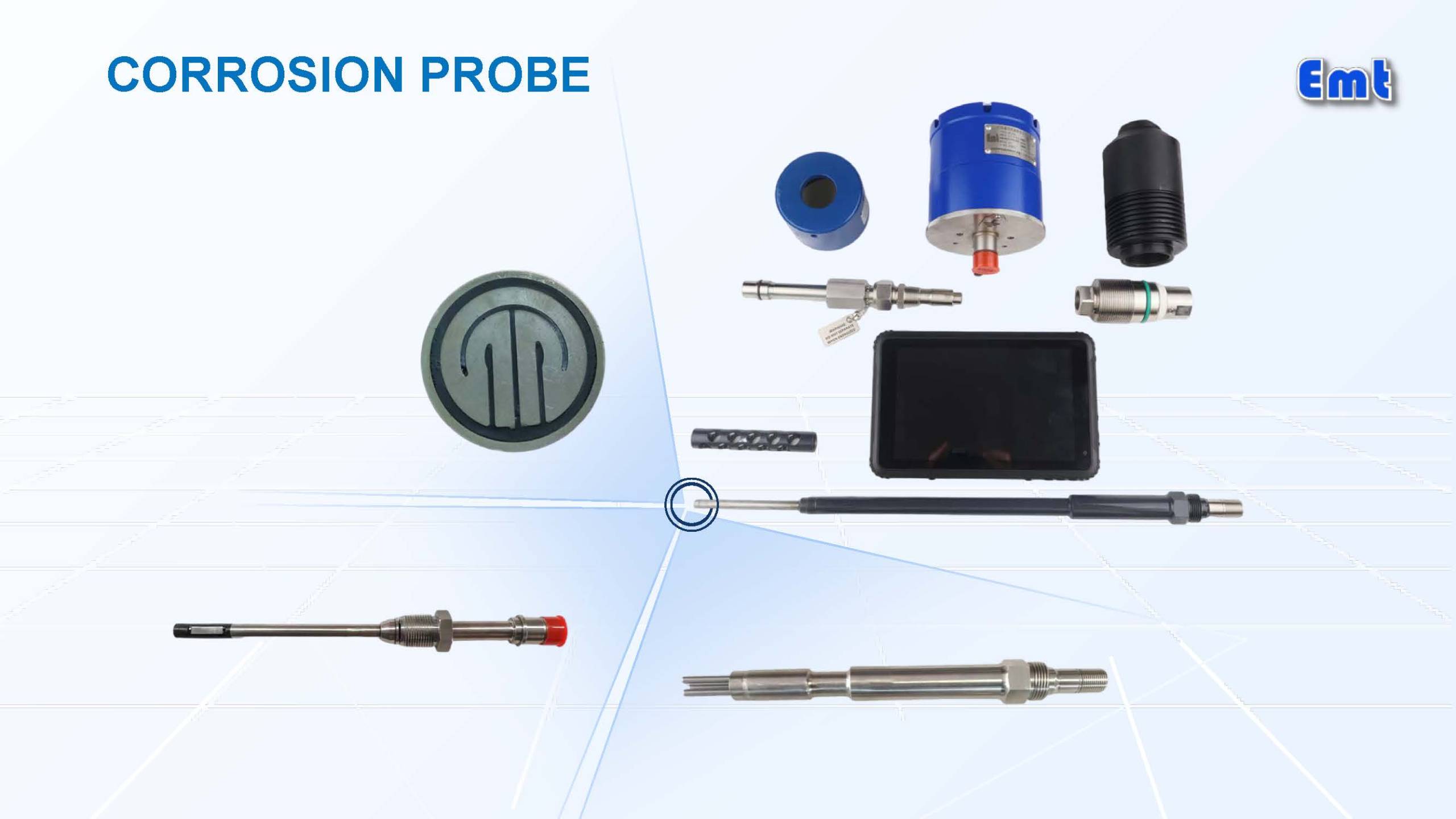
The system pairs with BS-version online monitoring software for real-time data visualization. This software collects, processes, and plots corrosion monitoring data automatically. It calculates point-to-point corrosion rates and generates downloadable reports.
You manage user permissions and event logs through a single web interface. Each corrosion probe assembly is fully configurable to match your process conditions. You select body material, seal type, element thickness, shield option, and probe length.
Contact EMT for custom specifications and detailed ordering information.
Reviews
There are no reviews yet.