
Description
Definition and Function
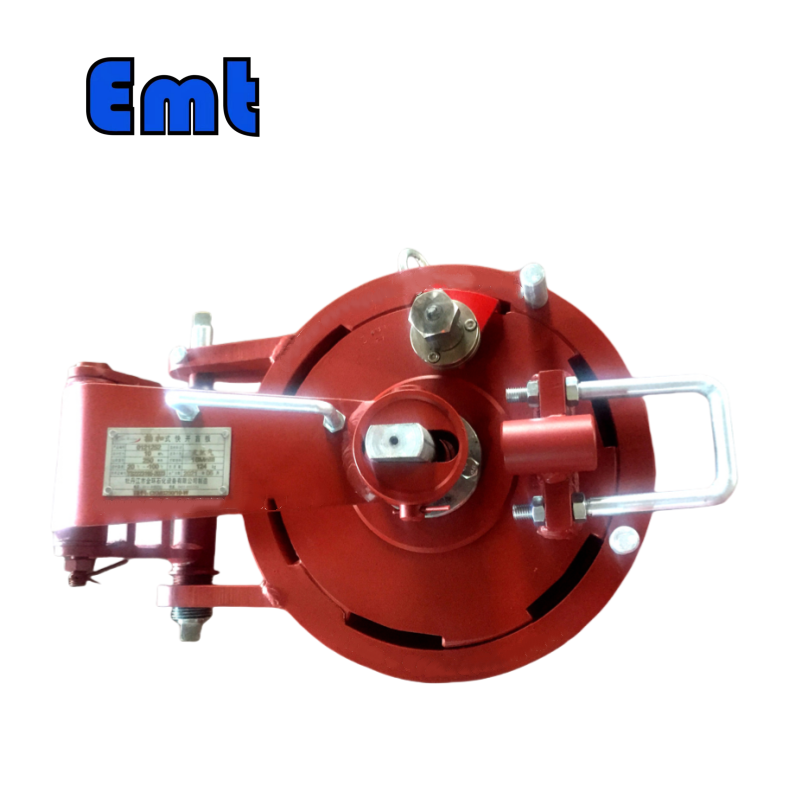
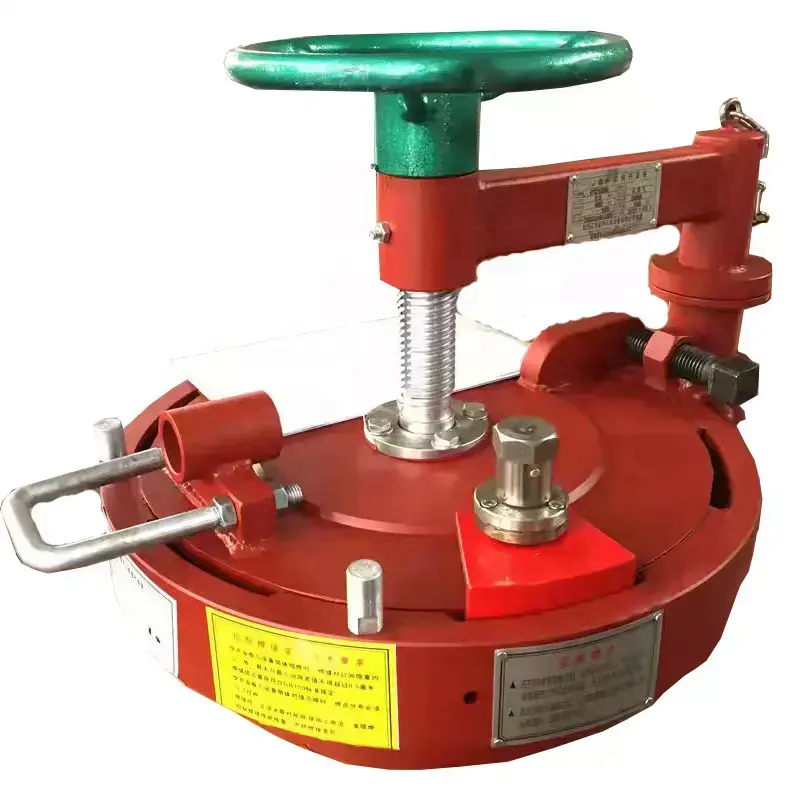
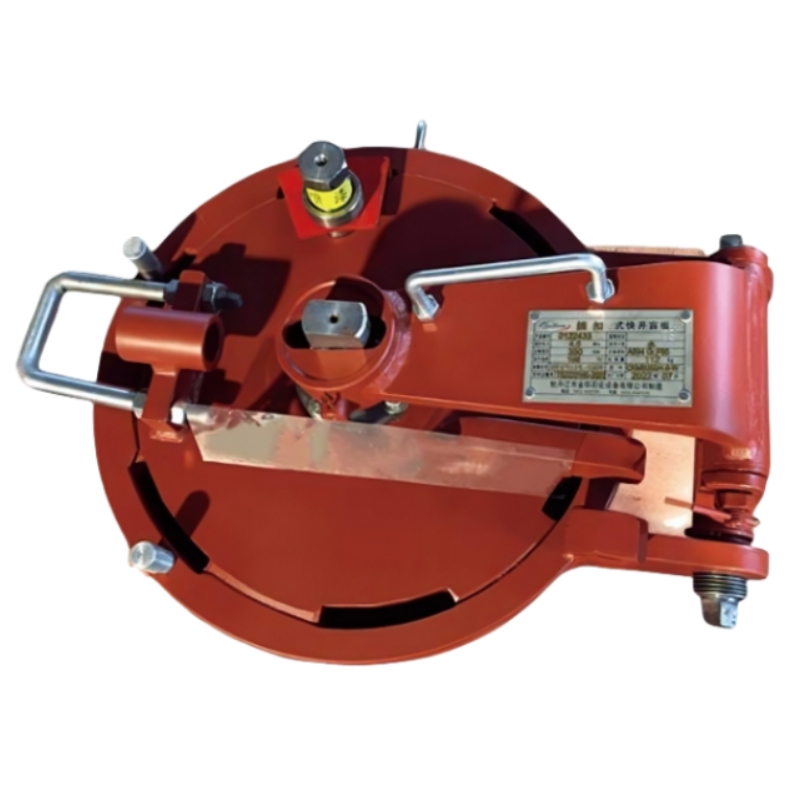
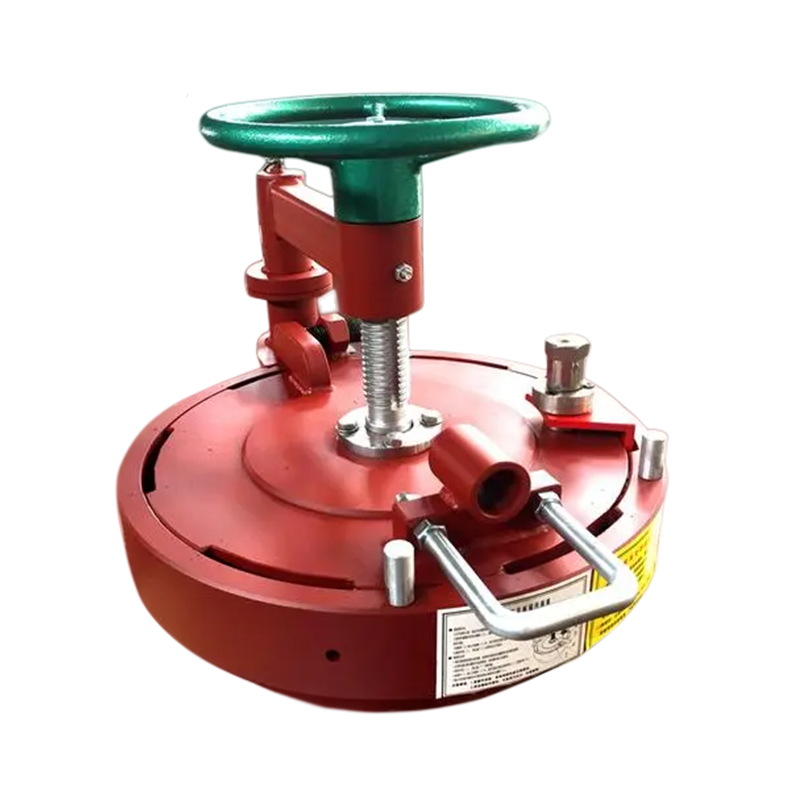
As a type of quick-opening door cover for pressure vessels, the primary function of EMT’s Sentry Closure is to provide a reliable and rapidly operable sealed port for pressure vessels and pipelines that require frequent internal access for cleaning, maintenance, or inspection.
Typical Structure and Working Principle
The clamp type is one of its main structural forms. Its core design lies in securing and sealing the head cover through latch pins and a rotary locking mechanism, as opposed to traditional bolted connections.
Basic Components: Typically includes shell flanges, a head cover, a latch ring or clamp, a sealing ring, an interlock device, and an operating mechanism.
Key Improvement: As noted in a related patent, the connection thread between the sentry closure cover and the seat employs a left-hand buttress thread form. This design offers advantages such as high shear strength, excellent sealing performance, and a compact structure.
Primary Application Fields
Widely used in industries like oil and gas for equipment requiring frequent access.
Typical application points include:
Pig receivers and launchers in oil and gas transmission pipelines.
Various filters and filter separators.
Other pressure vessels needing quick access, such as reactors.
Key Features
Fast Operation: Manual operation saves significant time compared to traditional flanged bolt connections.
Safety Interlock: Usually equipped with a safety interlock device to prevent opening while the vessel is under internal pressure, avoiding accidents caused by misuse.
Reliable Sealing: Employs specialized sealing rings that achieve an effective seal under the force of the locking mechanism.
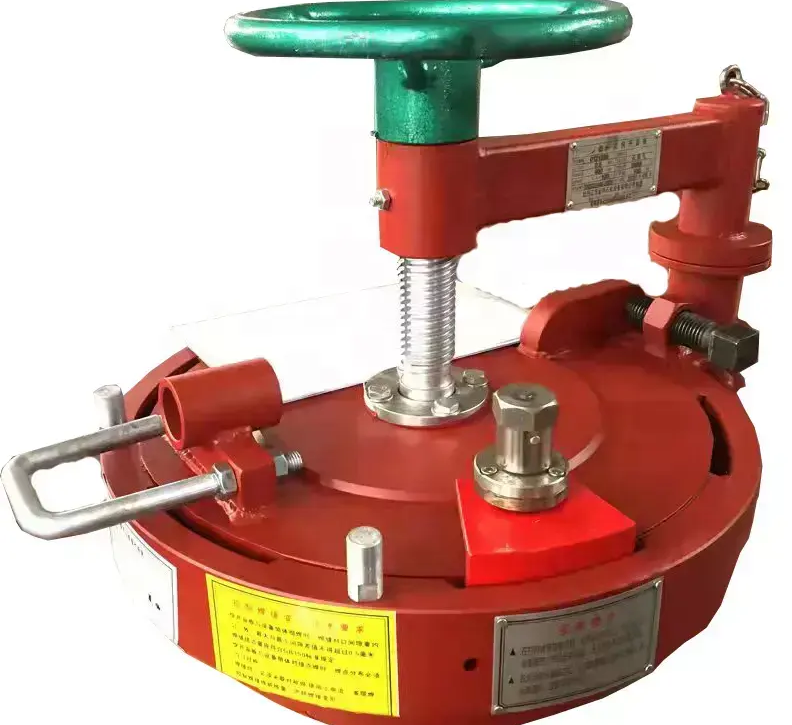
Engineered for Safety and Speed: The EMT Mechanical Closure
When you’re working under pressure—literally—you need access and security you can trust. The EMT Sentry Closure delivers both. It provides a guaranteed seal and integrated safety. For engineers and fabricators in oil and gas, power generation, and chemical processing, this closure is the reliable, high-performance solution that keeps projects moving and personnel safe.
Frequently Asked Questions
Q: How is the EMT closure different from a standard bolted flange or external clamp closure?
A: It eliminates dozens of individual bolts, reducing opening/closing time from hours to minutes. The internal locking ring provides a more uniform seal than external clamps, and the integrated thermal/pressure safety features add a layer of protection those simple closures lack.
Q: Can the closure be automated?
A: The standard model is manually operated for reliability.
Q: What is the lead time for a custom size?
A: Lead times vary based on complexity and current production schedules. Please contact our engineering team with your specific requirements for a detailed quote and timeline.
Reviews
There are no reviews yet.