


Description
What Is Pig Detectors?
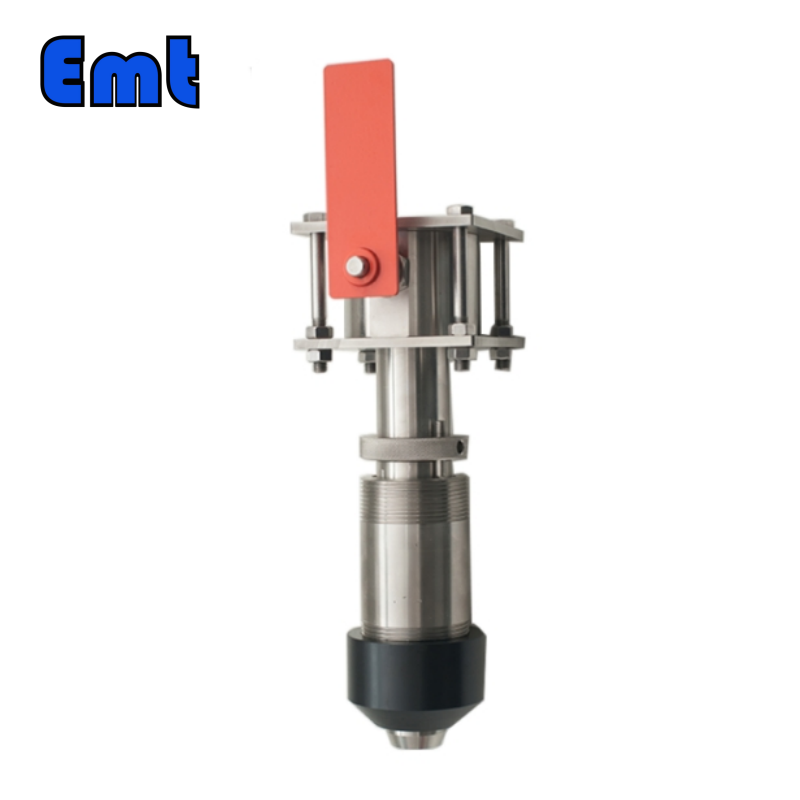
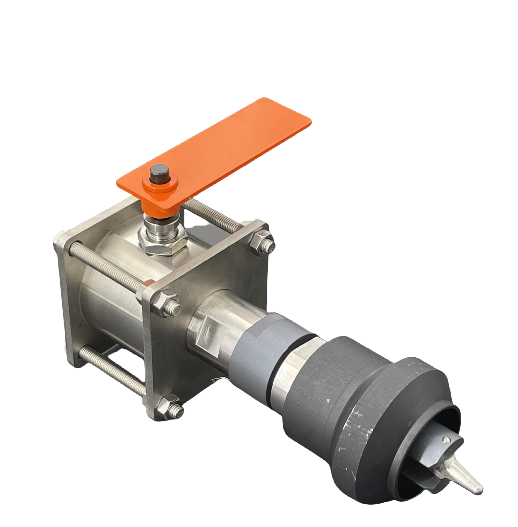
As a Pig Detectors manufacturer, EMT produces pig signallers that confirm whether a pipeline pig has passed a fixed point inside a pipeline. The device is not a pig itself; it is the detection instrument mounted at key nodes such as launcher and receiver stations. It reports pig passage through an electrical signal, a manual reset flag, or a digital display, so operators can track pig movement in real time. EMT builds two families: intrusive indicators, which contact the pig directly, and non-intrusive indicators, which detect it externally. Both belong to the pig signaller product line and are commonly used alongside quick open closures in pipeline inspection systems.
What Are the Key Parameters?
Pig detector selection depends on detection method, mounting, materials, and hazardous-area approval. Intrusive units use a cast aluminium indicator head by default, while the remote transmission box is 316 stainless steel unless aluminium is specified. Changing that box to aluminium requires matching electronic component changes, so EMT does not recommend it for small batch orders. Non-intrusive units use an aluminium alloy outer box. Electrical interfaces and signal transmission for intrusive designs must meet explosion-proof certification requirements. Wetted parts are F51, and the body is carbon steel. Non-intrusive connections are recommended at 2 inch minimum. Material selection can follow NACE MR 0175 for sour service.
| Parameter | Value | Note |
|---|---|---|
| Detection type | Intrusive or non-intrusive | Intrusive contacts the pig; non-intrusive detects externally |
| Body material | Carbon steel | Standard construction |
| Wetted parts | F51 | Duplex stainless for corrosion resistance |
| Indicator head housing | Cast aluminium | Default for intrusive and non-intrusive heads |
| Remote transmission box | 316 stainless steel | Aluminium optional, requires electronics change |
| Non-intrusive outer box | Aluminium alloy | Standard for non-intrusive design |
| Mounting | Flange connection or welded base | Per ASME B16.5 |
| Connection size | 2 inch minimum recommended | Non-intrusive interface |
| Trigger mode | Uni-directional or bi-directional | Selected by operating need |
| Reset | Manual reset flag or automatic | Depends on configuration |
| Signal output | Electrical signal | Non-intrusive version does not support 4-20 mA |
| Explosion-proof | Required | Applies to intrusive electrics and signal transmission |
| Sour service | NACE MR 0175 | Optional material compliance |
| Net weight | Approx. 7 kg | Typical unit |
How Does It Work?
An intrusive pig detector works through direct contact. A probe or extension rod reaches into the pipeline bore, and when the pig passes, it displaces the mechanism. That movement trips a flag or switch, which can drive an electrical signal to the control room and, on digital models, log the passage event. A manual reset flag lets field personnel visually confirm that a pig has arrived. Because the mechanism enters the line, the electrical interface and signal path must carry explosion-proof certification for hazardous areas.
Typical use scenarios
They also suit intermediate checkpoints along a line, where a detector verifies that the pig keeps moving. Intrusive models fit stations that accept a flanged or welded-base connection. Non-intrusive models fit lines where hot work or shutdown is unwanted, and where a strap-mounted, IP66-rated device is preferred.
Why Choose This Design?
- Intrusive and non-intrusive options let you match the detector to site conditions.
- Flange and welded-base mounting follow ASME B16.5 for straightforward installation.
- F51 wetted parts and carbon steel bodies resist wear in pipeline service.
- NACE MR 0175 material options support sour and H2S-containing service.
- Explosion-proof electrics keep intrusive units safe in hazardous areas.
- The non-intrusive CGQ-1 records passage and shows time on an LCD screen.
- IP66 protection and a wide temperature range suit demanding field environments.
Who Is EMT and Why Trust Us?
EMT is a pipeline equipment manufacturer serving the oil and gas industry.
Our pig detector range covers intrusive indicators and non-intrusive signallers such as the CGQ-1, so we can advise on the right configuration for your station layout.
To discuss a pig detector for your pipeline, contact EMT through emt-pipe.com.
FAQ
What is the difference between an intrusive and a non-intrusive pig detector?
An intrusive detector contacts the pig inside the pipe and can drive a flag or electrical signal. A non-intrusive detector stays outside the pipe and detects passage with ultrasonic or magnetic induction technology.
Does the non-intrusive pig detector output a 4-20 mA signal?
No. The non-intrusive interface does not support 4-20 mA output, and EMT recommends a minimum 2 inch connection for it.
Can EMT supply pig detectors for sour service?
Yes. Material selection can follow NACE MR 0175, and wetted parts are F51 duplex stainless steel.
Related Products
- Quick Open Closure — fast-access closure for pig traps and launcher/receiver stations.
- Pig Launcher and Receiver — complete trap systems for launching and receiving pigs.
- Pig Fittings — replaceable discs, cups, and wear parts that extend pig service life.
Reviews
There are no reviews yet.