
Description
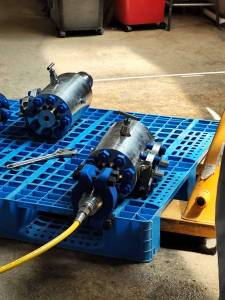
What Is a Hub and Clamp Connector?
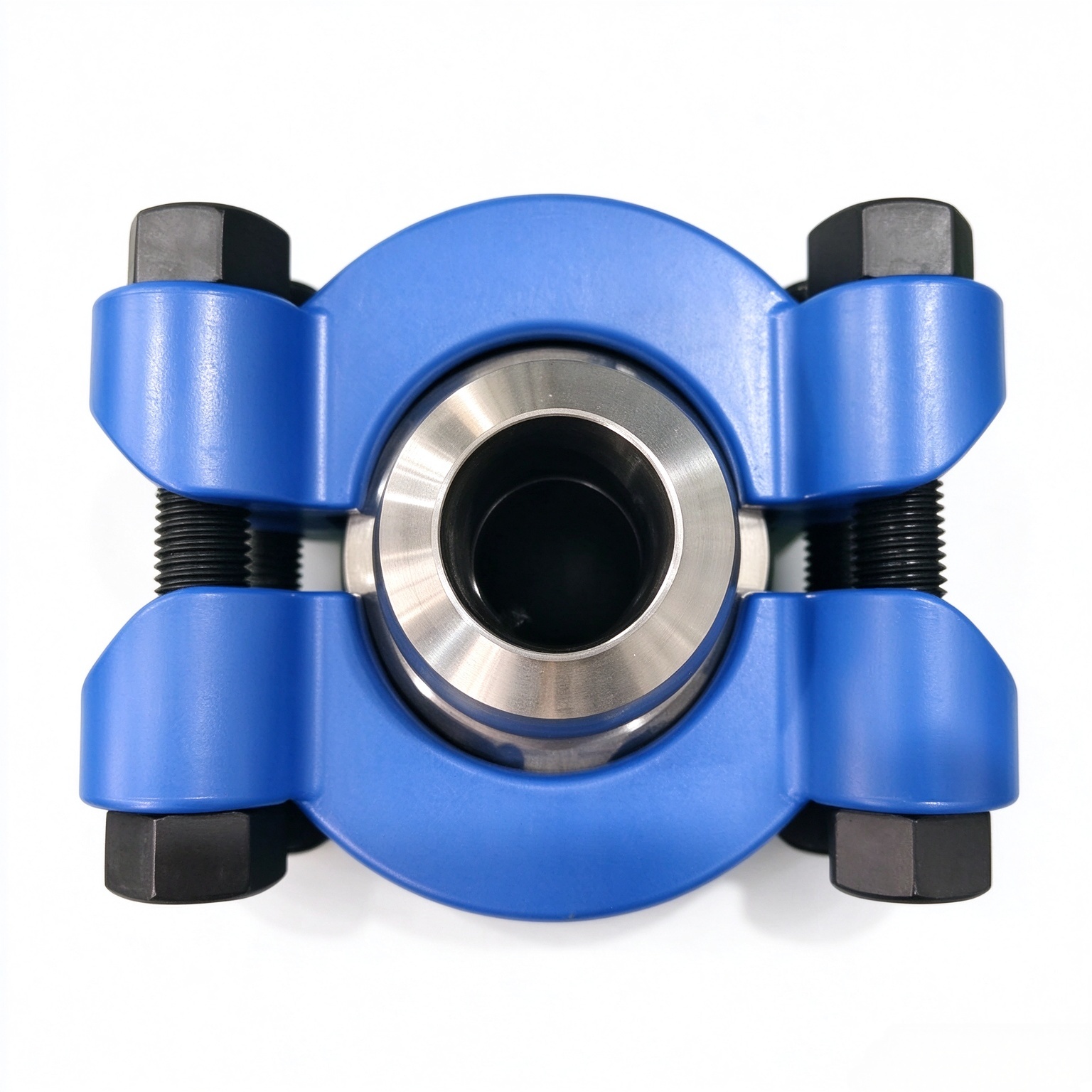
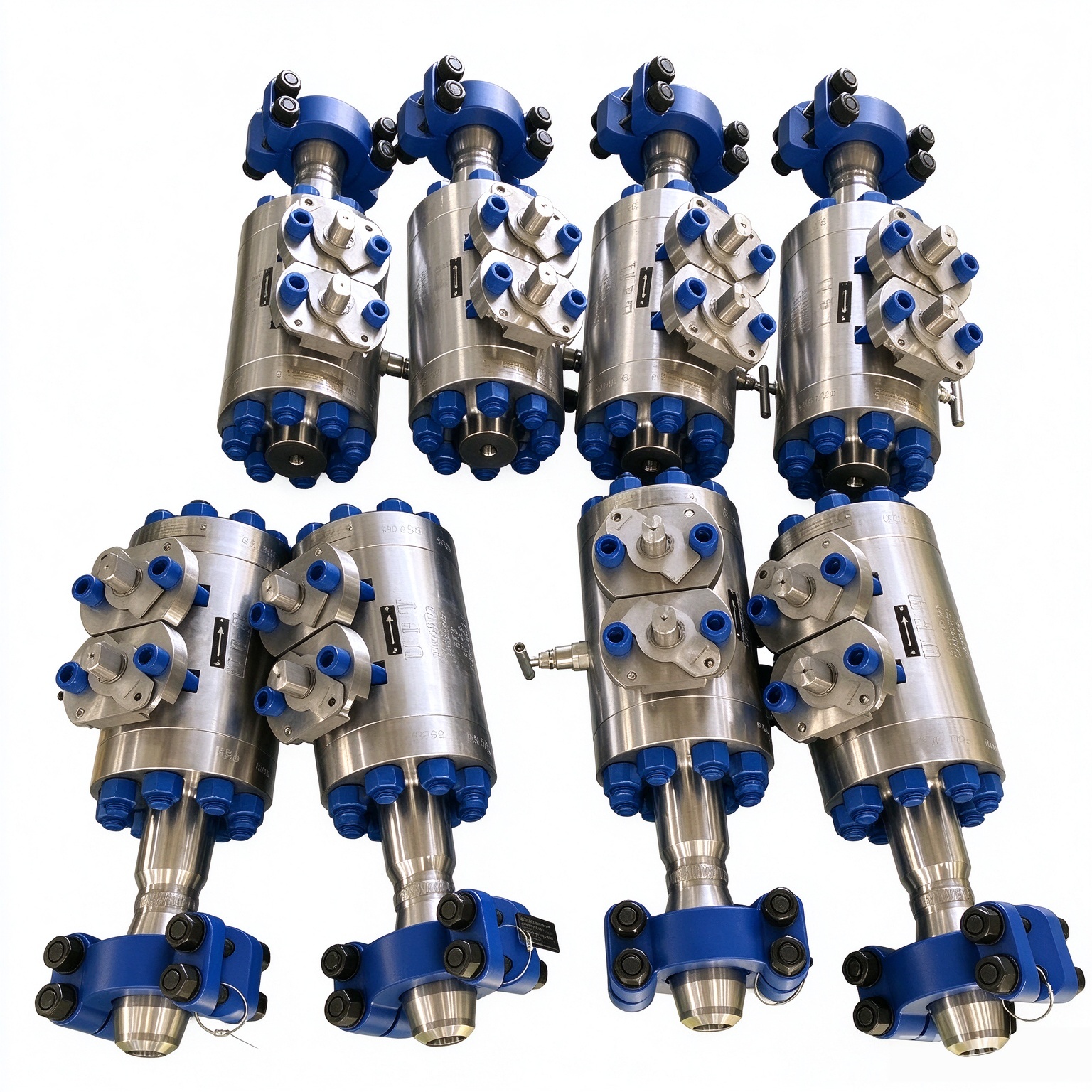
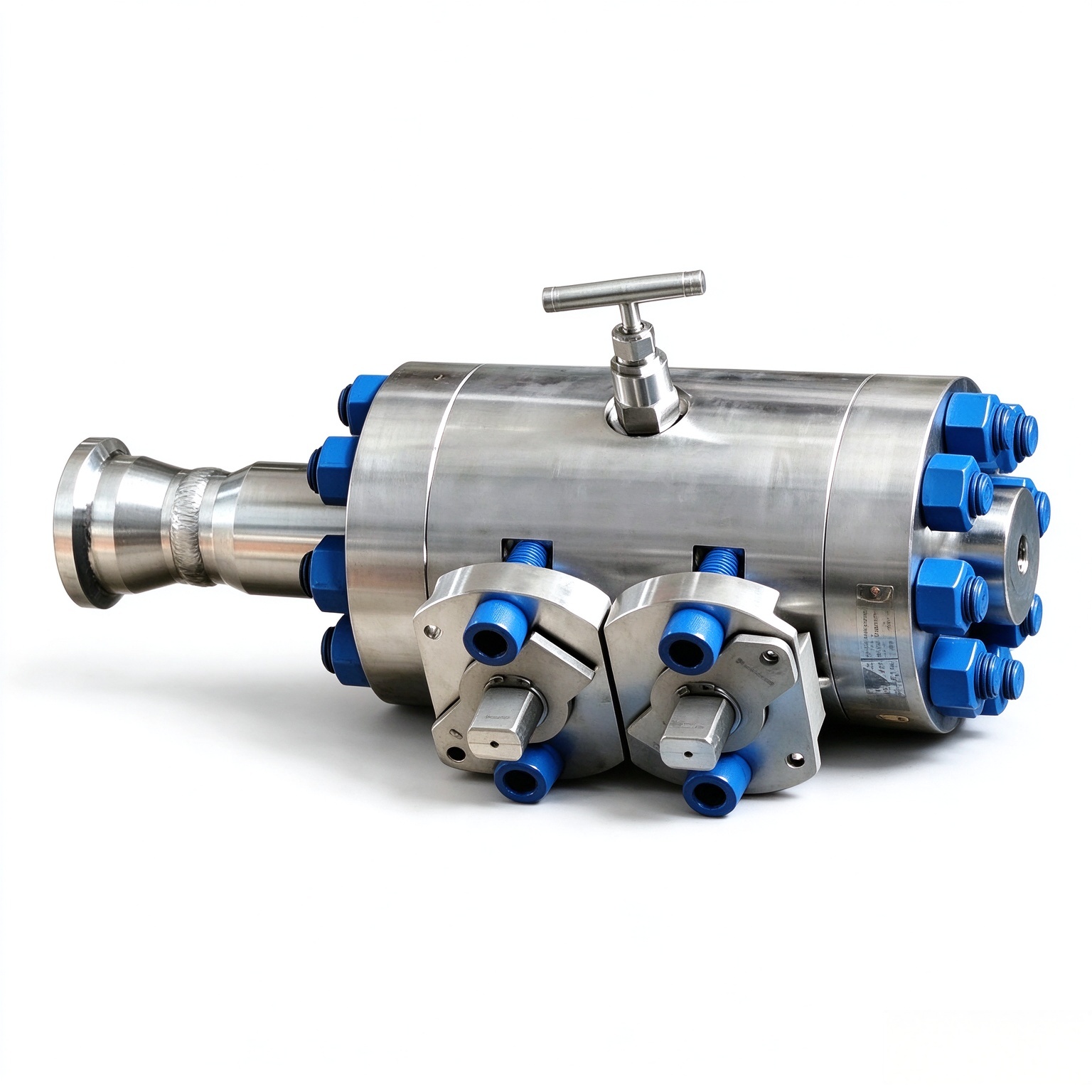
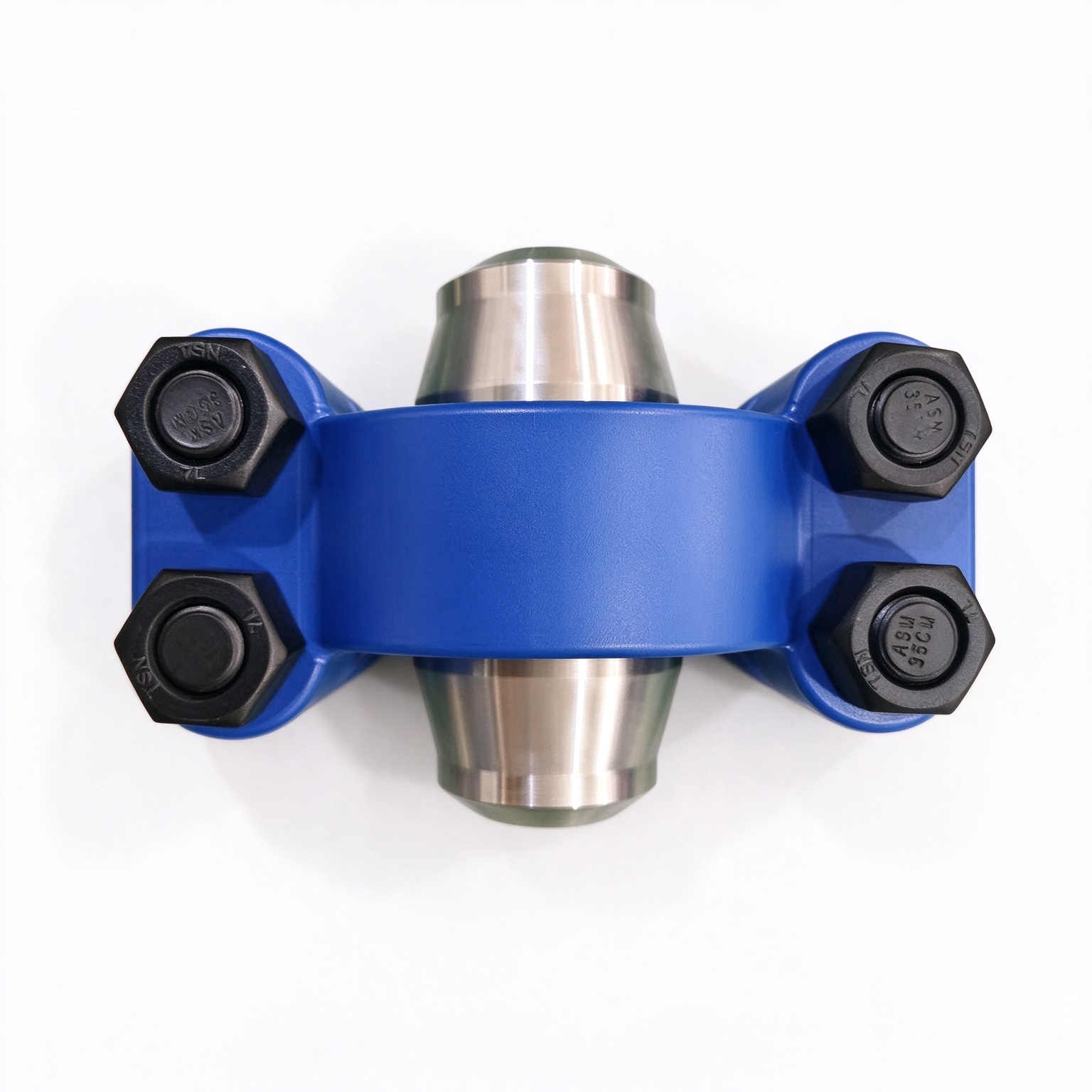
The hub and clamp connector is a metal-to-metal sealed joint that joins pipes and equipment faster than a conventional flange. It replaces the ASME B16.5 flange in high-pressure and cyclic-service lines. Two hubs weld to the pipe ends. Two clamps lock them with four studs and a T-section seal ring. The joint stays compact, light, and leak-free under pressure and axial loads. Beyond piping, it fits pumps, compressors, manifolds, valves, and pipeline pig closures. EMT also adapts it to pig signalers and chemical injection skids. On a pig signaler, the clamp gives quick make-up and easy removal during maintenance. On a chemical injection quill or skid, it holds the high-pressure port with a reusable metal seal. One interface serves many instruments, cutting spare-part variety. The design suits corrosive and erosive duty across oil and gas, refining, and petrochemical plants.
What Are the Key Parameters?
| Parameter | Typical Range / Value |
| Size range | 1/2″ – 26″ (DN15 – DN650); custom on request |
| Pressure rating | Up to 20,000 psi (1,380 bar); class per application |
| Temperature | -46 °C to +250 °C (material dependent) |
| Hub material | A105N carbon steel, A350 LF2 LTCS, A182 F316L, Duplex F51/F53 |
| Clamp material | Forged AISI 4130 / 4140, PTFE-coated |
| Seal ring | Self-energizing metal ring (T-section), reusable |
| Bolting | 4 studs + 8 nuts (vs many on a flange) |
| Standards | ASME VIII Div.1/2, API 6A / 17D, ISO 13628-7, DNV |
| Weight saving | ~80% lighter, 50% shorter than ASME B16.5 flange |
Select a hub and clamp connector from the size, pressure, temperature, and material data above. Hubs follow ASME Section VIII Division 1 Appendix 24 for internal pressure. Clamps follow ASME Section VIII Division 2 Part 4 for external loads. For sour service, we apply NACE MR0175 / ISO 15156 material controls and use B7M bolting. Subsea units use duplex steel to DNV-RP-F112 for HISC resistance. The connector carries tensile, bending, and axial loads together, so it outperforms a flange of equal rating at far lower weight. Standard sizes ship with the seal ring and bolting in stock for fast-track projects. Send us your pipe OD, ID, wall thickness, and design pressure, and we size the joint precisely and issue full calculation notes.
How Does a Hub and Clamp Connector Work?
The hub and clamp connector works through a self-energizing metal seal. First, weld the two hubs to the pipe or equipment nozzles. Place the T-section seal ring between the hub faces. Swing the two clamps over the hubs and insert the four studs. Tighten the eight nuts with low torque. Line pressure pushes the seal ring outward, so the joint tightens as pressure rises. Bolts sit perpendicular to the pipe axis, avoiding bending and direct pressure load. The clamps grip the hub shoulders and carry tensile, bending, and axial loads together. No bolt-hole alignment is needed; the joint rotates 360° for easy fit-up. The reusable ring seats cleanly each time, giving a repeatable, leak-free connection without gaskets. Crews can inspect the ring and reassemble without special tools. The same torque pattern repeats, so training stays simple across a fleet.
Why Choose a Hub and Clamp Connector?
Plant managers choose the hub and clamp connector to cut risk and downtime on critical joints. The design trades the flange’s many bolts for four studs, and trades soft gaskets for a metal seal that only tightens with pressure. Fewer parts mean fewer failure points and a simpler tool kit in the field.
- Faster make-up: four bolts and no hole alignment beat a multi-bolt flange on site.
- Lower leak risk: a self-energizing metal seal replaces gaskets and holds under pressure swings.
- Tougher service: it resists high pressure, heat, corrosion, and cyclic loads per ASME and API.
- Less downtime: quick break-out speeds pig signaler and chemical injection maintenance.
- Compact build: up to 80% weight and 50% length savings free skid and manifold space.
Together, these gains lower lifetime cost on pig signalers, injection skids, and manifold connections.
Who Is EMT and Why Trust Us?
EMT designs and builds pipeline pigging and pressure-equipment solutions for operators and EPC contractors worldwide. Our factory holds the ASME U-Stamp for pressure-vessel manufacturing and runs CNC machining centers, automatic welding stations, and a hydrostatic test bay. We pressure-test every product and ship it with a test certificate. Our range covers quick-opening closures, corrosion monitoring systems, chemical injection quills, and pipeline pigs. We deliver turnkey pigging systems from design to site commissioning and act as a single-source supplier. Products run in 30+ countries. Our engineers answer in English, Spanish, Russian, and Chinese within four working hours and respect tight project schedules. We understand field deadlines and offer expedited delivery when the job demands it. Our technical team supports installation, testing, and commissioning from quote to handover. Decades of pigging and pressure-equipment work back every joint we ship.
Reviews
There are no reviews yet.