
Description
Product Introducation
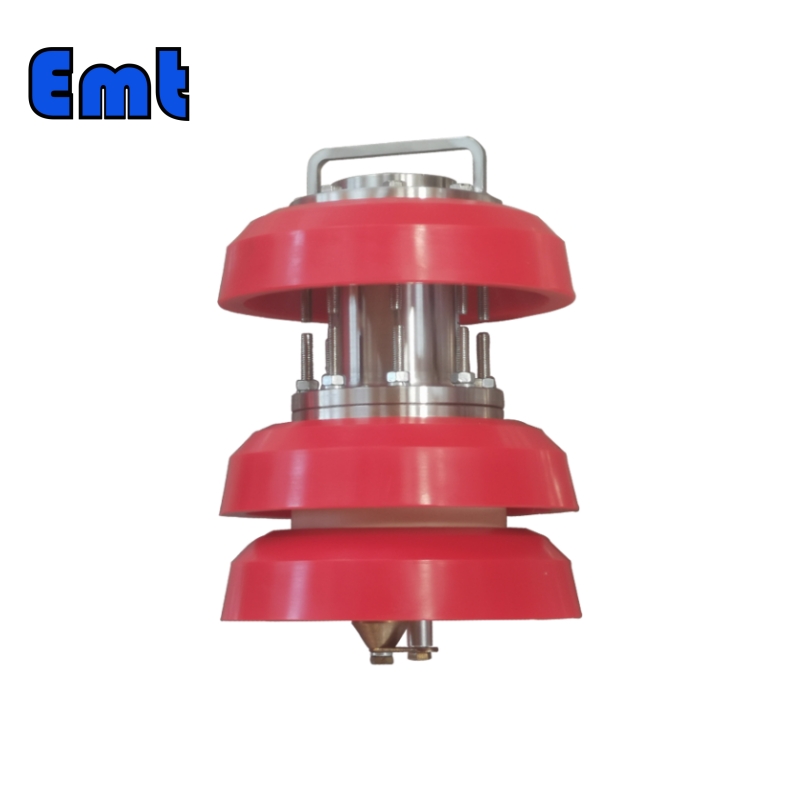
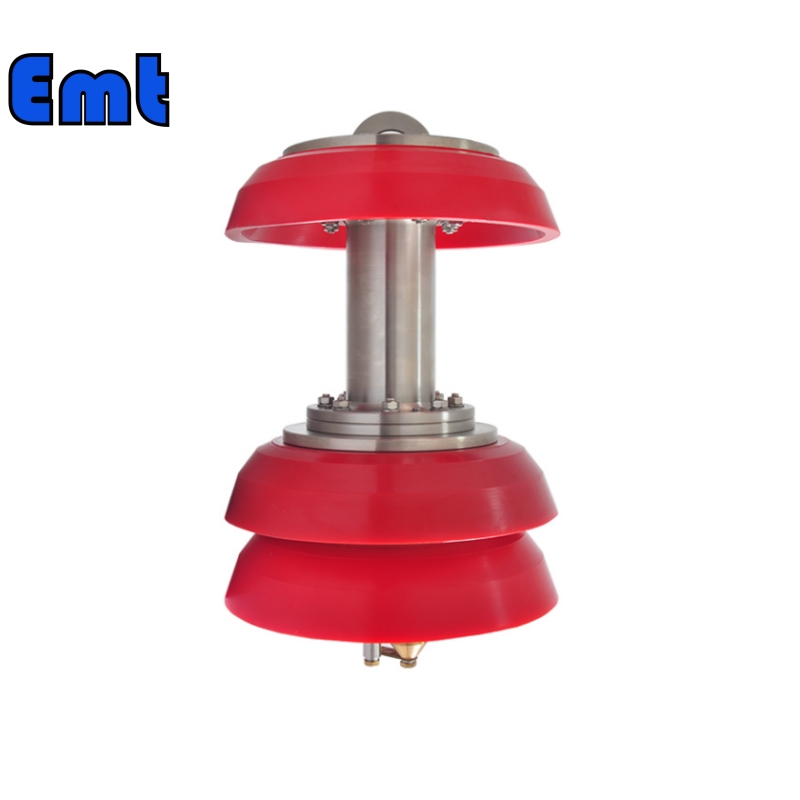
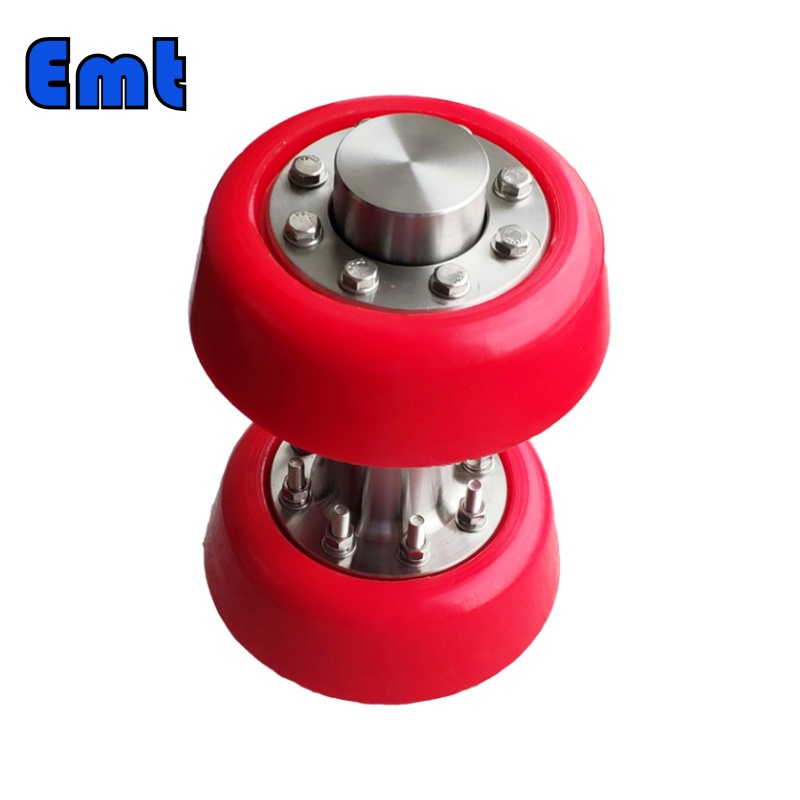
An EMT caliper pig is a gauging pig that surveys pipeline geometry while it cleans. A calibrated plate records dents, ovality, and restrictions, so crews find damage before it becomes a failure.
What Is a Caliper Pig?
A caliper pig is a pipeline pig that does two jobs in one run: it sweeps the line and it measures the line. EMT builds it around a calibrated gauging plate, a sturdy disc mounted square to the flow with a diameter matched to the pipe’s nominal size. Product flow pushes the pig forward, the cups seal and guide it, and the plate meets every change in the bore on the way through. When the plate comes back marked, the mark is the record: a dent, a wrinkle, an oval section, or a restriction that was not there before. That is why pipeline teams run a caliper pig before they commit to a full inspection tool, before a hydrotest, and after any event that could have deformed the pipe.
Q: How is a caliper pig different from a cleaning pig?
A: A cleaning pig moves debris. A caliper pig does that too, but its purpose is measurement — the gauging plate turns the run into a geometry check you can read afterwards.
What Are the Key Parameters?
Every caliper pig is built to the line it will run in. Send EMT the pipe size, medium, and operating temperature, and the pig is matched to that service.
| Parameter | Value |
|---|---|
| Function | Internal geometry survey — dents, ovality, wrinkles, restrictions |
| Gauging plate | Calibrated disc, diameter matched to nominal pipe size; edge marks record the anomaly |
| Sealing cups | Polyurethane, flexible rounded lip — seals, drives, and centralizes the pig |
| Size range | 2 in – 48 in, built to order for the line size |
| Propulsion | Product flow; no external power or tether |
| Body and cup options | Built to order — confirm line size, medium, and temperature |
| Quality system | Manufactured under an ASME U Stamp quality program |
How Does Caliper Pig Work?
The pig is launched from the launcher barrel and travels with the product. The polyurethane cups form a seal against the pipe wall, so the flow pushes the pig and holds it near the centre of the bore. The gauging plate rides just behind, scanning the wall continuously. Where the bore narrows, the plate contacts the obstruction and takes a mark; where the section has gone oval, the mark appears on one side only. On receipt, the crew reads the plate and the cup wear together, and that combination tells them what the restriction is and roughly where it sits.
Where Should You Use It?
- Pre-inspection runs before an inline inspection tool is sent
- Newly constructed lines, to prove the bore is clear before commissioning
- Post-incident checks after a third-party strike, ground movement, or repair
- Piggyback surveys on gathering and transmission lines
- Lines with a history of dents, where repeat runs track whether damage grows
- Dewatering and cleaning runs where a geometry record is also wanted
Why Choose Caliper Pig?
- One run, two answers — the line is cleaned and surveyed at the same time, so a survey costs one pigging operation instead of two.
- Plate matched to your bore — EMT sizes the gauging plate to your nominal size, so the marks mean something instead of being guesswork.
- Polyurethane cups — a flexible lip seals across size variation and wear, keeping drive pressure stable through the run.
- Physical record, not an estimate — the plate carries the evidence back to the receiver, which crews can photograph and file.
- Built to the line — size, cup hardness, and body configuration follow your medium and temperature, not a fixed catalogue.
Who Is EMT and Why Trust Us?
EMT (Shenyang EMT Piping Technology Co., Ltd.) manufactures pigging equipment, quick opening closures, pig signallers, and corrosion monitoring systems for oil and gas pipelines. The shop works under an ASME U Stamp quality program, with material traceability and testing on pressure-boundary components. Every caliper pig ships with guidance on plate size, cup selection, and how to read the plate after the run; custom sizes and cup compounds are built to order.
FAQ
Q: What size caliper pig do I need?
>>>>>>>>>>>>>>>>>>>>>>>>>>>>>>>>>>>>>>>>>>>>>>>>>>>>>>>>>>>>>>>>>>>>>>>>>>>>>>>>>>>>>>>>>>>>>>>>>>lass=”yoast-text-mark” />>A: The gauging plate is matched to your nominal pipe size, and cups are selected for the actual bore and medium. Send EMT the line size, wall thickness, medium, and temperature, and we will return a build proposal.
Q: Can a caliper pig pass a dented section without getting stuck?
A: A correctly sized plate passes restrictions smaller than its own clearance. This is exactly why crews run a caliper pig before an inline inspection tool: it finds the tight spots while the risk is still low.
Q: How do I read the result after the run?
A: Read the gauging plate edge and the cup wear together. A mark around the full circumference means a general restriction;another mark on one side points to ovality or a local dent.
Related Products
- Gauging Plate — replacement plates sized to your bore
Reviews
There are no reviews yet.