
Description
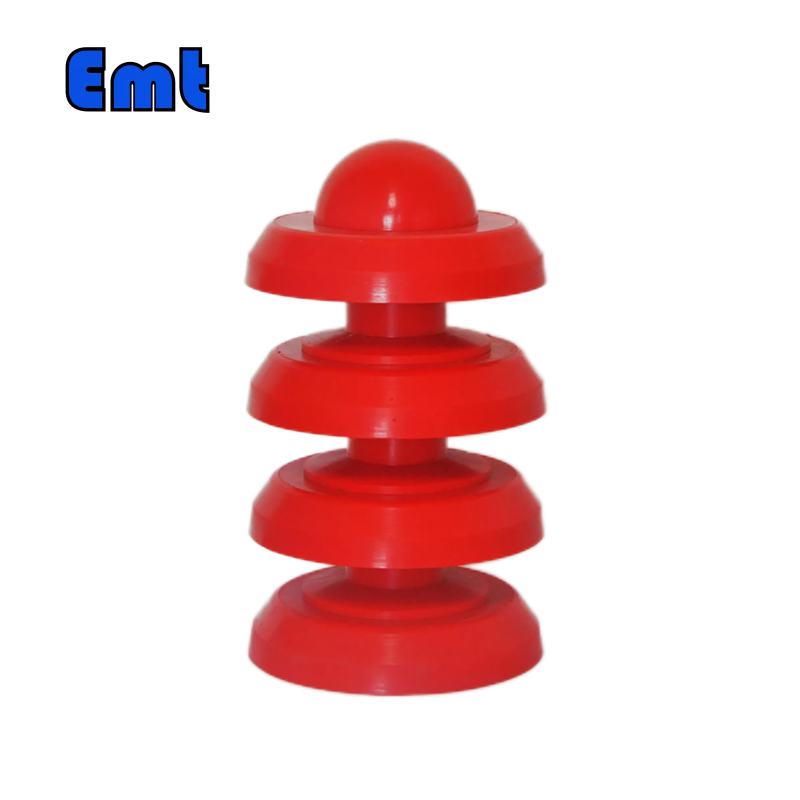
The EMT gauging cup pig is a steel-mandrel pipeline tool that carries a soft aluminum gauge plate at 95% of the bore. It proves the line is round, clear, and obstruction-free before commissioning or smart-pig runs. ASME B31.3 and ISO 9001 compliant.
Product Introduction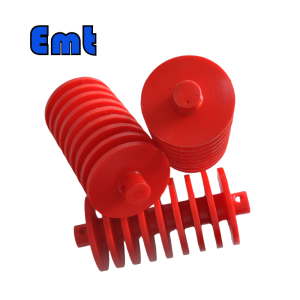
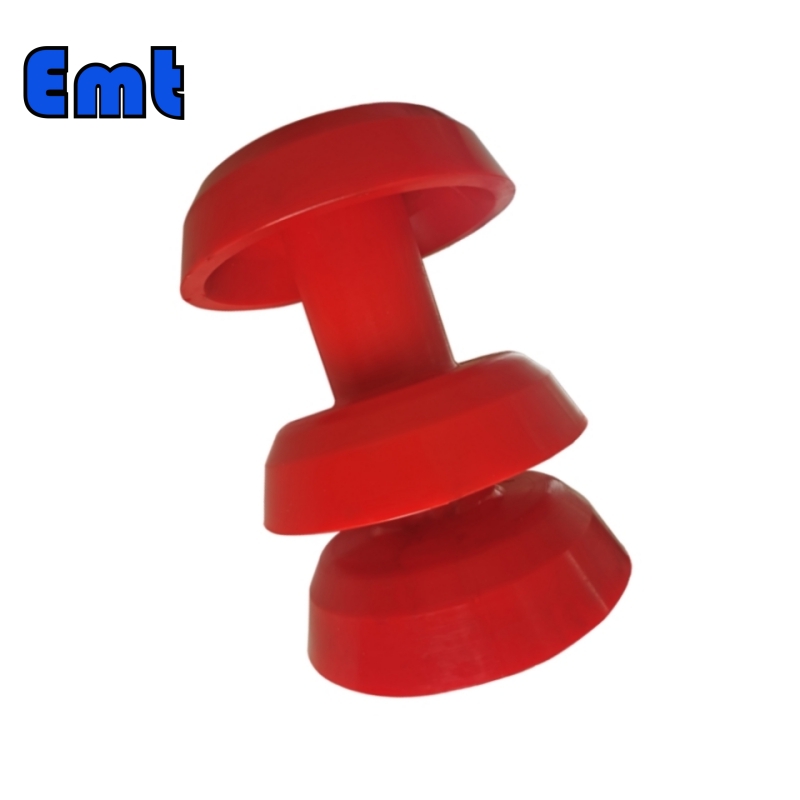
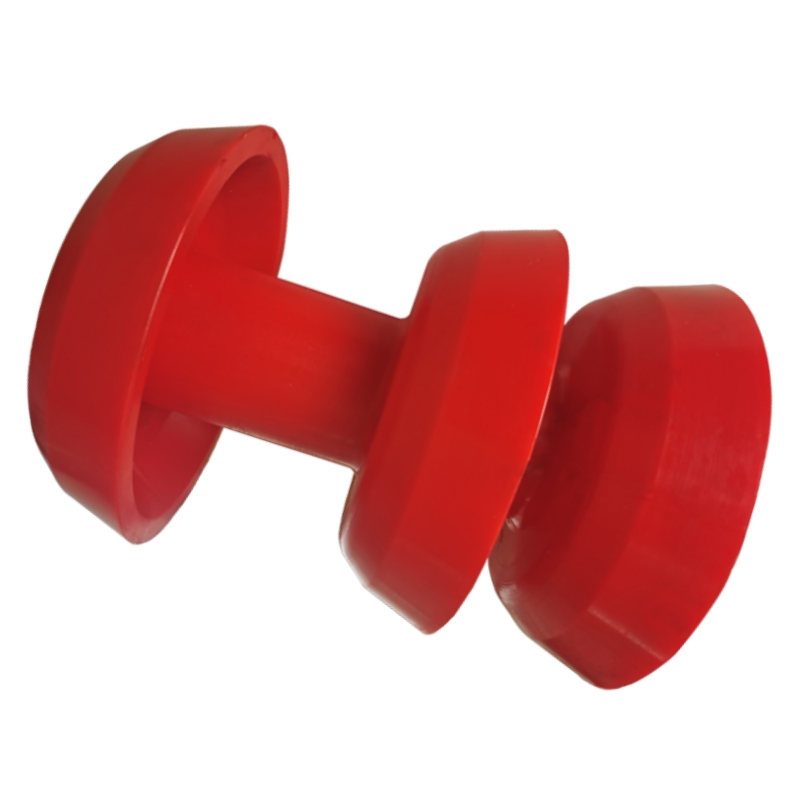
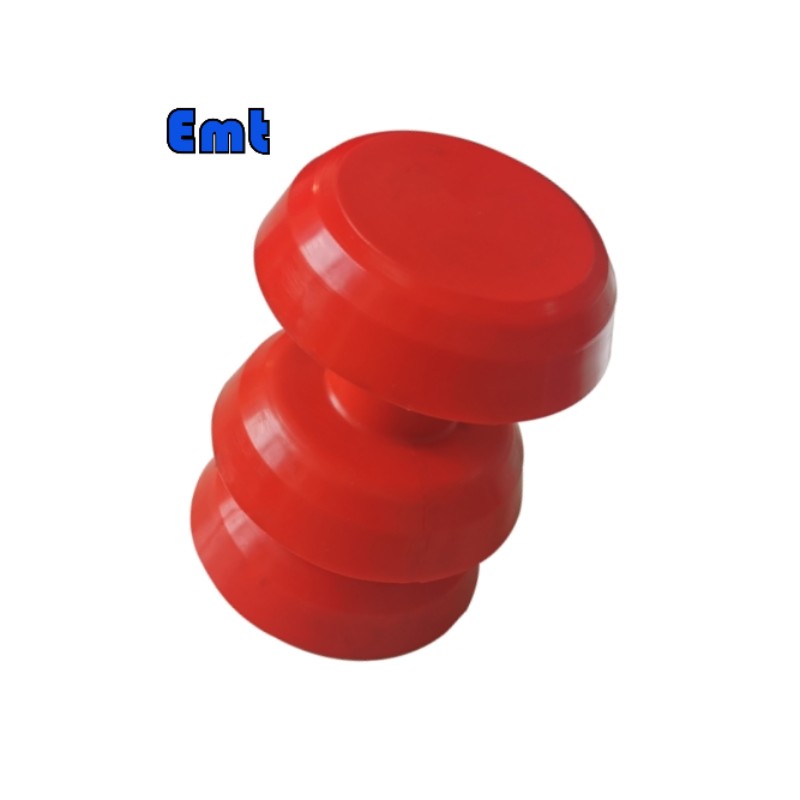
The gauging cup pig is a geometry-proving pipeline tool from EMT built for new, repaired, and hydrotested oil, gas, and water lines that need confirmed bore clearance before commissioning or inline inspection. It carries a soft aluminum gauge plate at about 95% of the internal diameter and rides on polyurethane cup seals mounted to a steel mandrel.
Key points:
– Bore proof — Soft aluminum plate bends on contact with any weld bead, dent, or lodged object
– Cup sealing — Polyurethane cups keep the mandrel centered and sweeping the full cross-section
– Reusable core — Carbon or 304 stainless steel mandrel outlasts many sealing runs
Unlike a cleaning pig that only removes debris, the gauging cup pig quantifies the bore: a deformed plate maps the exact size and location of any restriction for your integrity file.
What Problem Does a Gauging Cup Pig Solve?
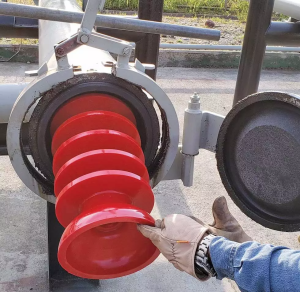
Before a smart (inline inspection) tool or batching pig enters a line, an unknown restriction can stall it and force a costly shutdown. A light pig may also relocate debris without proving the bore is round.
Q: Why run a gauging cup pig before an inline inspection?
A: Run a gauging cup pig first to prove the minimum clear bore against the design internal diameter. Its gauge plate bends on any obstruction and leaves a measurable mark, so your team confirms the smart tool can pass without jamming and avoids an aborted, expensive inspection run.
Technical Parameters
EMT machines each gauging cup pig on a steel mandrel with a configurable soft aluminum gauge plate and polyurethane cup seals, fully traceable to material certificates. Standard and custom sizes ship on request.
| Parameter | Specification |
|---|---|
| Nominal Diameter | DN50-DN1800 (2″-72″) |
| Pig Type | Mandrel gauging pig with cup seals |
| Gauge Plate | Soft aluminum (1050/1060), ~95% ID, configurable |
| Mandrel Material | Carbon steel / 304 stainless steel |
| Cup (Seal) Material | Polyurethane, Shore A 75-90; FKM / NBR optional |
| Operating Temperature | -40°C to +120°C; up to 200°C on request |
| Operating Pressure | Up to 40 MPa (line rated) |
| Starting Pressure | 0.02 MPa |
| Recommended Speed | 1.0-2.0 m/s |
| Min. Bend Radius | ≥1.5D (DN≤150: ≥2.5D) |
| Accessory Options | Wire brush, magnetic cage, transmitter |
| Design Standards | ASME B31.3 / B31.4 / B31.8, API 1163, ISO 9001 |
Product Advantages
- Verified free-bore — The gauge plate proves the minimum clear bore against design ID in one run
- ILI de-risking — Geometry map predicts whether a caliper or MFL tool can pass without jamming
- Repeatable baseline — Re-run after hydrotest or repair for comparable integrity records
- Centered travel — Cup seals keep the gauge plate sweeping the full cross-section
- Configurable plate — Set plate diameter and material to your line and tolerance
Where Is a Gauging Cup Pig Used?
- Pre-commissioning — Prove a new line is clear of slag, dents, and ovality
- Post-hydrotest — Verify the dried bore before product enters service
- Pre-ILI screening — Confirm safe passage before a caliper or MFL smart run
- Post-repair check — Document the fixed section meets bore spec before restart
- Offshore and onshore — Used across oil, gas, and water pipelines in the Middle East and North Sea
- Heavy-crude lines — Baseline geometry before wax and scale management
About EMT
EMT is a Shenyang manufacturer of oil and gas pipeline accessories with more than 25 years of engineering experience in the energy sector.
Service: Ships to 30+ countries with standard lead time 4-6 weeks and custom orders 6-10 weeks. Field engineers give installation guidance on request.
Frequently Asked Questions
Q: What is a gauging cup pig used for?
A: A gauging cup pig proves a pipeline bore is round, clear, and free of obstructions before commissioning or inline inspection. It carries a soft aluminum gauge plate that bends on any restriction, giving your team documented proof of pipeline integrity and protecting downstream smart pigs from jamming.
Q: How is a gauging cup pig different from a cleaning pig?
A: A cleaning pig removes wax, scale, and debris, while a gauging cup pig only proves geometry. Its cup seals center the mandrel and a soft gauge plate records every restriction as a permanent mark, so the bore is quantified rather than merely swept.
Q: What size gauge plate should I use?
A: EMT machines the gauge plate from soft aluminum (1050/1060 grade) at about 95% of the internal diameter, configurable to your tolerance. After retrieval, a clean plate reads as “line clear,” while a bent plate maps the obstruction’s size and position.
Q: What diameters are available for the gauging cup pig?
A: EMT supplies the gauging cup pig from DN50 to DN1800 (2 to 72 inch). Mandrel material, cup hardness, gauge plate size, and accessory kits are customized to your line diameter, bend radius, medium, and pressure on request.
Q: Can the gauging cup pig pass tight bends?
A: Yes. It passes bends down to 1.5D radius (2.5D for DN150 and below) on polyurethane cup seals. EMT configures seal count and plate thickness to your pipeline geometry so the pig travels without buckling the gauge plate.
Related Products
- Disc-Cup Pig — Cleaning and gauging pig with disc and cup seals
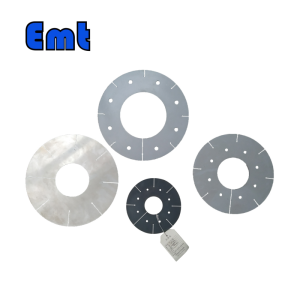
EMT Gauging Plate
Reviews
There are no reviews yet.