
Description
Product Introduction
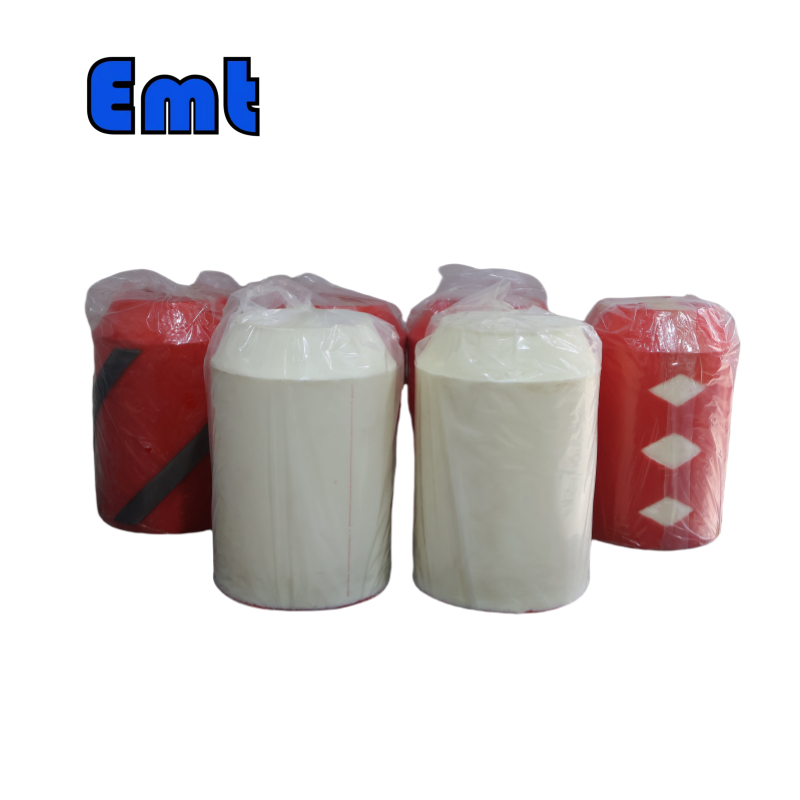
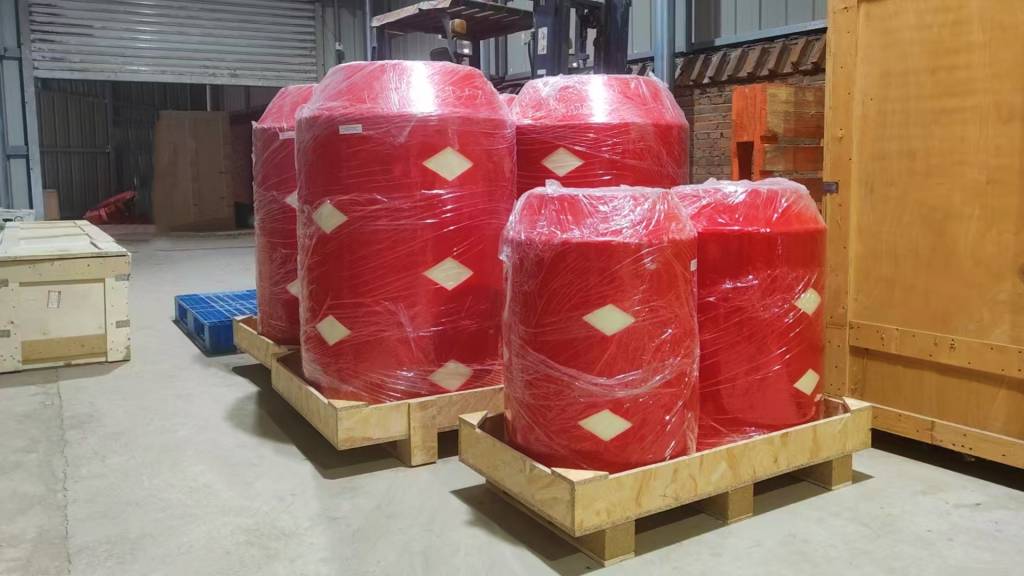
The EMT hygroscopic foam pig is a water-absorbing polyurethane pipeline tool that captures free water and lowers the dew point. It fits 2 to 48 inch lines and bends down to 1.5D. NACE SP0102 compliant.
What Is the Hygroscopic Foam Pig?
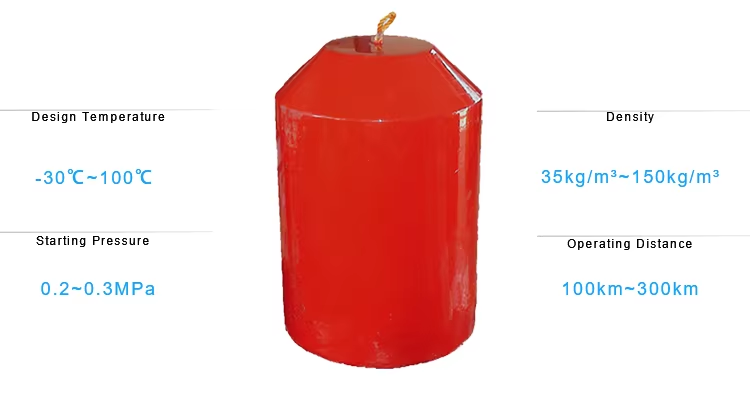
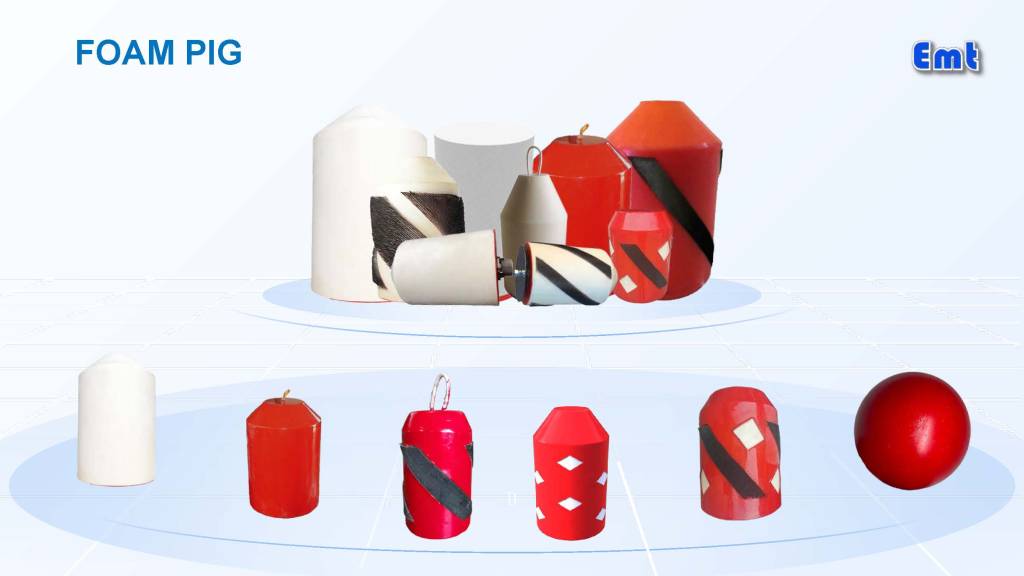
The hygroscopic foam pig is a water-absorbing pipeline cleaning tool from EMT built for oil, gas, and water lines that need real drying rather than simple displacement. It captures free water, pulls moisture off the wall, and lowers the line dew point during commissioning and batch changeover. Its open-cell hydrophilic polyurethane body soaks up liquid instead of just pushing it ahead.
Key points:
– Hydrophilic open-cell body — Absorbs free water on contact instead of displacing it downstream
– Dew-point control — Removes the residual moisture that blocks gas specification after hydrotest
– Flexible travel — Compresses through 1.5D bends and reduced-bore valves without lodging
Unlike a plain bare foam pig that only sweeps liquid along, the hygroscopic foam pig holds the water it collects, so each pass leaves the line drier.
What Problem Does a Hygroscopic Foam Pig Solve?
After hydrotest or a wet batch, a line can hold liters of free water that stall gas commissioning and raise the dew point past spec. A rigid or non-absorbing pig just relocates that water instead of removing it.
Q: When should I use a hygroscopic foam pig instead of a standard foam pig?
A: Use a hygroscopic foam pig when the goal is drying, not batching. Its open-cell body absorbs free water and wall moisture during the run, cutting the dew point so gas can be introduced without re-drying. Run two or three in series for full dehydration.
Technical Parameters
EMT moulds each hygroscopic foam pig from hydrophilic open-cell polyurethane with full material traceability. Standard and custom sizes ship on request.
| Parameter | Specification |
|---|---|
| Available Sizes | 2″-48″ (DN50-DN1200) |
| Body Material | Hydrophilic open-cell polyurethane foam |
| Water Uptake | Absorbs and retains free water on contact |
| Foam Density | 40-180 kg/m³ (2.5-11 lb/ft³) |
| Temperature Range | -40°C to 100°C |
| Max Operating Pressure | ≤ 10 MPa differential (typical) |
| Min. Bend Radius | 1.5D |
| Run Configuration | Single or series train (2-4 pigs) |
| Compatibility | Gas, liquid, dual-phase, methanol-assisted drying |
| Design Standard | NACE SP0102 Pipeline Pigging Practice |
| Certifications | ISO 9001, EN 10204 3.1 material certificates |
Product Advantages
- True moisture removal — Open-cell foam holds absorbed water, leaving the line drier than displacement alone
- Lower dew point — Repeated runs cut residual moisture so gas meets export specification
- Series-train ready — Ships as 2-4 pig trains for staged, full-line dehydration
- Bend-friendly body — Compresses through 1.5D bends and reduced-bore valves without jamming
- Methanol compatible — Works with methanol swabbing for faster, deeper drying
Where Is a Hygroscopic Foam Pig Used?
- Gas export pipelines — Dry lines to dew-point spec before commissioning
- Subsea flowlines — Remove hydrotest water after tie-in
- Compressor stations — Clear free water before start-up
- Petrochemical plants — Dehydrate units during turnaround changeover
- Refinery piping — Dry short runs between batch grades
- LNG feed lines — Hit strict moisture limits before cool-down
About EMT
EMT is a Shenyang manufacturer of oil and gas pipeline accessories with more than 25 years of engineering experience in the energy sector.
Capabilities:
– 5-axis CNC machining and a 10,000 psi (69 MPa) pressure test bay
– ASME Section IX welding plus NDT (UT, PT, RT, MT)
– Monthly output of 500+ closures and 1,000+ injection quills; pigs built to order
– Engineering support in 4 languages: English, Arabic, Spanish, Chinese
Certifications: ASME U-Stamp, ISO 9001 quality system, NACE MR0175 / ISO 15156 sour service compliance, EN 10204 3.1 mill certificates.
Service: Ships to 30+ countries with standard lead time 4-6 weeks and custom orders 6-10 weeks. Field service engineers give installation guidance on request.
Frequently Asked Questions
Q: What is a hygroscopic foam pig used for?
A: A hygroscopic foam pig removes free water and wall moisture from pipelines during drying and commissioning. Its open-cell hydrophilic body absorbs liquid on contact, lowering the dew point so gas can be introduced after hydrotest.
Q: How does a hygroscopic foam pig differ from a bare foam pig?
A: A bare foam pig only displaces liquid ahead of it. A hygroscopic foam pig absorbs and holds the water it meets. Choose the hygroscopic version when the job is drying to specification, not just batching or sweeping debris.
Q: What sizes are available for the hygroscopic foam pig?
A: EMT supplies the hygroscopic foam pig from 2 to 48 inch (DN50-DN1200). Foam density, body length, and series-train count are customized to your line diameter and moisture load on request.
Q: Can the hygroscopic foam pig pass tight pipeline bends?
A: Yes. The polyurethane body compresses through bends down to 1.5D radius and passes reduced-bore valves. Its softness avoids the jamming seen with rigid steel pigs during drying runs.
Q: Should hygroscopic foam pigs run alone or in series?
A: For full dehydration, run two to four pigs in series as a drying train. Each pig absorbs part of the free water, so the final pig leaves the line at the target dew point before gas flows.
Related Products
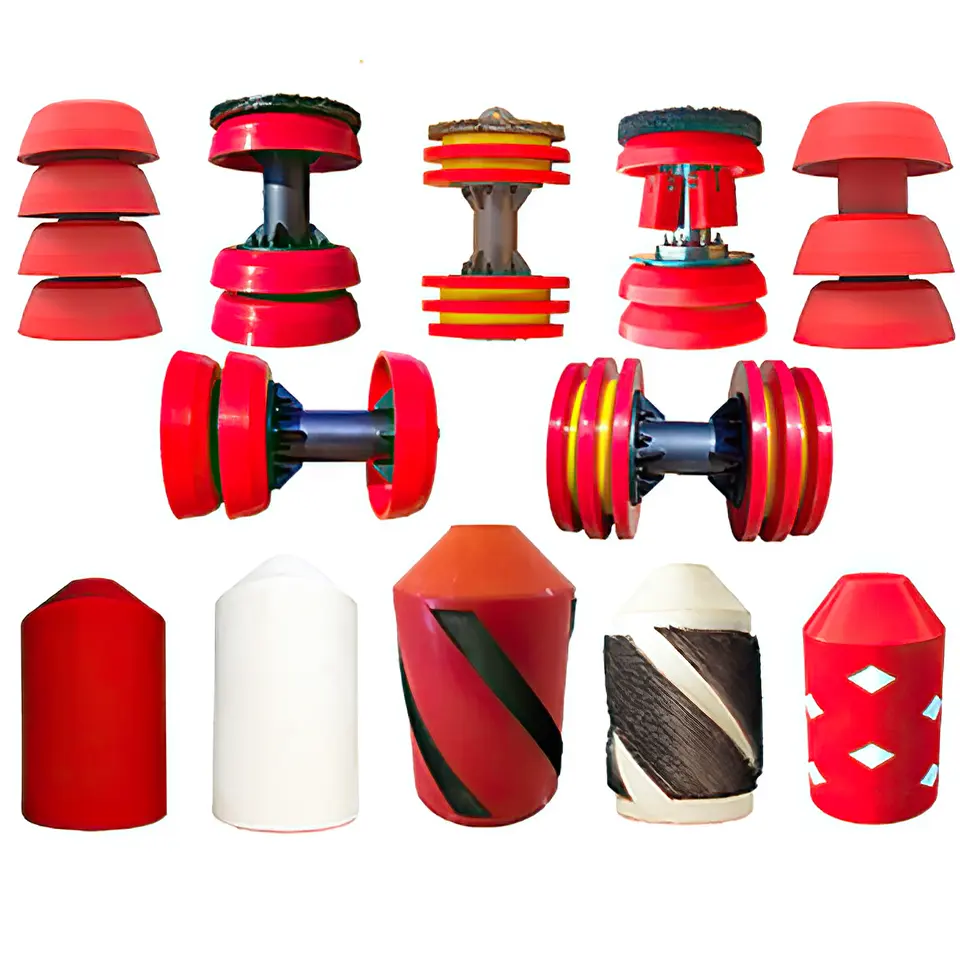
- Pipeline Pig — See the full foam, cup, and disc pig range
- Pig Launcher and Receiver — Combine pigs with launch and receive stations
- Pig Signaller — Verify pig passage at each station
- External: NACE SP0102 Pipeline Pigging Practice
Reviews
There are no reviews yet.