
Description
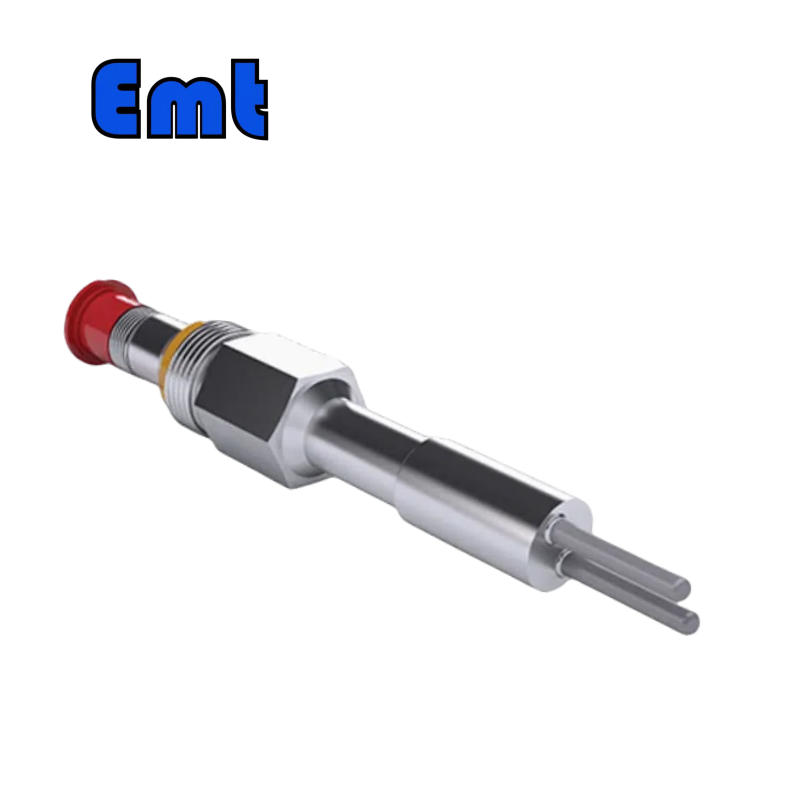
The EMT linear polarization resistance probe is an electrochemical sensor that reads the instantaneous corrosion rate of live pipelines from a small applied voltage. It fits oil, gas, and water systems under pressure. NACE MR0175 and ASTM G59 compliant.
What Is the Linear Polarization Resistance Probe?
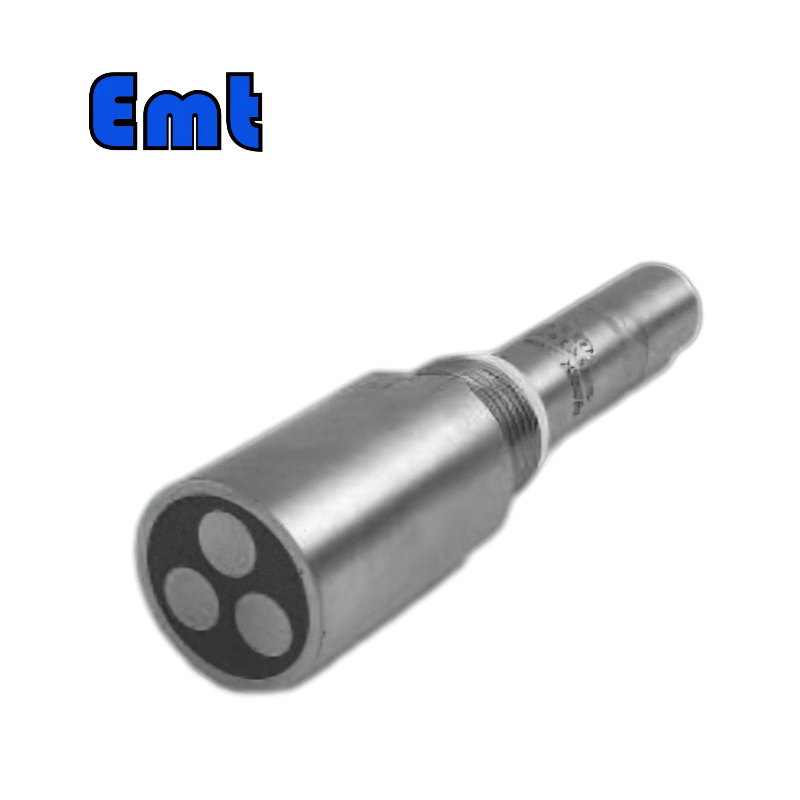
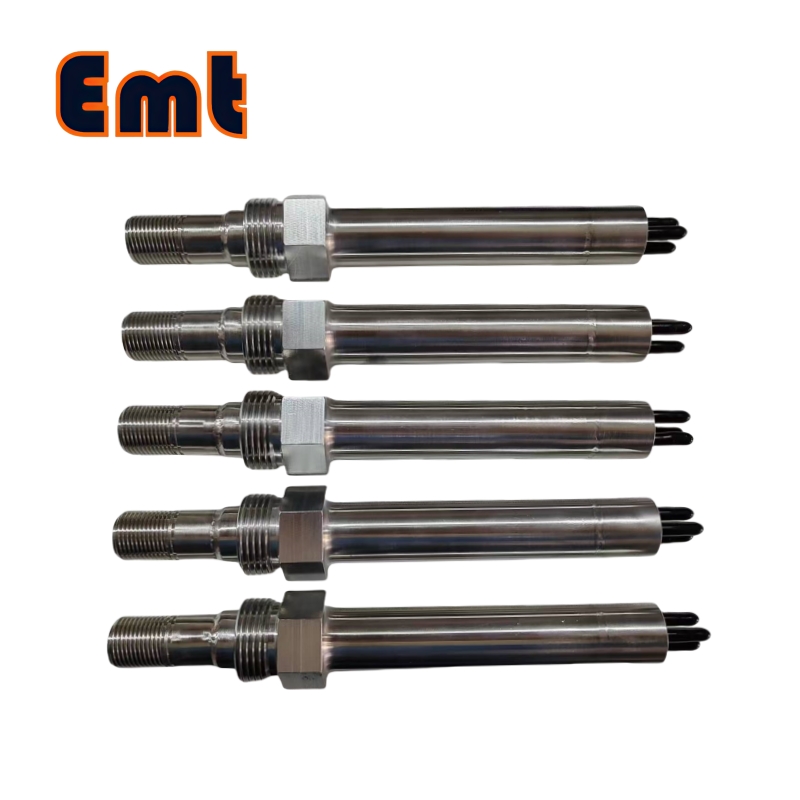
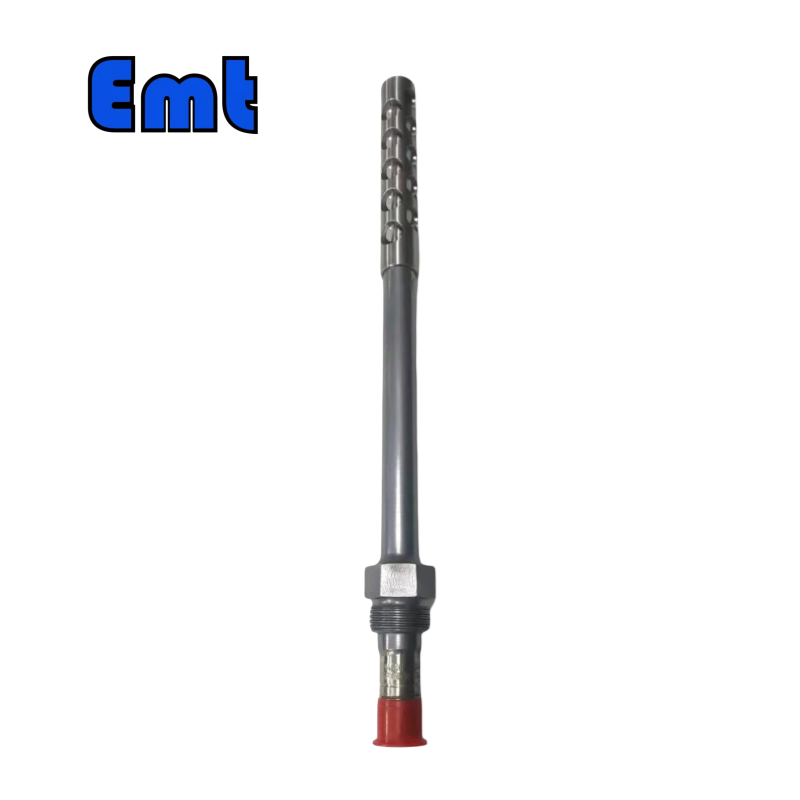
The linear polarization resistance probe is an electrochemical sensor built by EMT for oil, gas, and process pipelines. It applies a small voltage across a three-electrode cell and reads the current to return the instantaneous corrosion rate while the line runs.
Key points:
– Instantaneous rate — a live corrosion number in water, acid, and produced water.
– Three-electrode cell — working, reference, and counter electrodes in 316L or Hastelloy C276.
– Shared access system — same high-pressure fitting as EMT ER and coupon probes.
Unlike an electrical resistance probe, it gives a rate in minutes, not a cumulative reading over weeks.
Scenario Assumption
A wet-gas line carries trace H2S, and the inhibitor dose was set months ago. After a feed change, nobody knows if the rate crept up. A wall failure means a costly shutdown.
Q: How do I get a real-time corrosion rate without stopping the line?
A: A linear polarization resistance probe applies a tiny voltage across its electrodes and measures the current to return an instantaneous rate in conductive fluid. EMT fits it through a high-pressure access fitting, so you tune inhibitor dosing live before metal loss becomes a threat.
Technical Parameters
The EMT linear polarization resistance probe is configured to your line size, pressure, and fluid. Standard ranges are listed below; custom lengths and alloys are available on request.
| Parameter | Value |
|---|---|
| Measurement method | Linear Polarization Resistance (Stern-Geary) per ASTM G59 |
| Electrode configuration | 3-electrode: working / reference / counter |
| Electrode material | 316L Stainless Steel, Hastelloy C276, Inconel 625 |
| Corrosion rate range | 0.001–10 mm/y (0.04–400 mpy) |
| Probe length | 150–1200 mm (custom per spec) |
| Connection type | Retractable or fixed; NPT or flange |
| Pressure rating | Up to 26 MPa (3770 psi / 1500LB class) |
| Temperature range | -40 °C to 200 °C |
| Output signal | 4–20 mA, Modbus RTU, or HART |
| Accuracy | ±5 % of reading |
| Material standard | NACE MR0175 / ISO 15156 (sour service) |
LPR (Linear Polarization Resistance) probes read the instantaneous rate via the Stern-Geary equation. They need a conductive aqueous medium — ideal for produced-water and inhibitor testing.
Product Advantages
- Real-time rate — reads corrosion in minutes, so you act on today’s fluid, not last month’s trend.
- No shutdown — retractable body inserts and withdraws through a high-pressure access fitting under line pressure.
- Shared platform — one access system serves LPR, ER, and coupon probes, cutting spare-part load.
- Sour service ready — 316L and Hastelloy C276 electrodes meet NACE MR0175 / ISO 15156 for H2S duty.
- Open output — 4–20 mA, Modbus, or HART links straight to your DCS or corrosion data logger.
Where Is a Linear Polarization Resistance Probe Used?
- Wet gas trunk lines — track H2S/CO2 corrosion after flow or feed changes.
- Crude oil gathering lines — verify inhibitor program effectiveness in real time.
- Water injection systems — monitor produced-water and injection corrosion.
- Refinery process piping — read rates in conductive acid or caustic streams.
- Offshore platforms — compact retractable probe in space-limited skids.
- Power plant cooling water — watch condenser and intake corrosion.
About EMT
EMT Pipe is a Shenyang-based manufacturer and trader of oil and gas pipeline components with over 25 years of engineering experience. We machine corrosion probes, closures, and injection quills under one roof.
Capabilities:
– 5-axis CNC machining center for probe bodies and electrodes.
– Hydraulic test bench to 69 MPa (10,000 psi) for pressure proof.
– ASME Section IX qualified welding shop for sensor assemblies.
– NDT suite: UT, PT, RT, and MT for final inspection.
Certifications: ASME U-Stamp, NACE MR0175, ISO 9001, EN 10204 3.1 material certificates.
Service: exports to 30+ countries; English, Arabic, Spanish, and Chinese support; standard probes ship in 4–6 weeks, custom in 6–10 weeks.
Frequently Asked Questions
Q: What is the difference between LPR and ER probes?
A: The linear polarization resistance probe returns an instantaneous rate in minutes. An electrical resistance probe tracks cumulative metal loss over weeks. EMT offers both on one access system.
Q: Can I install the probe without stopping the line?
A: Yes. The retractable linear polarization resistance probe inserts and withdraws through a high-pressure access fitting while the line runs. You service electrodes without a shutdown.
Q: Which fluids suit a linear polarization resistance probe?
A: It reads well in water, produced water, acid, and caustic streams since it needs a conductive medium. Pair it with an EMT ER probe for non-conductive fluids.
Q: Are the materials sour-service rated?
A: Yes. Electrodes use 316L Stainless Steel or Hastelloy C276, meeting NACE MR0175 / ISO 15156 for sour service.
Q: How fast can EMT deliver a custom probe?
A: Standard probes ship in 4–6 weeks. Custom builds need 6–10 weeks after drawing approval.
Related Products
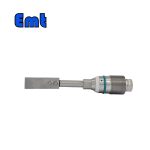
Corrosion coupons serve as reference specimens for offline corrosion measurement and provide the calibration benchmark for LPR probes. Install them alongside LPR probes within the same pipeline or vessel. The coupons generate accurate long-term average corrosion data to validate and calibrate real-time instantaneous corrosion rate readings from LPR systems. This combination delivers reliable, cross-verified corrosion monitoring for your pipeline and process assets.
Reviews
There are no reviews yet.