
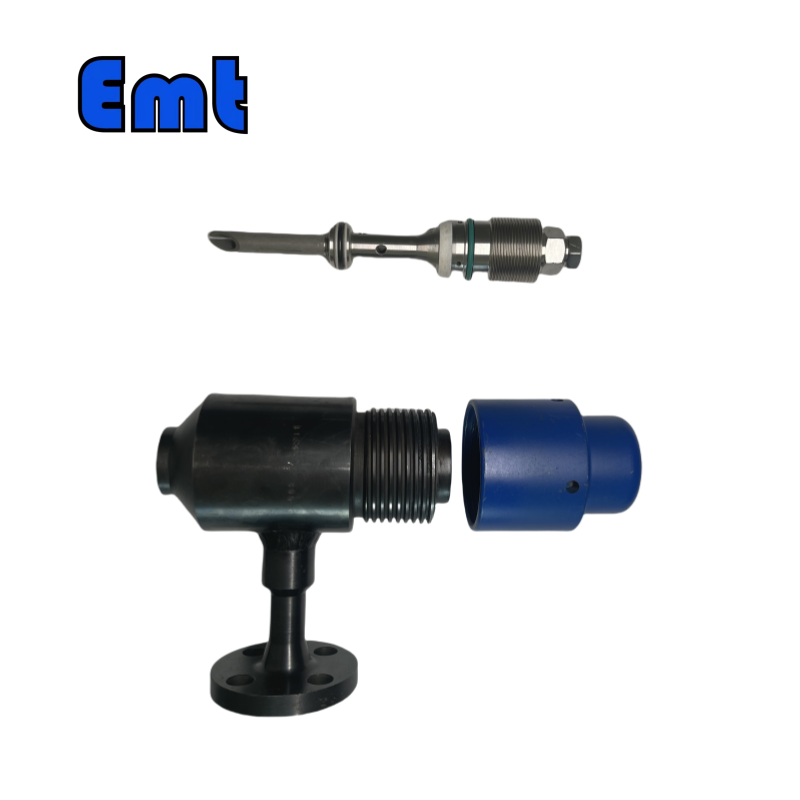
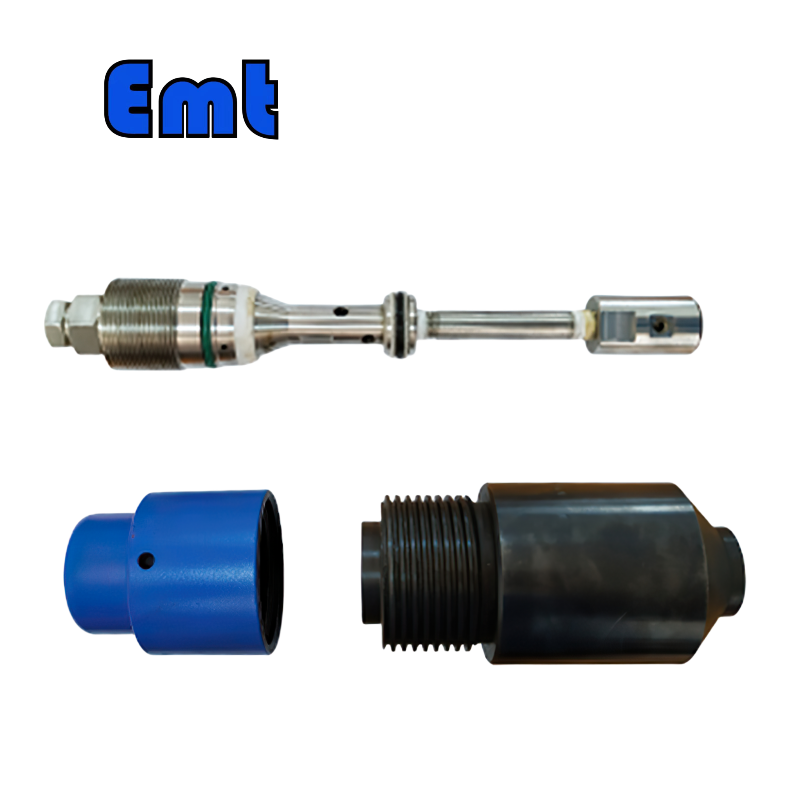
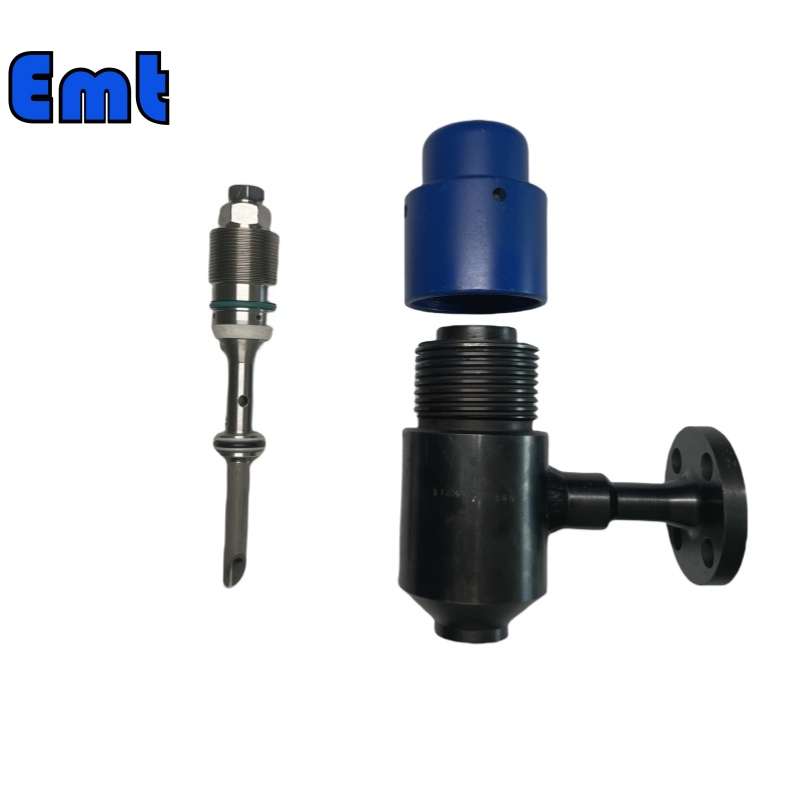
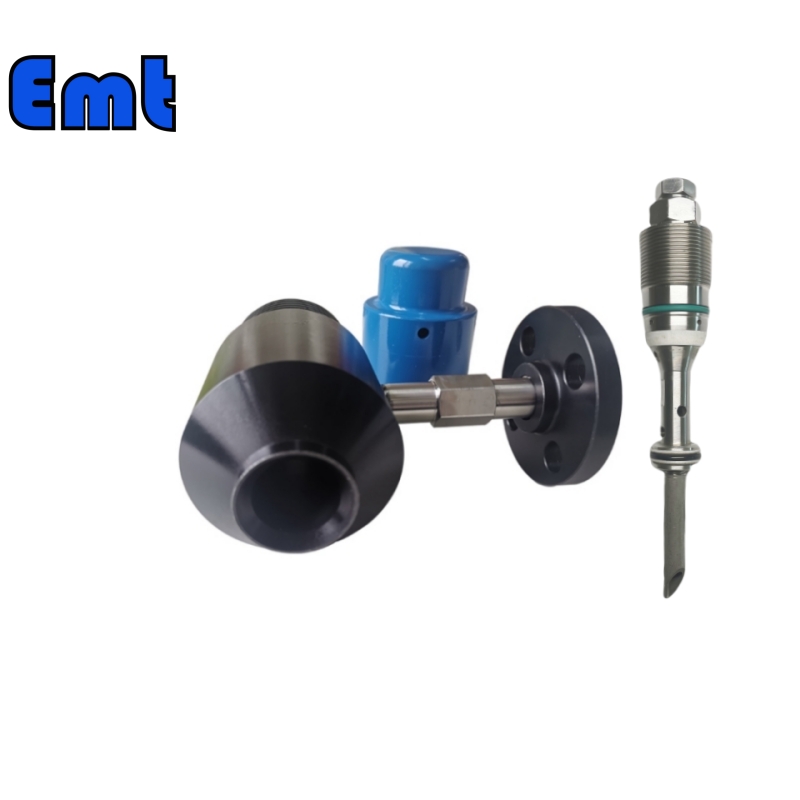
Description
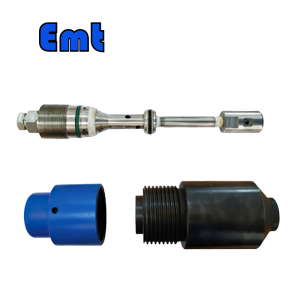
What Problem Does a Chemical Injection Quill Solve?
When a refinery injects corrosion inhibitor through a wall‑mounted nozzle rather than a chemical injection quill, the chemical streams along the pipe wall instead of mixing with the flow. Wall-streaming causes uneven distribution, localized corrosion attack, and chemical waste. Operators see inhibitor consumption rise without proportional protection.
Q: Why does wall-mounted injection cause uneven chemical distribution?
A: Wall-mounted nozzles release chemicals at the pipe boundary, where flow velocity is lowest. The chemical rides the wall downstream and concentrates in low-turbulence zones. The quill extends into the high-turbulence core flow. There, the Bernoulli effect draws the chemical into a vortex wake. As a result, dispersion is faster and distribution is uniform across the pipe cross-section.
Technical Parameters
EMT builds every unit to ASME B31.3 with full material traceability. Custom sizes are available on request.
| Parameter | Specification |
|---|---|
| Pressure Rating | 150LB, 300LB, 600LB, 900LB, 1500LB |
| Temperature Range | -70°C to 120°C |
| Quill Stem Material | 316L Stainless Steel (Duplex / Inconel optional) |
| Body Material | Carbon Steel, 316SS, 316LSS, Duplex SS, Inconel 625 |
| Seal Material | Viton O-Ring + PTFE |
| Injection Tube Sizes | 1/4″, 1/2″, 3/4″, 1″ |
| NPT Tee Sizes | 1/4″, 1/2″, 3/4″, 1″ |
| Flange Standard | ANSI B16.5 / API 6A |
| Nozzle Types | Quill (slotted), Spray, Open End, Cap & Core |
| Design Standard | ASME B31.3 Process Piping |
| Sour Service | NACE MR0175 / ISO 15156 compliant options |
| Certifications | ASME U-Stamp, EN 10204 3.1 / 3.2 inspection certificates |
Product Advantages
- Center-stream injection — Delivers chemicals into the turbulence core for 85% faster mixing than wall-mounted nozzles
- Integral check valve — Prevents process fluid backflow into the chemical supply line, API 594 compliant
- 45-degree bevel tip — Oriented downstream to leverage vortex-induced mixing and eliminate wall impingement
- Three connection options — Flange, weld, or retractable configurations match any installation constraint
- Dual function — Serves as both chemical injection point and fluid sampling port for pipeline integrity monitoring
- Full material traceability — 316L stainless steel quill stem with Hastelloy C276 or Inconel 625 for extreme sour service
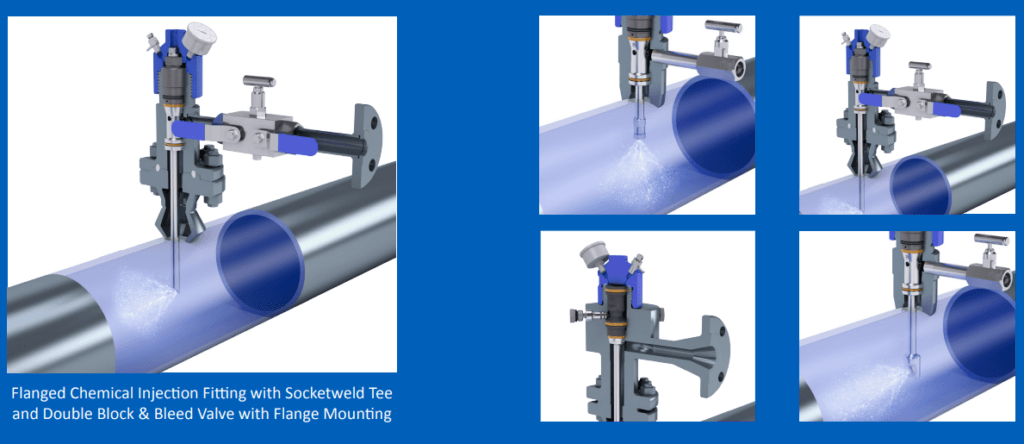
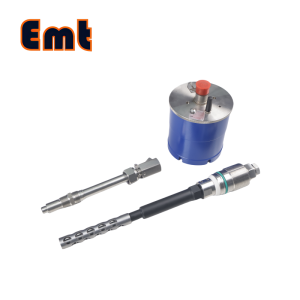
Chemical injection quills demonstration diagram
Where Are Pipeline Injection Accessories Used?
Pipeline injection quills appear in most continuous-process applications where chemical treatment must reach the center stream without wall-streaming:
- Onshore oil and gas transmission — Corrosion inhibitor and scale inhibitor dosing programs across long-distance trunk systems
- Offshore platform modules — Compact chemical injection points inside space-constrained platform modules
- High-pressure gas pipelines — Methanol injection to prevent hydrate formation during depressurization
- Refinery process units — Corrosion control, pH adjustment, and caustic neutralization
- Produced water systems — Scale inhibitor dosing in water injection and disposal lines
- Pipeline integrity programs — Fluid sampling ports for corrosion rate analysis and coupon retrieval
- Cross-country gas storage — Batch biocide treatment during seasonal line cycling and pig runs
Field engineers select connection type, material grade, and nozzle geometry from a single datasheet based on fluid, pressure, and installation access.
About EMT
EMT is a Shenyang-based manufacturer of oil and gas pipeline accessories with 30+ years of engineering experience in the energy sector.
Capabilities:
– 5-axis CNC machining and a 10,000 psi pressure test bay
– ASME Section IX welding plus NDT (UT, PT, RT, MT)
– Monthly capacity of 1,000+ injection quills and 500+ closures
– Engineering support in 4 languages: English, Arabic, Spanish, Chinese
Certifications: ASME U-Stamp, ISO 9001 quality system, NACE MR0175 / ISO 15156 sour service compliance, EN 10204 3.1 / 3.2 mill certificates.
Service: Ships to 30+ countries with standard lead time 4-6 weeks and custom orders 6-10 weeks. Field service engineers provide installation guidance on request.
Exhibition Experiences
EMT regularly exhibits at major oil and gas events worldwide. Visitors can review the chemical injection quill range, request samples, and discuss project specifications with the engineering team on-site.
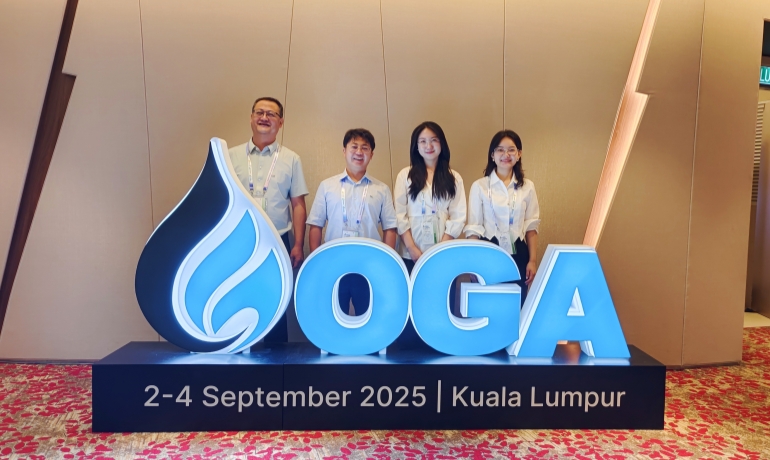
- ADIPEC 2025, Abu Dhabi, UAE (November 2025)
- NACE Corrosion 2025, Houston, TX, USA (March 2025)
- OTC Asia 2025, Kuala Lumpur, Malaysia (March 2025)
- Hannover Messe 2025, Hannover, Germany (April 2025)
- Oil & Gas Asia 2025, Kuala Lumpur, Malaysia (September 2025)
Pre-show meeting requests can be sent via the contact page to schedule dedicated engineering time.
Customer Cases for Chemical Injection Quill
Anonymized at buyer request. Industries, regions, and applications are public; project details are not.
- Saudi Aramco-type operator, Saudi Arabia — 200+ quills for a DN300-DN600 sour gas injection line (316L + Inconel 625 dual material for H₂S service). Engineering supported custom flange drilling and field installation supervision; delivered 2025.
- Anonymized North Sea operator, UK / Norway sector — Retractable quills for hydrate inhibition on a DN400 pipeline operating continuously at -29°C and 1500LB. The retractable model eliminated planned shutdowns for chemical injection point maintenance; delivered 2024.
- Middle East gas pipeline operator, UAE — Methanol injection units for cross-country transmission at DN500 with 900LB ANSI flanges. All units certified ASME B31.3 with full traceability; delivered 2025.
Frequently Asked Questions
Q: What is a chemical injection quill used for?
A: This pipeline accessory introduces treatment chemicals into the center of a process line. Treatment chemicals include corrosion inhibitors, scale inhibitors, biocides, and methanol. The accessory ensures uniform mixing. It also prevents concentrated chemicals from attacking the pipe wall.
Q: How does a injection quill differ from a wall-mounted nozzle?
A: A standard nozzle injects at the pipe wall, causing wall-streaming and uneven distribution. The injection quill extends into the center stream. It delivers treatment directly into the high-turbulence core. As a result, dispersion is rapid and uniform.
Q: Can the quill be serviced without shutting down the pipeline?
A: Yes. The retractable model allows insertion and extraction at full operating pressure. Flanged and welded types require a planned shutdown or bypass arrangement for maintenance access.
Q: What materials are available for sour service?
A: EMT supplies injection quills in 316L stainless steel as standard. Duplex stainless steel and Inconel 625 are also available for high-H₂S environments. All sour service materials comply with NACE MR0175 / ISO 15156.
Q: What certifications back the manufacturing quality?
A: EMT holds ASME U-Stamp certification. The company issues EN 10204 3.1 or 3.2 inspection certificates. NDT testing covers UT, PT, and RT. Hydrostatic testing follows project specifications.
Other products related to the detection of chemical corrosion:
|
|
|
|
Reviews
There are no reviews yet.