
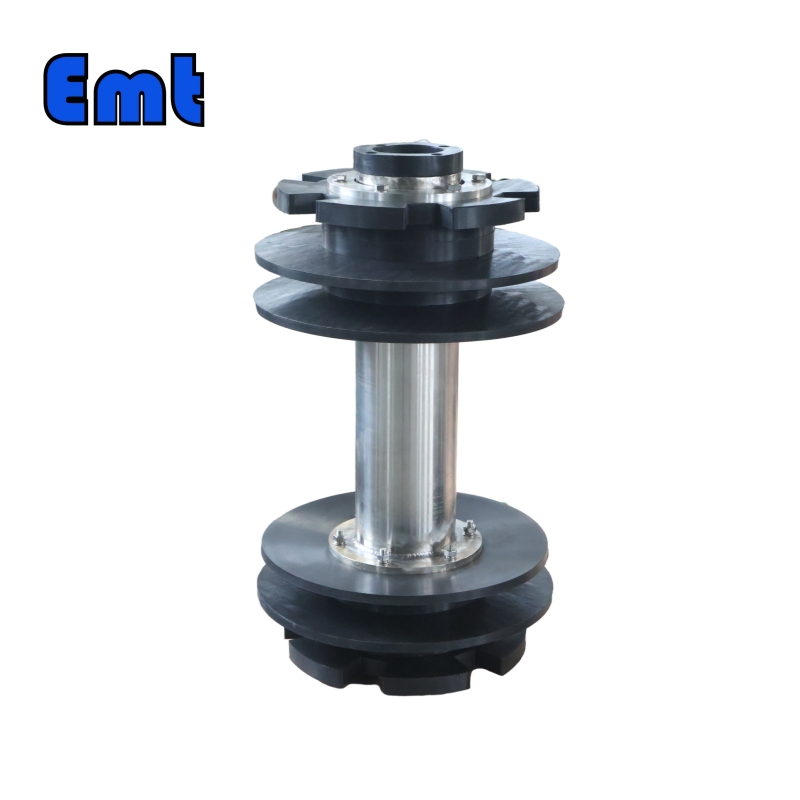
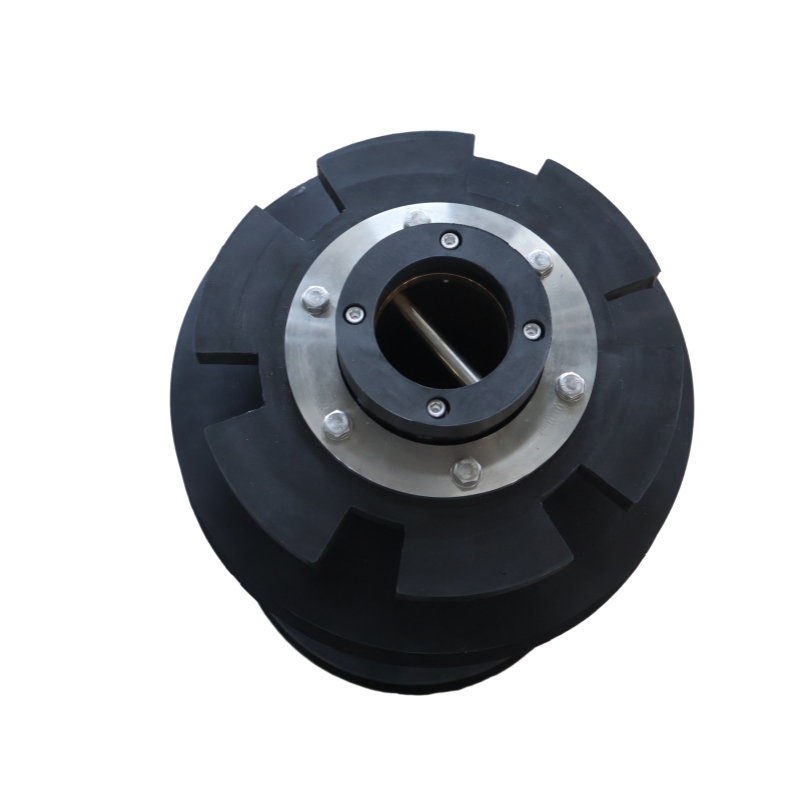
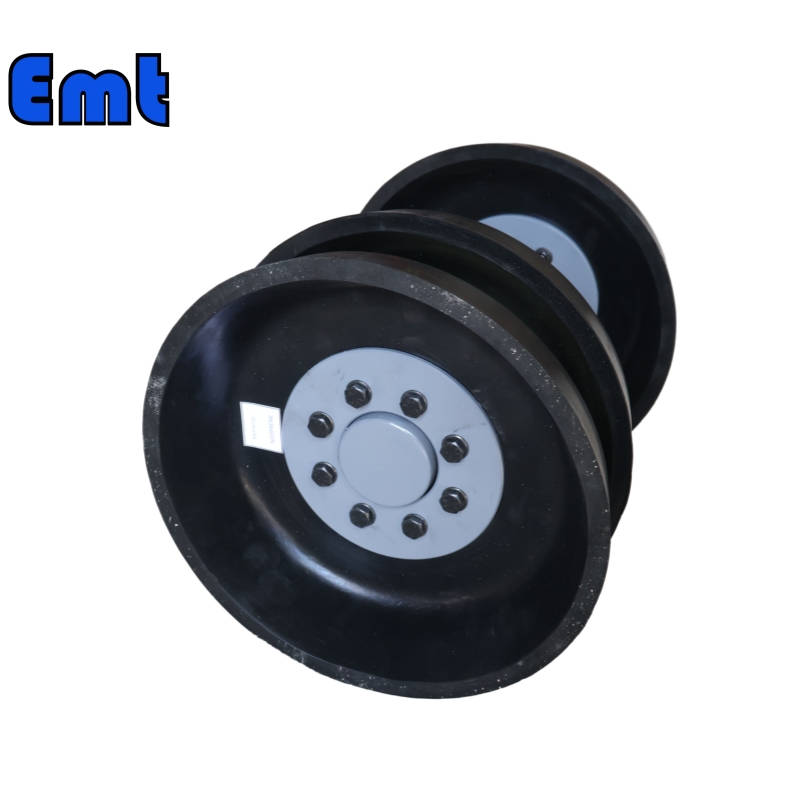
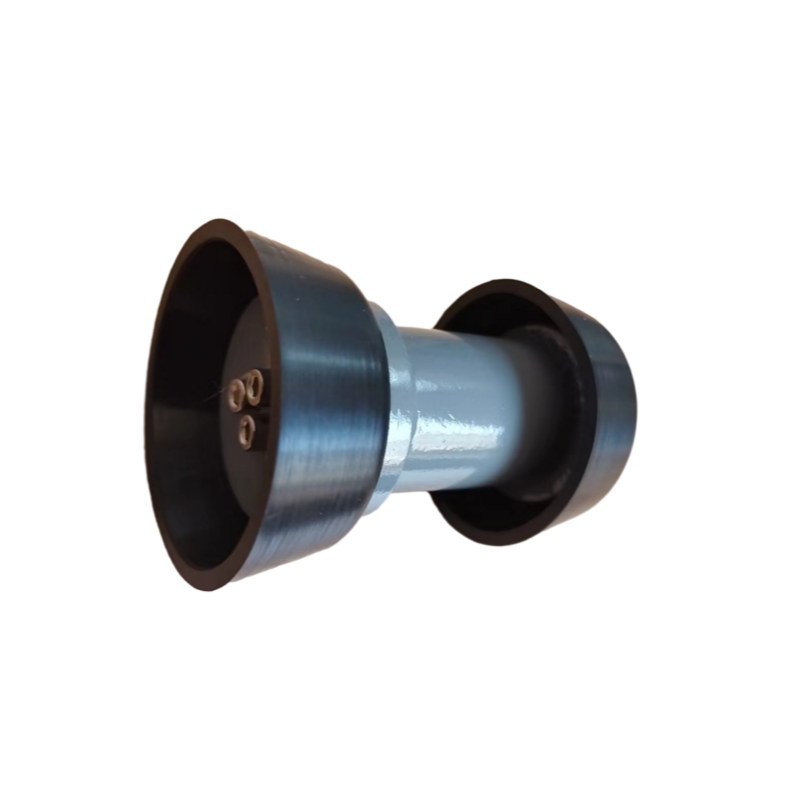
Description
Why specify a fluororubber pipeline seal
Fluororubber (FKM) follows ASTM D1418. It resists hydrocarbons, mineral acids, and chlorinated solvents. The compound stays stable from -20°C to +200°C. For hot, sour duty we offer high-temperature grades.
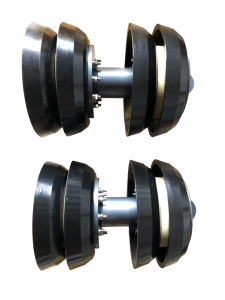
However, FKM has limits. It weakens in hot amines, steam, and ketones. We qualify the compound against your inhibitor blend before shipment. That step prevents most field failures.
See what happens when the wrong seal is specified: What if your fluororubber pipeline seal fails?
Key Features
- FKM compound— Resists hydrocarbons, acids, and solvents that destroy nitrile.
- -20°C to +200°C range— Stable across most pipeline duty cycles.
- Low compression set— Keeps sealing force after months in service.
- NACE MR0175 qualified— Safe for sour (H2S) service.
- Matched to your chemical— We document compatibility before you buy.
- Standard and custom sizes— 1/4″ to 2″ NPT, DN8 to DN50.
| Attribute | Value |
|---|---|
| Material | Fluoroelastomer (FKM), ASTM D1418 |
| Hardness | 75 Shore A (±5) |
| Temperature range | -20°C to +200°C (-4°F to +392°F) |
| Chemical resistance | Hydrocarbons, mineral acids, chlorinated solvents |
| Pressure rating | Up to 15000 psi (1034 bar) |
| Sizes | 1/4″–2″ NPT / DN8–DN50 |
| Color | Black (custom available) |
| Standards | ASTM D1418, ASTM D2000, NACE MR0175 |
What if Your Fluororubber Pipeline Seal Fails?
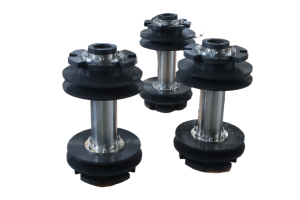
Why the fluororubber pipeline seal degrades
Fluororubber (FKM) is tough. It resists hydrocarbons, acids, and chlorinated solvents across a wide temperature band. But it has limits. Expose it to hot amines, steam, or ketones, and the compound swells or cracks. Push past its rated temperature, and it hardens.
Compression set is the silent killer. Over months of heat and pressure, the seal loses its spring. It no longer presses against the seat. A thin film of chemical then slips past.
What most buyers miss
Buyers spec the quill and forget the seal. Yet the seal fails first, almost every time. They order generic O-rings from a catalog. Those rings were never tested against the inhibitor blend.
The good news is simple. Spec the seal with the chemical, not against a generic datasheet. Send us your inhibitor name, temperature, and pressure. We return a compound that fits.
FAQ
What chemicals does a fluororubber pipeline seal resist?
FKM resists hydrocarbons, mineral acids, and most chlorinated solvents. It is not suited to hot amines, steam, or ketones. Send us your inhibitor name and we confirm compatibility.
What temperature can the fluororubber pipeline seal handle?
Standard compound serves -20°C to +200°C. High-temperature grades reach +230°C. We select the grade from your operating window.
Is the seal qualified for sour service?
Yes. We qualify applicable compounds to NACE MR0175 / ISO 15156 for H2S environments. State your H2S partial pressure at order.
Can I get a custom size or compound?
Yes. We mold custom cross-sections and qualify custom compounds against your chemical program. Share the drawing or duty profile.
Why not use a standard nitrile O-ring?
Nitrile swells and cracks in aromatic hydrocarbons and many inhibitors. FKM lasts far longer in aggressive duty. The seal is cheap insurance against a shutdown.
Reviews
There are no reviews yet.