
Description
Cavitation Jet Pig Not Cleaning? Why Hard Scale Stays
You think your line is clean after a pig run. The deposit on the wall says otherwise. A cavitation jet pig uses collapsing cavitation bubbles to shear scale, wax, and oxide off the pipe wall — but only when the setup matches the foulant.
Most operators learn this after three wasted runs and a failed inspection.
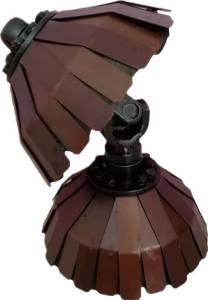
What most buyers miss
What happens when a cleaning run still leaves hardened wax or scale behind? And why might throughput stay depressed even after a full pigging campaign—residual film, exposed corrosion, or a damaged coating? Most critically, what does it cost when an MFL or UT inspection tool comes back with unusable data because fouling blocked the signal?
These are not edge cases. They are the normal result when a standard scraper meets tenacious scale. The pig passes. The line looks clear. The bond stays on the wall.
Mechanical pigs rely on rigid contact. Hard scale simply slips past the blade. The restriction moves, but it does not leave. Pressure drop holds. Throughput suffers. A purpose-built cavitation jet pig changes that outcome.
Field data shows the gap: a scraper removes 40–60% of bonded scale, while a jet pig reaches 90%+ on the same line.
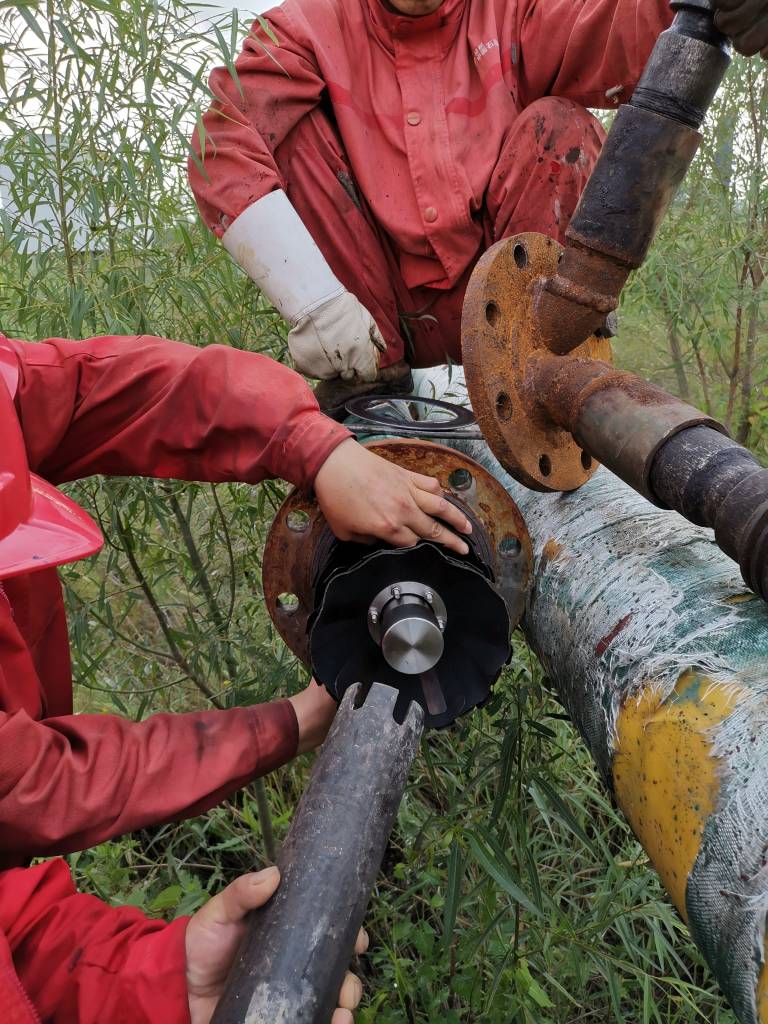
How a cavitation jet pig clears hard scale
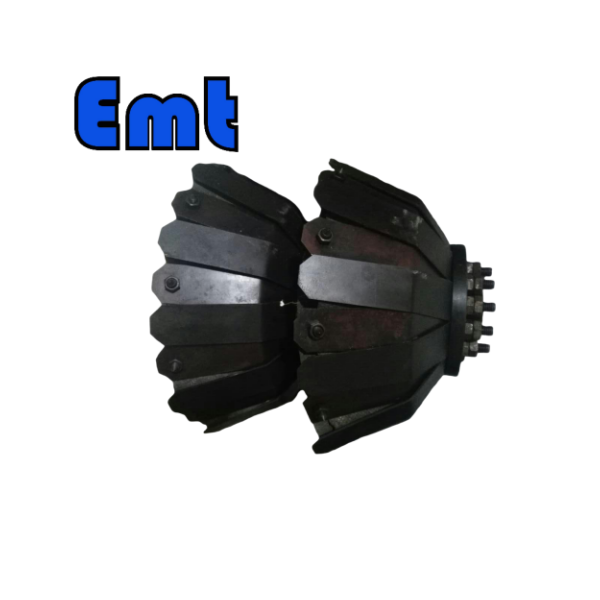
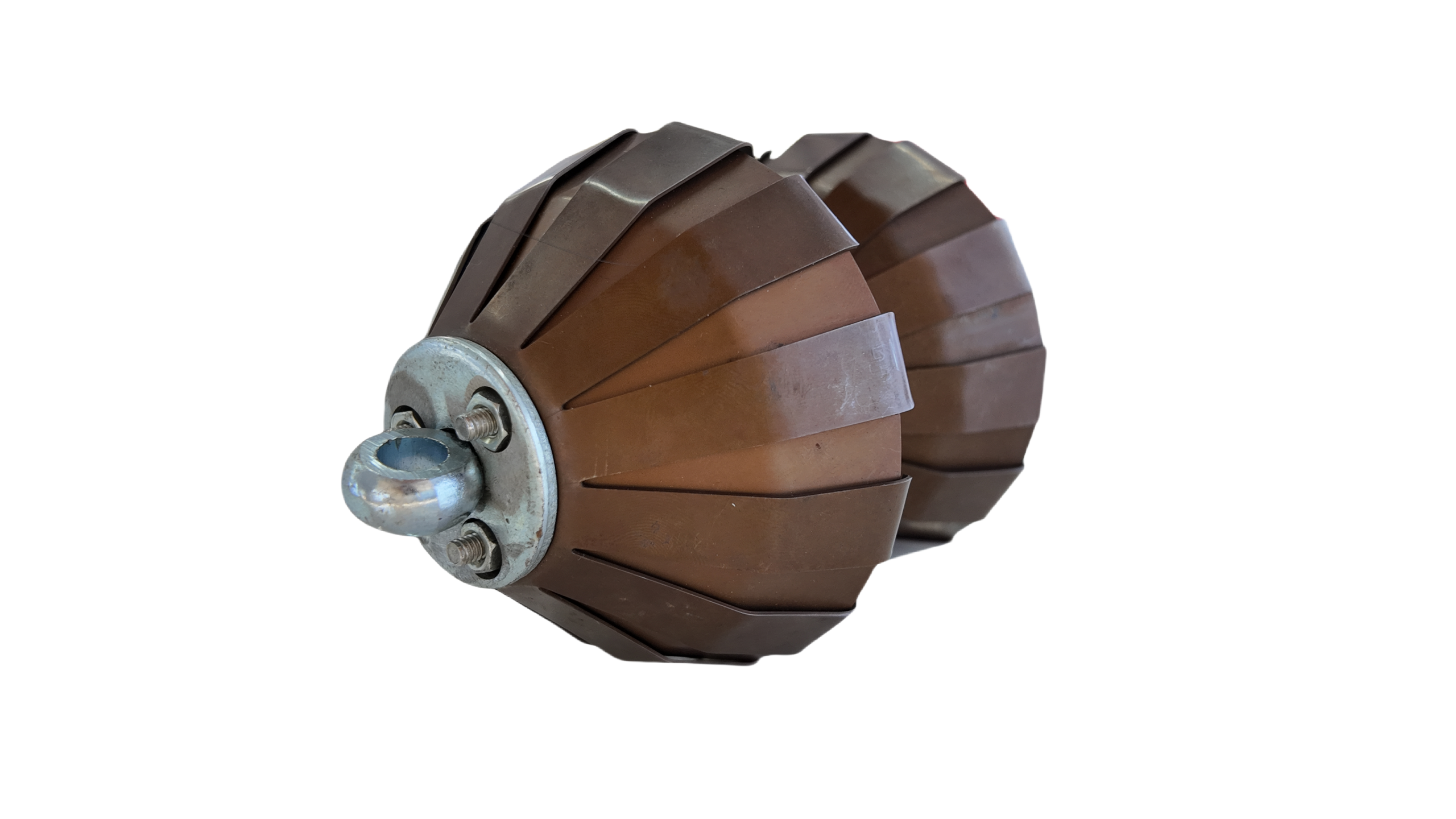
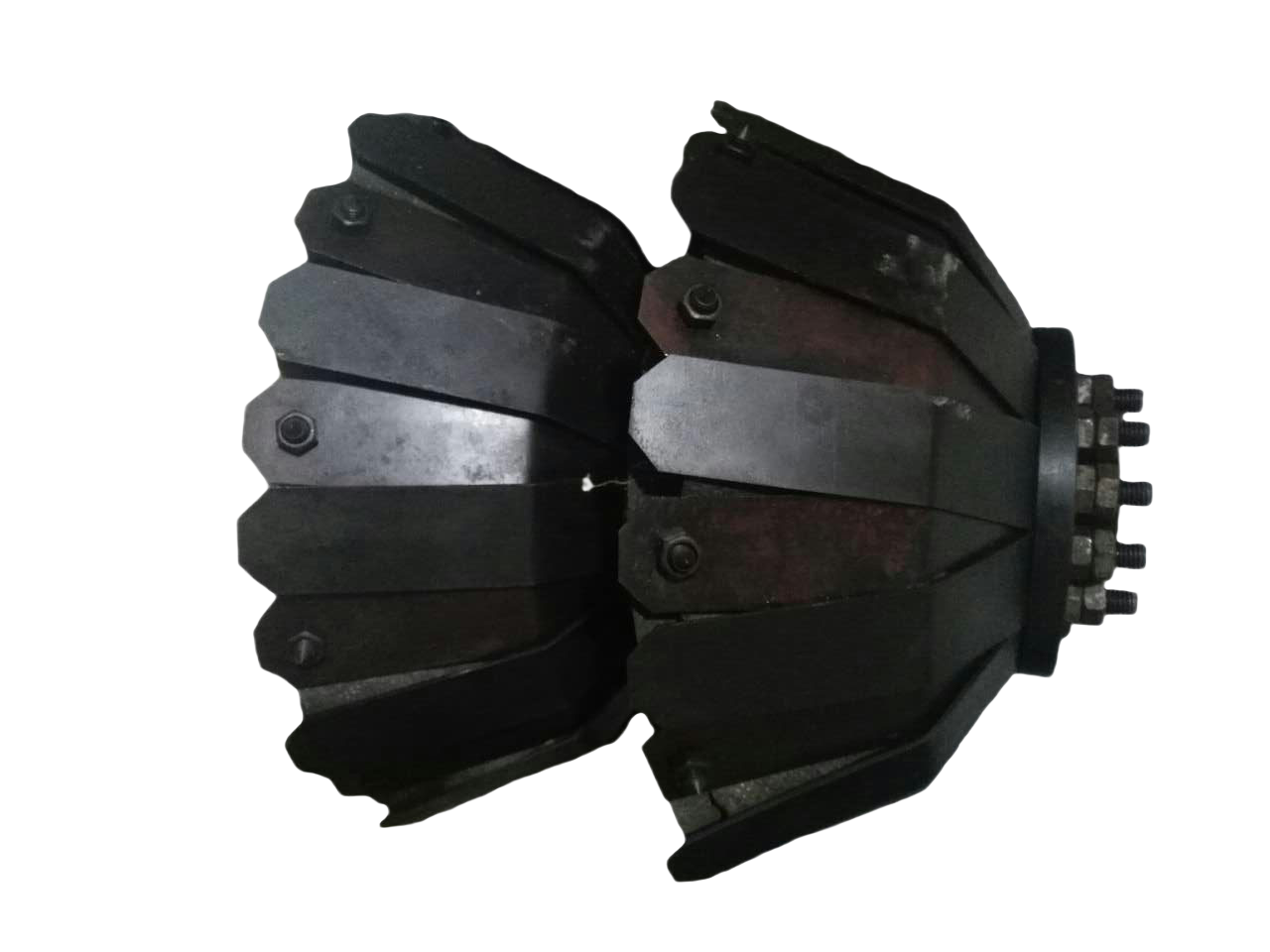
A cavitation jet pig with rotating nozzles does the job a scraper cannot. Cavitation bubbles form in the low-pressure zone behind each nozzle. They collapse against the wall. The micro-jets shear the deposit loose. Your line stays intact — no cutting, no scoring, no metal loss.
The jet reaches where a cup or disc pig cannot — wax, oxide, hardened scale. Throughput recovers because the restriction is gone.
Typical setup: 4–12 nozzles at 6–20 bar, line velocity 1–3 m/s. The pig holds station and needs no high differential pressure to cut.
But what if the buildup is thicker than a single jet can reach?
The cavitation jet pig upgrade
A dual-stage jet pig adds adjustable pressure and onboard tracking. It handles heavier fouling and confirms position live. Our [dual-stage jet pig]clears what a single stage leaves behind.
Per [NACE MR0175], the standard for corrosion control in oil and gas, clean and verified line data supports integrity management. A tracked jet pig gives you that proof before the ILI run.
Specify by foulant, not by habit. Bonded scale needs higher jet energy; loose powder needs gentler passes.
When to choose cavitation over mechanical
For bonded deposits—rather than loose ones—reach for a cavitation jet pig. It protects the pipe wall from scoring and prioritizes inspection readiness over speed. A scraper, by contrast, handles loose debris more effectively.A jet wins on hard scale.
Use both in sequence on mixed fouling: scrape the loose load, then jet the bonded layer. That order clears fastest and protects the ILI tool.
FAQ
Q: How does a cavitation jet pig differ from a mechanical pig?
A: A mechanical pig scrapes with blades. A cavitation jet pig shears with collapsing bubbles. The jet reaches bonded scale a blade slips past.
Q: Can a cavitation jet pig damage the pipe wall?
A: No. The micro-jets loosen deposit only. They do not cut metal. Your wall stays intact, score-free, and within tolerance.
Q: What pressure and flow does it need?
A: Nozzles run 6–20 bar. Line velocity stays 1–3 m/s. It needs far less differential pressure than a cutting pig.
Q: Will it clear wax and black powder too?
A: Yes. The jet handles wax, oxide, and black powder. For loose loads, run a scraper first, then the jet.
Q: How do I specify the right jet pig for my line?
A: Tell us the foulant, diameter, and pressure. We size nozzle count and energy. Contact EMT for a matched, verified setup.
Reviews
There are no reviews yet.