
Description
What Is a Quick Actuating Closure?
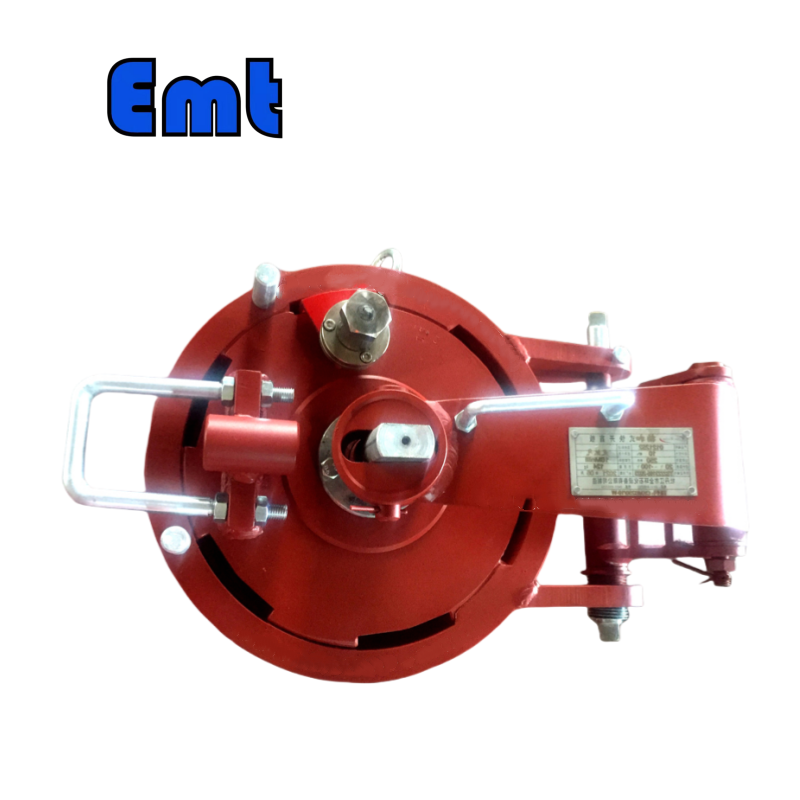
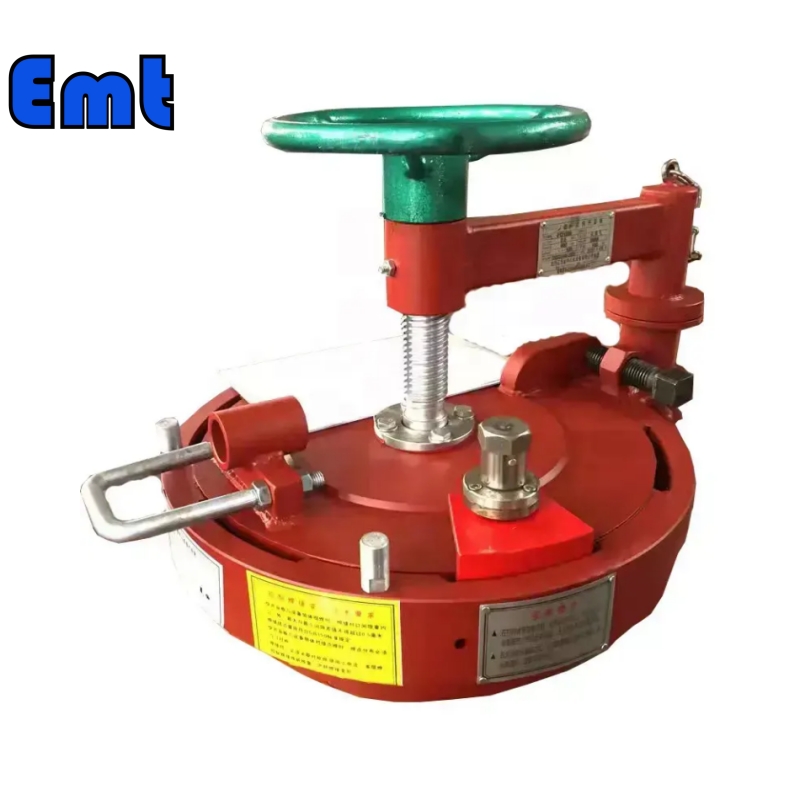
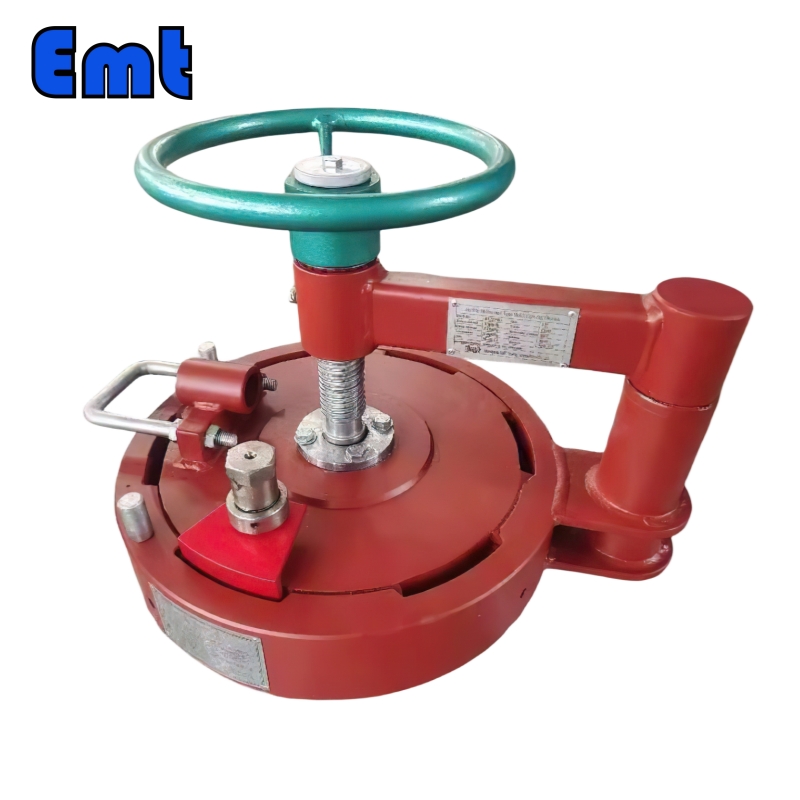
A quick actuating closure is a mechanical door that opens and secures pressure vessel access points in seconds. Operators also call it a quick opening closure (QOC) or a fast-acting closure. Instead of removing dozens of flange bolts by hand, one technician releases the locking mechanism and swings the door open on its hinge. This device replaces bolted blind flanges on pig launchers, receivers, separators, filters, and heat exchangers. Therefore, maintenance crews reclaim hours on every access cycle and remove a recurring manual-handling hazard. Because of this speed and repeatability, the fast-acting closure is now standard across refineries, gas processing plants, water utilities, and chemical facilities.

Key Specifications
| Parameter | Specification |
|---|---|
| Nominal Diameter | DN100 – DN1800 |
| Design Pressure | Up to 40 MPa |
| Operating Temperature | −50°C to +300°C |
| Working Medium | Oil, natural gas, water |
| Material Options | 16Mn, A350LF2, A105, SS304, SS316, F51, F53, F55, Inconel 625, Hastelloy C |
| Wall Thickness | 6 mm – 100 mm |
| Installation | Horizontal or vertical |
| Opening Direction | Left-hand or right-hand |
| Safety Interlock | Standard (blocks opening under pressure) |
| Corrosion Allowance | 3 mm standard, customizable |
How Does This Closure Work?
The operator first confirms zero internal pressure. A safety interlock then blocks the mechanism if pressure remains. After release, the lock disengages and the door swings open on its hinge. The full cycle takes under one minute.
Additionally, the interlock meets ASME Section VIII rules. Therefore, the door cannot open under pressure, which removes the top safety risk on any vessel. The quick opening closure thus protects crews on every run.
Types of Quick Opening Closure
- Bayonet type— Rotating teeth lock and unlock fast; ideal for DN100–DN350.
- Clamp type— External clamps grip the flange evenly; suits a broad diameter range.
- Lock-ring (Bandlock) type— A segmented ring expands radially with low force; best for DN400 and above.
For large doors, the lock-ring closure lets one technician operate a door that other types need a hoist for. This is the main reason plants pick a Bandlock closure on big pig traps.
Why Choose Our Quick Actuating Closure?
- One-minute access— A fast-acting closure cuts service time from 45 minutes to under 60 seconds.
- Safety interlock standard— The device blocks opening under pressure, meeting ASME Section VIII.
- Wide size range— Covers DN100 to DN1800 and design pressures up to 40 MPa.
- Corrosion-ready materials— 16Mn, A105, 304/316SS, duplex F51/F53, Inconel 625, Hastelloy C.
- Hydro-tested— Every unit passes hydrostatic pressure testing before shipment with full traceability.
- Custom fit— EMT matches your hub, flange rating, and bolt pattern from drawings.
Pair it with our pig launcher and receiver stations for a complete pigging system.
Where Should You Use This Closure?
Use this quick opening closure (QOC) across the full oil and gas chain: pig launcher and receiver doors, separator and filter vessels, heat exchangers, and molecular sieve beds. Beyond hydrocarbons, chemical plants, water treatment stations, and pharmaceutical vessels use the same quick access closure principle to cut turnaround time.
For example, mount one at both ends of a pig trap for fast, safe pig loading and retrieval on every run. Similarly, fit one on a separator boot to speed up filter changes during turnarounds. In offshore and saline environments, pair the door with duplex or Inconel trim so the closure resists corrosion while it saves time.
Frequently Asked Questions
What is a quick actuating closure used for?
It provides fast, safe access to pressure vessels and pig traps. Operators use it to open launcher/receiver doors, separators, and filters in under a minute, replacing slow bolted flanges.
Can this closure open while the vessel is pressurized?
No. Every EMT unit ships with a safety interlock that physically blocks the mechanism when pressure remains. You must fully depressurize and vent before the lock releases. This meets ASME Section VIII.
Which type fits my pipeline diameter?
Choose the bayonet type for DN100–DN350, the lock-ring (Bandlock) type for DN400 and above, and the clamp type for broad ranges. The lock-ring quick opening closure needs the least operating force on large doors.
What materials resist sour and seawater service?
Duplex F51 and super duplex F53/F55 resist chloride stress cracking. Inconel 625 and Hastelloy C handle high-temperature acid and oxidizing media. EMT selects the grade to match your fluid.
How fast is a quick actuating closure versus a bolted flange?
One operator opens a bayonet door in under 30 seconds and a lock-ring door in about one minute. A bolted blind flange of equal size takes 15–45 minutes. The time saving is the main reason plants switch.
Reviews
There are no reviews yet.