
Description
What Is a Sponge Pig?
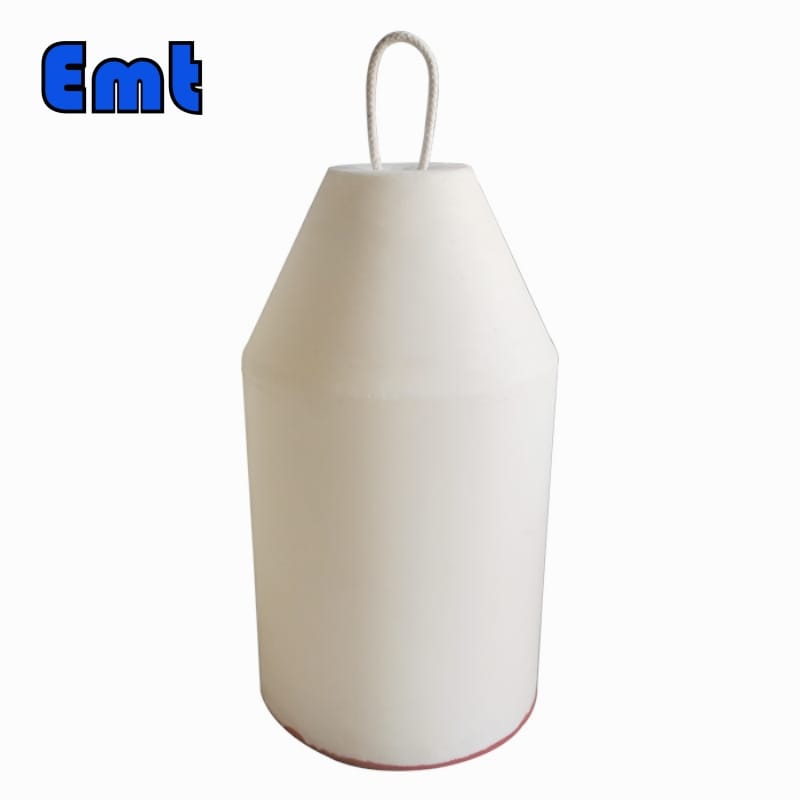
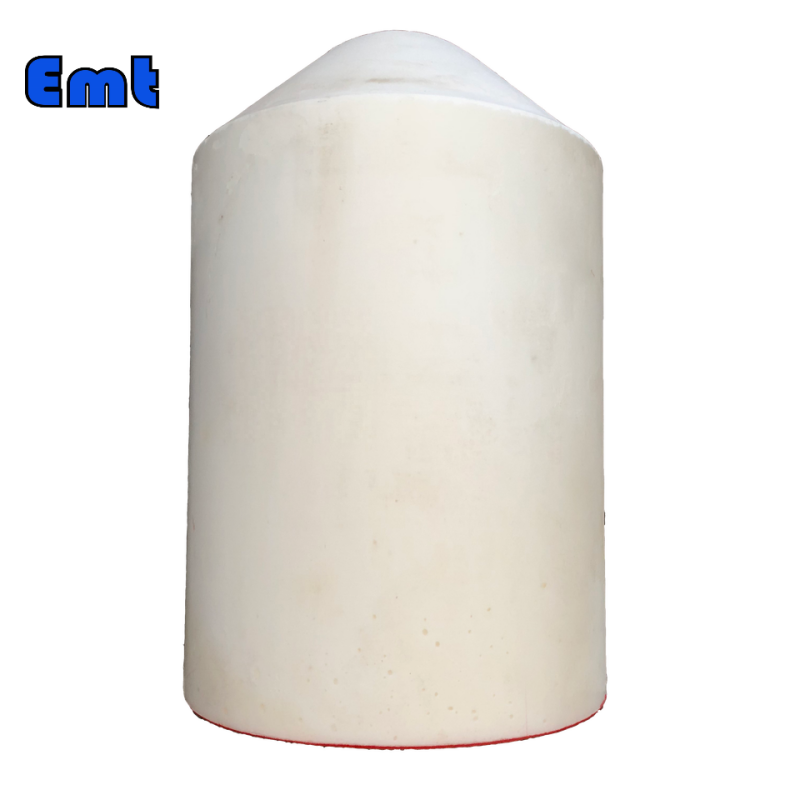
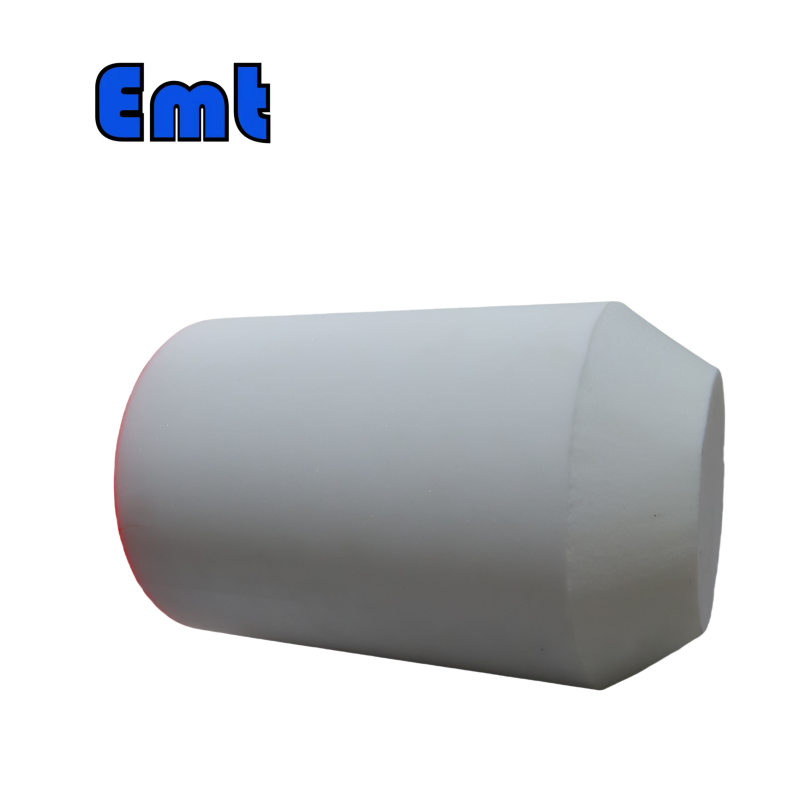
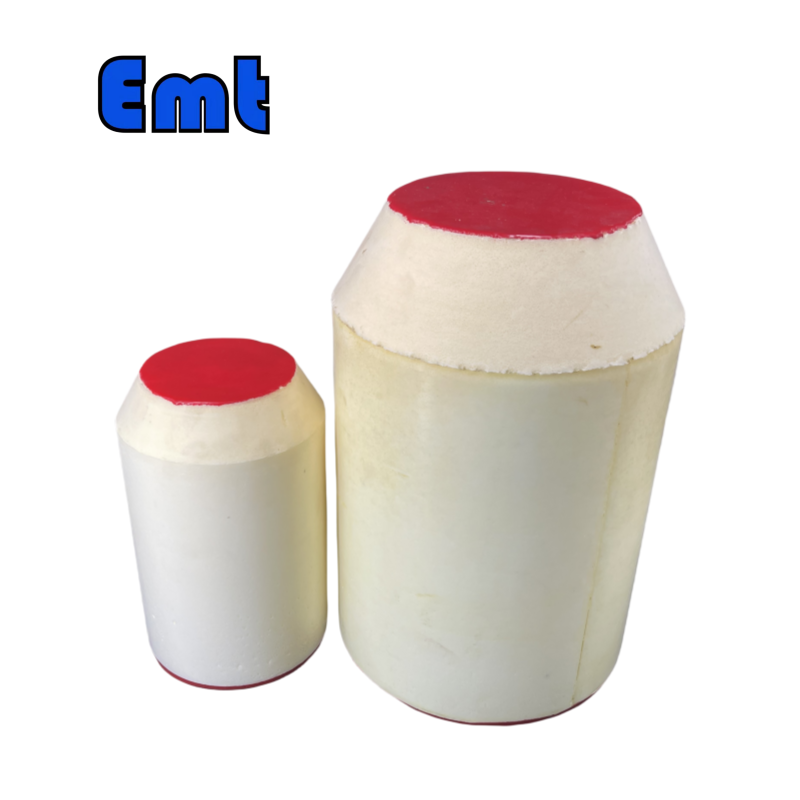
This foam pig is a one-piece polyurethane pig shaped like a bullet. Unlike steel pigs, it compresses to fit oval or partially blocked lines. Therefore, it is ideal for pre-commissioning, hydrotest dewatering, and routine batching. Our foam pig for oil and gas pipeline service uses open-cell foam that absorbs liquid while pushing solids ahead of it.
In addition, the body can carry a urethane coating or abrasive strips for heavier scrubbing. Specifically, a coated model removes wax and scale from low-pressure lines. For most cleaning jobs, however, the basic foam body is enough and costs far less than a steel alternative.
Sponge Pig Specifications
| Parameter | Specification |
|---|---|
| Material | Polyurethane (PU) open-cell foam |
| Density | 30–120 kg/m³ (1.9–7.5 lb/ft³) |
| Diameter range | 2–48 in (50–1200 mm) |
| Length | 1.2–1.5 × diameter (typical) |
| Temperature | −20 °C to 80 °C (−4 °F to 176 °F) |
| Coating option | Polyurethane + silicon carbide strips |
| Direction | Bi-directional |
| Color | Red / blue / custom |
How Does a Sponge Pig Work?
A foam pig moves with the natural flow of the product inside the pipe. The foam body seals against the wall and traps liquids in its cells. As a result, it drives water and debris to the receiving trap. Operators often ask how does a foam pig work in a dirty line; the answer is simple — the foam flexes around obstructions and keeps sealing.
Additionally, you can launch several pigs in sequence for a drier line. For instance, a lead pig removes bulk liquid, and a follow-up pig finishes the dry-out. This method cuts drying time after a hydrotest and protects the next product batch from water contamination.
Sponge Clean Out Pig for Heavy Debris
When the line holds thick sludge or sand, use a sponge clean out pig instead of a basic model. This variant adds a criss-cross or wire-brush coating that scrubs the wall while the foam core stays flexible. Therefore, it clears stuck deposits that a smooth pig would only push along the line. Many EPCs buy a sponge clean out pig for post-construction cleanup where mud and weld spatter remain.
The clean out design also works well before inline inspection. A debris-free line gives the smart pig a clean run and a sharper survey result.
When to Choose Foam
Foam Pig vs Steel Pig:
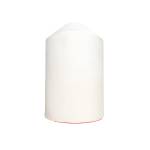
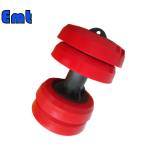
A foam pig vs steel pig decision depends on the job. Steel pigs scrape hard scale but can jam in deformed pipe. In contrast, a foam pig for drying pipeline work passes bends and stays in the line. Therefore, choose foam for cleaning, batching, and dewatering, and choose steel for heavy corrosion removal. Most routine programs keep both on the shelf.
Why Choose EMT as Your Manufacturer
EMT is a professional foam pig manufacturer with ASME U-Stamp certification and years of pipeline field experience. We cut every pig to your measured diameter, so it seals on the first run. As a direct manufacturer, we control density, coating, and lead time without a middle layer.
Our engineering team also advises on pig sequence, launcher sizing, and trap pressure for your project. You get documented specs, fast turnaround, and a partner who understands oil and gas pipeline reality.
Key Features of Our Foam Pig
- High-density PU foam— holds shape under pressure and lasts through many runs.
- Custom diameter— we build every pig to your line size from 2 to 48 inches.
- Open-cell structure— absorbs and carries liquids for faster drying.
- Optional abrasive coat— adds scrubbing power without a steel body.
- Bi-directional travel— runs in either flow direction with no flip needed.
- Lightweight build— ships cheap and launches by hand in small lines.
FAQ
What is a sponge pig used for?
A sponge pig cleans, batches, and dries pipelines. It removes water, oil, and light debris during pre-commissioning and routine maintenance.
How does a foam pig work in a blocked line?
The foam compresses around obstructions and keeps sealing the wall. Therefore, it passes debris that would jam a rigid pig and continues to the trap.
What is a sponge clean out pig?
It is a foam pig with an abrasive criss-cross or wire coating. The coating scrubs heavy sludge while the foam core bends through the line safely.
Can I buy a foam pig from a manufacturer for a 36-inch line?
Yes. EMT builds pigs for 2–48 inch lines. Send your diameter and our manufacturing team cuts the foam to your size.
Is a foam pig reusable?
A basic foam pig is single-use for heavy work, but light batching runs can repeat several times. The coated model lasts longer and scrubs better.
Reviews
There are no reviews yet.