
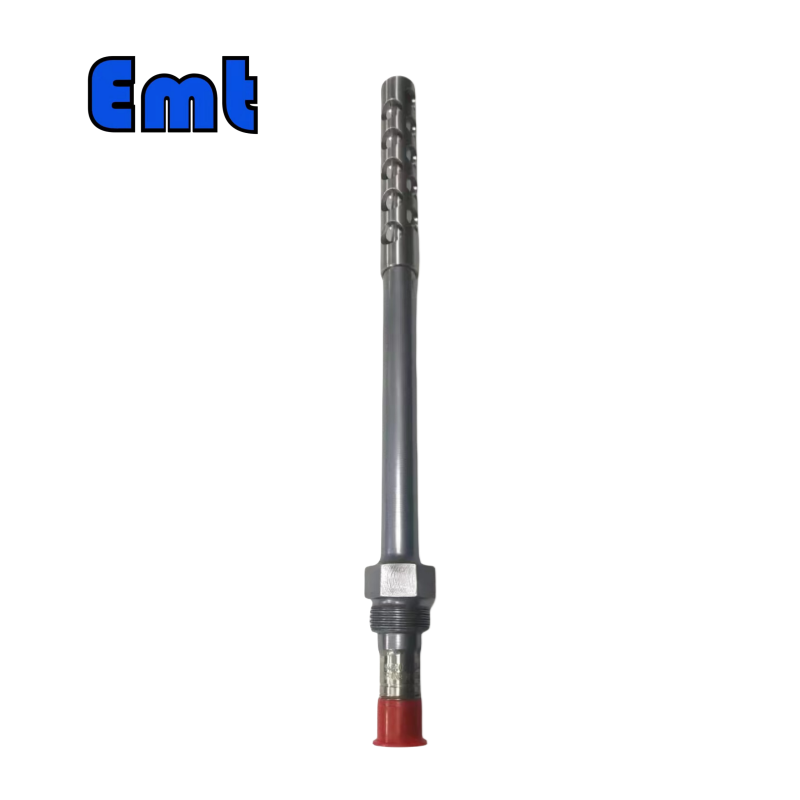
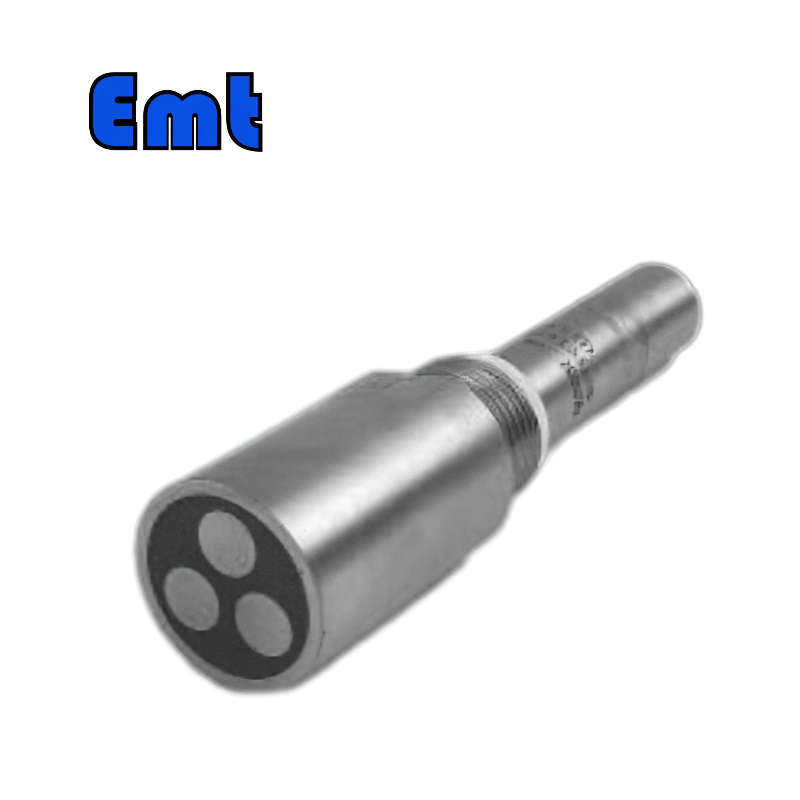
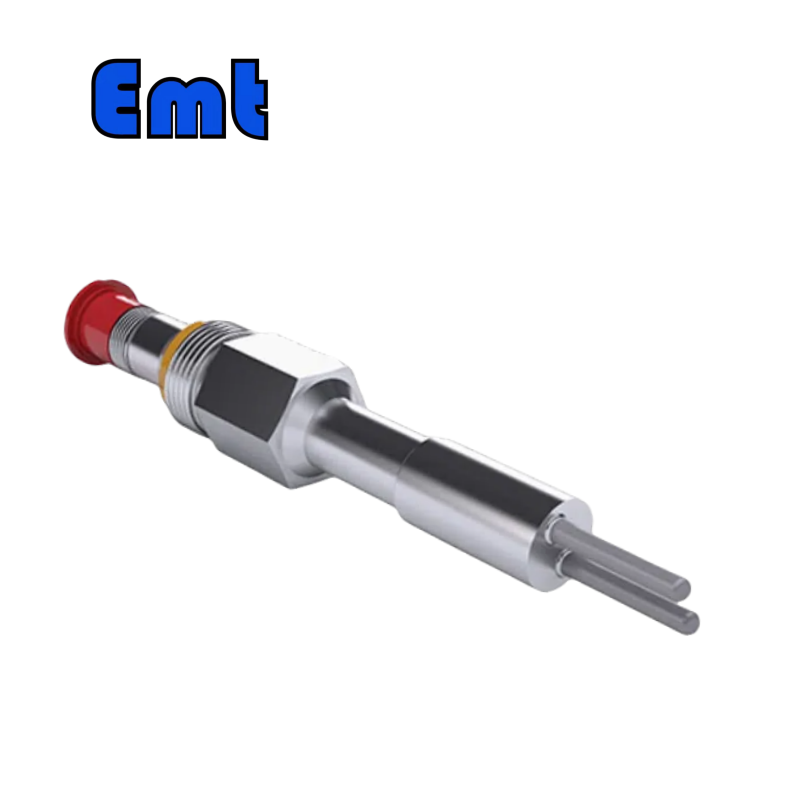
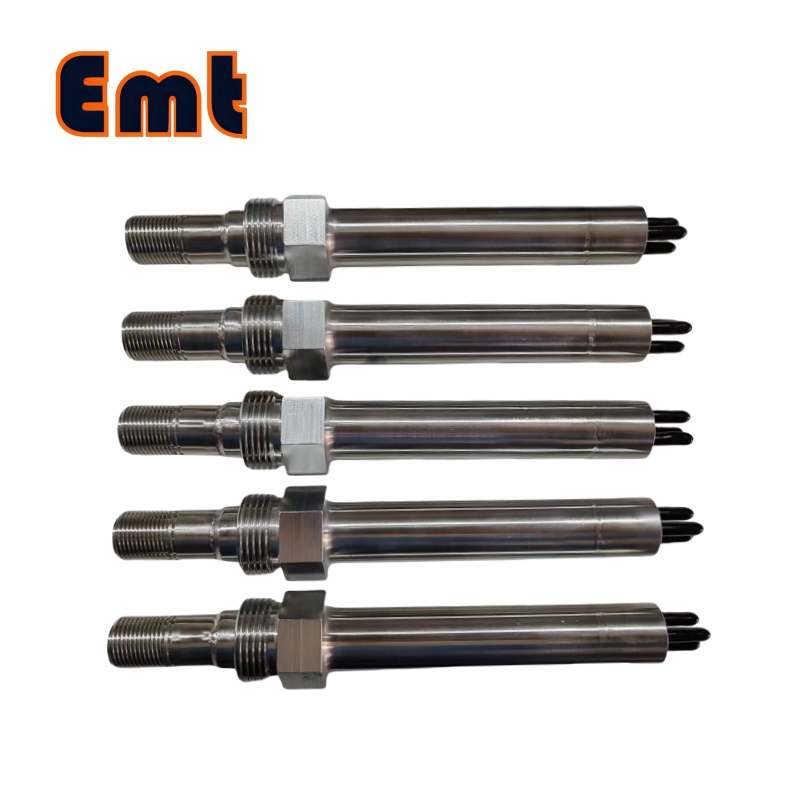
Description
Why Choose a LPR Probe?
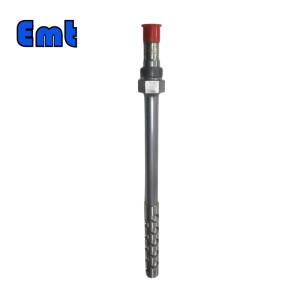
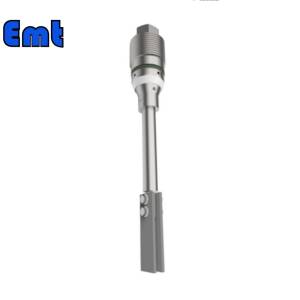
An LPR probe gives you instant corrosion data without stopping the line. Therefore, plant teams spot threats early and act before metal loss becomes a leak. Each probe uses the linear polarization resistance method to read corrosion rate in minutes. As a result, you protect piping, vessels, and budgets with continuous insight. EMT supplies probes that meet this need with field-proven designs.
How the LPR Probe Works
First, the probe sits in the process stream through a standard access fitting. Next, the instrument applies a small polarization voltage across the electrode. Consequently, it measures the current needed to polarize the metal slightly. Therefore, the system calculates corrosion rate from that current using the Stern-Geary equation. Finally, the transmitter sends the data to your control room or DCS.
Key Features
- Real-Time Corrosion Rate — The probe returns corrosion rate in minutes, so you catch changes before they become failures.
- Standard Access Fitting — Our probe fits common retrievable fittings, therefore installation needs no hot work or line shutdown.
- Rugged Electrodes — We use 316L or Hastelloy electrodes that resist corrosion in harsh, high-chloride service.
- Smart Transmitter — The 4–20 mA or digital output links to your DCS, so data reaches the control room directly.
- Retrievable Design — You can pull and replace the probe under pressure with a retriever and isolation valve.
- NACE-Aligned Build — We follow NACE SP0196 guidance, which keeps monitoring consistent and defensible.
Technical Specifications
| Specification | Value |
|---|---|
| Measurement Method | Linear Polarization Resistance (LPR) |
| Electrode Material | 316L SS, Hastelloy C276, or Inconel (project-based) |
| Electrode Count | 2-electrode or 3-electrode (working / reference / counter) |
| Process Connection | Standard access fitting (1″–2″), retractable |
| Output Signal | 4–20 mA, HART, or Modbus RTU |
| Temperature Range | -40°C to 200°C (probe dependent) |
| Pressure Rating | Up to ANSI 2500 LB (fitting dependent) |
| Cable & Housing | PTFE jacket, IP66 / NEMA 4X transmitter |
| Certification | ISO 9001, NACE SP0196 aligned, MTC on request |
We confirm final specifications against each project’s medium, temperature, and pressure.
Applications & Use Cases
Oil and gas operators use an LPR probe for gas pipeline and wellhead monitoring to track internal corrosion from CO2 and H2S. In water injection and firewater lines, the same probe watches microbiologically influenced corrosion (MIC). Additionally, refineries and chemical plants mount probes on vessels and heat exchangers for early warning. For instance, a gas plant can trend corrosion rate per batch of inhibited fluid. As a direct probe manufacturer, EMT serves EPC contractors, utilities, and plant owners worldwide.
Why Work With EMT
Choosing the right monitoring partner protects your assets and compliance. Therefore, we review your medium, temperature, and pressure before recommending electrode and fitting. Moreover, our probes pair with ER probes and coupons in one access system. Because we build both probe and transmitter in-house, integration stays simple and support stays local. However, we still welcome third-party inspection.
Frequently Asked Questions
Q: What does this corrosion probe measure?
This probe measures the instantaneous corrosion rate of metal in a process stream. It uses a small applied voltage and reads the resulting current to calculate rate in microns per year.
Q: Can one access fitting hold both probe types at once?
Yes. Many EMT fittings accept a linear polarization probe, an ER probe, and a coupon at once. This gives you rate, metal loss, and surface data from a single point.
Q: How do I choose an LPR probe manufacturer?
Check electrode material, access fitting type, and signal output. As a probe manufacturer, EMT offers NACE-aligned builds, multiple alloys, and DCS-ready transmitters. We also size the probe to your exact service.
Q: What is the typical lead time from an LPR probe supplier?
Standard probes ship in 3–6 weeks; custom alloys or fittings need 8–12 weeks. We confirm the schedule after reviewing your process data and output requirement.
Q: Do you build probes for sour gas service?
Yes. We select Hastelloy or Inconel electrodes and NACE-compliant materials for H2S/CO2 environments. Each probe passes calibration and pressure testing before shipment.
Reviews
There are no reviews yet.