
Description
Why Choose a Scraper Trap in Pipeline?
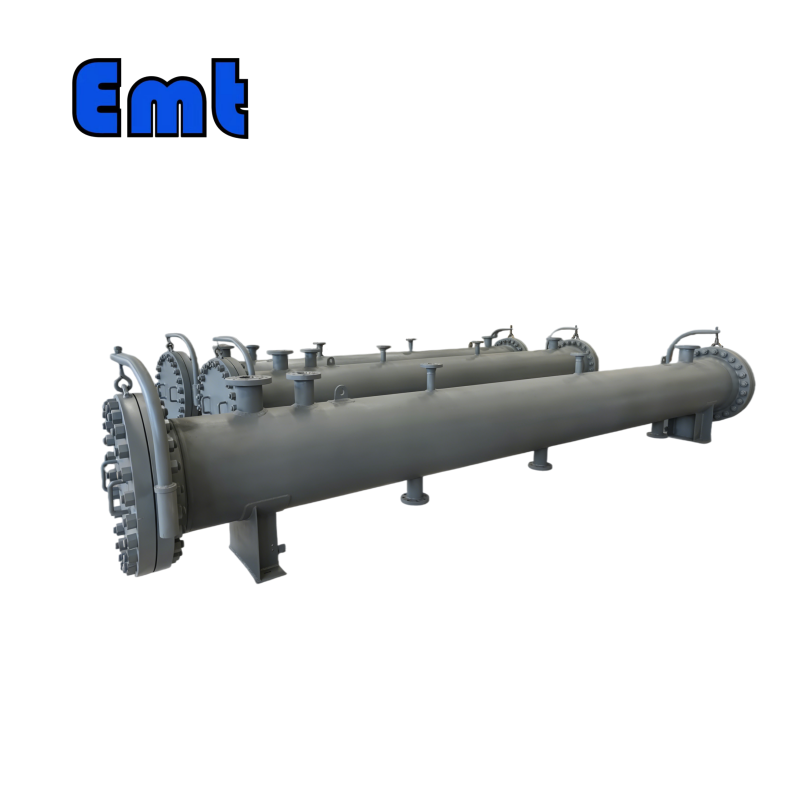
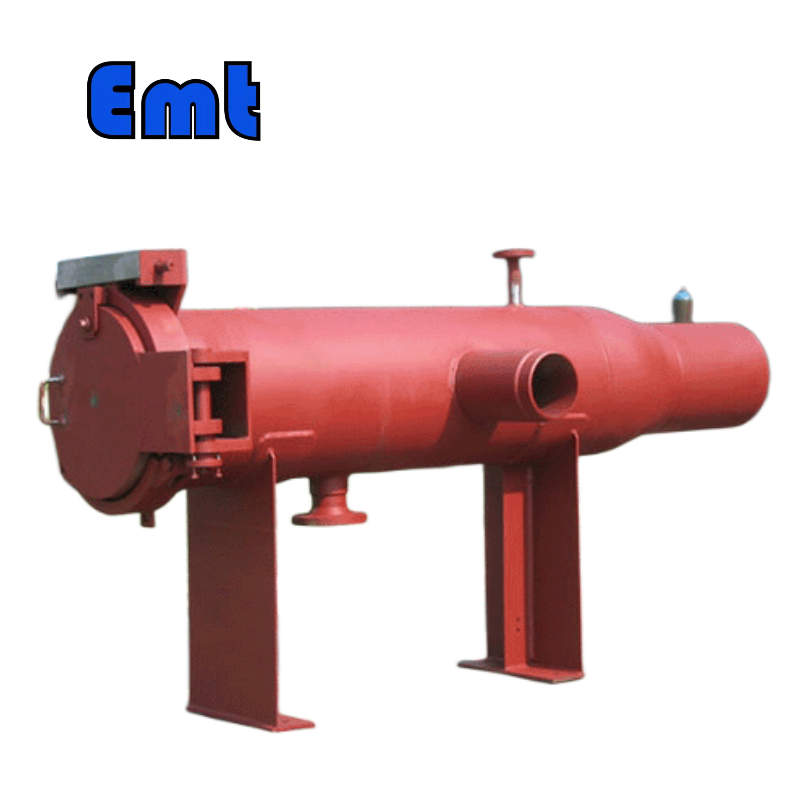
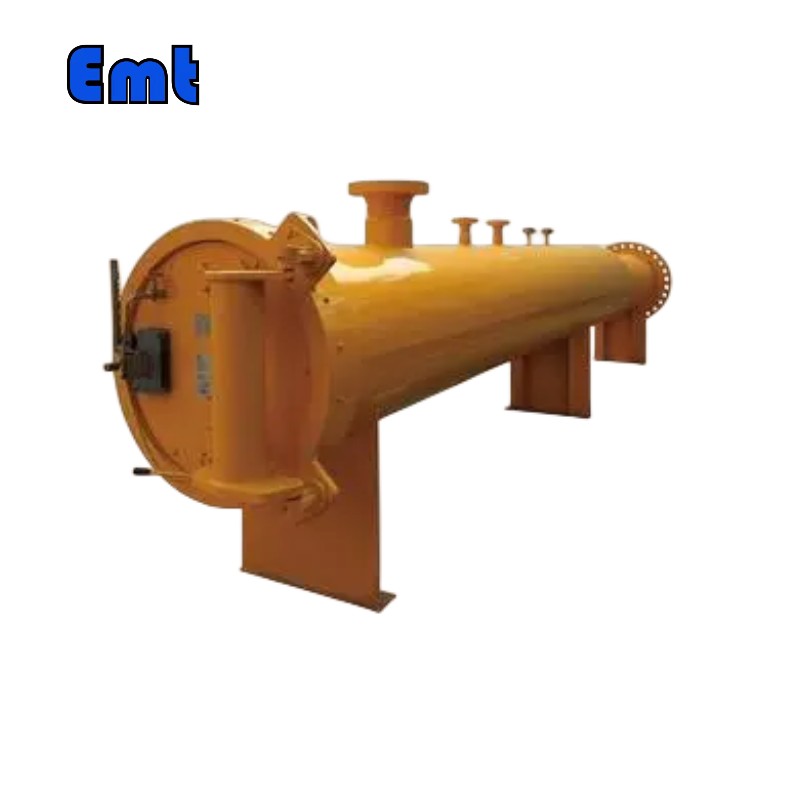
A scraper trap in pipeline keeps your line clean, inspected, and efficient. Therefore, operators install these vessels at both ends of a pipeline to launch and receive pigs. Each trap holds the pig, then pushes it into the flow with gas or liquid. As a result, you remove scale, wax, and debris without stopping production. EMT supplies traps that meet this demand with proven, field-tested designs built to project specs. Our traps also support routine maintenance programs for long pipelines.
How the Trap Works
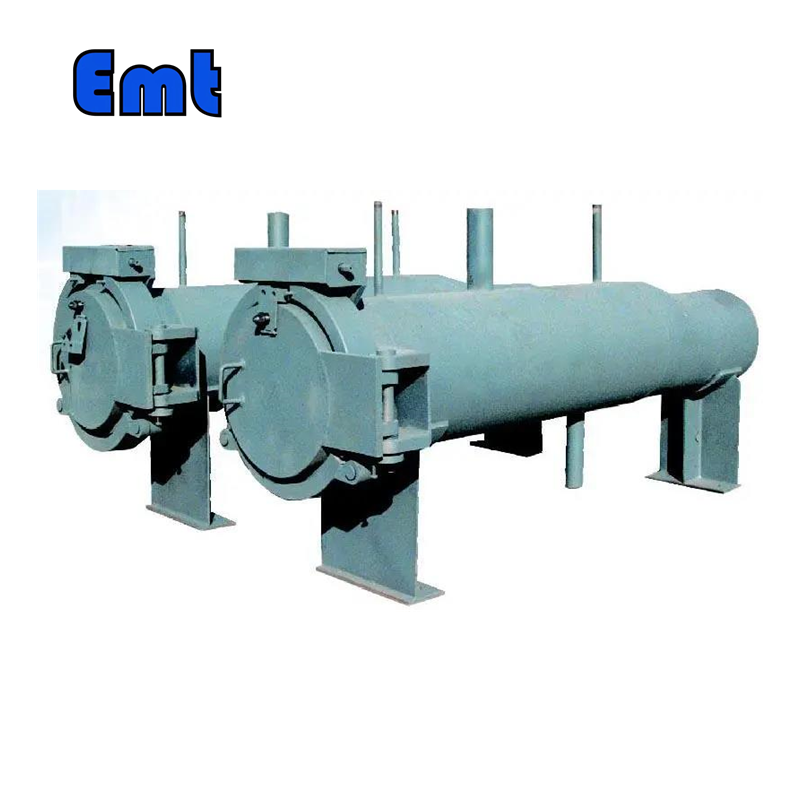
The launcher sits at the upstream end and drives the pig into the line. In contrast, the receiver sits downstream and captures the pig after its run. First, the crew opens the quick-opening closure and loads the pig into the barrel. Next, they close the closure and pressurize the kicker line. Consequently, the pig moves forward and travels the full length of the pipeline. Throughout the run, pig signallers confirm passage at key points. Finally, the receiver vents pressure safely before the crew opens the closure and removes the pig.
Key Features
- Quick-Opening Closure (QOC) — Our Bandlock-style closure opens in seconds, so crews launch and receive pigs without heavy tools.
- ASME-Certified Vessel — We build each trap to ASME VIII Div.1, which ensures safe pressure ratings for your line.
- Full-Bore Barrel — The smooth barrel clears pigs easily, therefore reducing the risk of stuck or damaged pigs.
- Flexible Sizing — Traps span 2″ to 48″ and serve both launcher and receiver duties on one skid.
- Instrumentation Ready — We fit pig signallers and pressure ports, so you confirm pig passage in real time.
- Corrosion Protection — Epoxy lining or clad options resist H2S and CO2 in sour gas service.
Technical Specifications
| Specification | Value |
|---|---|
| Material Grade | Carbon steel ASTM A106 / A516; optional 316L stainless |
| Nominal Size | 2″–48″ (DN50–DN1200) |
| Pressure Rating | ANSI 150–2500 LB (PN16–PN420) |
| Design Code | ASME VIII Div.1; ASME B31.4 / B31.8 |
| Closure Type | Quick-opening (Bandlock-style) closure |
| End Connection | ASME B16.5 / B16.47 flange; RTJ or RF face |
| Barrel Length | Pig length + 1.5× pipe ID (project-based) |
| Surface Treatment | Sa2.5 blast; epoxy or PU coating |
| Certification | ISO 9001, MTC, third-party inspection on request |
We confirm final specifications against each project’s pipeline diameter, pressure, and medium.
Applications & Use Cases
Oil and gas operators rely on a scraper trap in pipeline for gas pipeline cleaning, dewatering, and smart-pig inspection. In crude and product lines, the same trap batches different products and separates them with interface pigs. Additionally, water utilities and slurry plants use these vessels for routine pigging and line proving. For instance, a refinery may run a cleaning pig weekly to protect meters and pumps. Furthermore, petrochemical and LNG terminals install traps for pre-commissioning cleaning before first gas. This step removes weld spatter and construction debris that could damage downstream equipment. As a direct pig-trap manufacturer, EMT serves EPC contractors, utilities, and plant owners across global markets. Our supply model shortens lead times and delivers full documentation with every shipment.
Material & Coating Options
Material choice depends on your medium and pressure. Therefore, we offer carbon steel for standard service and 316L stainless for corrosive . Additionally, we apply internal epoxy or PU lining to slow corrosion. For sour service, we use NACE MR0175-compliant steels and full cladding.
Why Work With EMT
Choosing the right partner protects your schedule and your budget. Therefore, we share certified drawings before fabrication and update you at every milestone. Moreover, our quick-opening closures match standard Bandlock dimensions for easy interchange. Because we control welding, heat treatment, and NDT in-house, quality stays consistent from order to delivery. However, we still welcome third-party inspection at any stage.
Frequently Asked Questions
Q: What does a pipeline pig trap do?
A pig trap launches and receives pipeline pigs that clean, inspect, or batch the line. Operators use it to remove debris, check wall thickness, and separate products without a shutdown.
Q: Can one trap handle both launching and receiving?
Yes. A launcher and a receiver share the same design with mirrored orientation. Many plants install one skid with both functions to save space and cost.
Q: How do I choose a scraper trap in pipeline manufacturer?
Check design code, closure type, and project references. As a trap manufacturer, EMT offers ASME vessels, quick-opening closures, and global references. We also share drawings before fabrication.
Q: What is the typical lead time from a scraper trap in pipeline supplier?
Standard sizes ship in 4–8 weeks; custom units need 10–14 weeks with inspection. We confirm the schedule after reviewing your pipeline data and closure choice.
Q: Do you build traps for sour gas service?
Yes. We apply clad or epoxy lining and select NACE-compliant materials for H2S/CO2 environments. Each vessel passes hydrostatic and NDT tests before shipment.
Reviews
There are no reviews yet.