
Description
What Is a Polyurethane Foam Pig?
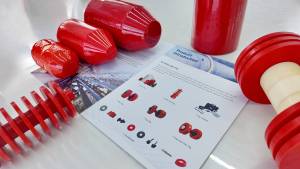
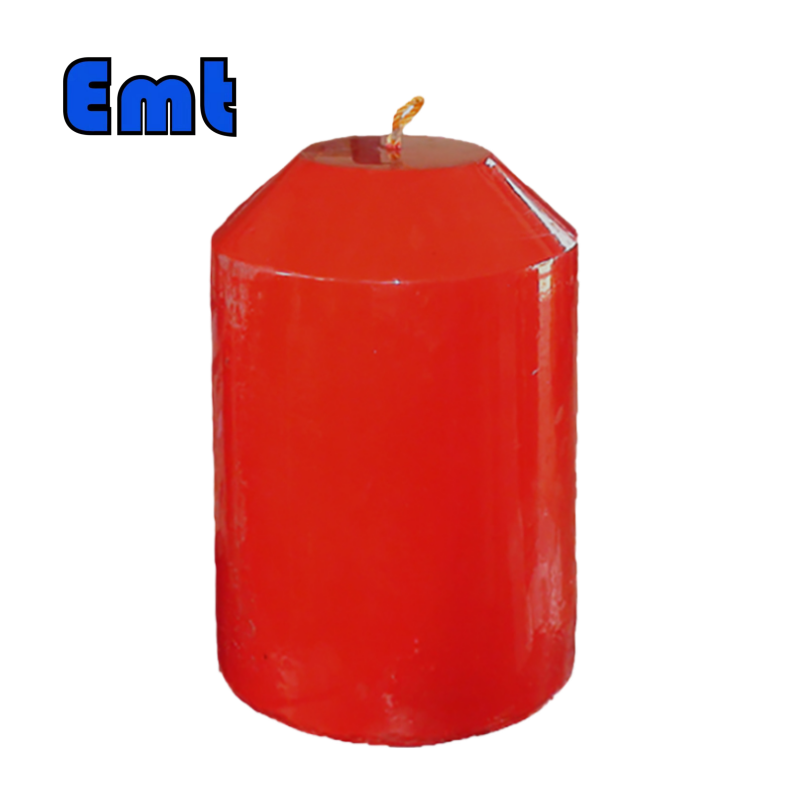
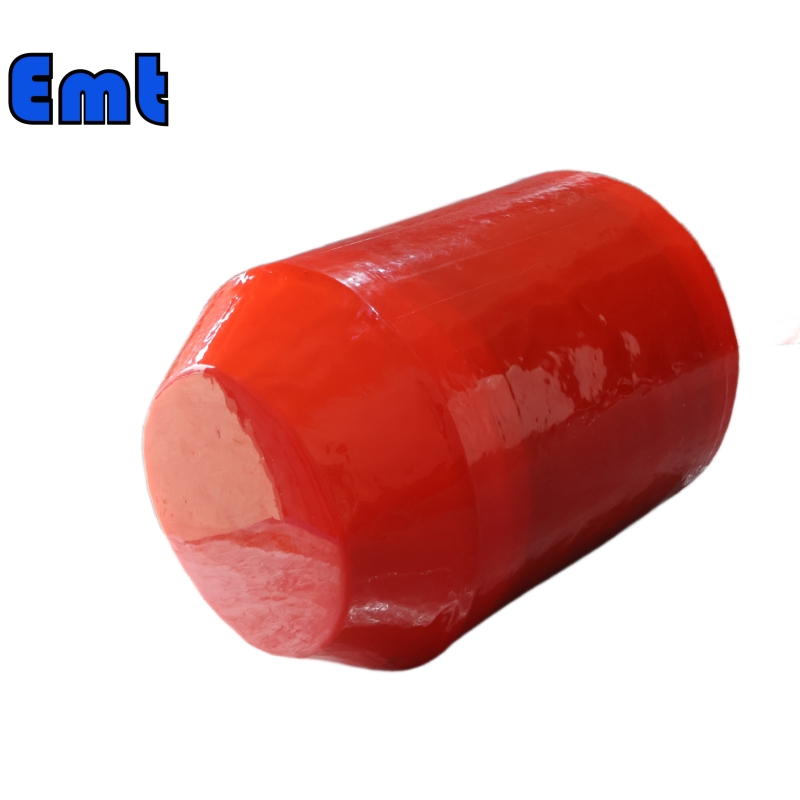
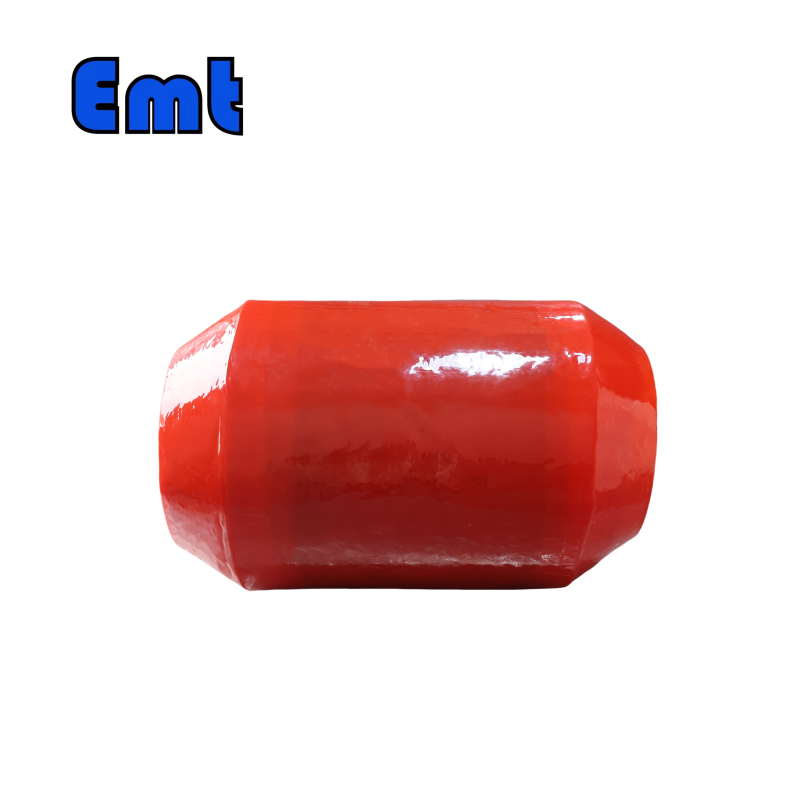
Polyurethane foam pigs are flexible pipeline cleaning tools made from open-cell polyurethane foam. EMT builds them for crude oil, natural gas, water, and chemical pipelines across onshore and offshore sites. They scrape debris, wax, and scale from pipe walls and displace liquids during routine maintenance. Operators launch them from standard pig launchers using product flow, water, or compressed air. The pig travels to the receiver, wiping the bore clean and pushing trapped liquids ahead. We size them from 2 to 60 inch to match the line ID exactly. Their soft body negotiates 90-degree bends, valves, reducers, and tees that rigid pigs cannot pass. Foam pigs also dry lines and support pipeline dewatering and drying after hydro tests. This makes them ideal for foam pig pipeline cleaning on new or old lines. Many teams run a bare pig first to prove a line is clear before sending costly steel pigs.
What Are the Key Parameters?
| Parameter | Value |
|---|---|
| Material | Open-cell polyurethane foam |
| Size range | 2″-60″ (50-1500 mm) |
| Density | Low 2-3, Medium 5-7, High 8-10 lb/ft3 |
| Color | Standard red grade |
| Types | Bare, Criss-cross, Fully coated, Wire brush, Foam disc |
| Direction | Bi-directional (bullet nose, dished ends) |
| Oversize | 5-10% vs pipe ID for seal |
| Options | Pull rope, transmitter cavity, gauge plate, brushes |
| PU hardness | 85 +/- 2 Shore A |
| Standard | NACE MR0175 (sour service) |
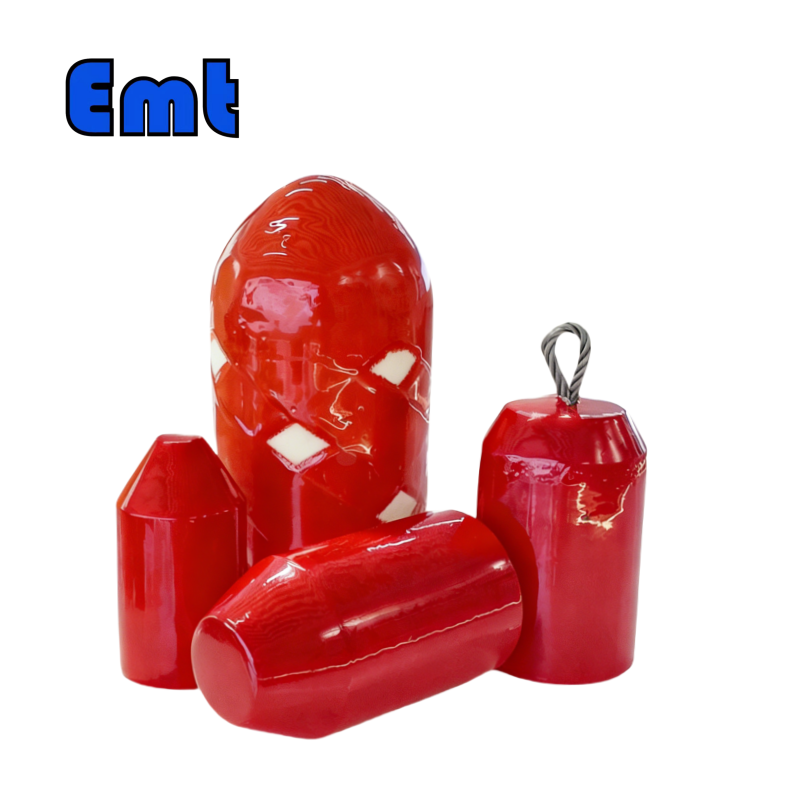
Our bi-directional foam pig runs in either flow direction, so one tool covers forward and reverse passes. A bare foam pig proves a new line before harder pigs follow, protecting the asset. Criss cross foam pig versions add a tough urethane layer that extends wear on long runs. Foam pig density sets the duty: low grades dry and wipe, medium grades clean generally, and high grades scrape scale. We coat the body in red-grade PU for visibility and traceability. All options ship with a size certificate and pressure-test report. Standard sizes stay in stock for fast turnaround on urgent jobs. Operators choose our polyurethane foam pigs for low-cost proving runs. Spare bodies and custom sizes keep multi-run jobs on one delivery plan.
How Does a Polyurethane Foam Pig Work?
EMT’s polyurethane foam pig works on line pressure alone, with no external power needed. The operator inserts it into the launcher, sized 5-10% larger than the bore for a firm seal. Driving fluid or gas pushes it forward through the pipe at controlled speed. The oversized foam body presses the wall and wipes the surface as it moves. Criss-cross or fully coated versions add a tough urethane layer that scrapes deposits harder. Wire brush models shave scale and rust from the wall without gouging. The pig reaches the receiver, where the crew retrieves it for inspection and wear check. Optional transmitters or magnets let teams track its position in real time. One pass clears liquids, debris, and loose scale from the line. The same pig can run several passes on lighter duties before retirement, lowering cost per clean. Bypass stays low because the foam fills the bore as it compresses.
Why Choose a Polyurethane Foam Pig?
EMT’s polyurethane foam pigs give operators clear advantages:
- It bends through 90-degree elbows, valves, and reducers that stop rigid pigs.
- It costs far less than steel pigs and suits one-time proving runs.
- Its soft body never scores lined or coated pipe walls.
- It cleans, dries, and batches in one low-pressure pass.
- It carries gauges, brushes, ropes, or transmitters as needed.
Foam pigs also reach lines not fully piggable, cutting pre-commissioning risk on new assets. EMT tunes density and coating to your exact duty for the best wear life. Lightweight build needs only low launch pressure, protecting older fittings. For lined or internally coated pipe, the soft body avoids the scoring that steel cups can cause. Our engineers help you pick the right type, density, and option before you order, so the first run succeeds.
Who Is EMT and Why Trust Us?
EMT manufactures pipeline pigging equipment at our Shenyang plant, holding the ASME U Stamp for pressure vessels. Our workshops run CNC machining centers, automatic welding stations, and a hydrostatic test bay. We pressure-test every pig before it ships and attach a test certificate to each order for full traceability. EPC contractors, pipeline operators, and maintenance crews across 30-plus countries run our gear in the field. We respect tight turnaround schedules and offer expedited delivery when outages are short. Our engineers reply in English, Spanish, Russian, or Chinese within four working hours. Beyond foam pigs, we supply QOC quick-opening closures, corrosion monitoring systems, chemical injection quills, and full pipeline cleaning pigs. We deliver turnkey pigging solutions from design through commissioning. As a single-source supplier, we cover your full system under one quality standard. Every build meets NACE MR0175 for sour service where required.
Reviews
There are no reviews yet.