
Description
What Is a Flange Pig Signaler?
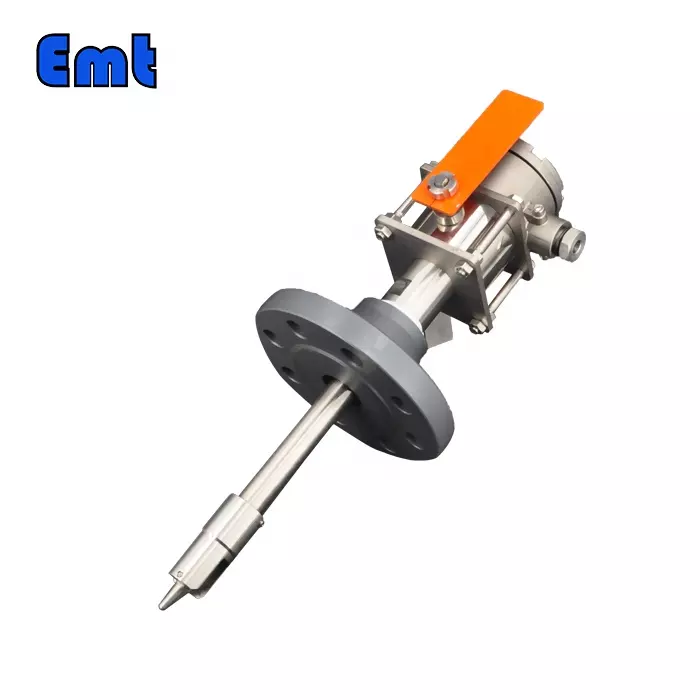
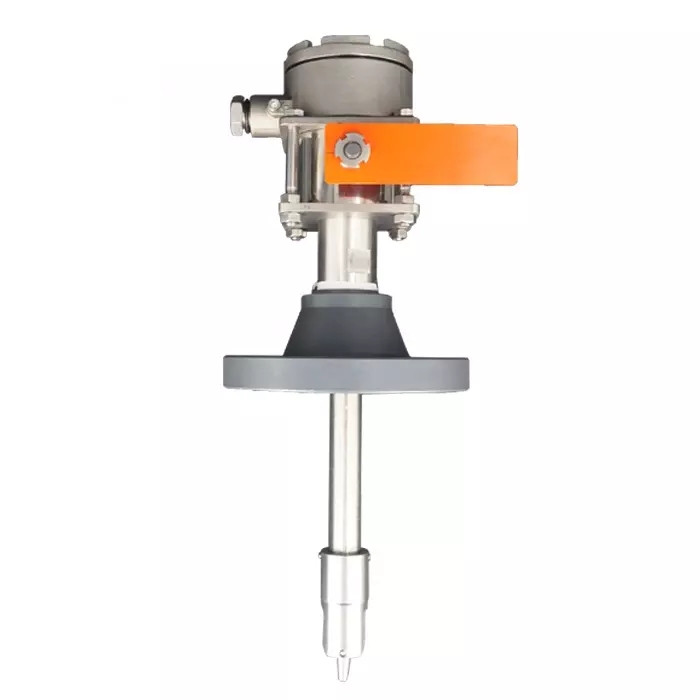
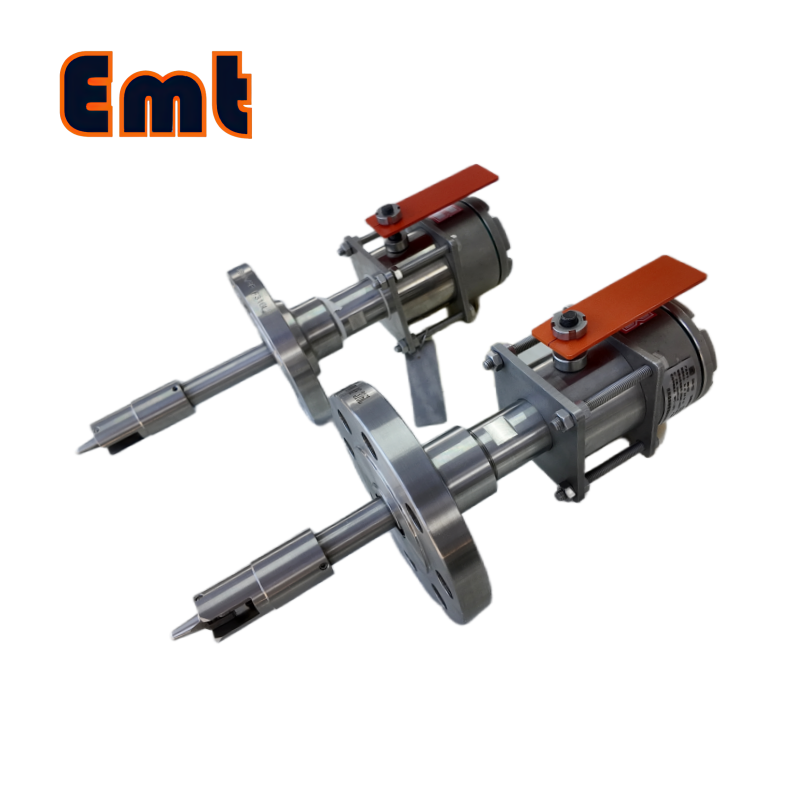
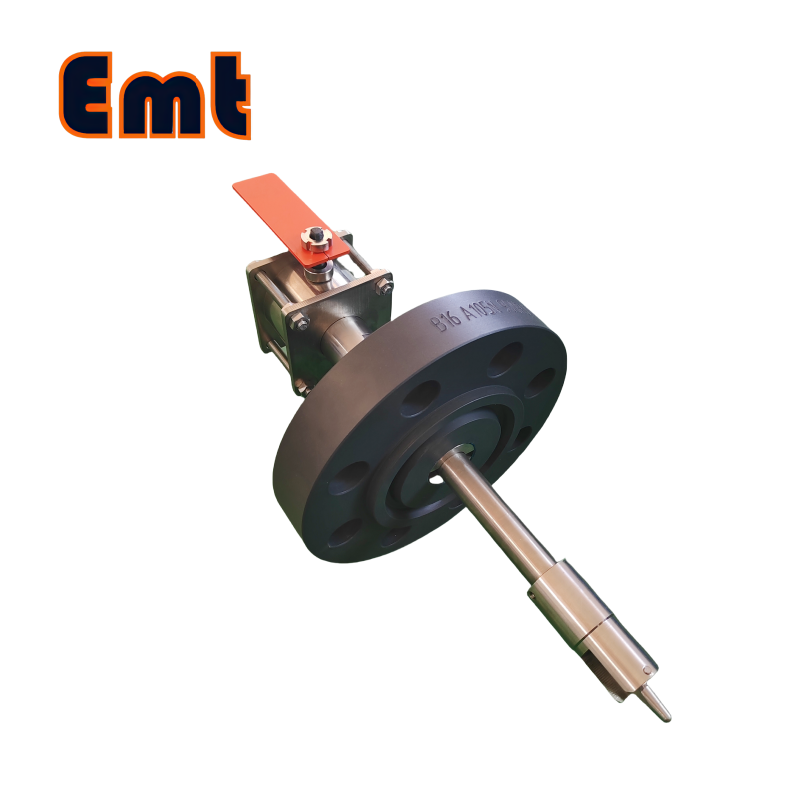
A flange pig signaler is a pipeline instrument that confirms when a cleaning or inspection pig passes a fixed point. Operators install it on pig launcher and receiver stations as a reliable pipeline pig passage indicator. The flange pig signaler also tracks pigs at intermediate points along oil, gas, water, and petrochemical lines. Its 2-inch flange follows ASME B16.5 and bolts to a prepared branch without hot-tap welding. Field crews read a manual reset flag or link an electrical output to SCADA for remote alarms. The device suits pipe sizes from 2 inches upward and works with foam pigs, steel-body pigs, spheres, and intelligent inspection tools. EPC contractors and pipeline operators use it to confirm safe batching, cleaning, and dewatering runs. Removable versions allow service under pressure through a ball valve, cutting downtime during routine checks. Accurate passage data helps locate a stuck pig fast and protects the line.
What Are the Key Parameters?
Engineers size each flange mounted pig detector against pipeline class, medium, and monitoring need. Our standard build covers ANSI 150 through 2500 flanges and suits lines from 2 inches upward. The table lists the core specifications we ship from stock. We also offer custom flange ratings, wetted-part materials, and special seals for sour or high-temperature service. Every order ships with a material certificate and a factory test report. Share your line size, pressure class, and signal type, and we will confirm the exact configuration. Drawings, flange drillings, and inlet lengths follow your pipeline standard so the unit drops into place without field modification. Lead times stay short because we machine flanges and triggers in our own shop. We keep common flange sizes and trigger types in stock for fast turnaround. Custom coatings resist corrosion in offshore and desert duty.
| Parameter | Specification |
|---|---|
| Mounting | 2 in flange to ASME B16.5 (Class 150-2500) |
| Pressure rating | ANSI 150# to 2500# (boss up to 10,000 psi / 69 MPa) |
| Temperature | -20 C to +120 C (special seals beyond range) |
| Trigger types | Bi-directional / Bi-directional Feather / Uni-directional |
| Indicator types | B manual reset flag; C flag + switch; D digital + switch |
| Wetted parts | 316L SS / DSS F51 / Inconel 625 |
| Flange material | A105N, 304 SS, 316L SS, DSS, Inconel |
| Protection | IP66, Exd II BT4, NACE MR0175 |
| Switch output | DPDT / 2xSPDT, DC24V 3A-5A |
| Insert depth | Adjustable +/-10 mm to 20 mm |
How Does the Flange Pig Signaler Work?
The intrusive pig signaler sits on a 2-inch branch above the line. A spring-loaded trigger extends through the flange into the flow path. When a pig passes, it pushes the trigger aside. The trigger rotates a flag from horizontal to upright as clear visual proof. Electrical versions send a dry-contact signal straight to the control room. Magnetic trigger types detect pigs without depending on line pressure. The operator resets the flag by hand before the next run. No dynamic seals touch the product, so leakage risk stays low. This mechanism supports reliable pig passage detection at every monitored point. Crews set the insert depth with the adjustment range during install. The trigger flexes online, so crews check sensitivity without opening the line. Bi-directional and feather variants sense lighter pigs without false trips. Routine checks need only a visual flag reset, keeping site labor low.
Why Choose the Flange Pig Signaler?
Five reasons EPC teams specify our flange pig signaler: it fits tight schedules and harsh sites.
- The bi-directional flange pig signalerdetects pigs traveling in either direction with one device.
- A manual reset flag indicatorgives clear on-site proof without power or wiring.
- The flange mounted pig detectorbolts to ASME B16.5 branches and needs no hot-tap weld.
- IP66 and Exd II BT4 ratings allow safe use in Zone 1 hazardous areas.
- Adjustable insert depth (+/-10 mm) tunes detection to your pipe wall thickness.
Every build meets NACE MR0175 and ships with a pressure-test certificate for traceability. We also tune insert depth and materials to your exact pipeline specification. Removable bodies service under pressure, so crews swap units without stopping the line. Volume programs and spare-part kits keep multi-station projects on one delivery plan. Field reports feed our next design update.
Who Is EMT and Why Trust Us?
EMT designs and builds pipeline pigging equipment as a manufacturing specialist. Our ASME U Stamp authorizes certified pressure-vessel production. In-house CNC machining centers, automatic welding stations, and a hydrostatic test bay control quality end to end. We pressure-test every unit and ship a test certificate with each order. EPC contractors, pipeline operators, and maintenance crews across 30-plus countries rely on our gear. We respect tight project schedules and offer expedited delivery. Our engineers answer in English, Spanish, Russian, or Chinese within four working hours. Beyond this signaler, we supply QOC quick-opening closures, corrosion monitoring systems, chemical injection quills, and pipeline cleaning pigs. We deliver turnkey pigging solutions from system design through site commissioning. As a single-source supplier, we cover your entire pigging system under one contract and one quality standard. Clients reuse our drawings across plants, which simplifies spare planning.
Reviews
There are no reviews yet.