
Description
What Are Magnetic Pigs?
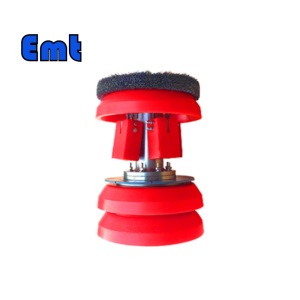
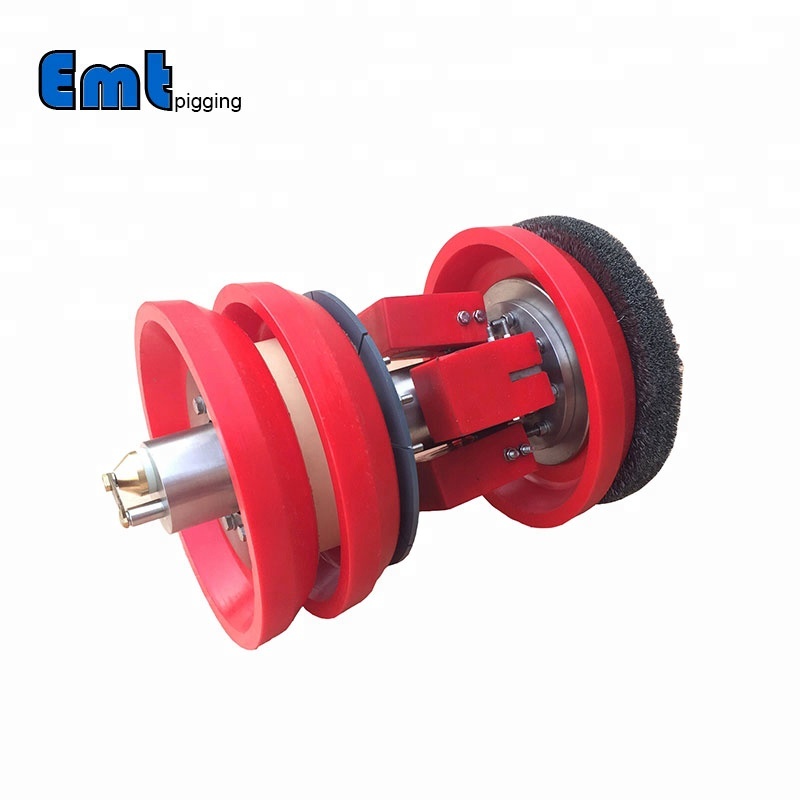
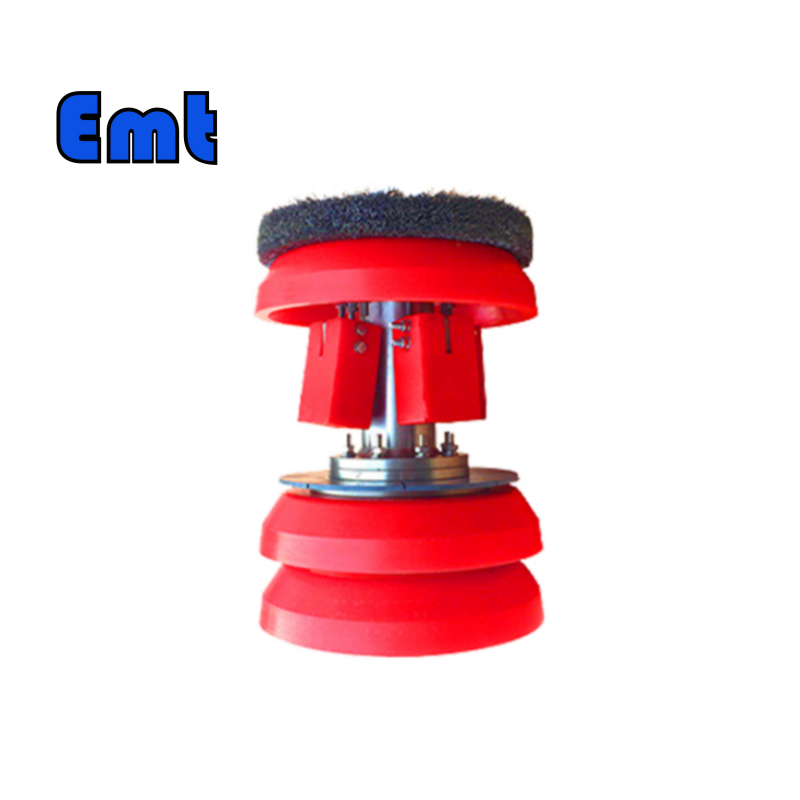
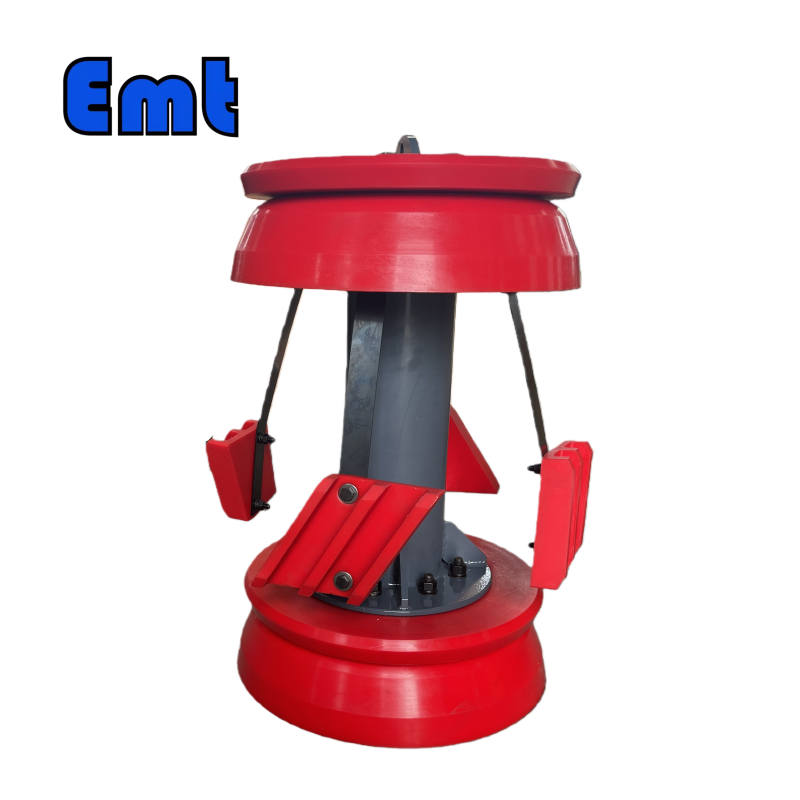
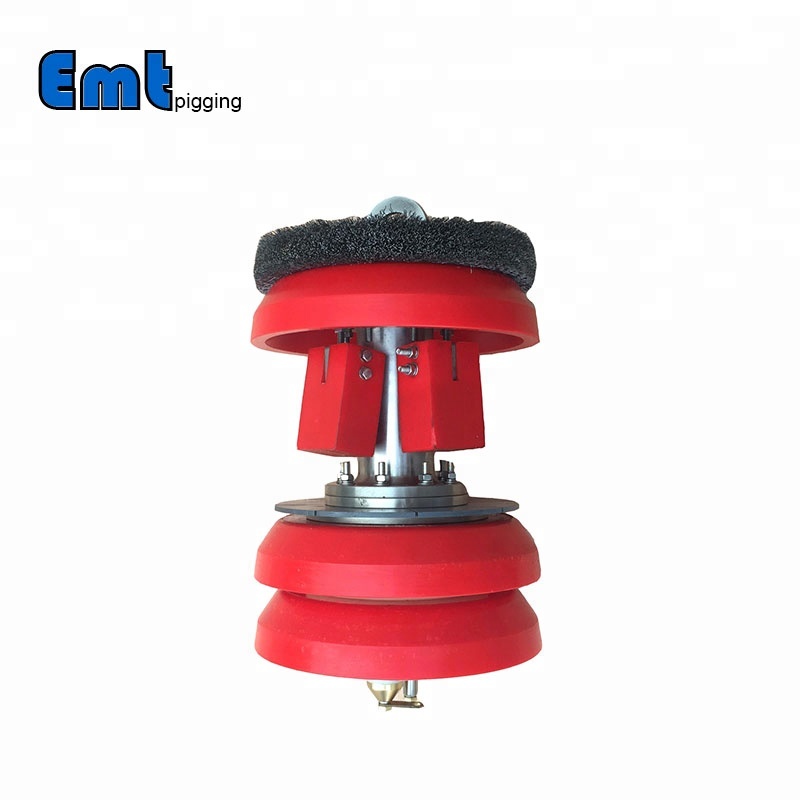
Magnetic pigs are pipeline pigging devices that remove both soft deposits and ferromagnetic debris from oil and gas lines. EMT builds each unit on a welded steel skeleton fitted with butterfly-shaped cups or support plates. A base plate and sealing straight plate perform conventional cleaning, while high-strength permanent magnetic steel fixed to the frame captures rust, welding slag, and steel fragments. Steel brushes scrub the inner wall during every pass. Operators deploy these pigs in natural gas, product oil, and water pipelines where metallic impurities threaten integrity. During operation and maintenance, ferromagnetic debris often settles at the pipe bottom and raises corrosion risk. The tool combines ordinary cleaning with strong magnetic capture in one run. This dual action suits new-line commissioning, decommissioning, and in-service maintenance programs.
How Magnetic Pigs Work
The magnetic pig travels with the product flow, driven by line pressure that the sealing cups convert into a forward force. As the unit advances, steel brushes scrape rust, welding slag, and welding rods from the pipe wall. At the same time, permanent magnetic steel mounted on the frame creates a strong field across the bore. This field attracts and holds ferromagnetic particles that ordinary pigs simply pass over. Captured debris remains fixed to the magnet through bends and elevation changes until the pig exits the trap. Because the magnet is integral to the frame, it keeps grip even at higher running speeds.
One launch therefore delivers both mechanical cleaning and magnetic capture without a second run. Field crews control running speed at the launcher to protect the cups and magnets. Operators recover the loaded pig at the receiver and clear the trapped debris for inspection. The recovered magnet shows clear evidence of captured ferrous material, giving crews a quick check on line condition.
Key Features
- Permanent-magnet capture – Traps ferromagnetic debris that ordinary pigs leave in the line.
- Steel-brush cleaning – Scrapes rust, welding slag, and welding rods from the inner wall.
- Dual action in one pass – Combines brushing and magnetic pickup, saving a second launch.
- Reusable steel frame – Withstands long runs and accepts spare cups and brushes.
- Corrosion-risk reduction – Removes bottom-line metal impurities that drive internal corrosion.
- Broad media compatibility – Works in natural gas, product oil, and water pipelines.
Technical Specifications
| Specification | Value |
|---|---|
| Pipeline diameter | 2-48 in (DN50-DN1200), custom-built |
| Body structure | Welded steel skeleton |
| Sealing elements | Butterfly cups / support plates + sealing straight plate |
| Magnetic element | High-strength permanent magnetic steel, frame-mounted |
| Cleaning elements | Steel brushes + polyurethane sealing plates |
| Typical interference | 3-5% of pipe diameter (cup type) |
| Service life | Reusable; up to 800-1000 km per unit |
| Recommended speed | <=2 m/s cleaning; <=1 m/s rust/wax removal |
| Applicable media | Natural gas, product oil, water |
Who Is EMT and Why Trust Us?
EMT has manufactured pipeline pigging equipment for over 20 years and holds the ASME U Stamp for pressure-vessel production. Its Shenyang plant runs CNC machining centers, automatic welding stations, and a hydrostatic test bay. Every product is pressure-tested before delivery, and EMT issues a test certificate with each shipment. The company serves EPC contractors, pipeline operators, and maintenance teams in more than 30 countries. EMT is ISO 9001 and ISO 14001 certified and understands tight project schedules. It offers expedited delivery when needed. Technical support is available in English, Spanish, Russian, and Chinese, with answers inside four working hours. The product range covers QOC quick-opening closures, corrosion monitoring systems, chemical injection quills, and pipeline cleaning pigs. EMT also supplies turnkey pigging solutions from design to commissioning as a single-source partner. EMT products appear in CNOOC projects, and the company is a member of the PPSA pigging association.
FAQ
Q: What size pipelines do magnetic pigs fit?
A: EMT builds each magnetic pig to the host pipeline diameter, typically 2-48 in (DN50-DN1200), with interference set to 3-5% of bore for cup types.
Q: Can magnetic pigs remove welding slag after hydrotest?
A: Yes. Steel brushes remove welding slag and rods, while the magnet captures ferrous debris left after commissioning and pressure testing.
Q: How fast should a magnetic pig run?
A: Keep speed at or below 2 m/s for cleaning and 1 m/s for rust and wax removal; control speed with displacement equipment at the launcher.
Q: Are magnetic pigs reusable?
A: Yes. The welded steel frame and magnet are reusable; replace worn cups and brushes as spare parts to extend service life.
Reviews
There are no reviews yet.