
Description
What Is Corrosion Monitoring?
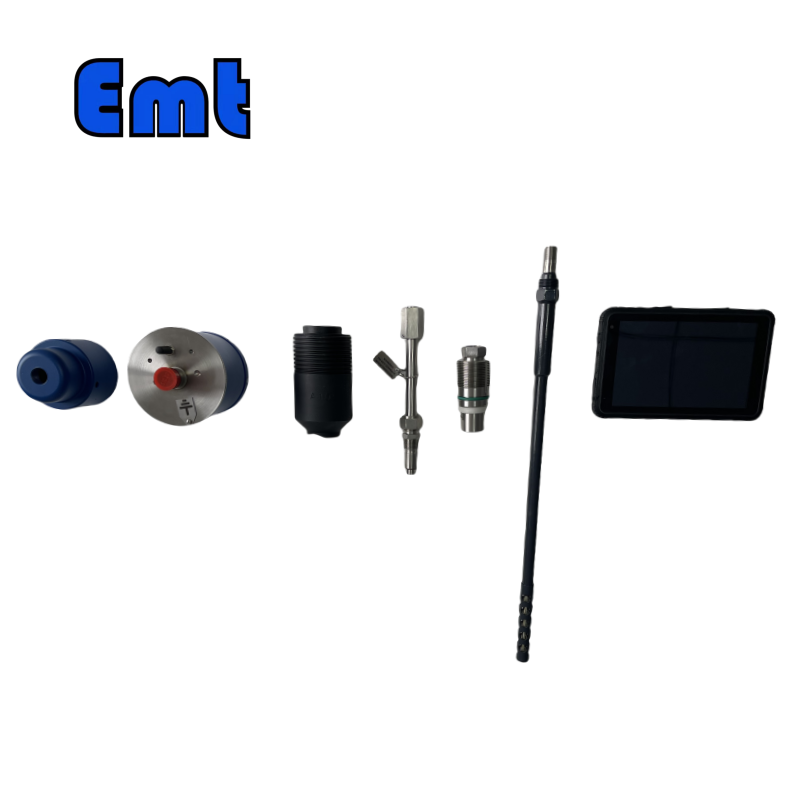
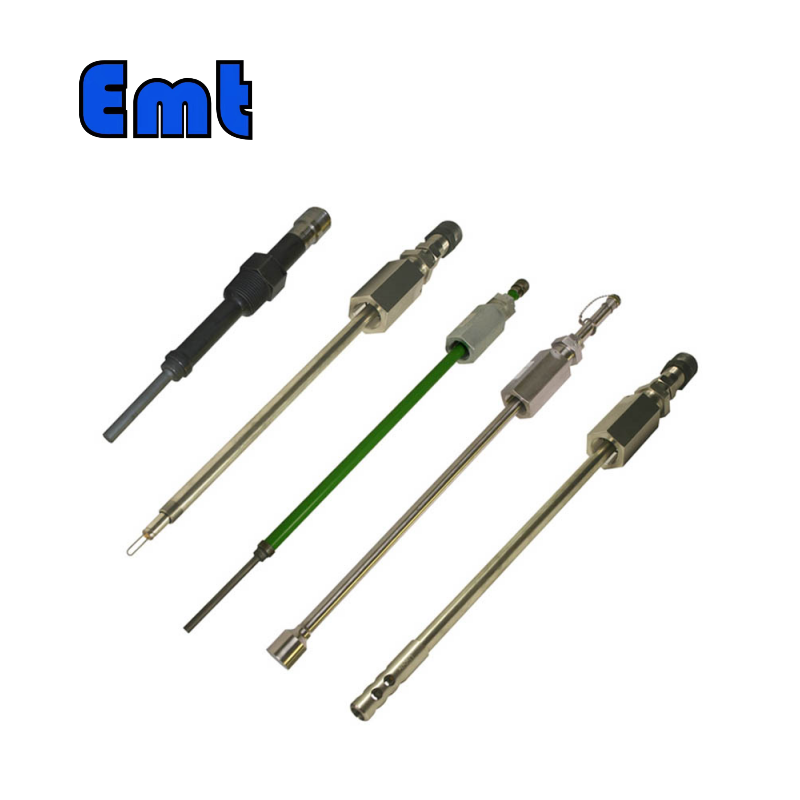
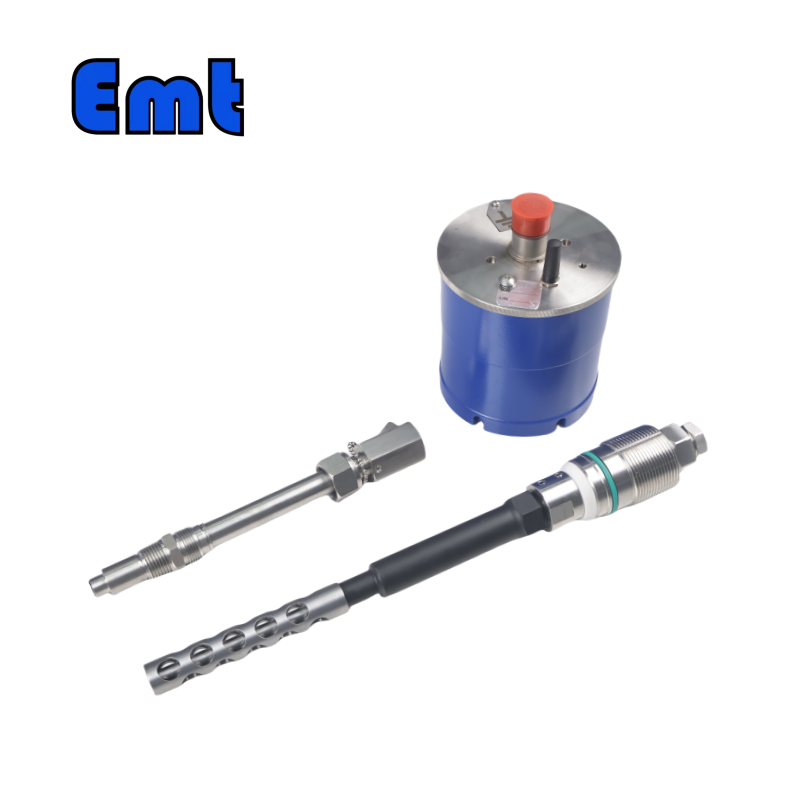
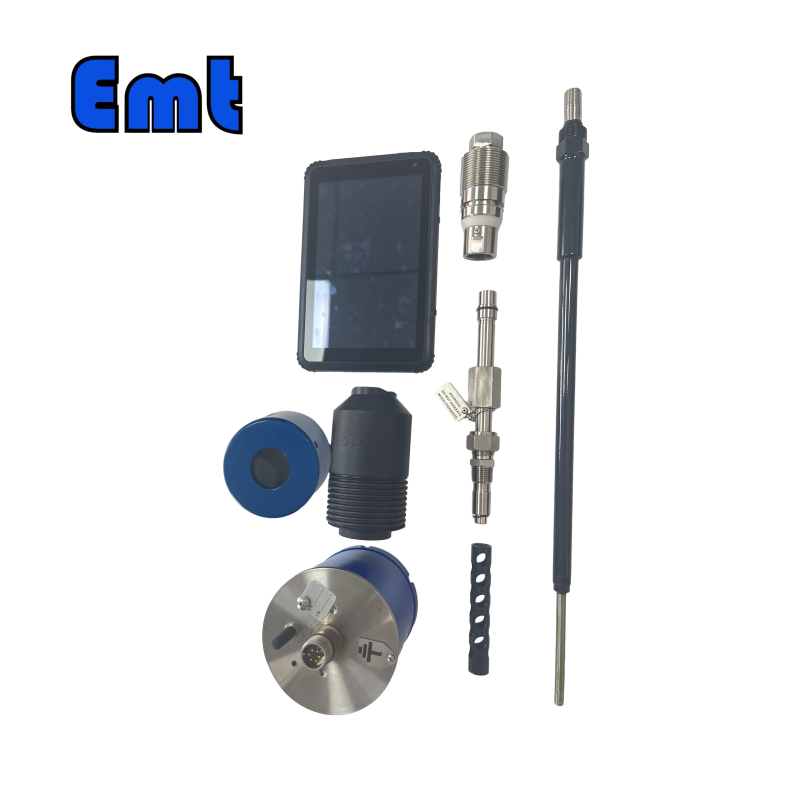
Corrosion Monitoring protects pipelines by tracking metal loss in real time. EMT supplies an integrated online corrosion monitoring system that measures wall thinning on oil, gas, water, and chemical lines. The system combines electrical resistance (ER), linear polarization resistance (LPR), inductance, and electrochemical probes. Each probe reports the local corrosion rate at its mounting point. Operators mount probes on crude oil trunk lines, water injection networks, and storage tank bottoms. The system also serves refineries, offshore platforms, and chemical plants. It warns maintenance teams before wall loss causes leaks. Buried, under-insulation, and cathodic-protection lines all accept the probes. EPC contractors and plant operators use the readings for integrity management. The data guides inhibitor dosing and inspection planning. Real-time insight helps operators avoid unplanned shutdowns. The system also records trends for audits and reporting. Managers set alarm limits by rate or total metal loss.
Technical Specifications
EMT configures each corrosion monitoring package to the fluid, pressure, and access point. Standard packages cover one to four probe points per access fitting. EMT supplies matching access fittings, retrievers, and coupon holders. All wetted parts use the line material to avoid galvanic effects. EMT also offers retrievable probe holders for hot-tap work under pressure. Stainless and alloy elements suit sour and high-chloride service. EMT also labels each probe with a serial for full traceability. Spare elements ship separately for quick swap. The table lists the standard ranges.
| Specification | Value |
|---|---|
| Probe Types | Electrical Resistance (ER), Linear Polarization Resistance (LPR) |
| Wetted Material | 316L stainless steel, Duplex , Inconel 625 (optional) |
| Access Fitting | 1″ or 2″ retractable, rated to ASME B16.11 |
| Pressure Rating | Up to 1440 psi (100 bar) at 25°C |
| Temperature Range | -29°C to 200°C (-20°F to 392°F) |
| Output Signal | 4-20 mA, HART, Modbus RTU |
| Ingress Protection | IP66 for field transmitter enclosure |
| Compliance | Built to NACE SP0196 / ISO 15589-1 guidance |
Key Features
- Real-time ER probes— Measure metal loss continuously and flag sudden corrosion spikes within hours.
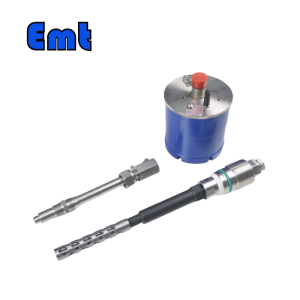
ER Probe Corrosion Monitoring - LPR corrosion rate probes— Calculate instantaneous corrosion rate for fast chemical dosing decisions.
- Retractable access fittings— Insert or pull probes online, so you avoid shutdown and lost production.
- NACE-aligned data output— Export readings in standard units for direct comparison across sites.
- Harsh-service materials— Choose 316L, duplex, or Inconel wetted parts for sour-gas duty.
- Plug-and-play transmitter— Connect to your DCS or SCADA with 4-20 mA or Modbus output.
Applications & Use Cases
EMT corrosion monitoring fits pipelines, separators, water-injection lines, and tank bottoms. Oil producers use it to verify inhibitor coverage across long tiebacks. In contrast, gas plants track sweet-corrosion trends after amine treating.
Water injection presents a strong case. Specifically, oxygen and bacteria drive rapid pitting, so continuous probes catch it early. As a result, you protect upstream assets and avoid unplanned pulls.
Why Choose EMT Corrosion Monitoring?
EMT builds its corrosion monitoring system for tough field conditions. The advantages stand out in daily operation and across the asset life.
- Integrates ER, LPR, inductance, and electrochemical methods in one compact system.
- Streams live data via 4–20 mA, HART, RS-485, LoRa, and Bluetooth links.
- Fits buried, insulated, and cathodic-protection pipelines without a line shutdown.
- Built to NACE SP0775 and ASME standards for demanding global EPC projects.
- Pressure-tested before delivery; each shipment ships with a test certificate.
These features lower inspection cost and extend asset service life. EMT supports retrofit of older systems with current EC and ER probes. Clients gain one supplier for probes, collector, and software. Field training is available for new integrity teams. Spare parts ship from regional stock to cut downtime. EMT quotes fixed scopes with clear delivery milestones. Most orders ship within the quoted lead time. Remote commissioning support is available.
Frequently Asked Questions
Q: What is corrosion monitoring and why does my pipeline need it?
Corrosion monitoring measures metal loss so you can predict remaining life. It prevents leaks by catching wall loss before it reaches a critical limit.
Q: Can I install the probes without shutting down the line?
Yes. Our retractable access fittings let you insert or retrieve probes under full operating pressure. Therefore, you avoid production loss during routine inspection.
Q: Which probe type should I choose, ER or LPR?
Use ER probes for general, long-term trend tracking in any fluid. Choose LPR when you need an instant corrosion rate for chemical dosing control.
Q: Do you also supply corrosion coupons?
Yes. We supply weight-loss coupons with the same access fittings. Coupons give an independent check against your electronic probe data.
Q: How fast can EMT deliver a custom probe?
Standard probes ship within 2-3 weeks. Custom materials or lengths usually need 4-6 weeks after drawing approval.
Reviews
There are no reviews yet.