
Description
What Are Pipeline Pigging Tools?
Pipeline pigging tools are devices inserted into a pipeline and pushed by the flowing product — oil, gas, water, or chemicals — to perform work without stopping production. The term “pig” likely comes from the squealing sound early models made as they scraped through steel pipes.
The simplest pig is a foam cylinder slightly larger than the pipe bore. The most advanced pig carries ultrasonic sensors, gyroscopes, and data recorders to map every millimeter of a pipeline. Between these two extremes sit cup pigs, disc pigs, brush pigs, scraper pigs, and batching pigs — each built for a specific job.
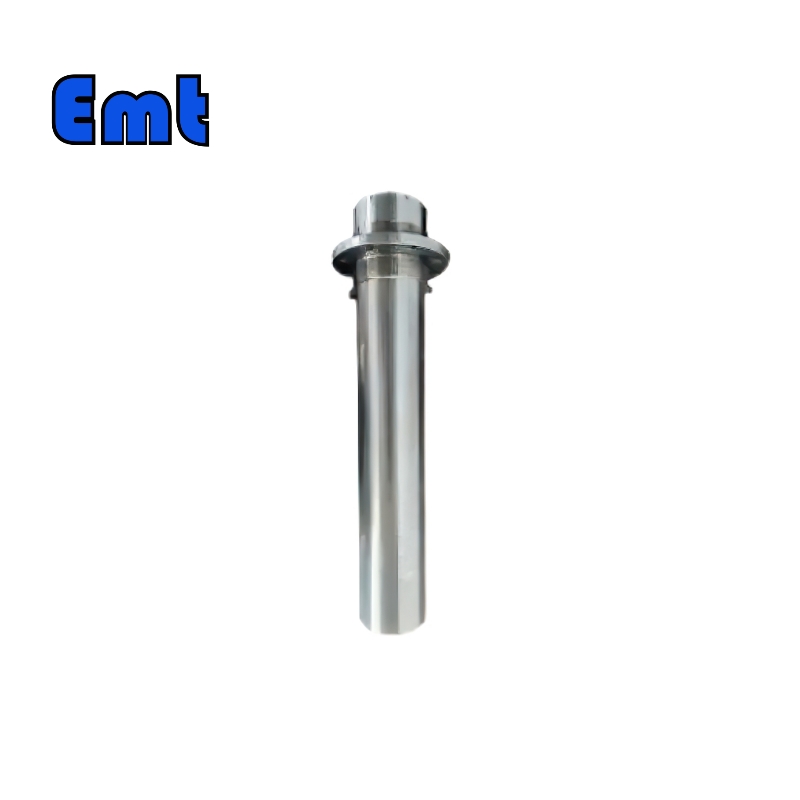
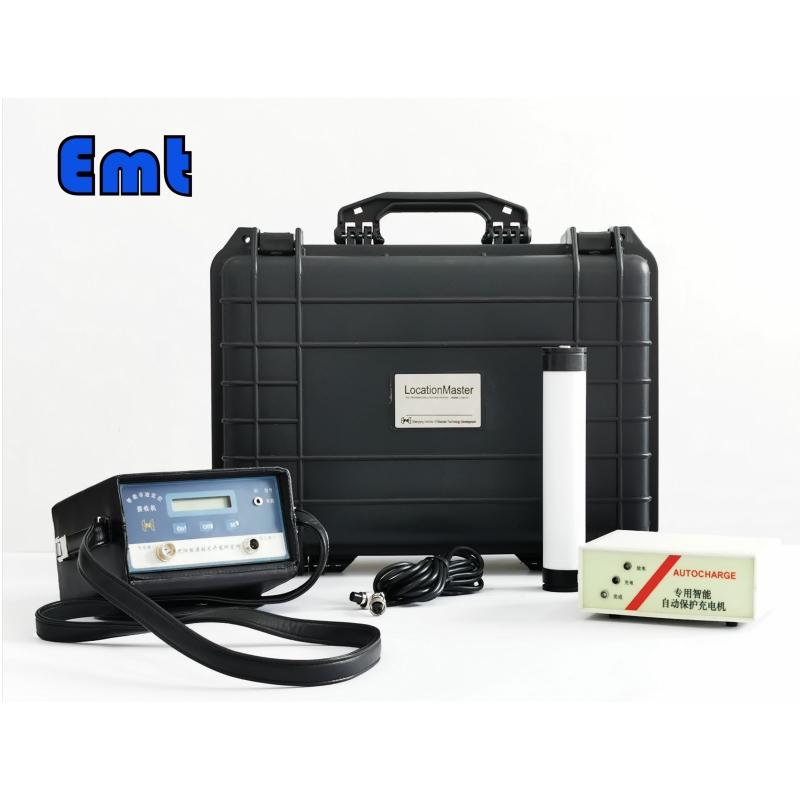
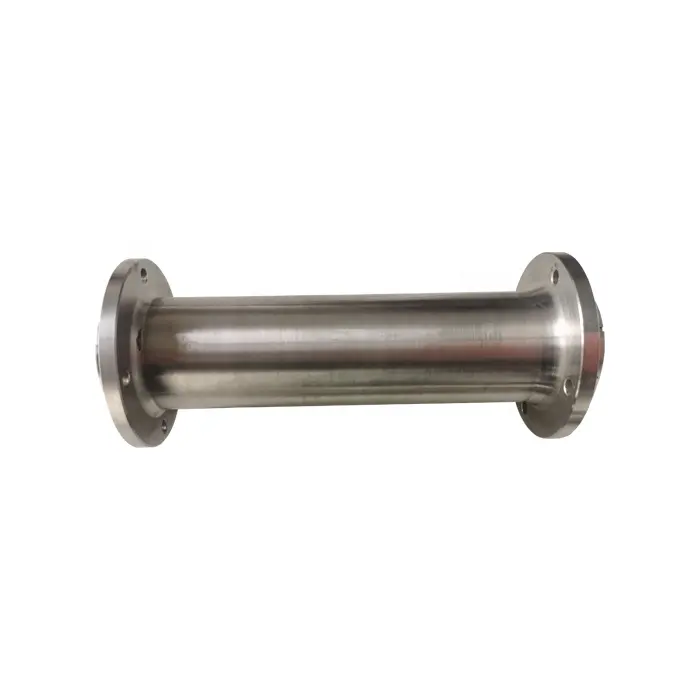
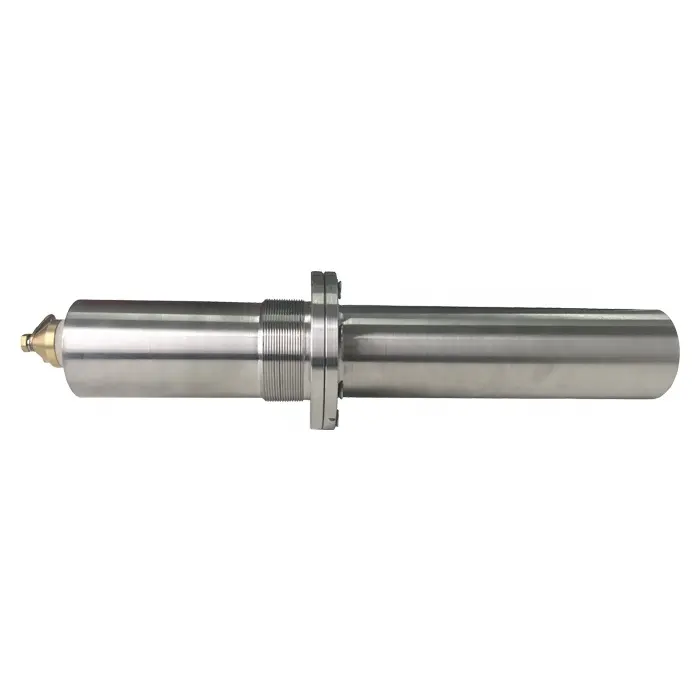
A complete set of pipeline pigging tools also includes the launcher barrel, receiver barrel, quick opening closures, kicker lines, isolation valves, pressure gauges, vent valves, and drain valves. Pig signallers or trackers complete the system by showing operators exactly where the pig is at any moment.
Types of Pipeline Pigging Tools
Cleaning Pigs: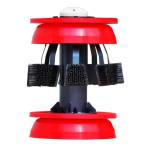
Cleaning pigs remove debris, wax, scale, rust, and other deposits from pipe walls. Foam pigs handle light cleaning and drying. Mandrel pigs with steel brushes handle aggressive scraping on uncoated steel pipelines. Polyurethane cup and disc pigs wipe the pipe clean while providing a tight seal.
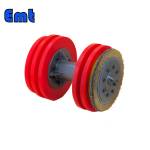
Batching Pigs:
Batching pigs separate different products flowing through the same pipeline. This prevents diesel from mixing with gasoline, or treated water from mixing with crude oil. Cup pigs and disc pigs make the best batching tools because their sealing discs create a tight barrier.
Gauging Pigs:
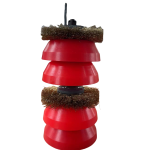
Gauging pigs confirm that a newly built pipeline has no obstructions, dents, or excessive ovality before it enters service. A soft aluminum gauge plate, typically 95% of the pipe’s internal diameter, bends or deforms if it strikes an obstacle. Operators read the plate after retrieval to verify pipeline integrity.
Special-Purpose Pigs:
Gel pigs use a semi-solid gel substance to clean or displace fluids in complex pipeline geometries. Magnetic pigs pick up ferrous debris that brushes might miss. High-temperature pigs handle steam-traced or hot-oil pipelines operating above 100°C.
Key Technical Specifications
| Parameter | Value |
|---|---|
| Nominal Diameter | DN50 – DN1800 |
| Pig Types | Foam, Cup, Disc, Mandrel, Brush, Scraper, Batching, Gauging, Smart/Gel |
| Pig Body Material | Polyurethane (PU), Foam, Carbon Steel, Stainless Steel |
| Sealing Material | Polyurethane (Shore A 65–90), Nitrile, Viton |
| Operating Temperature | -30°C to 120°C (standard PU); up to 200°C (high-temp grade) |
| Operating Pressure | Up to 40 MPa (launcher/receiver vessels) |
| Launcher/Receiver Closure Type | Quick Opening Closure (Bayonet, Clamp, or Lock-Ring) |
| Pig Signaller Type | Mechanical, Magnetic, Acoustic, Electronic |
| Recommended Pig Speed | 0.5 – 3.0 m/s (cleaning); 1.0 – 2.0 m/s (inspection) |
| Installation Orientation | Horizontal or Vertical |
How Do Pipeline Pigging Tools Work?
The operator loads the pig into the launcher barrel and closes the quick opening closure door. After equalizing pressure between the launcher and the main pipeline, the kicker valve opens. Flowing product pushes the pig out of the launcher and into the main pipe.
Inside the pipeline, the pig travels at roughly the same speed as the flowing product. Sealing cups or discs create a pressure differential that keeps the pig moving forward. Brushes, scrapers, or sensors do their work as the pig advances.
At the receiving end, the pig enters the receiver barrel. Operators close the mainline valve, vent the receiver to atmospheric pressure, and open the closure door to retrieve the pig. The entire cycle — launch, travel, receive — happens without interrupting product flow.
Pig signallers mounted on the pipeline wall detect the pig as it passes. Mechanical signallers use a trigger flag or indicator arm. Magnetic signallers sense the pig body material. Electronic signallers transmit real-time data to a control room, giving operators a live view of the pig’s position.
Where Should You Use Pipeline Pigging Tools?
Pipeline pigging tools serve every stage of the pipeline lifecycle. During construction, brush pigs and gauging pigs clear debris and verify the pipe is free of obstructions before commissioning. After hydrostatic testing, dewatering pigs and foam drying pigs remove test water and moisture.
In day-to-day operations, cleaning pigs maintain flow efficiency by removing wax buildup, scale, and sediment. Batching pigs separate refined products in multi-product pipelines. Smart inspection pigs run on a scheduled basis — typically every 3 to 5 years — to assess corrosion rates and detect defects.
Downstream refineries, chemical plants, and food-processing facilities also use pipeline pigging tools. Smaller-diameter systems, sometimes called “mini-pigging” setups, recover valuable product from transfer lines and reduce flush waste.
Why Choose EMT for Your Pipeline Pigging Tools?
EMT brings the complete system under one roof. Instead of sourcing pigs from one supplier, launchers from another, and signallers from a third, you receive a single-source package with guaranteed compatibility. Every component undergoes factory acceptance testing before shipment.
Polyurethane components are cast in-house using high-quality prepolymers. This gives EMT control over hardness, abrasion resistance, and chemical compatibility for each application. Steel launcher and receiver vessels are fabricated under the same quality system as EMT’s pressure vessel products, with full material traceability and hydrostatic test reports.
EMT also supplies spare parts for long-term support: replacement sealing cups, discs, O-rings, gaskets, signaller flags, and quick opening closure seals. A stocked spare parts inventory means your pipeline pigging tools stay operational through every scheduled maintenance cycle.
FAQ
Q: What types of pipeline pigging tools does EMT manufacture?
EMT manufactures foam pigs, cup pigs, disc pigs, mandrel pigs with brushes, scraper pigs, batching pigs, gauging pigs, pig launchers, pig receivers, pig signallers, and associated spare parts. The product range covers DN50 through DN1800.
Q: How do I choose the right pig for my pipeline?
Start with the job: cleaning, batching, inspection, or dewatering. Then check your pipe diameter, wall thickness, bend radius, and internal condition. A smooth new pipeline needs a different pig than a corroded 20-year-old line. EMT’s engineering team reviews your pipeline data and recommends the right pipeline pigging tools for your specific conditions.
Q: What is the difference between a cup pig and a disc pig?
A cup pig uses conical sealing cups that provide excellent sealing in one direction. A disc pig uses flat sealing discs that seal equally in both directions. Choose cup pigs for single-direction runs. Choose disc pigs for bidirectional operations or when you need to push the pig back out of a stuck position.
Q: Do I need a pig launcher and receiver, or can I use a temporary setup?
Permanent launchers and receivers are strongly recommended for pipelines that require regular pigging. Temporary setups work for one-time construction pigging, but they increase operational risk and take longer to set up. EMT supplies both permanent and temporary launcher/receiver configurations.
Q: How often should I run cleaning pigs through my pipeline?
Frequency depends on the product and flow conditions. Crude oil lines with high wax content may need weekly pigging. Refined product lines typically run cleaning pigs monthly or quarterly. Gas pipelines pig less often — usually every 6 to 12 months — unless liquids accumulate faster. EMT can help you build a pigging schedule based on your pipeline’s operating data.
Reviews
There are no reviews yet.