
Description
Pig Launcher and Receiver: A Complete Guide for Oil Industry Procurement
Did you know that inefficient pipeline maintenance can increase operational costs by 20-30% for oil and gas companies? As an oil industry procurement professional, choosing the right Pig Launcher and Receiver is critical to avoiding pipeline blockages, corrosion, and unplanned downtime. This guide breaks down everything you need to know about Pig Launcher and Receiver, from core functions to procurement considerations, to help you make informed decisions.
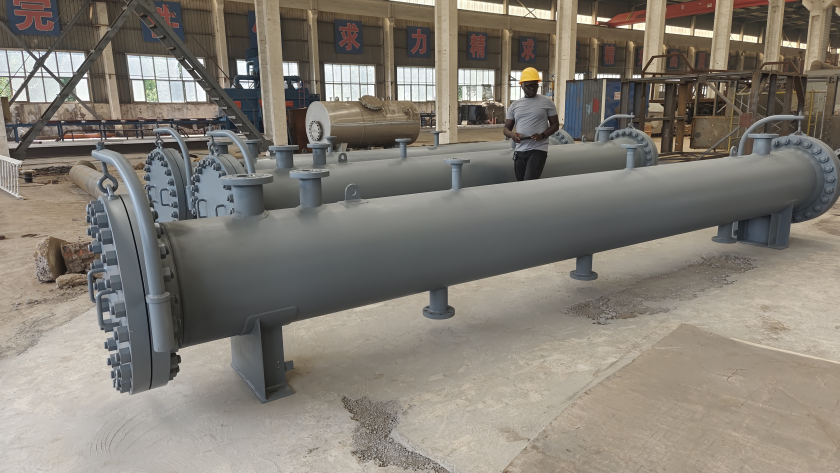
What Is a Pig Launcher and Receiver? Core Definitions for Procurement
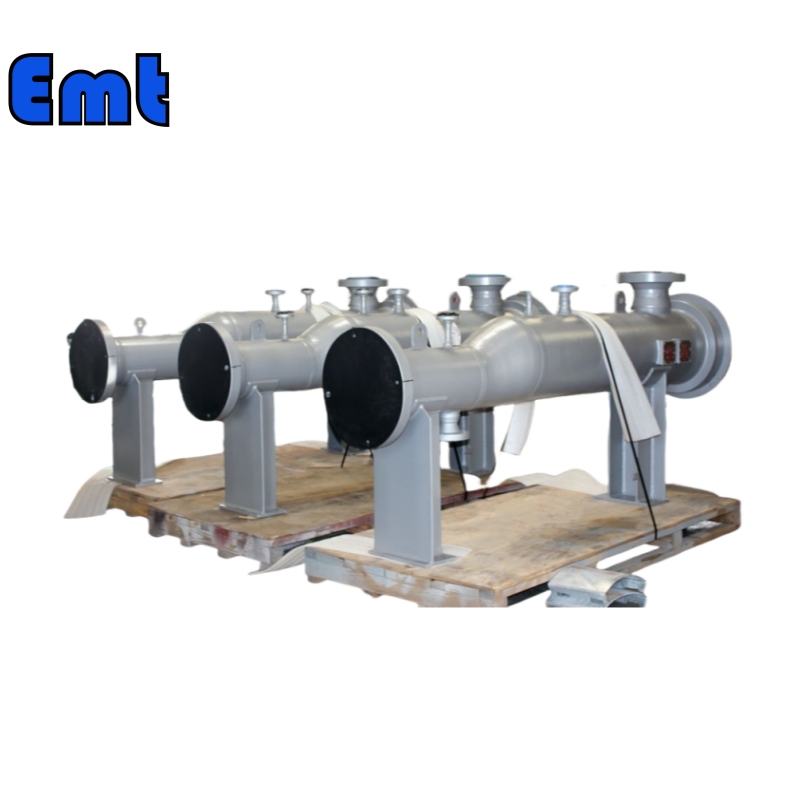
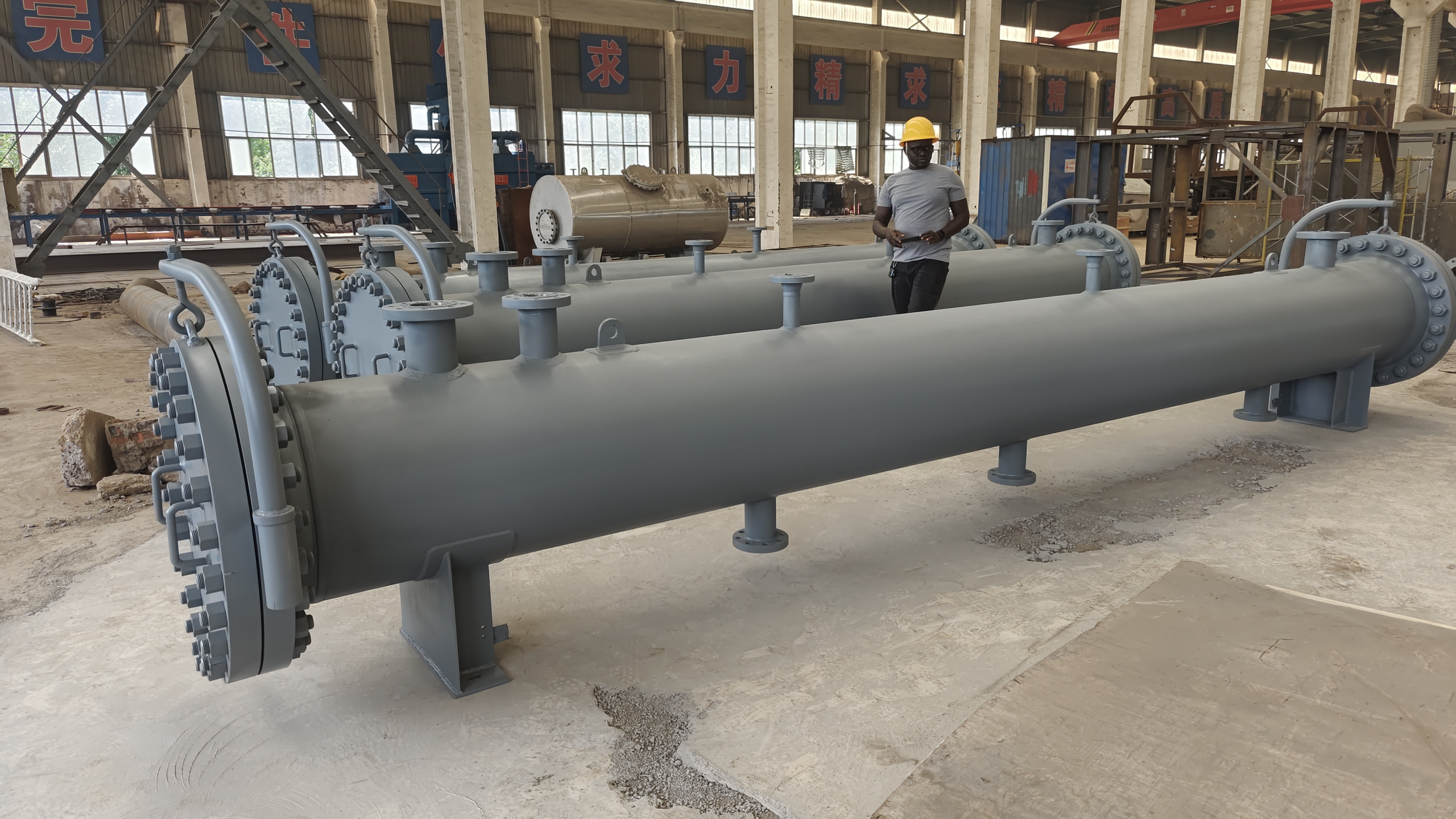
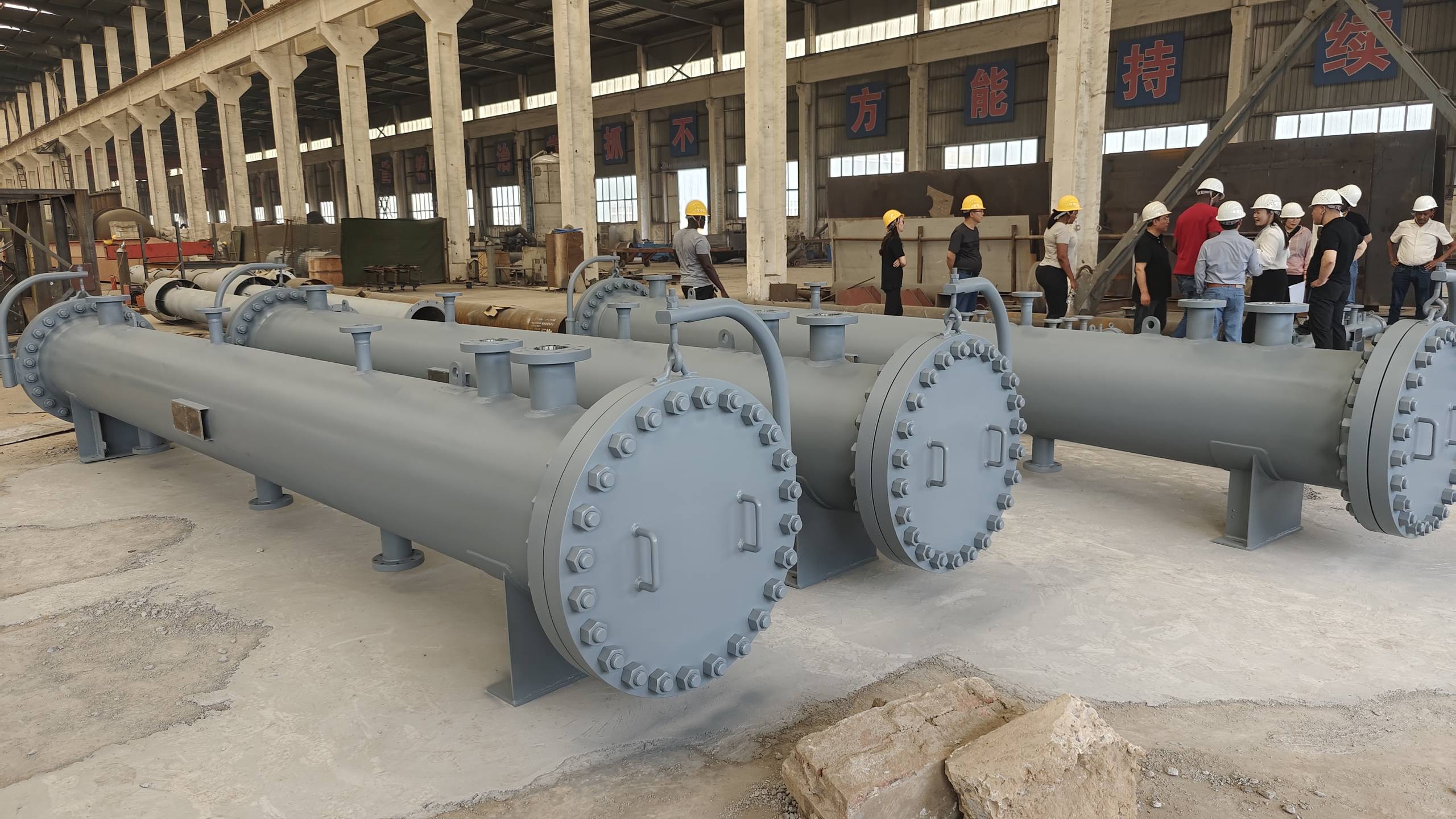
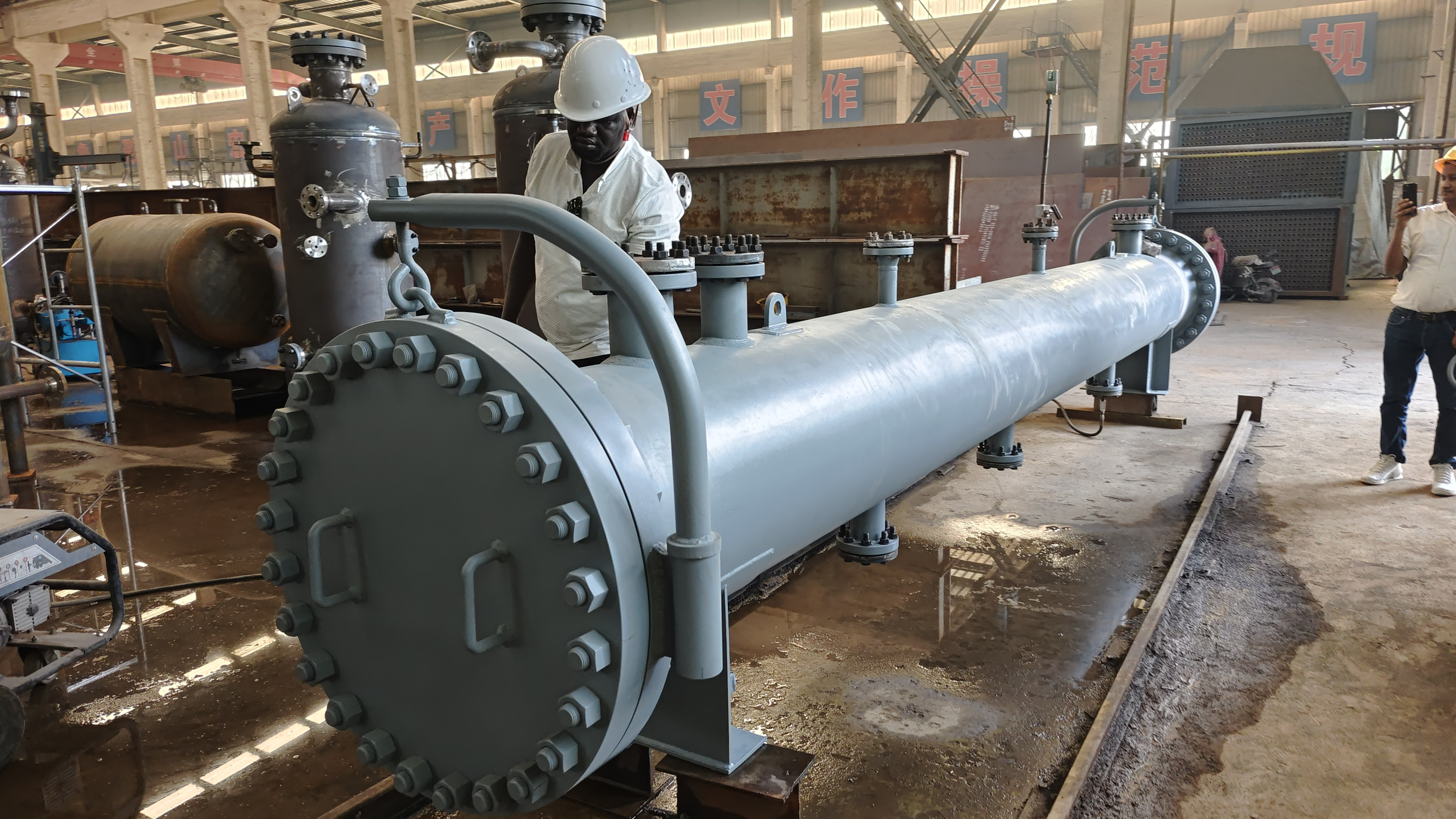
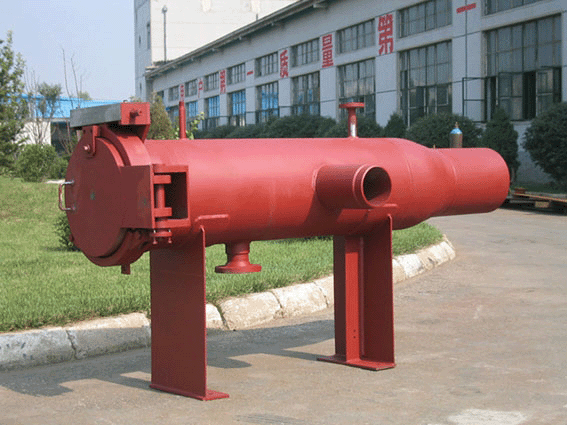
Pig Launcher and Receiver, also called pig traps, are essential auxiliary equipment for long-distance oil and gas pipelines. They work with pipeline pigs (cleaning or inspection devices) to maintain pipeline integrity without interrupting product flow.
The system has two key components, each serving a distinct purpose:
-
Launcher: Installed at the pipeline’s starting point, it inserts and launches pigs into the pipeline to start cleaning, dewatering, or inspection tasks.
-
Receiver: Mounted at the pipeline’s endpoint, it retrieves pigs after they complete their journey through the pipeline.
For procurement teams, understanding this basic structure is the first step to selecting equipment that aligns with your pipeline’s specifications. Pig Launcher and Receivers are available in both onshore and offshore configurations, with designs tailored to different pipeline sizes and pressure requirements.
Key Functions of Pig Launcher and Receiver in Oil Pipeline Operations
As a procurement professional, you need to know how the product adds value to your operations. Their core functions directly impact pipeline efficiency and safety:
1. Pipeline Cleaning and Maintenance
Pig Launcher and Receiver facilitate the removal of wax, debris, and corrosion products from pipeline inner walls. This prevents blockages and reduces wear, extending the pipeline’s lifespan and lowering maintenance costs.
2. In-Line Inspection Support
They enable the use of intelligent pigs (ILI tools) for internal pipeline inspections, such as checking for corrosion, wall thickness, and welding quality. This is critical for complying with industry safety standards and avoiding costly leaks.
3. Pipeline Commissioning and Batch Isolation
During pipeline commissioning, Pig Launcher and Receiver help clean new pipelines before they start operating. They also support batch isolation in multi-product pipelines, ensuring product purity and preventing cross-contamination.
Procurement Considerations for Pig Launcher and Receiver
Selecting the right one requires balancing technical specifications, industry standards, and cost-effectiveness. Here are the key factors for oil industry procurement teams:
1. Industry Standards and Certifications
Ensure the equipment meets international standards such as ASME VIII, ASME B31.3, and API requirements. Certifications for pressure testing, HIC, and SSCC testing are also essential for safe operation in harsh oilfield environments.
2. Pipeline Specifications
Match the Pig Launcher and Receiver size to your pipeline diameter (ranging from 2” to 54” NS) and pressure rating (150# to 2500#). Material selection (carbon, stainless, or alloy steel) should align with the transported medium (crude oil, natural gas, etc.).
3. Safety and Maintenance Features
Prioritize equipment with reliable fast-opening blind structures and safety interlock devices to prevent accidents during pig loading/unloading. Easy maintenance features, such as accessible seals and clear inspection ports, will reduce long-term operational costs.+
Why Quality Pig Launcher and Receivers Matter for Procurement
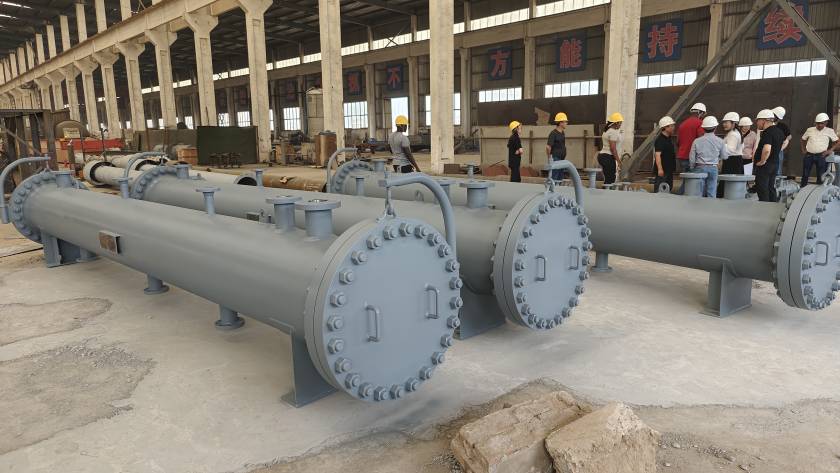
Investing in high-quality Pig Launcher and Receivers reduces unplanned downtime and maintenance costs. Low-quality equipment may fail to withstand high pressure or corrosive environments, leading to pipeline leaks, environmental fines, and production losses. The global onshore intelligent pigging service market is growing steadily, with a CAGR of X% from 2025 to 2031. This growth underscores the importance of selecting durable, reliable Pig Launcher and Receivers to support expanding pipeline operations. In summary, Pig Launcher and Receiver are indispensable for oil pipeline maintenance, safety, and efficiency. For procurement professionals, understanding their functions, specifications, and industry standards is key to selecting the right equipment that balances performance and cost. By choosing high-quality product, you can protect your pipeline assets, comply with regulations, and optimize operational efficiency.
Reviews
There are no reviews yet.