
Description
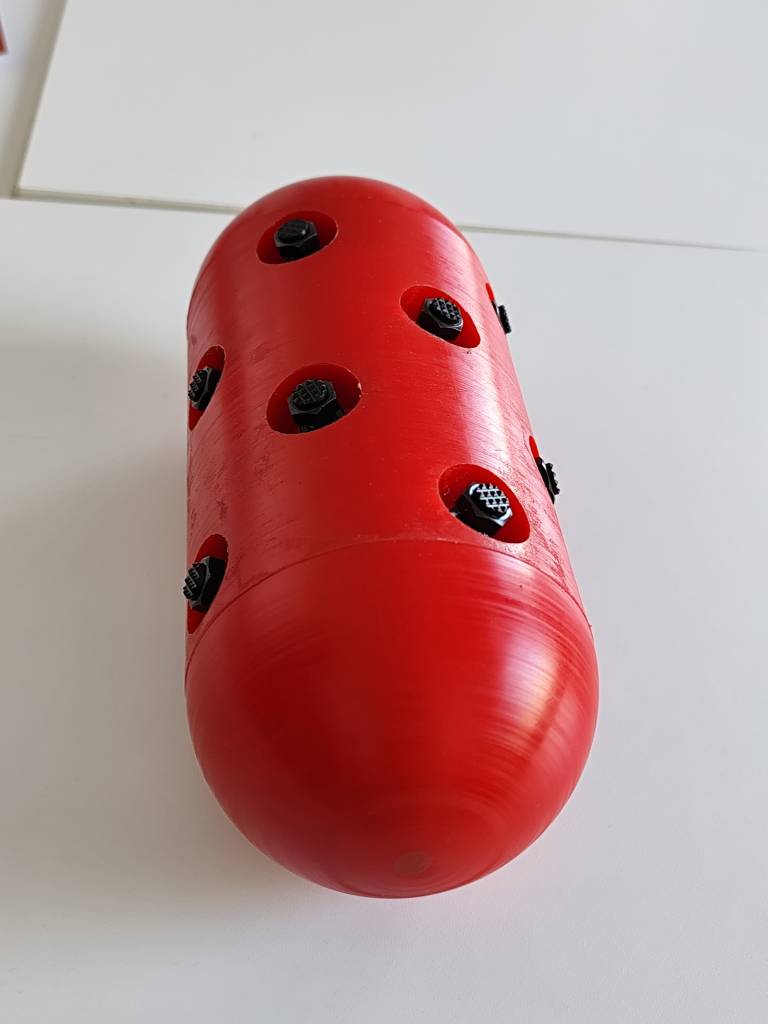
Decoking Pigs
In industries like ethylene production and refinery operations, coke buildup presents a significant challenge. This hard, carbonaceous material accumulates inside furnace tubes and transfer lines over time. It reduces efficiency, restricts flow, and increases energy consumption. Operators need a reliable solution to remove these deposits safely and effectively. Decoking Pigs provide that solution.
What Are Decoking Pigs?
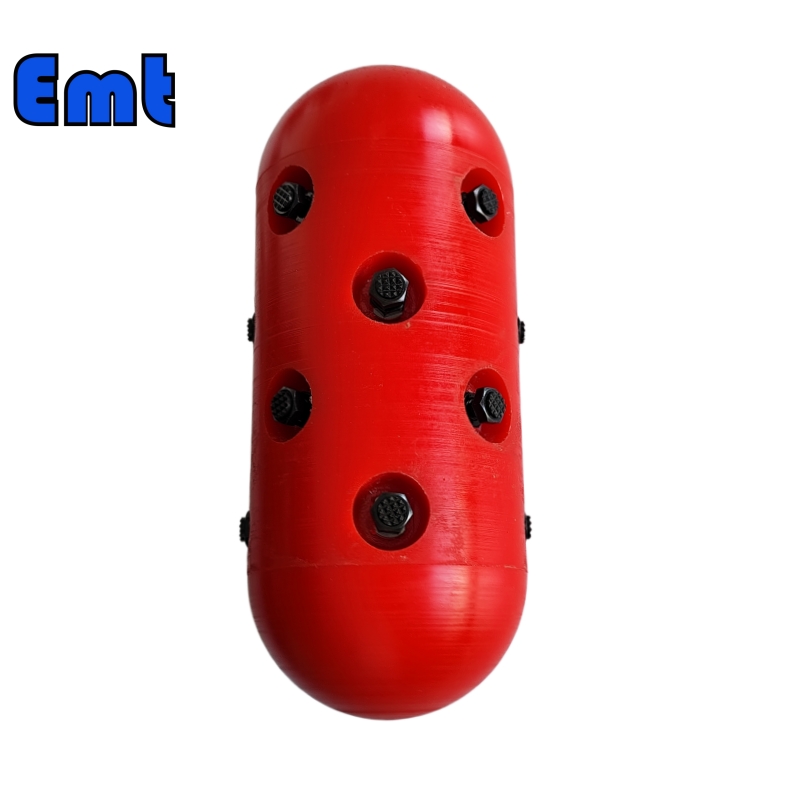
A Decoking Pig is a specialized cleaning tool designed specifically for removing hard coke deposits from pipelines and furnace tubes. Unlike standard foam pigs that handle soft wax or light debris, decoking pigs must tackle extremely tough, brittle materials.
To understand their value, compare them to a standard Fully Coated Foam Pig. A fully coated pig features a smooth polyurethane outer layer. It scrapes soft to medium deposits and provides a good seal for product batching. However, its surface is not aggressive enough to break down hard coke. The smooth coating would simply glide over the deposit or wear down quickly.
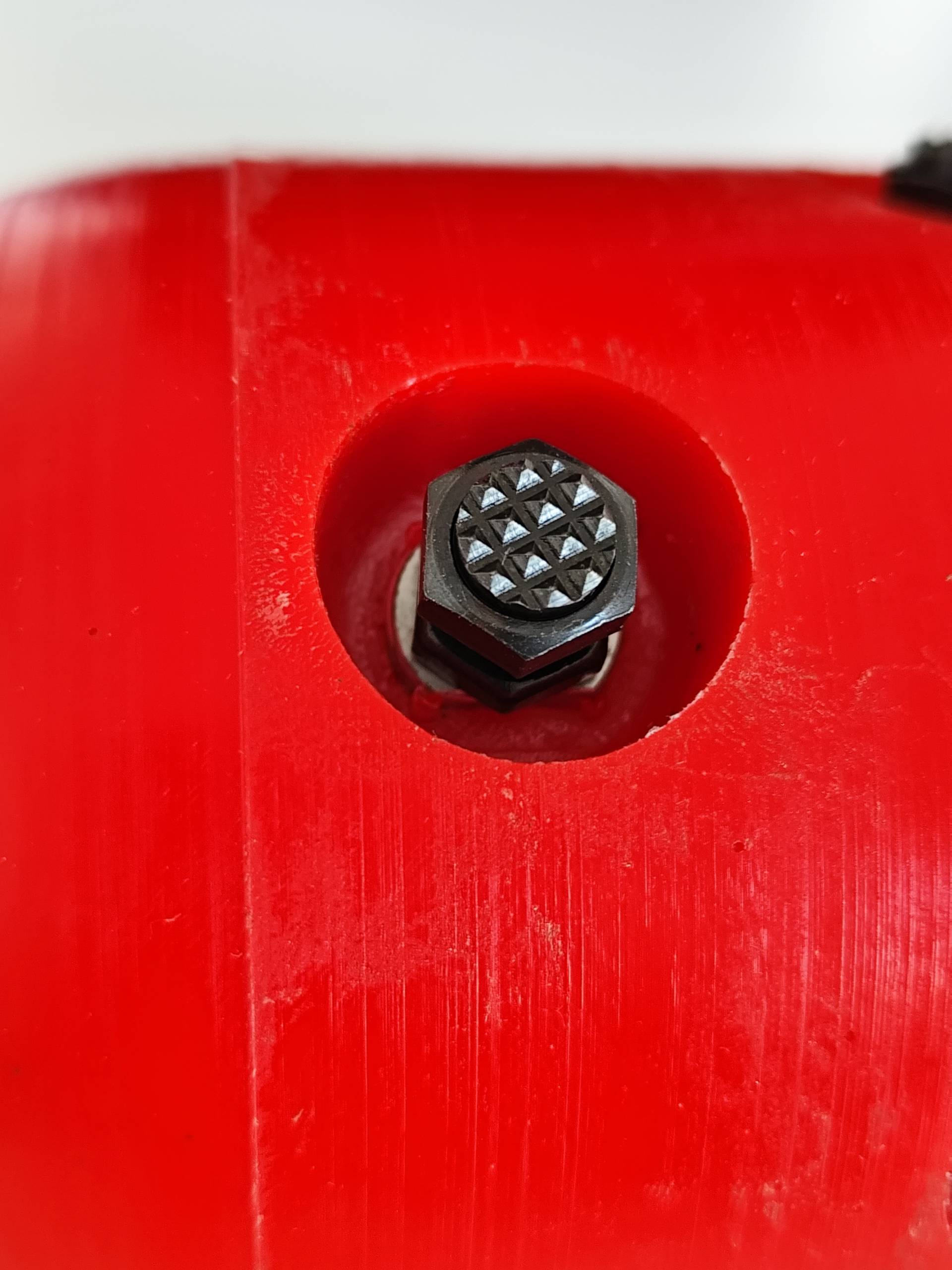
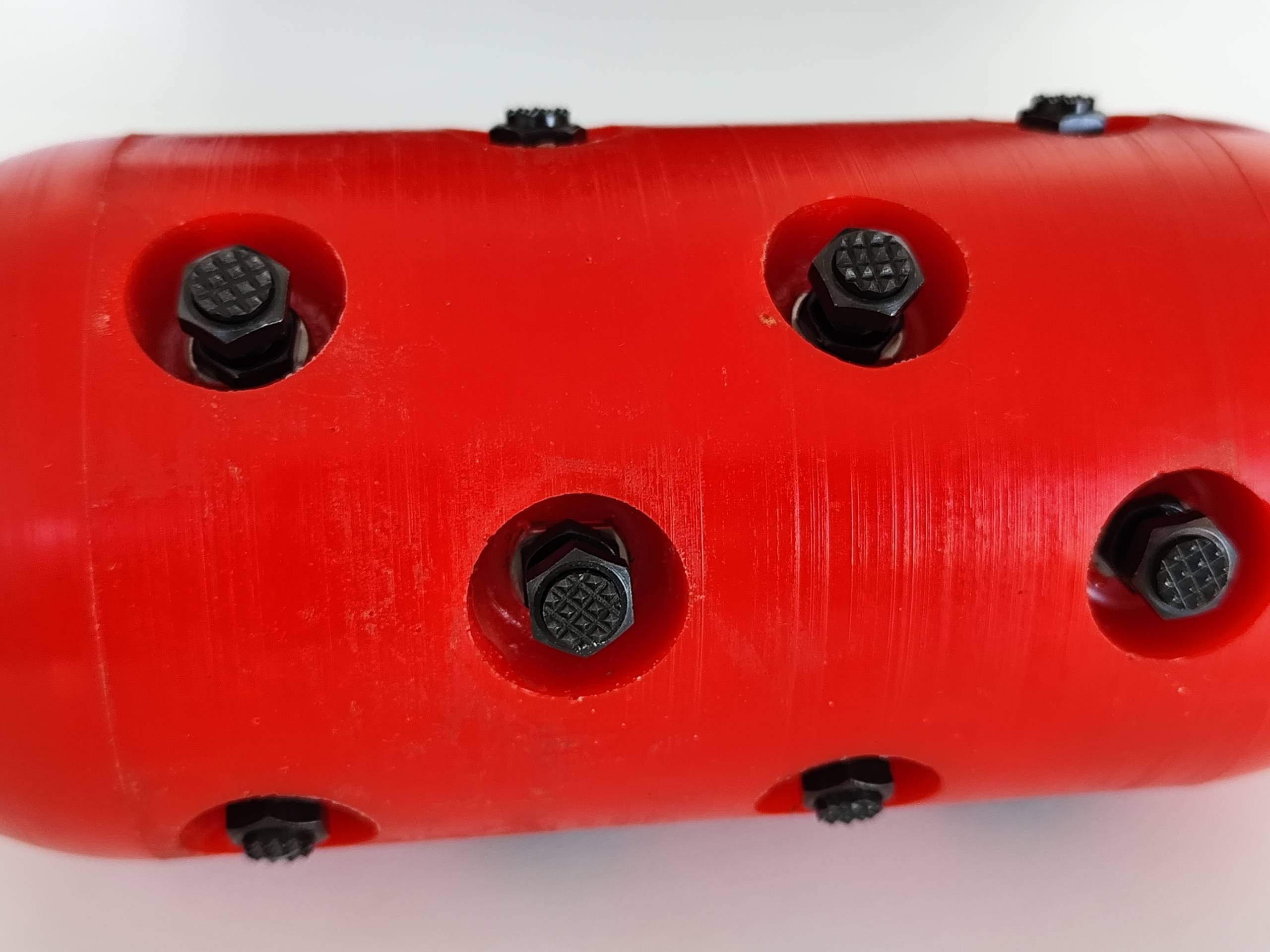
Decoking Pigs feature an aggressive external surface. Manufacturers embed hard, abrasive materials into the pig’s body or coating. These materials act like cutting tools. They fracture, chip, and scrub the coke layer from the pipe wall. The design prioritizes mechanical removal over sealing or swabbing.
 Design and Materials
The construction of a decoking pig focuses on durability and cutting action. The choice of materials directly impacts its performance and lifespan.
-
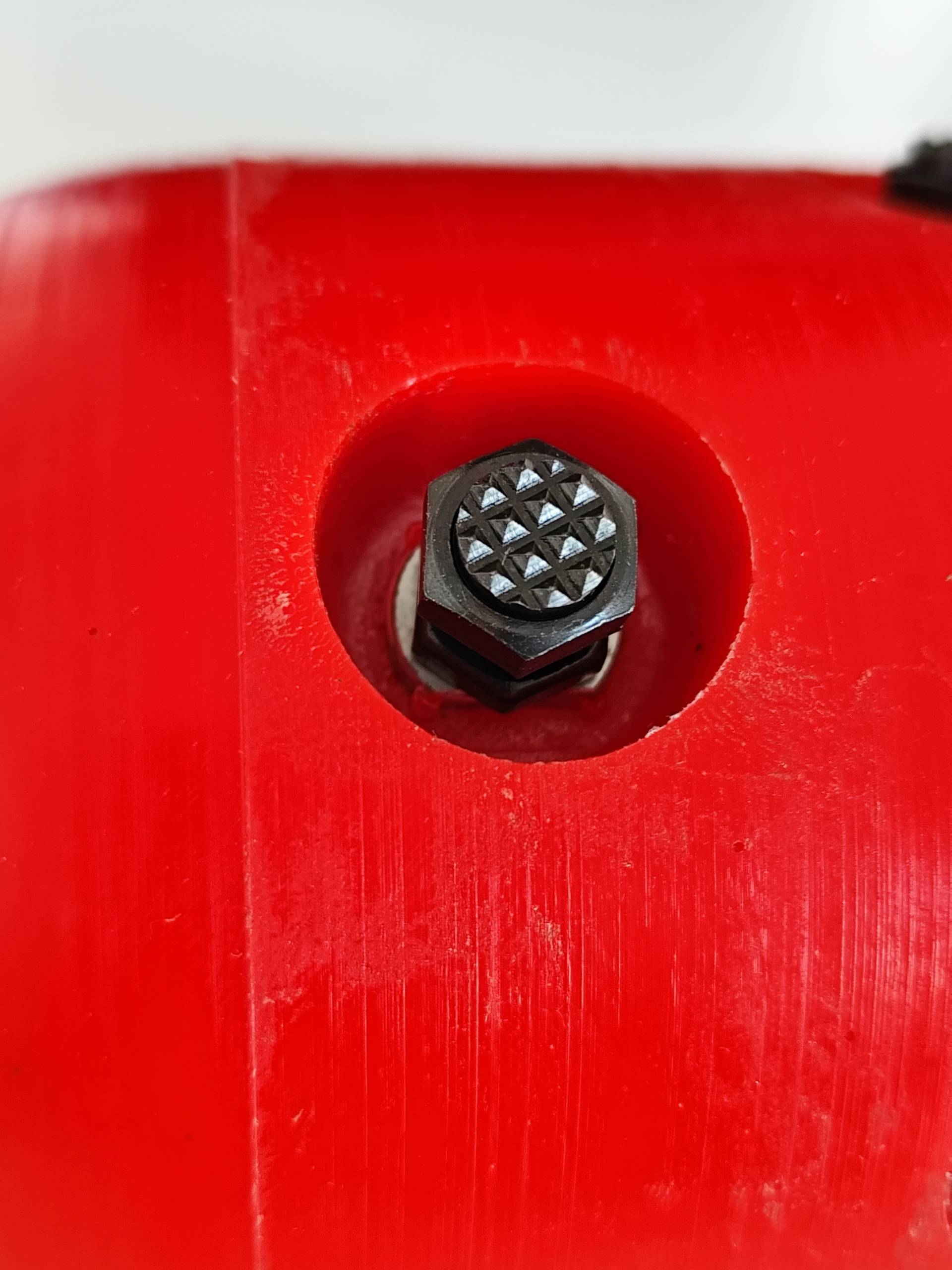
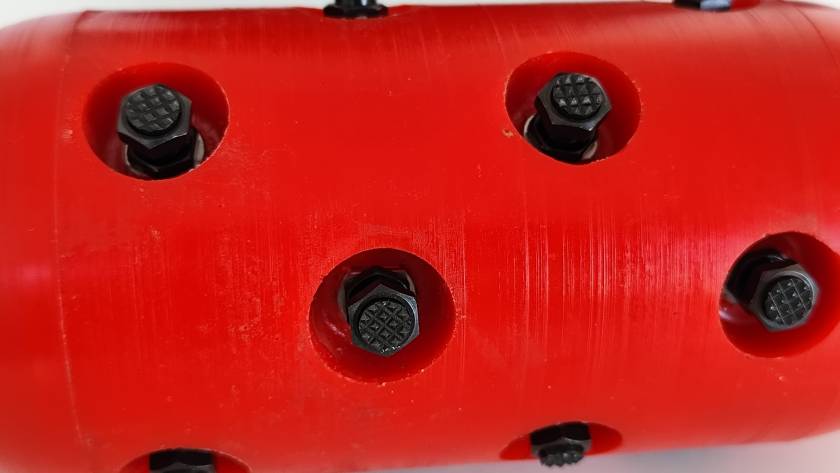
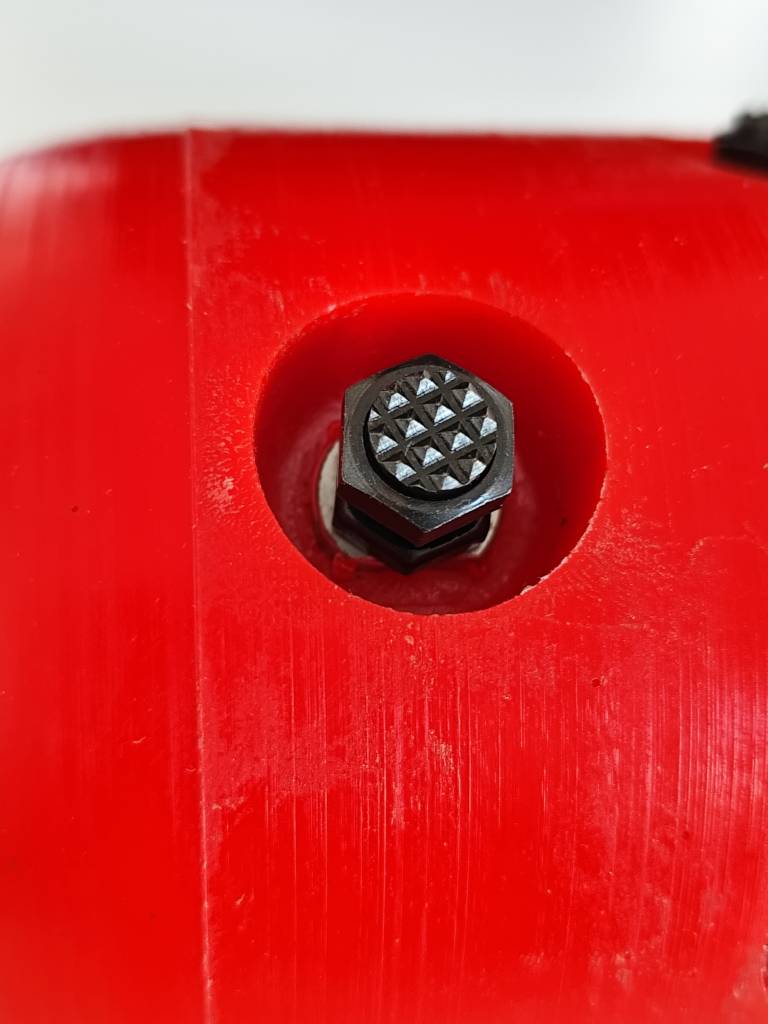
Studded Design: This is one of the most common types. Manufacturers embed thousands of small, hard studs into a flexible polyurethane foam core or a cast polyurethane body. These studs are typically made of tungsten carbide or ceramic. Tungsten carbide offers extreme hardness and wear resistance. It provides the necessary impact force to shatter the brittle coke. The polyurethane base remains flexible, allowing the pig to navigate bends and maintain contact with the pipe wall.
-
Abrasive-Coated Foam: Another design involves coating a foam pig with a layer of polyurethane heavily loaded with abrasive grit. This grit is often silicon carbide or aluminum oxide. This design creates a rough, sandpaper-like surface. It works well for scrubbing thinner coke layers or for final polishing passes after a studded pig has removed the bulk of the deposit.
-
Wire Brush Integration: Some decoking pigs combine flexibility with aggressive cleaning by incorporating wire brushes. These brushes, made of tough steel wire, attach to a foam or polyurethane body. The wire bristles scrape and abrade the coke as the pig travels through the line. This design is effective for pipelines with varying diameters or severe buildup.
The Pigging Process for Decoking
The pigging process for coke removal requires careful planning. It is a more aggressive operation than standard cleaning. Operators typically follow a specific procedure.
First, they assess the deposit thickness and location. They then select the appropriate decoking pig. For a severe blockage, they might start with a studded pig. This pig fractures the bulk coke into smaller pieces.
As the product flow pushes the pig forward, the embedded studs or abrasive surface continuously impacts the pipe wall. The fractured coke particles break free and mix with the flow stream. These particles travel ahead of the pig or become suspended in the fluid.
Operators often run multiple pigs in a sequence. They might start with an aggressive studded pig to break up the hard deposit. They follow this with a lighter abrasive-coated pig to scrub the wall clean. Finally, they might run a bare foam or a fully coated pig to swab out any remaining fine particles and dry the line. This progressive approach ensures thorough cleaning without risking damage to the pipe.
Comparing Pig Types
Choosing the right pig depends entirely on the deposit’s hardness and the cleaning objective. Here is a comparison of the main pig types, including decoking variants.
| Pig Type | Primary Action | Best Application | Key Benefit |
|---|---|---|---|
| Fully Coated | Scraping & Sealing | Removing soft to medium deposits (wax, scale), product separation. | Provides a tight seal for efficient debris push and batching. |
| Criss-Cross | Jetting & Light Scraping | Removing loose debris, scale, and liquids; pre-cleaning runs. | Jetting action fluidizes debris, preventing plugging ahead of the pig. |
| With Wire Brush | Aggressive Scratching | Removing medium to hard deposits, rust, and light coke in pipelines. | Steel wire bristles provide intense mechanical scrubbing. |
| Decoking (Studded) | Fracturing & Chipping | Removing hard, brittle coke from furnace tubes and transfer lines. | Tungsten carbide studs shatter tough deposits on contact. |
In summary, Decoking Pigs are purpose-built tools for one of the most demanding cleaning jobs in the industry. Their robust construction with tungsten carbide studs or abrasive coatings allows them to tackle coke deposits that would destroy standard pigs. For operators managing cracking furnaces or coked pipelines, these specialized pigs are essential for maintaining throughput, improving efficiency, and ensuring safe operations.
Reviews
There are no reviews yet.