
Description
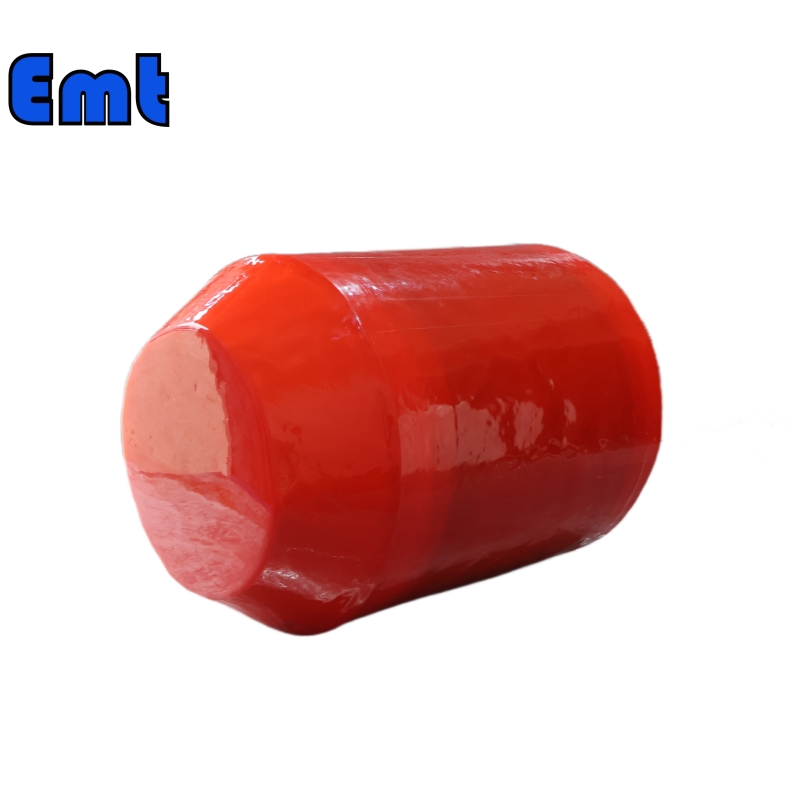
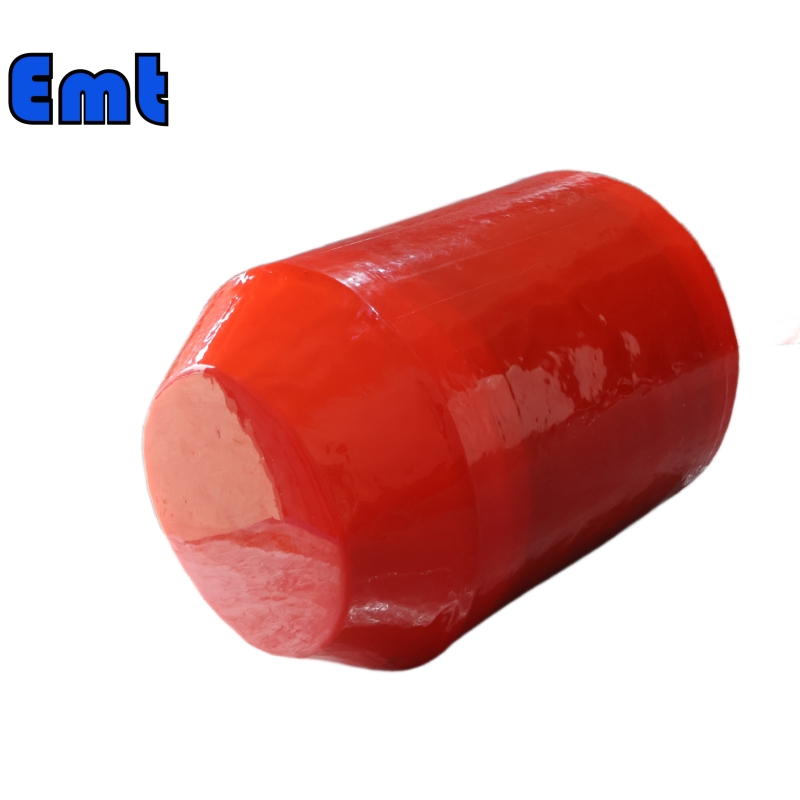
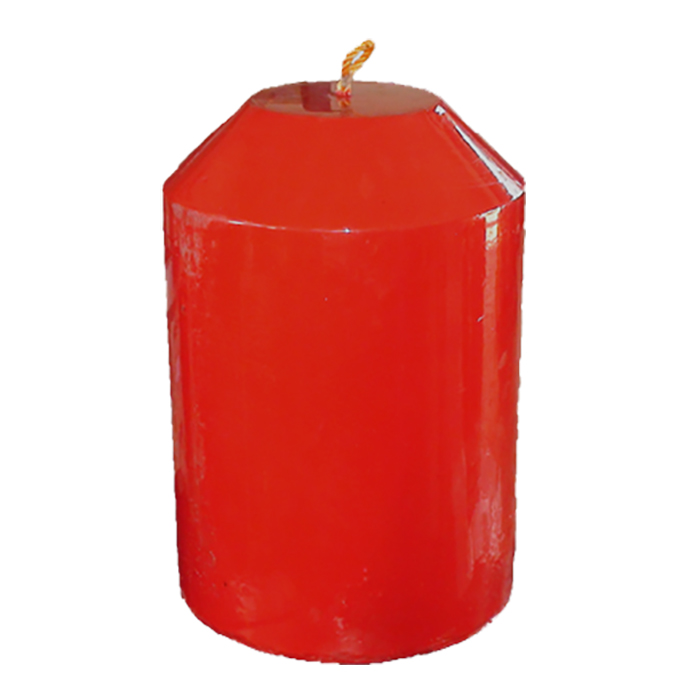
Fully Coated Foam Pigs
Maintaining clean and efficient pipelines is a critical task in many industries. Operators need reliable tools to remove deposits, clear liquids, and inspect the line. Among the most effective and versatile tools are Fully Coated Foam Pigs. These pigs offer superior performance for a wide range of pipeline cleaning applications.
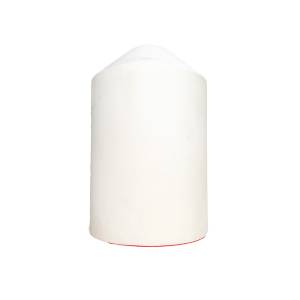
Coated vs. Bare Foam: A Key Difference
To understand the value of a fully coated pig, you must first look at its counterpart: the bare foam pig. A bare foam pig consists of open-cell polyurethane foam. Its surface is rough and sponge-like. This design allows it to absorb significant amounts of liquid. It is excellent for swabbing and drying pipelines.
However, the bare foam surface has limitations. Its soft texture provides little to no abrasive action. It simply cannot remove hard scale or tough wax deposits. Furthermore, the foam itself can wear down quickly against a rough pipe wall.
Fully Coated Foam Pigs solve these problems. Manufacturers apply a tough, outer layer to the foam core. This coating completely encapsulates the foam. The result is a pig with a smooth, durable, and abrasive exterior. It retains the flexibility and compressibility of the foam core. Yet, it gains the scraping power of a solid cleaning tool. The coating protects the foam from damage and allows the pig to tackle tougher jobs.
Coating Materials and Their Functions
The choice of coating material directly affects the pig’s function. Different applications require different levels of abrasion and chemical resistance. Here are the most common coating materials:
- Polyurethane (Standard Coating): This is the most common coating. It provides excellent abrasion resistance and durability. Manufacturers can formulate polyurethane in different hardness levels. A softer coating works well for general cleaning and batching. A harder coating provides more aggressive scraping.
- Neoprene (Synthetic Rubber): This coating offers good abrasion resistance and superior chemical resistance. It performs well with hydrocarbons and many solvents. Neoprene coatings are ideal for applications involving oils or specific chemicals.
- Silicone: This material provides high-temperature resistance. It also has a very low coefficient of friction. Silicone-coated pigs glide easily through the line. They are perfect for drying and applications where you want to minimize friction.
- Criss-Cross / Wrapped Coating: This type does not use a solid sheet of coating. Instead, manufacturers wrap the foam core with a polyurethane or other material in a criss-cross pattern. This creates distinct channels on the pig’s surface. These channels allow for excellent bypass. The pig can “leak” some fluid around itself, creating a high-velocity jetting action that helps remove loose debris ahead of the pig.
- Specialty Abrasive Coatings: For the toughest jobs, manufacturers can embed materials like silicon carbide or tungsten carbide into the polyurethane coating. These coatings turn the pig into a powerful grinding tool. They effectively remove stubborn mill scale, hard mineral deposits, and rust.
The Pigging Process and the Role of Foam Pigs
“Pigging” is the process of propelling a pig through a pipeline using the product flow itself. The process is simple but highly effective.
- Launch: Operators insert the pig into a launcher at the start of the pipeline.
- Propulsion: They then open a valve, allowing the flowing fluid (oil, water, gas, etc.) to push the pig forward.
- Cleaning: As the pig travels, it scrapes debris from the pipe walls and pushes it forward.
- Receival: Finally, the pig arrives at a receiver at the end of the line, along with the removed debris.
Foam pigs play a crucial role in this process. Their foam core makes them highly flexible. They can easily navigate short-radius bends, through reduced port valves, and over variations in the pipe diameter. They are also lightweight and safe to handle. Because they are compressible, you can launch them in simple, inexpensive launchers. This makes them a cost-effective choice for many cleaning operations.
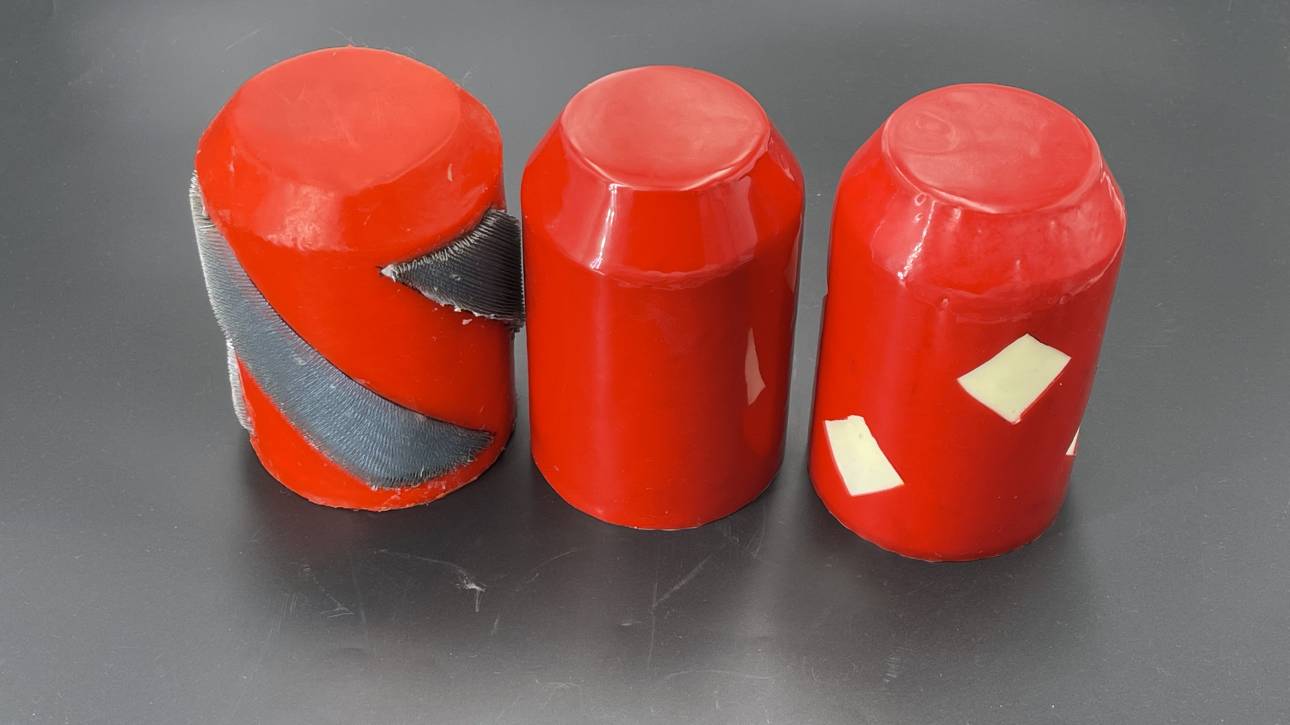
Comparing Pig Types: Fully Coated, Criss-Cross, and Wire Brush
Choosing the right pig depends on your specific goal. Here is a simple comparison:
| Pig Type | Primary Action | Best Application | Key Benefit |
|---|---|---|---|
| Fully Coated | Scraping & Sealing | Removing soft to medium deposits, product separation, general cleaning. | Provides a tight seal for efficient scraping and product batching. |
| Criss-Cross | Jetting & Light Scraping | Removing loose debris, scale, and liquids; pre-cleaning before a more aggressive pig. | The unique channel design creates a jetting action to fluidize and remove debris. |
| With Wire Brush | Aggressive Scraping | Removing hard scale, rust, and tough wax; mechanical cleaning for pipeline rehabilitation. | The embedded abrasive bristles provide intense, mechanical scraping power. |
In summary, think of Fully Coated Foam Pigs as the reliable all-rounder. They offer a balance of durability, sealing ability, and cleaning power. Choose a Criss-Cross pig when you need to maximize bypass flow and jetting action. Select a pig with Wire Brush (or other abrasives) only when you face extreme deposits that require a heavy-duty mechanical scrub.
Fully Coated Foam Pigs represent a perfect blend of flexibility and toughness. They provide a dependable solution for maintaining pipeline integrity and efficiency. For any operator looking to improve flow and protect their assets, these pigs are an indispensable tool.
Reviews
There are no reviews yet.