
Description
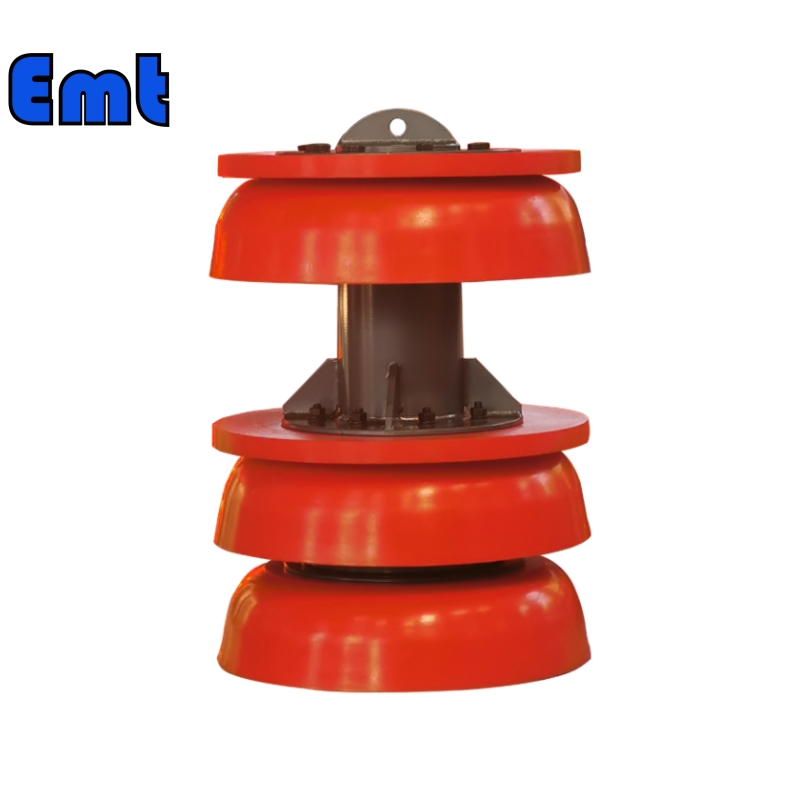
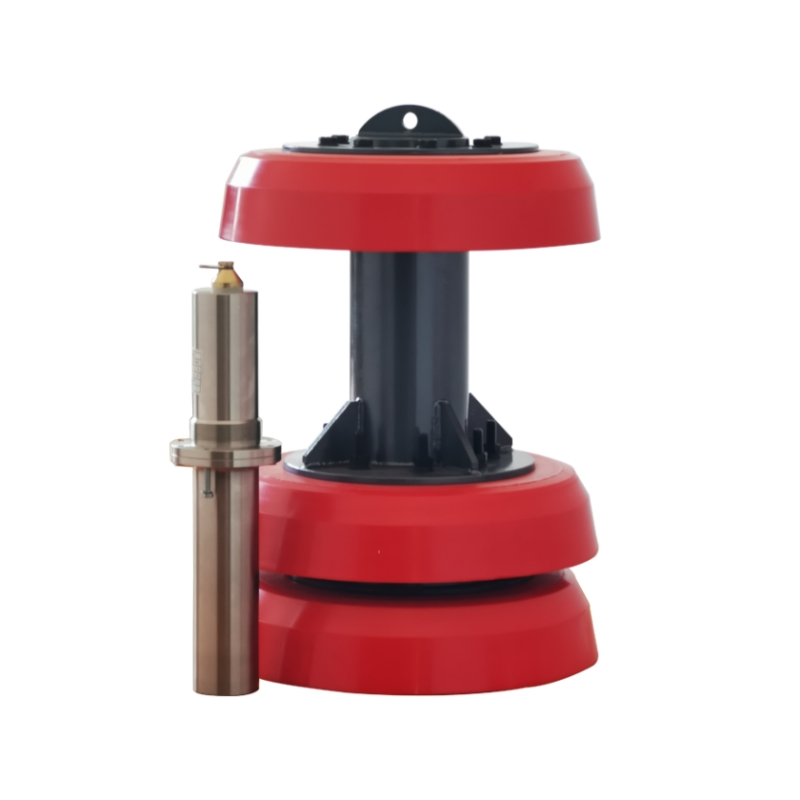
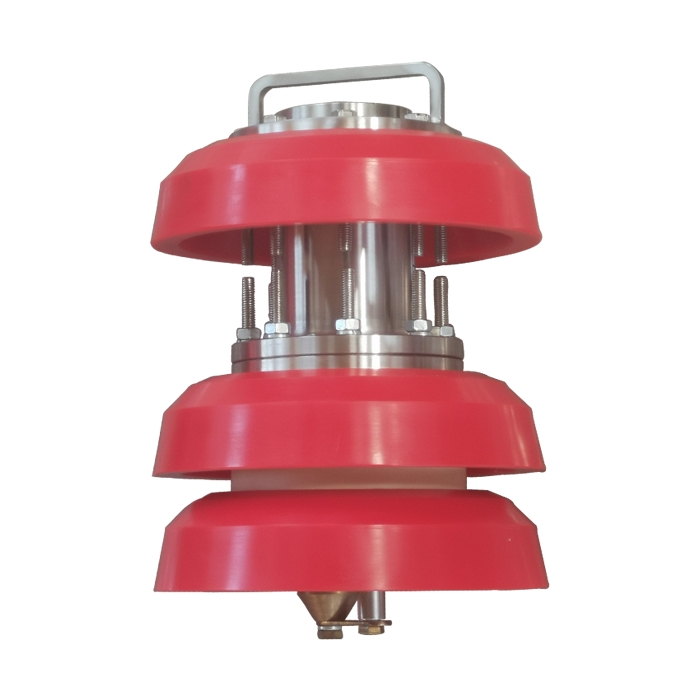
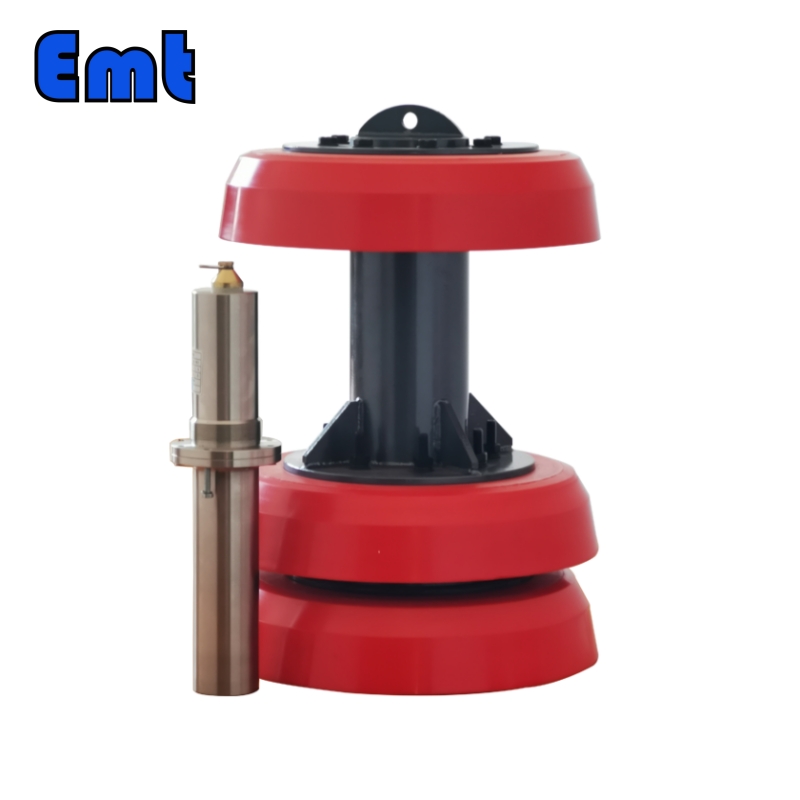
Pipeline maintenance demands reliable and efficient tools. Among the most effective devices for this task is the 3-cup Pipeline Pigging Pig. This tool plays a vital role in ensuring product integrity and operational efficiency. It moves through the pipeline, driven by the flow of the product itself. The design is simple yet highly effective. It provides a robust solution for cleaning, dewatering, and separating different products within a single pipeline. Operators worldwide trust this configuration for its balance of power and flexibility. This article will explore its components, materials, and the pigging process in detail.
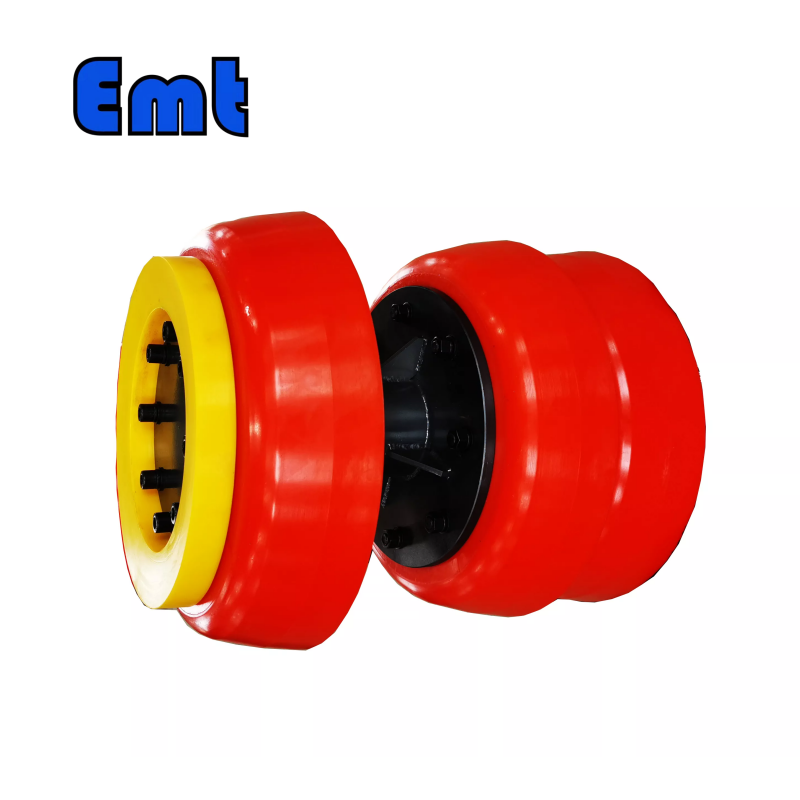
Cup Material and Its Importance
The performance of a Pipeline Pigging Pig largely depends on its cups. These cups are the components that make contact with the pipe wall. Therefore, the choice of material for these cups is critical. The most common material for these cups is polyurethane. Manufacturers choose polyurethane for its excellent abrasion resistance. It can withstand the friction against rough pipe walls for long distances. This material also offers great resilience and tear strength.
Another common material is nitrile rubber. Operators often select nitrile when the pig needs to handle hydrocarbon-based products. Nitrile offers good oil resistance and flexibility. For instance, in some applications, the pig requires a softer durometer to navigate restrictions. The specific blend of the polymer can also change. Some blends enhance the cup’s ability to create a tight seal. Others focus on reducing friction to extend the pig’s travel distance. Ultimately, the cup material directly impacts the pig’s lifespan and cleaning effectiveness.
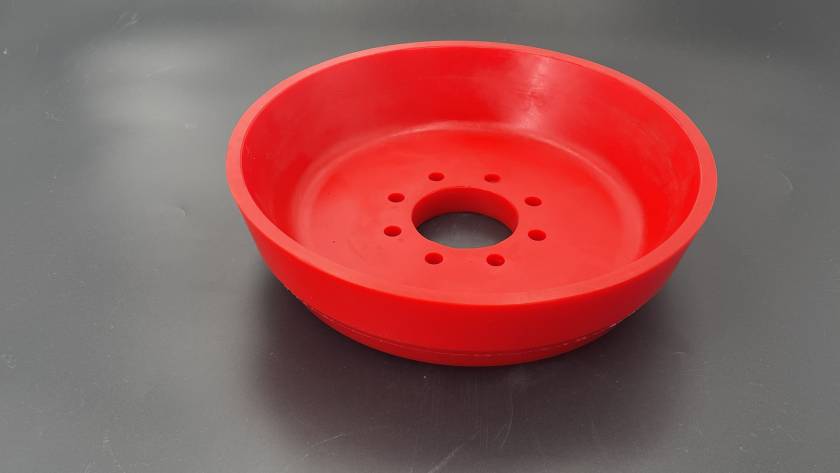
The Role of the Cups for Pipeline Pigging Pig
The three cups on this pig serve multiple purposes. First, they provide the sealing force necessary to drive the pig forward. As the pressure of the pipeline fluid builds behind the cups, it propels the unit. The cups act like pistons inside the cylinder of the pipe. Second, the cups scrape the internal wall of the pipeline. They remove wax, scale, and other deposits. This cleaning action restores the pipe’s original diameter and improves flow efficiency.
Moreover, the cups guide the pig through the line. They keep the body centered. This centering action prevents uneven wear on the pig itself. It also ensures consistent contact with the pipe wall all around. The flexibility of the cups allows the pig to pass through bends and valves. They compress slightly to pass through reduced openings. After passing the obstacle, they spring back to maintain the seal. Therefore, the design of the cups dictates the pig’s ability to travel successfully through complex piping networks.
Body Material Options for 3-cup Pipeline Pigging Pig
The skeleton, or body, of the pig, provides the structural support. It holds the cups in place and carries any attachments. Manufacturers construct this body from various metals to suit different needs. The choice depends on the operating environment and the product being transported.
-
A105: This is a common choice for standard applications. A105 is a forged carbon steel. It offers good mechanical strength for general-purpose pigging. It works well in most oil and gas pipelines. Its cost-effectiveness makes it a popular option for many operators.
-
316 Stainless Steel (316SS): For more demanding environments, 316SS is an excellent choice. This material provides superior corrosion resistance. It is ideal for pipelines carrying corrosive substances. Operators also prefer it for offshore applications where saltwater exposure is a concern. Its durability ensures a long service life, even in harsh conditions.
-
304 Stainless Steel (304SS): This is another stainless steel option. 304SS also offers good corrosion resistance and strength. It is a versatile material suitable for many industrial fluids. While similar to 316, it has slightly different chemical properties. It provides a balance between cost and corrosion resistance for many standard operations.
The Pigging Process and Its Functions
The pigging process is straightforward and highly effective. Operators insert the 3-cup pig into a launcher at one end of the pipeline. They then close the launcher and open the kicker line. The flow of the product pushes the pig out of the launcher and into the main line. As it travels, it performs its tasks. It sweeps the line clean of debris. It pushes out any accumulated liquids in a gas line. It also creates a physical barrier between two different products.
Finally, the pig arrives at the receiver at the opposite end of the pipeline. Operators then retrieve it from the receiver. They can then inspect the pig for wear. The condition of the pig upon arrival provides valuable data about the pipeline’s internal state. In addition to basic cleaning, this pig can also assist with pre-commissioning. It helps to dewater and dry new pipelines before they go into service. Its consistent seal ensures a high success rate in removing all test water.
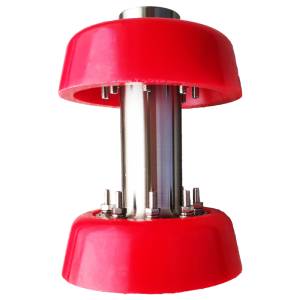
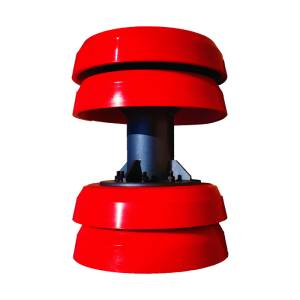
Comparing 2, 3, and 4-Cup Configurations
Pipeline operators often choose between different pig configurations. The number of cups changes the pig’s behavior and application. The 3-cup pig offers a standard, versatile option. It provides a good seal without creating excessive friction. It is long enough to remain stable but short enough to navigate tight bends.
In contrast, a 2-cup pig is much shorter. It offers greater flexibility. It can pass through very tight radius bends and multi-dimensional pipelines more easily. However, it provides less sealing force. It might not be as effective for heavy cleaning or for maintaining a seal across a long distance. Operators often use it for light duty or in lines where maneuverability is the top priority.
On the other hand, a 4-cup pig provides maximum sealing capability. The extra cups create more contact points with the pipe wall. This design offers better support and more efficient cleaning. It is ideal for heavy-duty applications. For example, it works well for removing large amounts of wax or scale. The additional cups also help the pig travel more stably in larger diameter pipes. Consequently, it creates a more reliable seal for batching operations. The trade-off is that it creates more friction and requires more driving force. It is also less flexible than the 3-cup version. Therefore, the selection depends on the specific needs of the pipeline operation. Each configuration serves a distinct purpose in the world of pipeline pigging.
FAQ
Q:What are foam pigs used for in pipeline operations?
Foam pigs are used to dewater and dry a line after hydrostatic test, to wipe and sweep light debris, to batch-separate two products, to run a gauging plate that proves the line is clear, and to carry cleaning brushes or gel. They are the first choice for commissioning because they are cheap and pass most restrictions. They do not give the aggressive scraping of a steel-body disc pig.
Q:How do I size a pig so it seals and does not stall?
A pig must be slightly larger than the line bore so it seals and drives forward. Foam pigs are typically 1% to 5% oversize and disc pigs a few millimetres oversize. The right oversize depends on pipe diameter, bend radius, and internal condition. EMT sizes each pig to your specified bore and tolerates ovality and weld protrusion so it will not bridge or stall in the line.
Q:How do I confirm a pig has passed the receiver?
A pig signaller confirms the pig has arrived. EMT offers three types: B-type, a manual-reset mechanical flag that pops out on passage; C-type, which adds a proximity switch for a remote SCADA alarm; and D-type, a digital readout with continuous position. Fit a signaller at the receiver and at intermediate stations so you can confirm passage and time the next operation.
Reviews
There are no reviews yet.