
Description
In the vast network of industrial pipelines, precise chemical addition is critical. Operators must introduce treatments to protect assets and ensure product quality. A simple pipe connection, however, can lead to poor mixing and corrosion. This is where the chemical injection quills become indispensable tools. They solve these problems through clever, targeted design.
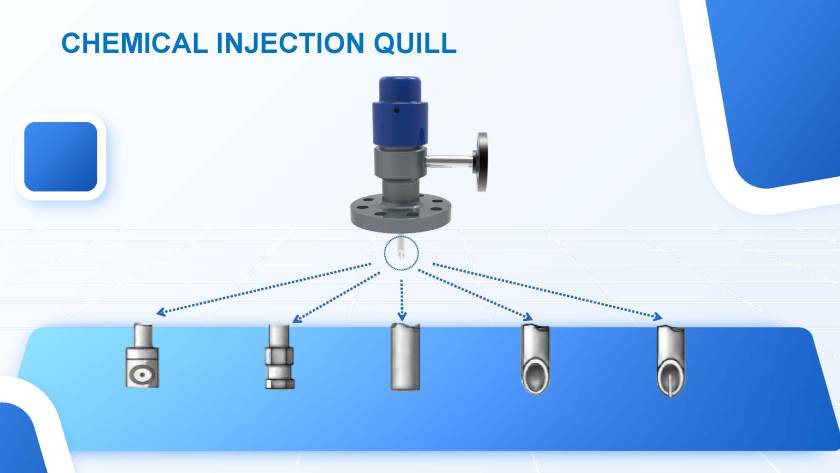
What is a Chemical Injection Quill?
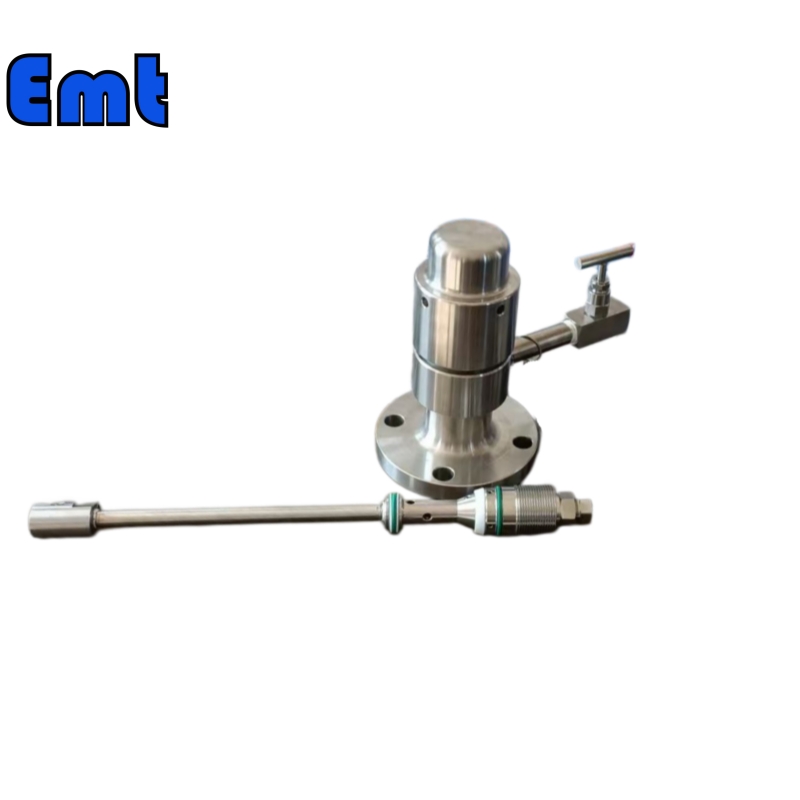
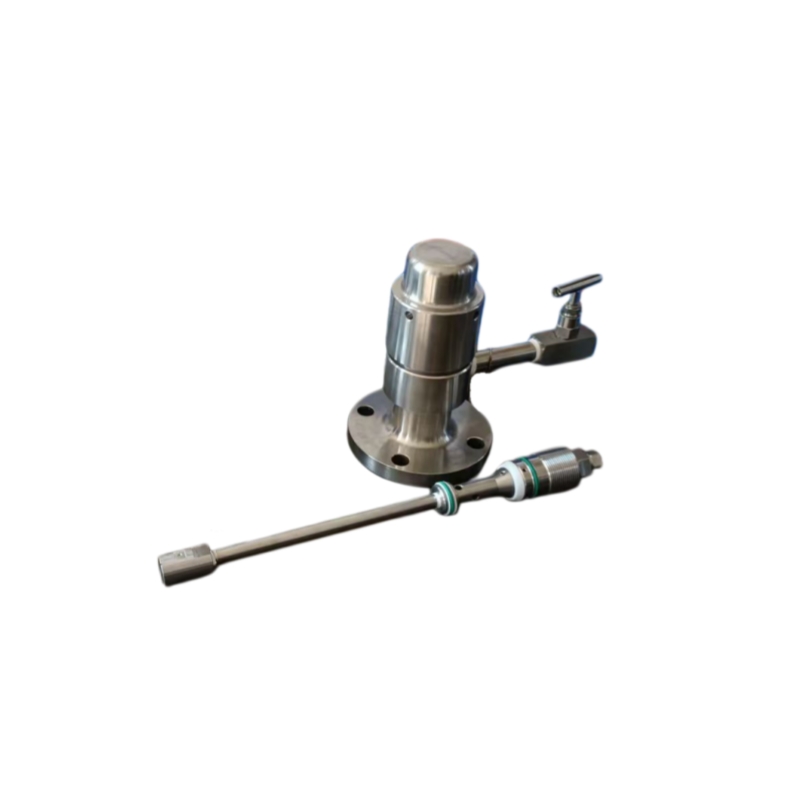
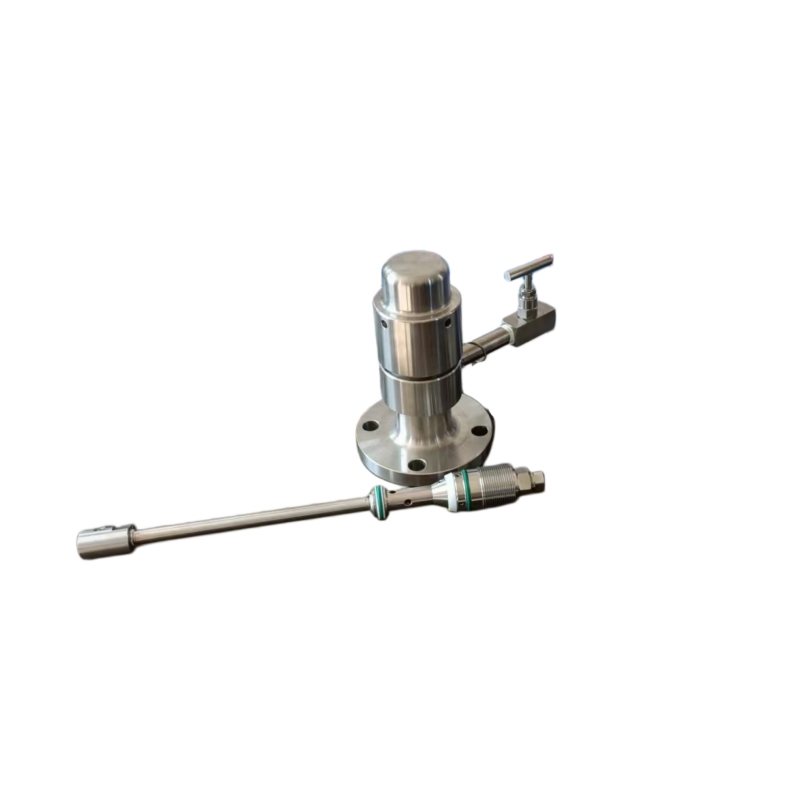
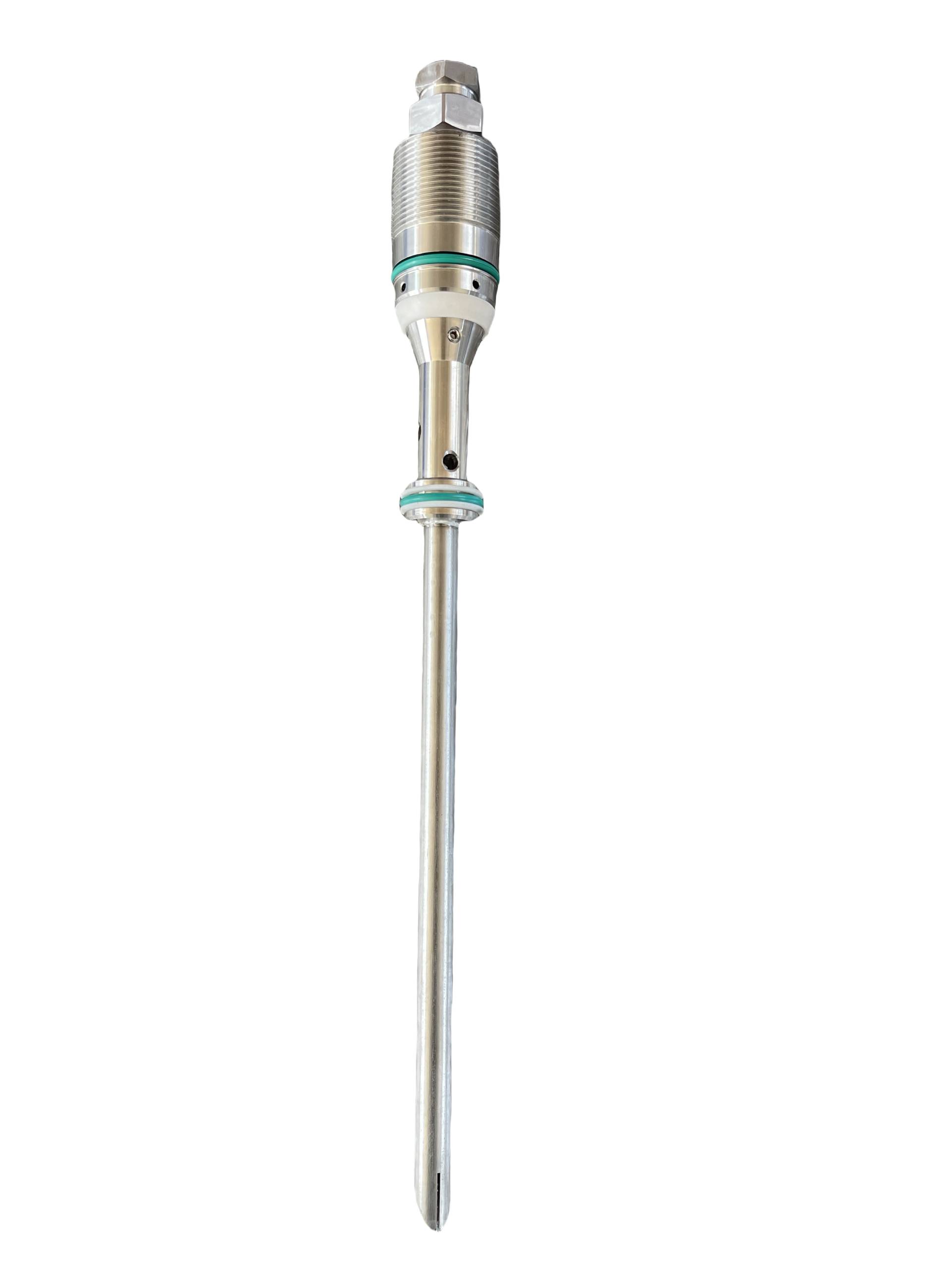
A chemical injection quill is a simple yet vital device. It is a length of pipe or tube inserted into a main pipeline. Its purpose is to deliver chemicals directly into the center of the process flow. This strategic placement is its primary advantage over standard injection fittings.
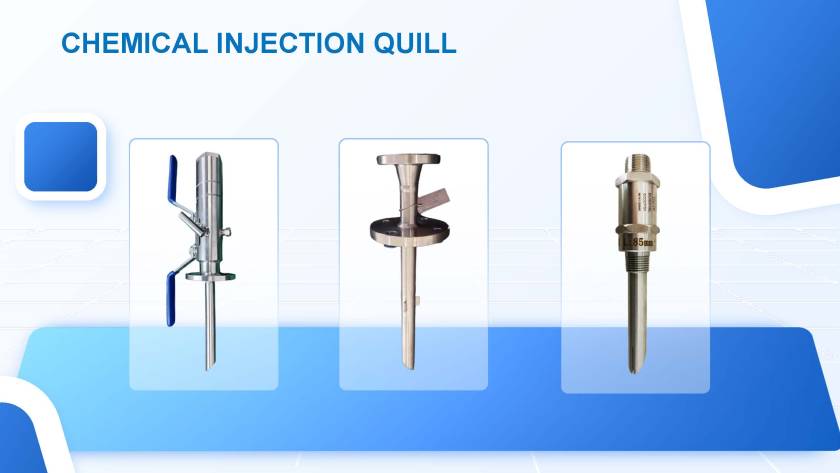
The quill typically inserts through a standard pipe fitting like a threaded or flanged connection. It positions the chemical discharge point away from the pipe wall. This design prevents corrosive chemicals from contacting the pipe’s interior surface immediately. Consequently, it protects the integrity of the main pipeline.
Furthermore, the quill supports various connection types for easy installation. Technicians can insert or retract it even while the line is under pressure. This capability uses a special retractable sleeve and isolation valve. It allows for maintenance without system shutdown, saving time and resources.
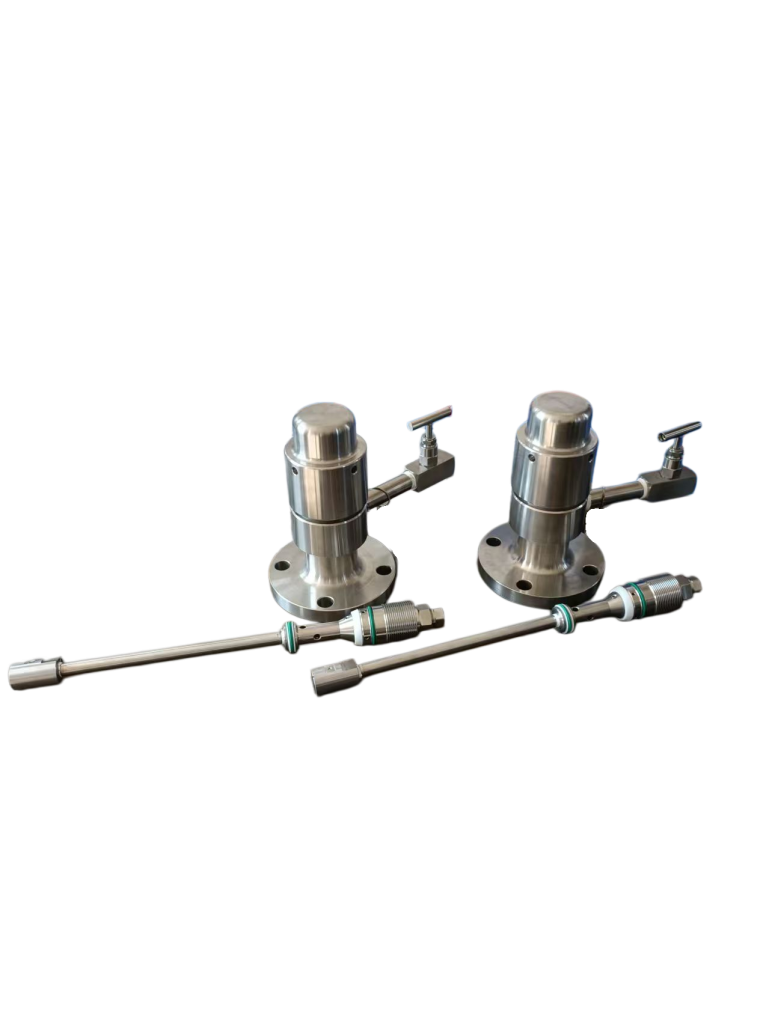
The Critical Importance of Proper Chemical Injection
Why can’t operators just pour chemicals into a pipe? The answer lies in fluid dynamics and material science. Simply dumping chemicals at a pipe wall is inefficient and dangerous.
Ensuring Mixing and Dispersion
When a chemical enters a flowing stream, it must mix thoroughly. A standard nozzle at the pipe wall often fails at this task. The injected chemical tends to hug the pipe wall in a “boundary layer.” This creates poor mixing and uneven distribution downstream.
Therefore, the quill forces the chemical into the high-velocity core of the flow. Here, turbulent energy breaks the chemical into smaller droplets. This action ensures rapid and uniform dispersion throughout the fluid. Good mixing guarantees the chemical treatment works as intended.
Preventing Corrosion and Erosion
Chemical compatibility is a major concern in pipeline design. Many treatment chemicals are highly corrosive or abrasive. Injecting them directly against a carbon steel pipe wall invites failure. The wall can thin over time, leading to leaks and catastrophic ruptures.
The chemical injection quills eliminate this risk. The product typically uses a small-diameter tube made of a corrosion-resistant alloy. Materials like stainless steel or Hastelloy withstand aggressive chemicals. By delivering the chemical mid-stream, the quill protects the main pipe’s wall from attack. This separation of functions enhances overall system safety and longevity.
Key Design Features and Configurations
Engineers select quills based on the specific application requirements. Various design features optimize performance for different fluids and conditions.
-
Nozzle Type: The tip of the quill is not always a simple open pipe. It often features a specialized nozzle. A spray nozzle atomizes the chemical into a fine mist. A fogging nozzle creates even finer droplets for vapor-phase mixing. The choice depends on the desired dispersion rate.
-
Insertion Length: The length of the quill determines the injection point’s location. Standard insertion places the tip at the pipe’s centerline. However, for very large pipes, engineers might choose a “quill stub” for shorter penetration. The goal is always to reach the turbulent flow zone.
-
Material of Construction: As mentioned, material selection is paramount. The quill material must resist the injected chemical and the process fluid. Common choices include 316 stainless steel, Alloy 20, and various nickel alloys. This ensures long-term durability and prevents contamination.
Common Industrial Applications
The versatility of the chemical injection quills makes it a standard component across many industries. Its use is fundamental wherever precise fluid treatment occurs.
-
Oil and Gas Production: Operators inject corrosion inhibitors and scale inhibitors extensively. They protect long pipelines and valuable downhole equipment from harsh production fluids. Methanol or glycol injection also prevents hydrate formation in gas lines.
-
Water and Wastewater Treatment: Plants inject chlorine, polymers, and pH adjusters for purification. Quills ensure these chemicals mix thoroughly with the water flow. This guarantees effective disinfection and coagulation before filtration.
-
Chemical and Petrochemical Processing: In these complex plants, quills introduce catalysts, reactants, and pH control agents. Precise injection at the correct point controls reaction rates and yields. It also neutralizes hazardous streams safely and effectively.
Conclusion: A Small Device with a Big Impact
In conclusion, the chemical injection quill is a critical component for modern industry. Its simple design belies its importance in process efficiency and safety. By delivering chemicals directly into the flow core, it ensures optimal mixing. It simultaneously shields expensive pipeline infrastructure from corrosive attack.
Engineers rely on these devices to maintain product quality and asset integrity. They enable precise control over chemical treatment with minimal waste. As industrial processes demand greater efficiency and safety, the role of the injection quill will only grow. It remains a perfect example of how a well-designed tool solves a complex problem.
Reviews
There are no reviews yet.