
Description
In the high-stakes world of industrial fluid handling—where safety is paramount, downtime costs millions, and environmental protection is non-negotiable—engineers rely on specialized hardware to maintain absolute control. One such critical component is the DBB Valve, or Double Block and Bleed Valve. But what exactly is it, and why has it become a cornerstone of modern piping system design? This guide delves into the function, benefits, and vital applications of this ingenious valve technology.
What is a DBB Valve? Demystifying the Acronym
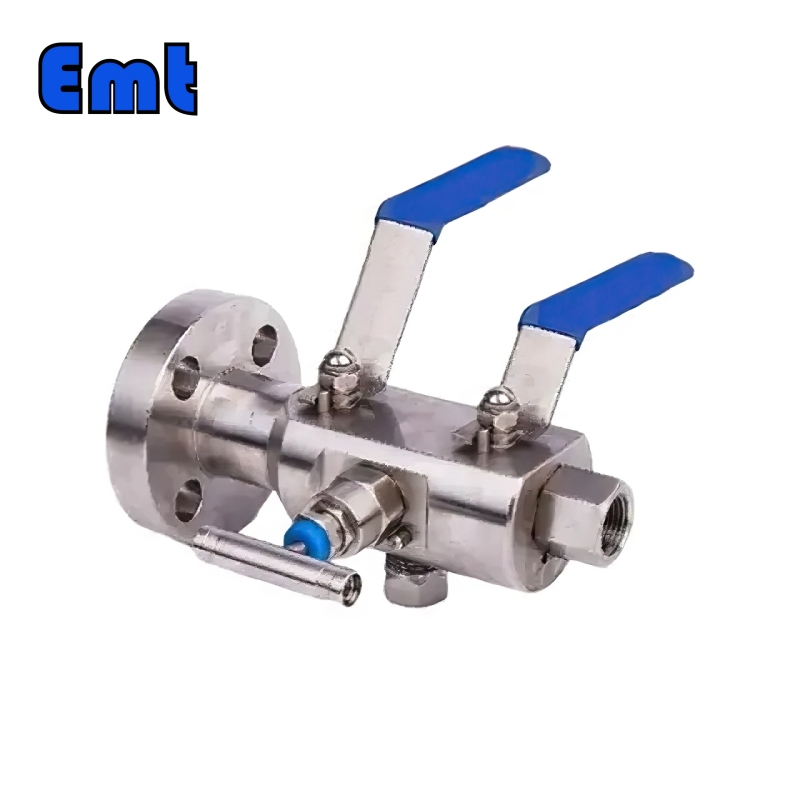
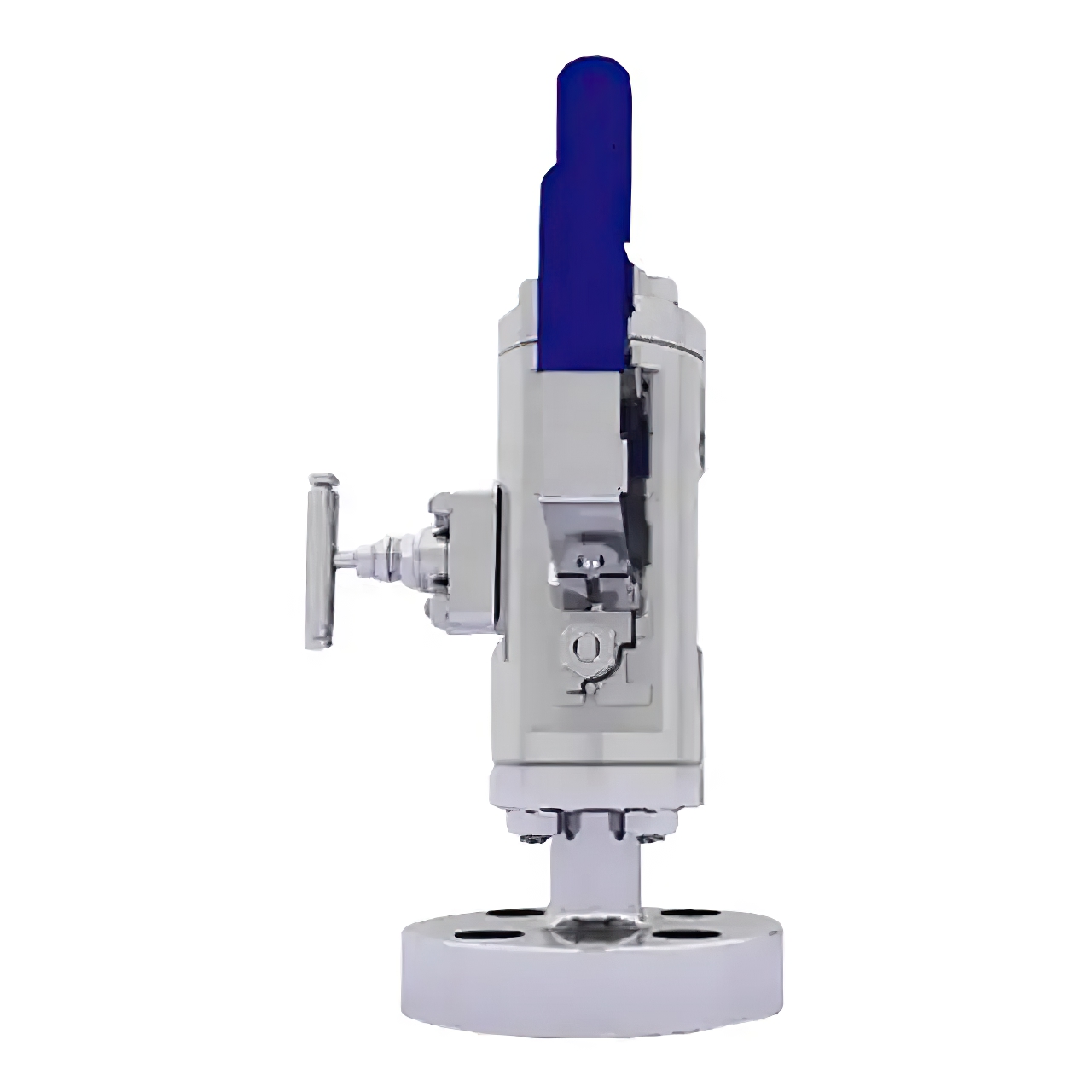
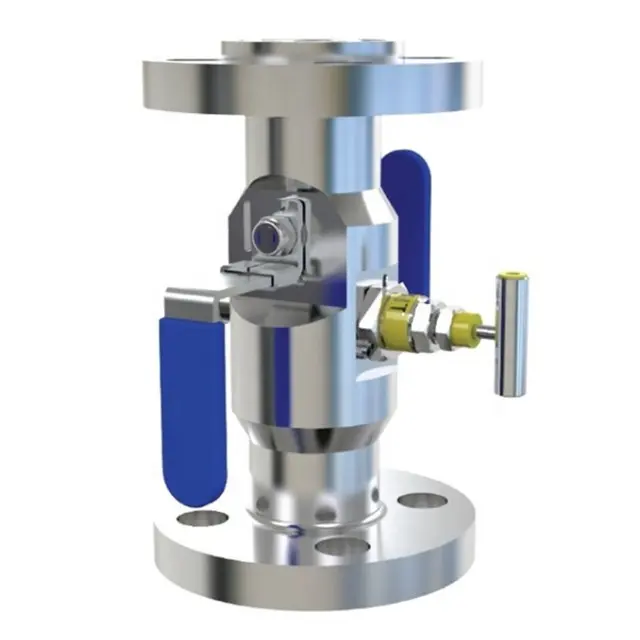
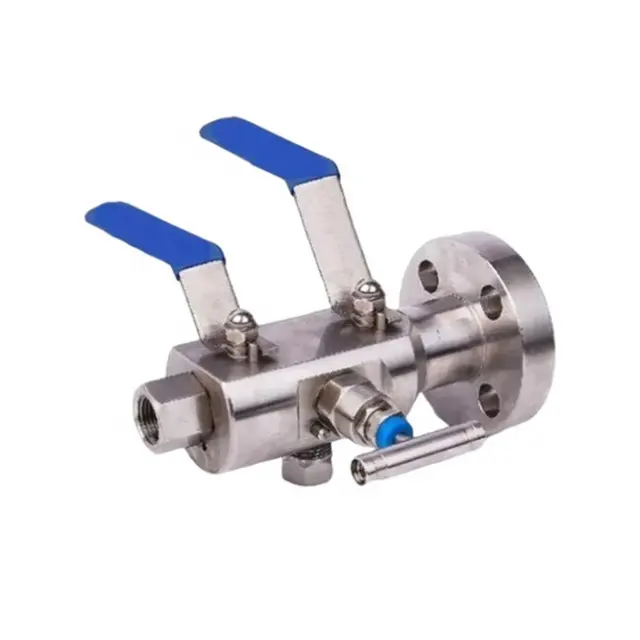
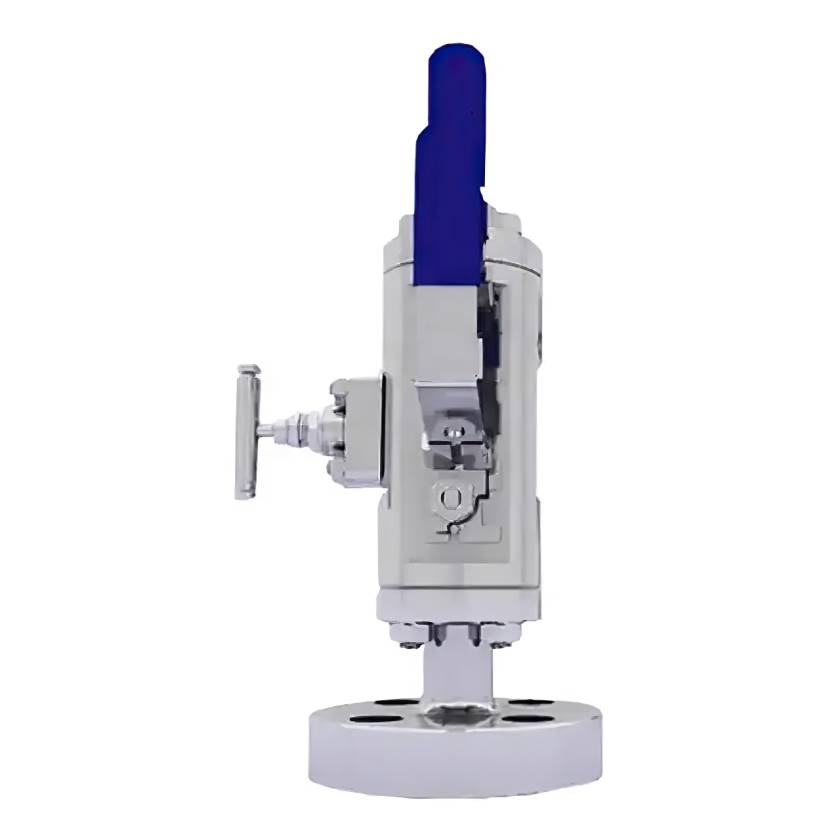
At its core, a DBB Valve is a single, integrated valve assembly designed to provide two independent sealing surfaces (the “Double Block”) and a drain or vent port (the “Bleed”) between them. This configuration allows operators to:
-
Block flow from the upstream side.
-
Block flow from the downstream side.
-
Bleed (vent or drain) the trapped cavity between these two seals to the atmosphere or a safe containment system.
Imagine needing to isolate a section of a live pipeline for maintenance. Instead of installing two separate gate valves and a third valve for bleeding—a bulky and leak-prone arrangement—a single DBB valve accomplishes all three functions in a compact, reliable unit.
The Critical Function: How Does a Double Block and Bleed Valve Work?
The genius of DBB valve design lies in its verification of isolation. When the valve is closed, the cavity between the two primary seals is depressurized via the bleed port. This serves as a positive, verifiable indicator that:
-
Both seals are holding effectively.
-
The isolated section is safe to work on.
-
There is no pressure buildup that could indicate seal failure.
This function is crucial for preventing product contamination, enabling safe maintenance, and protecting personnel from unexpected releases of hazardous fluids.
Key Features and Advantages of DBB Valves
Choosing a DBB valve system offers significant operational advantages over traditional double-valve and bleed setups:
-
Enhanced Safety: Provides a verifiable, zero-energy state for maintenance, protecting personnel and the environment.
-
Superior Integrity: Minimizes potential leak paths by reducing the number of flange connections and external fittings.
-
Space and Weight Savings: A single, compact unit replaces multiple valves, piping, and fittings, ideal for offshore platforms and compact plants.
-
Cost-Effectiveness: Reduces installation time, lowers overall material costs, and minimizes long-term maintenance points.
-
Operational Efficiency: Allows for quick isolation, pressure testing, and sampling of process fluids without system shutdown.
Primary Applications: Where Are DBB Valves Essential?
DBB valves are the isolation method of choice in industries where safety and isolation integrity cannot be compromised:
-
Oil & Gas Production: Wellhead isolation, pig launching/receiving, manifold systems, and Christmas tree configurations.
-
Pipeline Transmission: For sectional isolation, block valve stations, and maintenance bypasses.
-
Petrochemical & Refining: In critical process lines handling hazardous, toxic, or expensive fluids.
-
Power Generation: For fuel oil and gas supply lines, and steam isolation.
-
Chemical Processing: Where preventing cross-contamination between different batches or media is vital.
DBB vs. DIB: Understanding the Important Distinction
It’s crucial to differentiate a standard DBB from a DIB (Double Isolation and Bleed) Valve. While both have two seals and a bleed, the key difference lies in the seal integrity:
-
Standard DBB: Provides two seals, but one may be a primary seal (like a seat) and the other a secondary seal (like a packing). It blocks flow from both directions but may not be designed for bidirectional sealing under full pressure differential.
-
DIB Valve: Specifically engineered so that both seals are primary pressure barriers, each capable of independently containing full system pressure from a single direction. This offers a higher assurance level, often required for the most critical isolation services.
Conclusion: The Indispensable Guardian of Pipeline Integrity
The DBB Valve is far more than just a piece of piping hardware; it is a fundamental safety philosophy engineered into a single, robust device. By combining double block security with verifiable bleed capability, it addresses the core challenges of isolation, safety, and operational efficiency in demanding industrial environments. As engineering standards and environmental regulations continue to evolve, the role of the reliable DBB valve as a guardian of system integrity and personnel safety will only grow more prominent.
For engineers designing new systems or upgrading existing infrastructure, specifying the correct Double Block and Bleed valve is not just a technical choice—it’s a commitment to safer, more reliable, and more efficient operations.
Reviews
There are no reviews yet.