
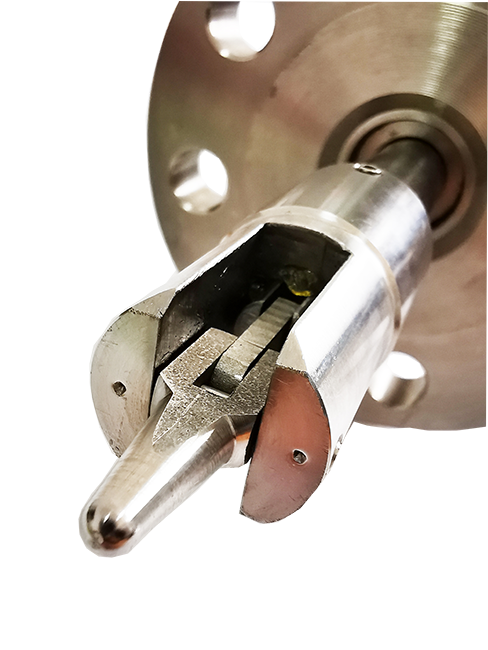
Description
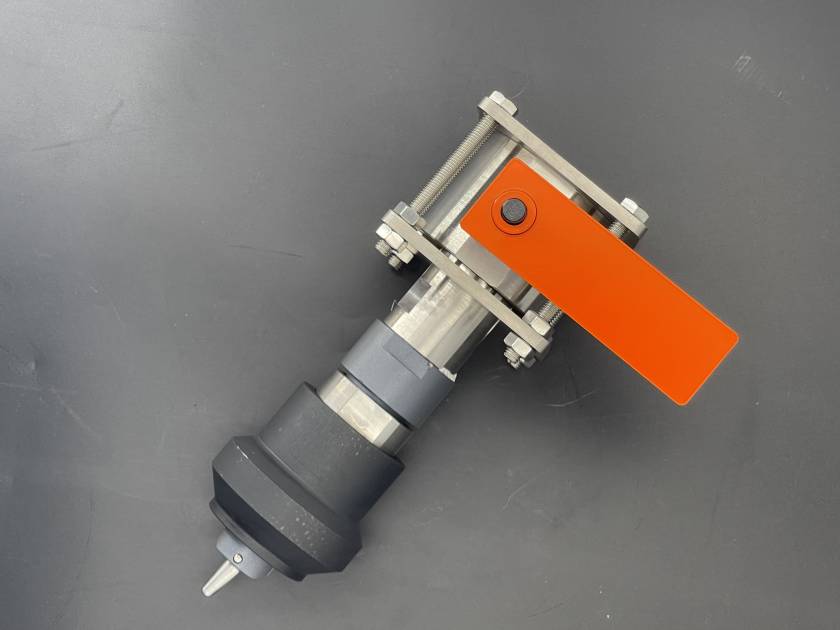
Introduction to Pig Detectors
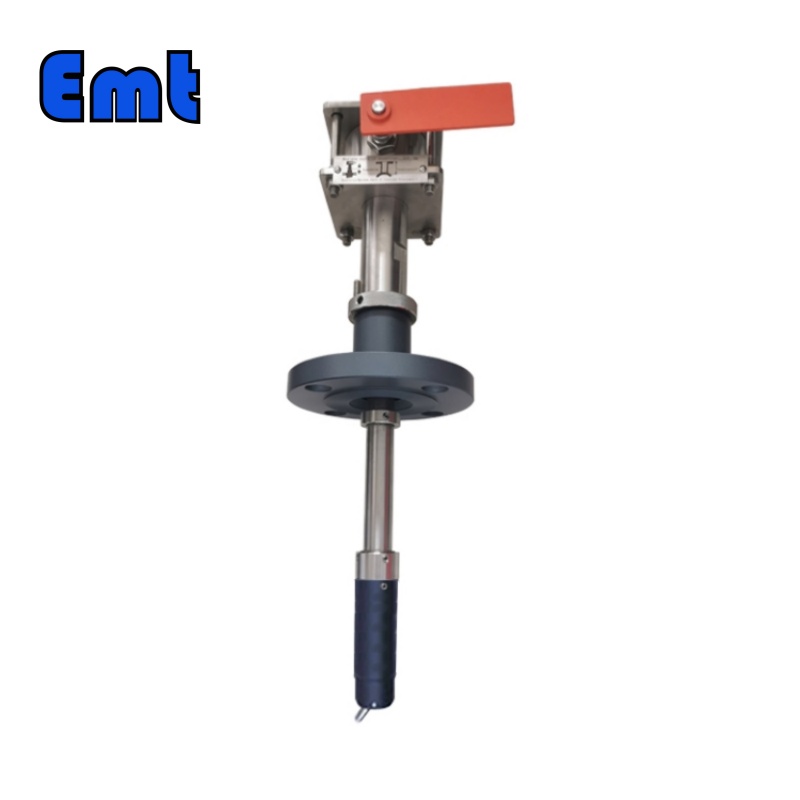
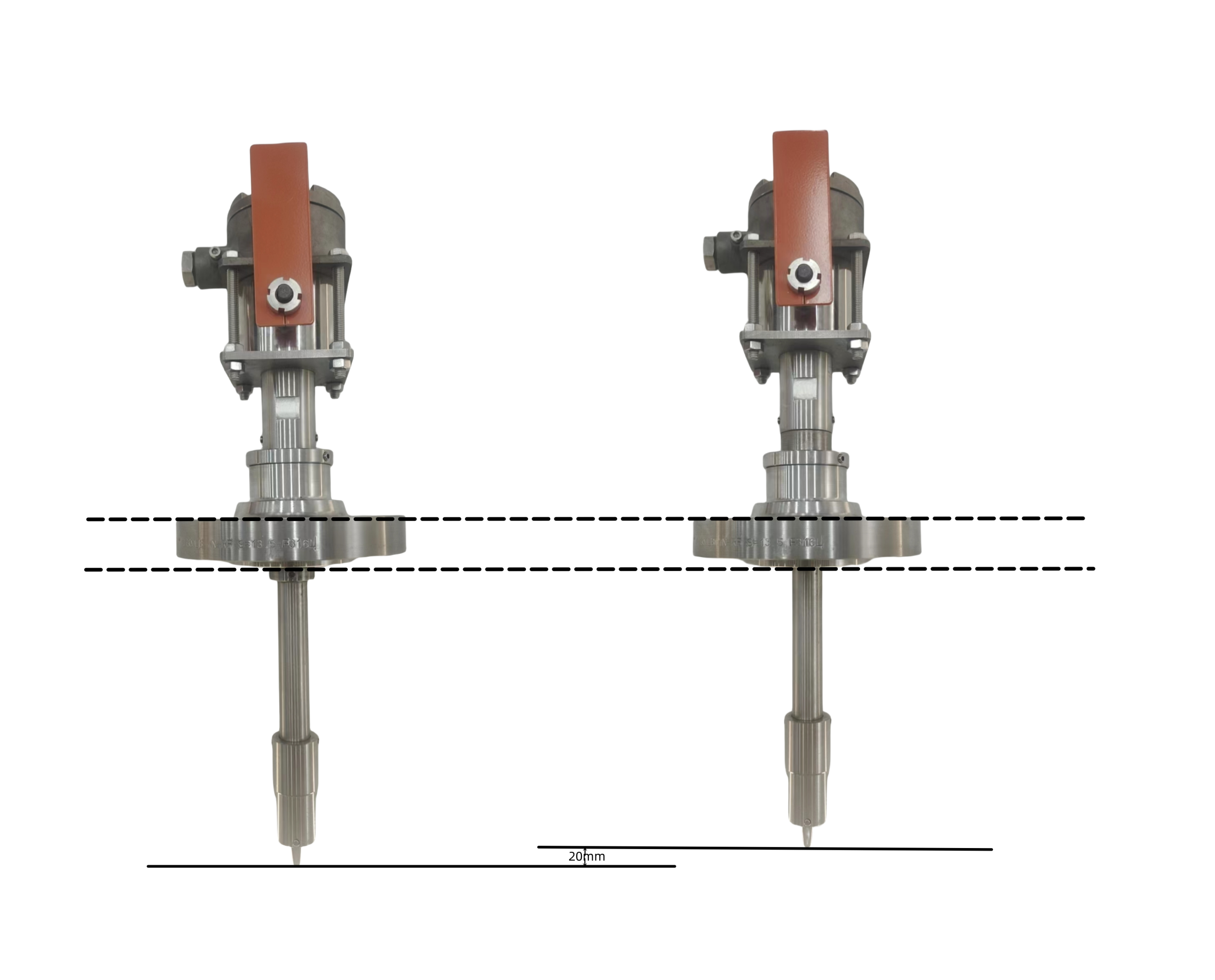
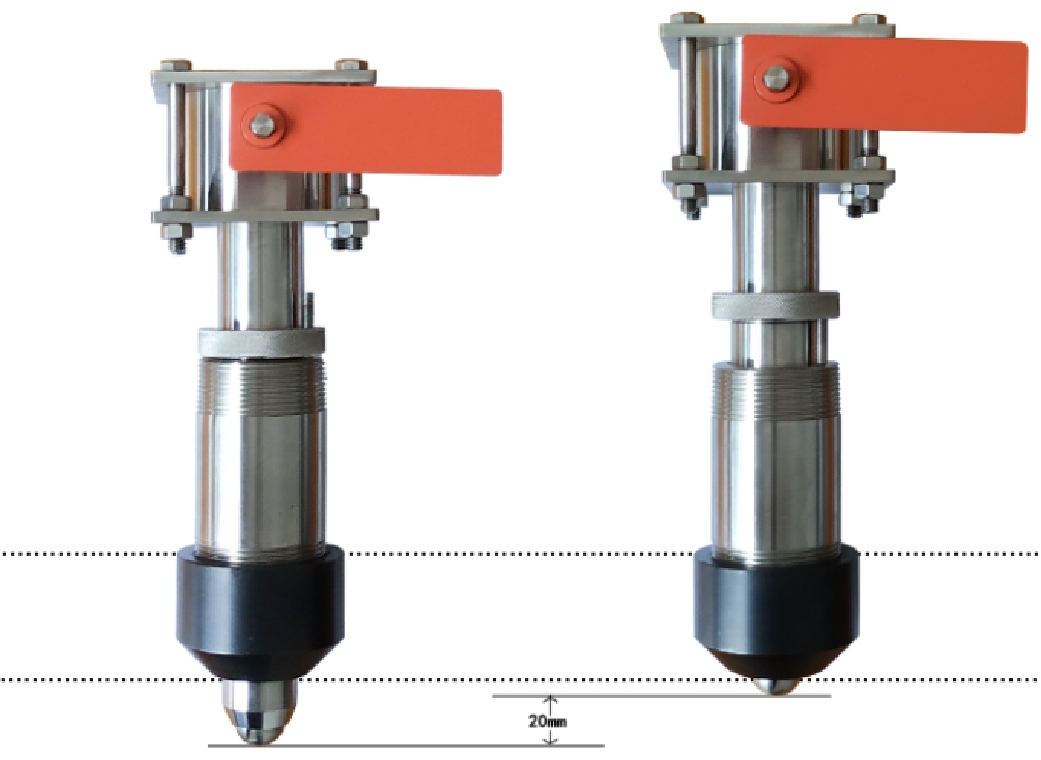
Pig Detectors, also known as Pig Signallers or Pig Indicators, are devices used in pipeline systems to detect the passage of a pipeline inspection gauge (pig). Operators send pigs through pipelines to clean, inspect, or perform other maintenance tasks. These detectors help operators confirm a pig’s location, which is crucial for operational control, safety, and maintenance scheduling.
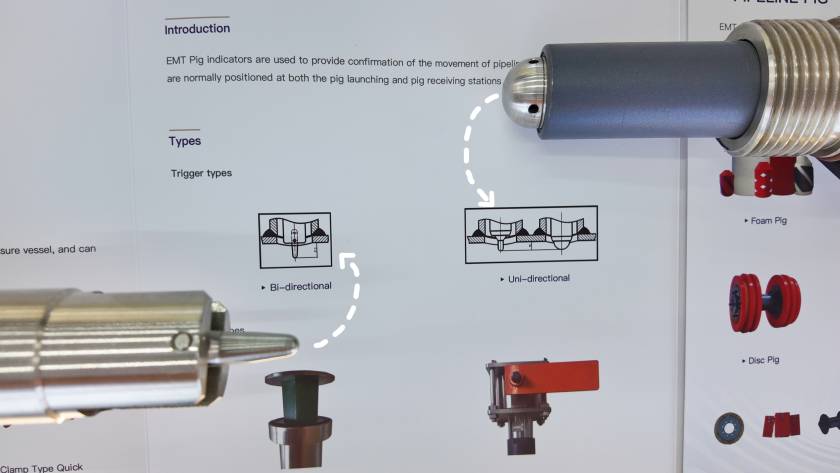
1. Trigger Types
This refers to the mechanism by which the detector senses the pig’s passage.
Bi-directional: This type of detector can accurately sense and indicate the passage of a pig traveling in either direction through the pipeline. This is a versatile and essential feature for complex pipeline networks where flow can be reversed or where pigs are launched and received from the same location.
Uni-directional: A simpler mechanical or non-visual trigger that detects the pig only when it passes in one specific direction.
2. Indicator Types
This describes how the device alerts the operator after detection.
Popper: A mechanical flag that physically “pops up” or changes position. It provides a clear, local visual indication.
Manual reset flag: A flag that stays in the signaled position until an operator manually resets it.
Manual reset flag combined with electrical switch output: Offers both a local visual flag and an electrical signal (for remote monitoring/SCADA systems) that can be transmitted to a control room.
Digital display combined with electrical switch output: Provides a local digital readout (e.g., pass count, time) along with a remote electrical signal output.
3. Base Types
This specifies the connection method for installing the detector onto the pipeline.
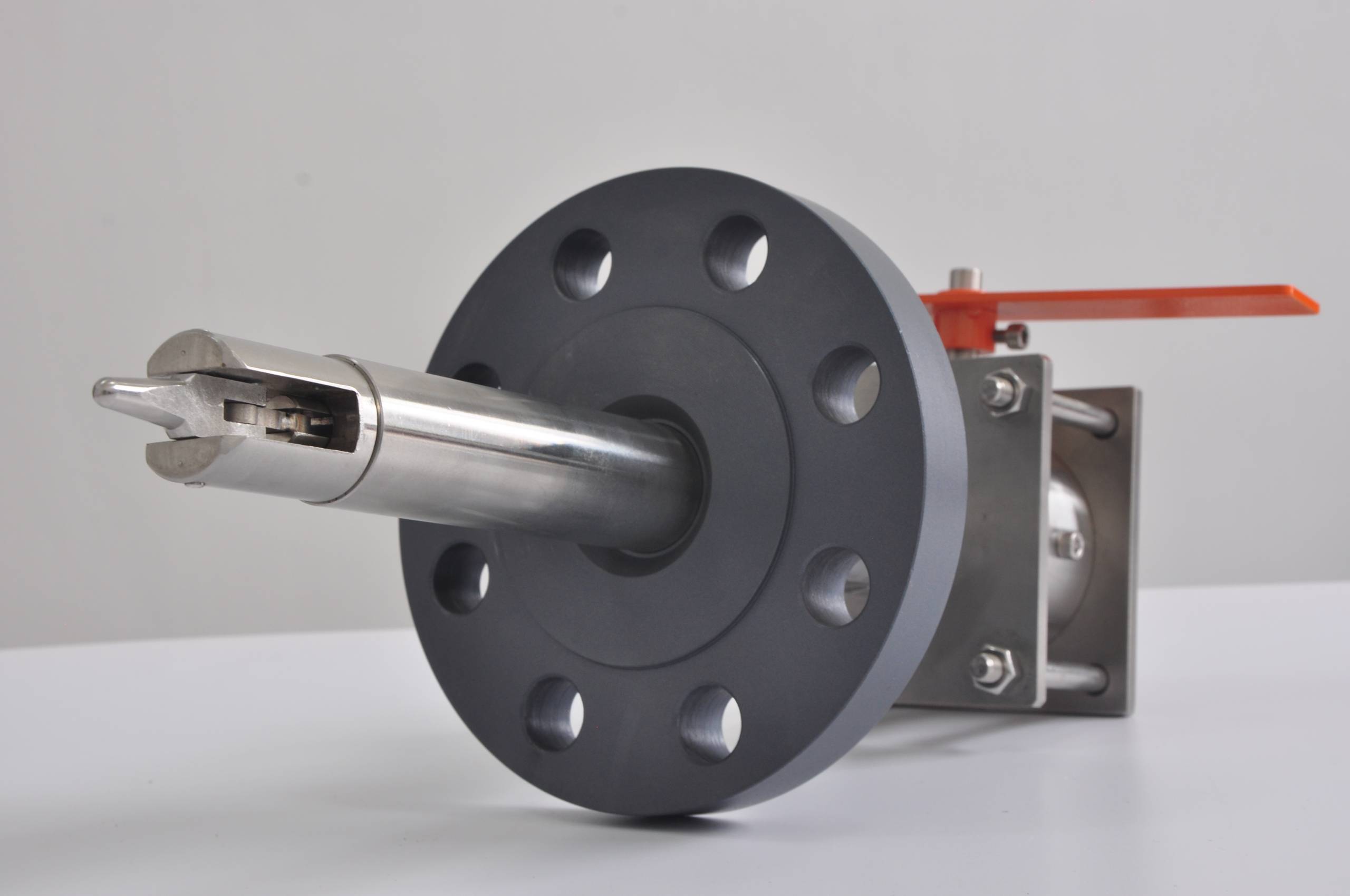
- 2″ flange connection: Uses a standard 2-inch flange for bolted connection to a pipeline fitting.
- 2″ welded nipple: A 2-inch nipple (a short pipe) that is welded directly onto the pipeline.
- 2″ welded base NPT nipple connection: Features a base with a National Pipe Taper (NPT) threaded connection, which is then welded to the pipeline.
Summary Comparison Table
| Feature | Intrusive Detectors | Non-Intrusive Detectors |
|---|---|---|
| Core Principle | Mechanical contact with pig | External sensing of pig’s signature |
| Pipe Penetration | Yes (welded fitting) | No (external clamp-on) |
| Installation Impact | Major (shutdown, hot work often required) | Minimal (on live lines) |
| Typical Location | Fixed: Launch/Receive traps | Fixed or Portable: Traps & tracking points |
| Reliability | Very High (direct contact) | High, but conditional (must be tuned properly) |
| Risk to Pig/Pipe | Possible mechanical damage/drag | None |
| Output | Often local visual and remote signal | Primarily remote electronic signal |
| Cost Factor | Higher installation/integration cost | Higher unit cost, lower installation cost |
Reviews
There are no reviews yet.