
Description
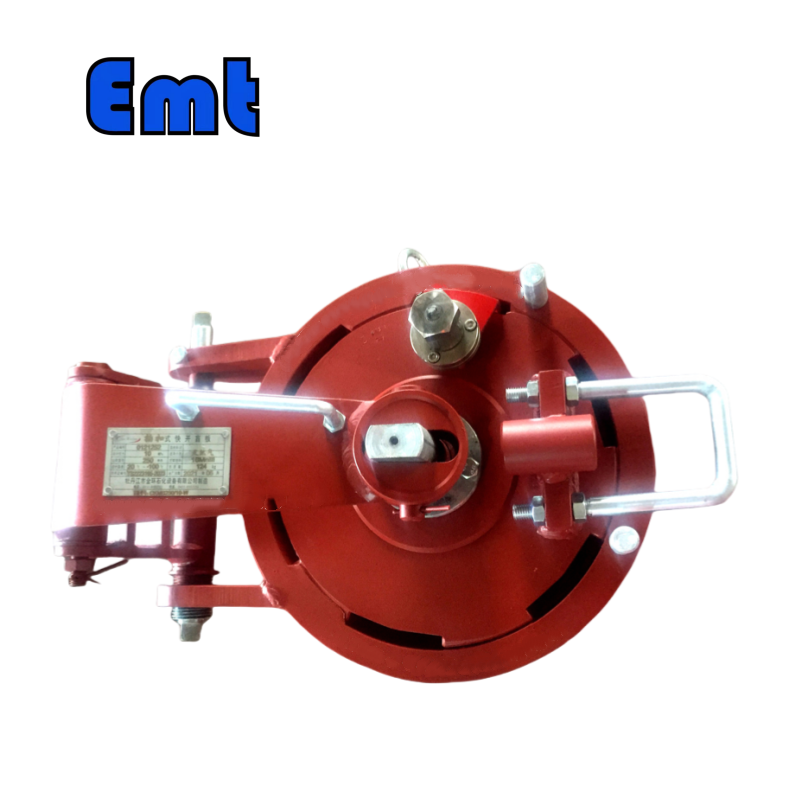
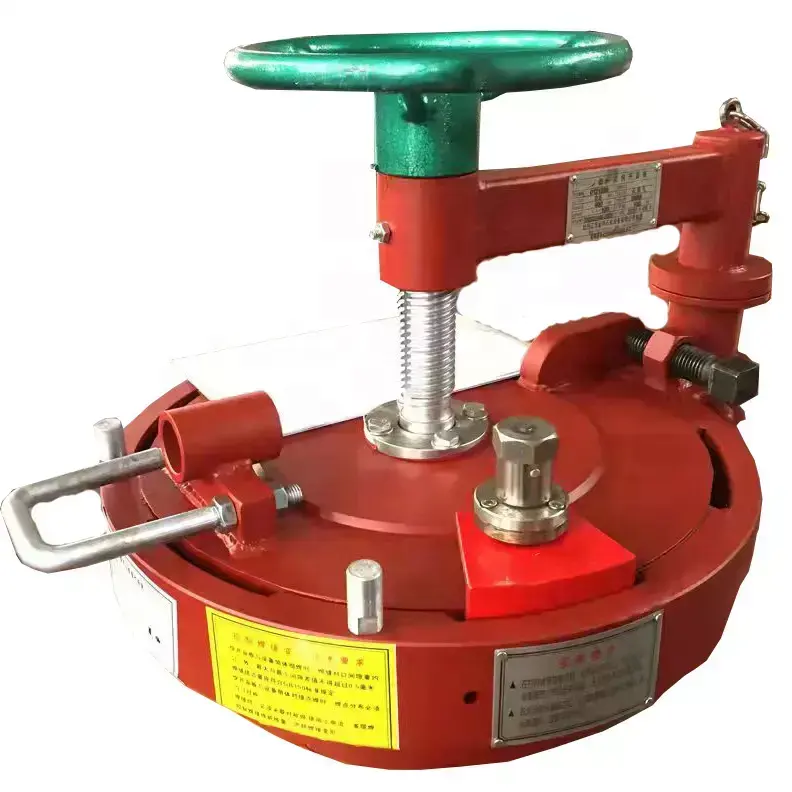
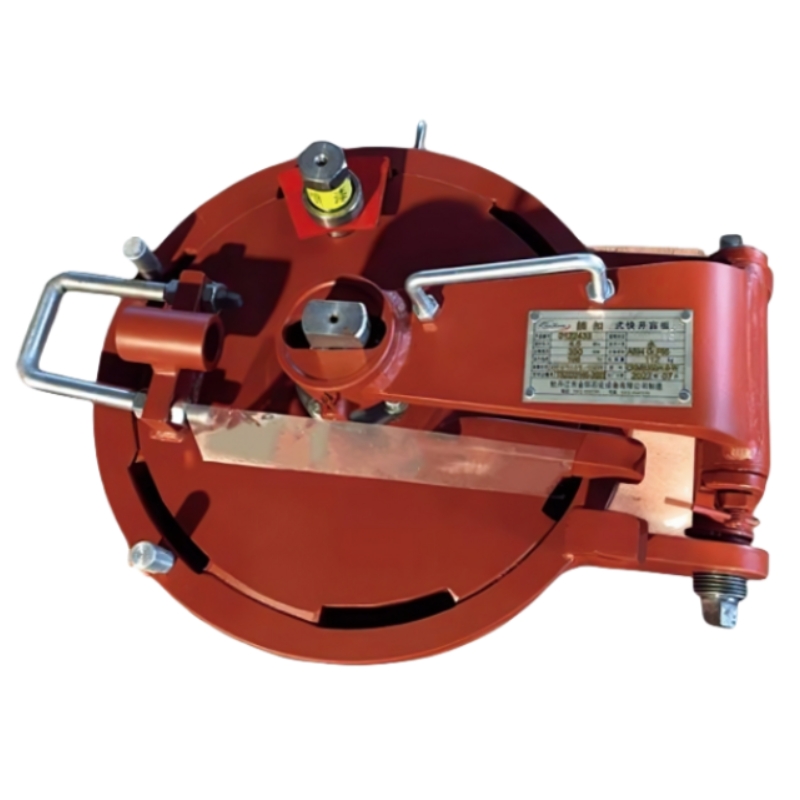
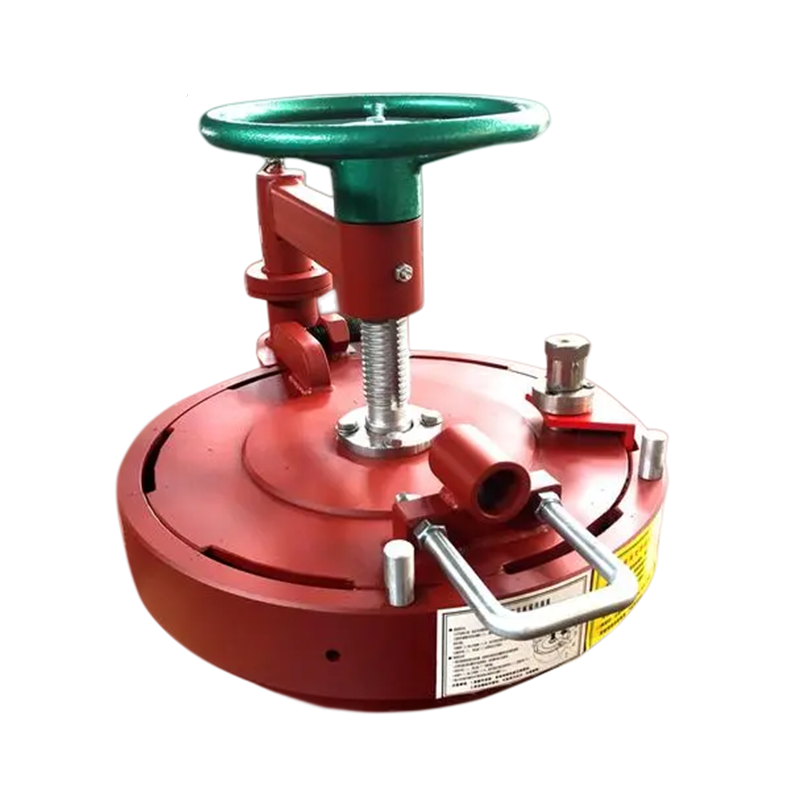
An EMT Sentry closure is a clamp-type quick opening closure for pressure vessels and pig traps. It replaces a bolted blind flange with a hinged head cover, locking clamp, and seal ring. A mandatory safety interlock keeps the door shut until the vessel is fully depressurized.
What Is an EMT Sentry Closure?
A sentry closure is a clamp-type quick opening closure — a code-built door that gives crews fast, repeated access to pressure vessels, filters, separators, and pig launcher or receiver barrels. In pig trap drawings, this component is marked as component A, the access point operators use for cleaning and inspection.
EMT builds three closure families: clamp type, lock-ring (expanding ring) type, and bayonet (interlock) type. The Sentry closure sits in the clamp family. Its head cover engages the hub through a locking clamp rather than a bolt circle, so one technician can swing it open once the interlock clears. On this design the cover-to-seat connection uses a left-hand buttress thread form, which carries high shear load and holds sealing under pressure cycling.
Q: How is a quick opening closure different from a blind flange?
A: A blind flange needs every bolt removed and refitted by hand. A sentry closure uses a clamp and hinge, so the same job takes about one minute instead of 45, with fewer loose parts and less gasket damage.
What Problem Does It Solve?
A separator needs internal cleaning four times a year. With a bolted flange, two technicians spend 45 minutes per opening on bolts, and every cycle risks a dropped tool, a damaged gasket, or an uneven bolt load that leaks later.
Q: What actually causes closure downtime and leaks?
A: Four things, in order of frequency:
- Bolt work — long unbolting time and uneven re-torque on every service cycle.
- Seal damage — grit, blasting media, or paint reaching the sealing face or seal groove.
- Alignment — closure bore not matching the vessel bore, or joint gap varying around the circumference.
- Weld distortion — welding the hub to the shell without distortion control or post-weld heat treatment.
The Sentry closure addresses the first two by design, and the last two through documented installation practice.
Technical Parameters
EMT machines each closure to the host vessel design. Confirm nominal diameter, wall thickness, design pressure, and medium before ordering; non-standard hubs are built to order.
| Parameter | Value |
|---|---|
| Closure type | Clamp type (Sentry); lock-ring and bayonet types also available |
| Nominal diameter | Built to match vessel bore — per order specification |
| Design pressure | Per vessel design — per order specification |
| Body material | ASTM A694 F60 (Charpy impact ~28–35 J average, rated above −40 °C) |
| Safety bolt material | SS304 (default) |
| Alignment tolerance | Joint gap difference around circumference ≤ 1.0 mm |
| Cover thread form | Left-hand buttress thread |
| Safety device | Interlock — door cannot open under residual pressure |
| Design code | ASME Boiler and Pressure Vessel Code Section VIII Division 1; GB 150.4-2011 |
Bayonet reference: on the EMT bayonet (interlock) range, sizes reach 20 in at pressures up to 6.3 MPa. Ask EMT for the equivalent envelope on the Sentry clamp design for your service.
Why Choose This Design?
- One-minute access — clamp and hinge replace a full bolt circle, cutting opening time from about 45 minutes to about one.
- Interlock by default — the door stays locked until pressure is fully released, so the vessel cannot be opened while pressurized.
- Code-built body — ASTM A694 F60 with documented impact values, manufactured under an ASME U Stamp quality system.
- Repeatable sealing — a dedicated seal ring and machined seal groove hold performance across service cycles.
- Match-machined bore — the closure bore is machined to the vessel bore, holding joint gap variation within 1.0 mm.
- Fewer loose parts — no bolt inventory, no torque sequence, less risk of dropped components in confined work.
Where Should You Use It?
- Pig launcher and receiver barrels — the standard component A access door
- Filter and separator vessels that need scheduled internal cleaning
- Scraper trap barrels on gathering and transmission lines
- Pressure vessels and heat exchangers with frequent inspection intervals
- Metering and prover skids where access time affects production
- Offshore and onshore skids where crew time on site is expensive
Who Is EMT and Why Trust Us?
EMT (Shenyang EMT Piping Technology Co., Ltd.) manufactures pigging equipment, quick opening closures, pig signallers, and corrosion monitoring systems for oil and gas pipelines. The shop works under an ASME U Stamp quality program, with material traceability and hydrostatic testing on pressure boundary components.
- Design and manufacture to ASME Section VIII Division 1 and GB 150.4-2011
- Full material certification and traceability on pressure parts
- Hydrostatic testing before shipment
- Installation, welding, and maintenance manuals supplied with every closure
- Custom hubs, orientations (horizontal or vertical), and door handling built to order
Frequently Asked Questions
Q: Can the Sentry closure be opened while the vessel is still pressurized?
A: No. The safety interlock blocks the door until the vessel is fully depressurized, drained, and blown down. This is the primary safeguard against pressure-release incidents.
Q: What size and pressure ratings are available?
A: Each closure is built to the host vessel design, so nominal diameter and design pressure follow your specification. Send EMT the vessel bore, wall thickness, design pressure, and medium, and we will return a machined proposal.
Q: What material is the body, and does it handle low temperature?
A: The standard body material is ASTM A694 F60, with an average Charpy impact value around 28–35 J and a service limit above −40 °C. Tell EMT your minimum design temperature for a material review.
Q: What mistakes shorten a closure’s service life?
A: Blasting media or paint reaching the sealing face, storing the closure outdoors instead of indoors, welding the hub without distortion control or post-weld heat treatment, and opening the door before the vessel is fully vented.
Q: How tight must the fit-up be?
A: The closure bore must match the vessel bore, and the difference between the maximum and minimum joint gap around the circumference must stay within 1.0 mm.
Reviews
There are no reviews yet.